By Diana Hague | Project Leader
COMMUNITY HEALTH AFRICA TRUST
CASE STORY By Patrick Kimanzi
Longewan, Samburu County-KENYA.
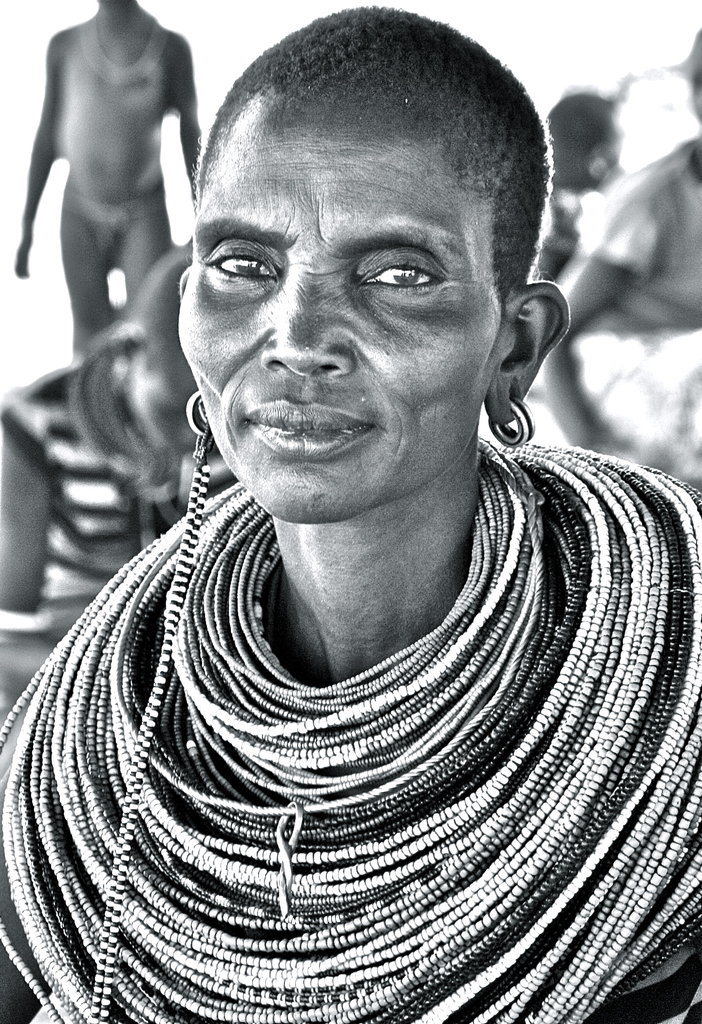
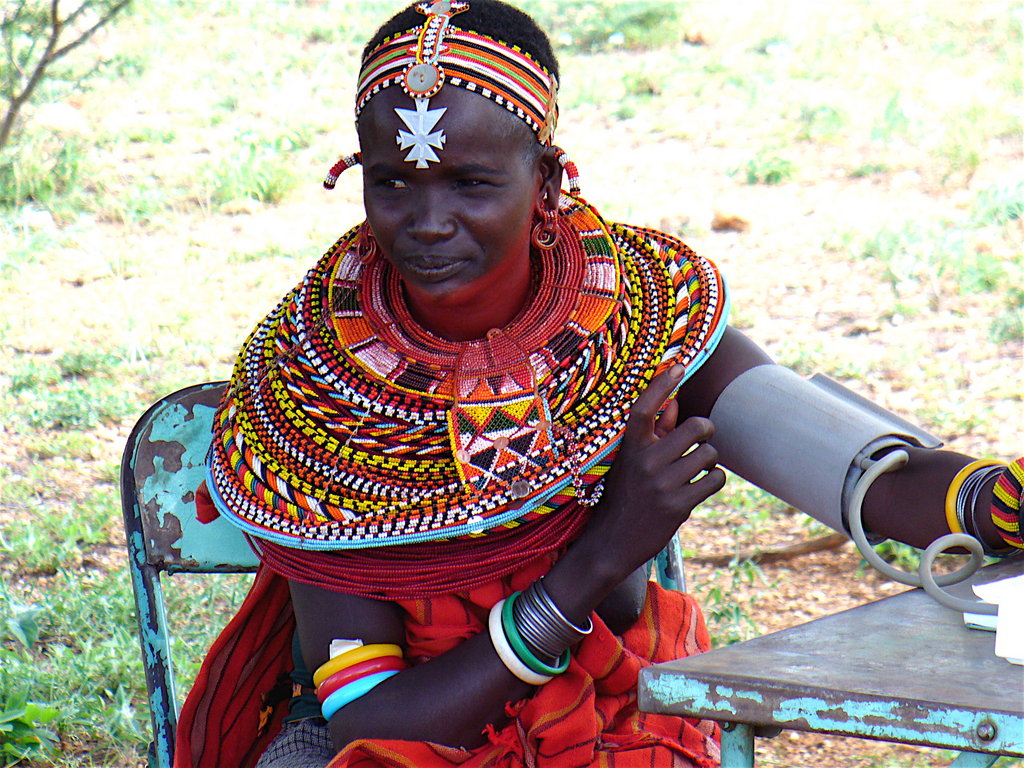
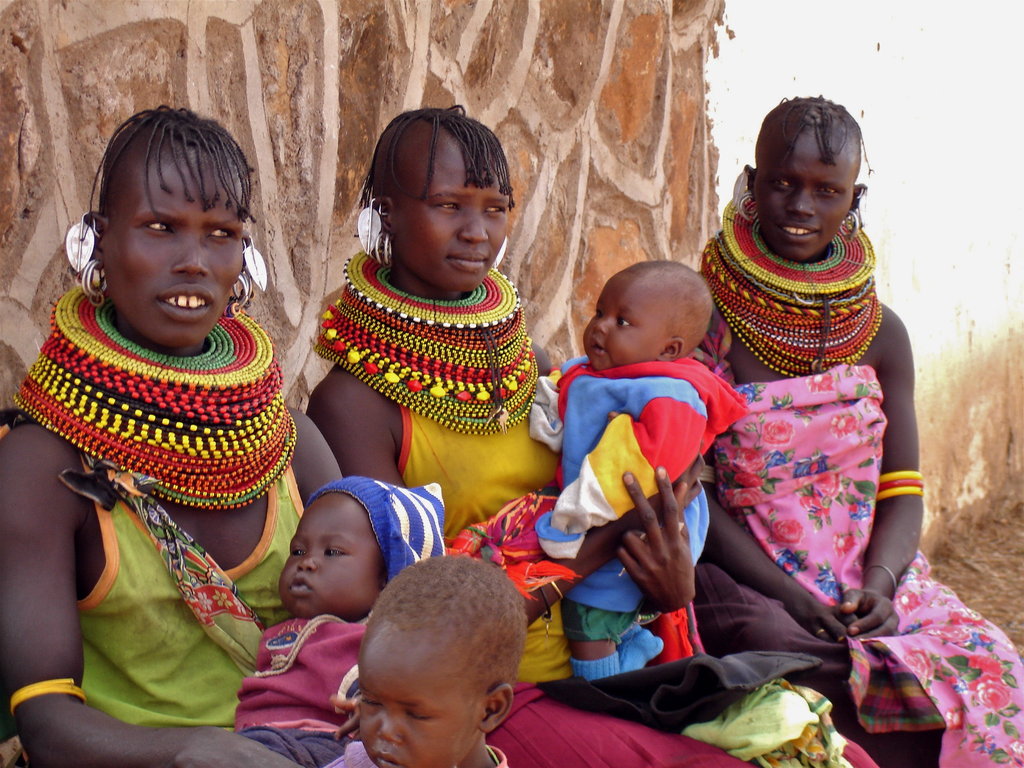
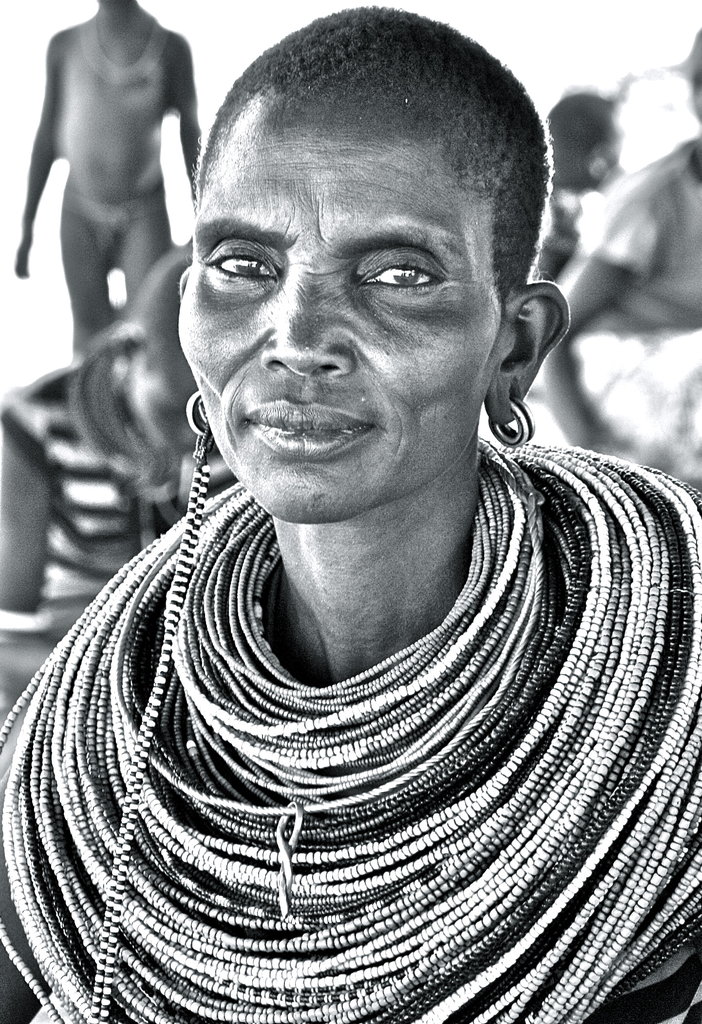
As she walked out of the enclosure that serves as the camel mobile clinic ‘theater’ room, Martha Nyaano 27, a mother of six felt the gaze of the crowd upon her. Just outside, a group of women had gathered from surrounding villages, all with one thing in common: The desire to limit the size of their families. Later they would be treated for various ailments but family planning first: they all seemed to agree.
Eagerly, they had waited while Martha became the first of the group to undergo her contraceptive method of choice. Now, striding toward the crowd without a hitch, she paused and addressed her folk, doing her best to erase their lingering fears and doubts--if any;
“Friends, this operation is nothing. I couldn’t feel anything. You people don’t lose heart.”
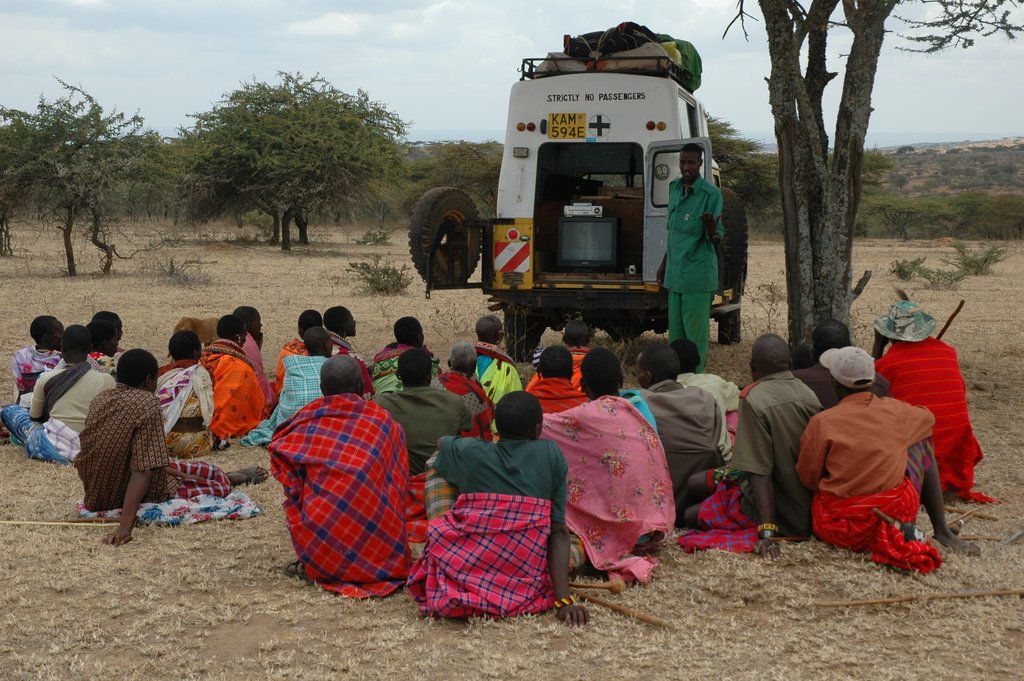
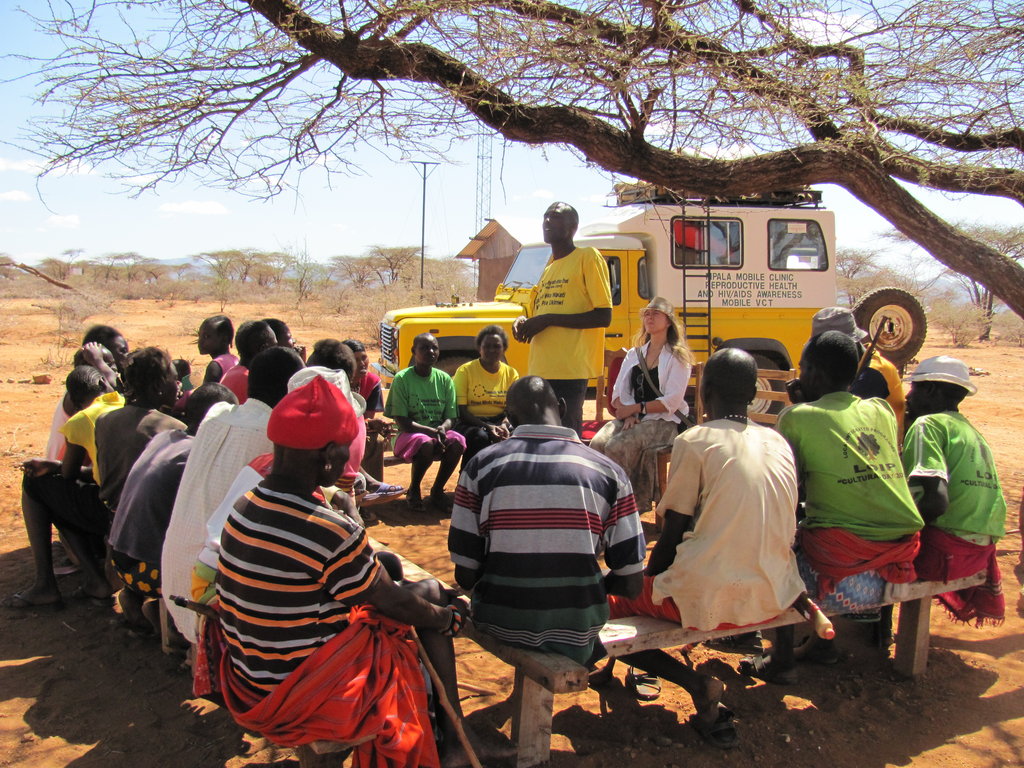
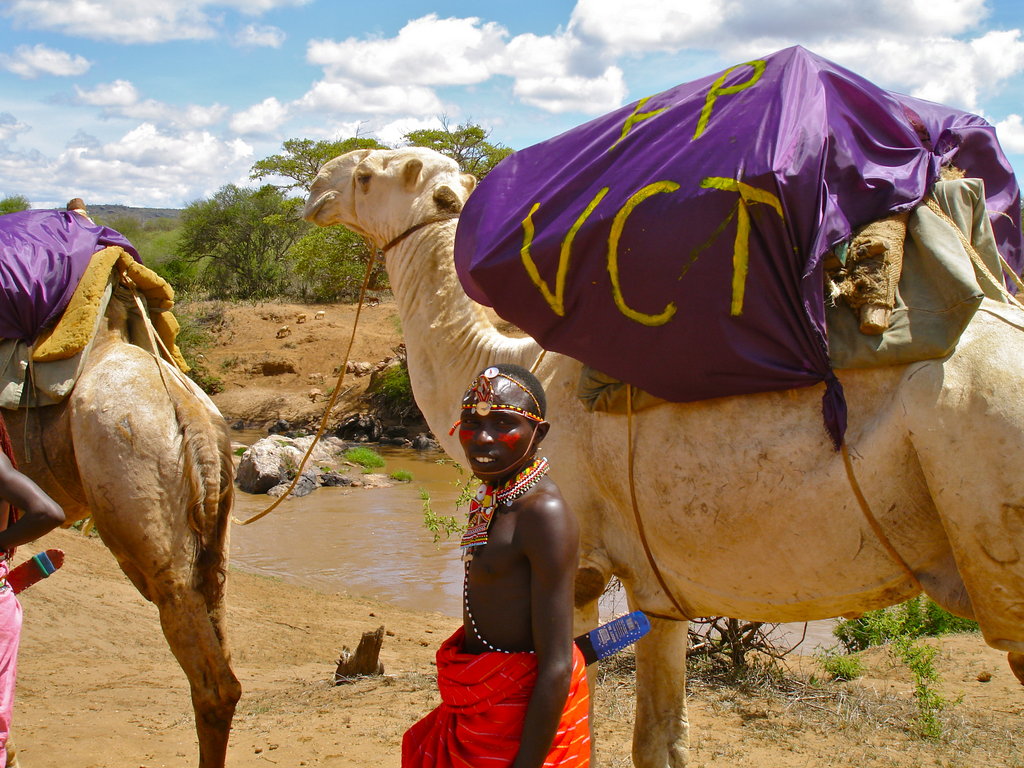
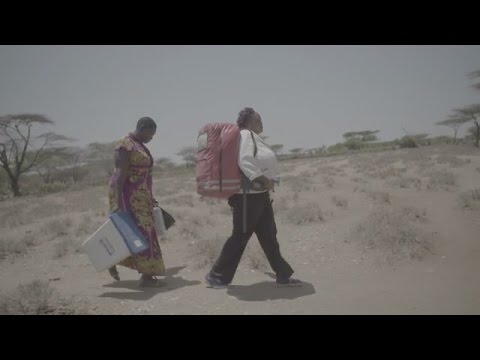
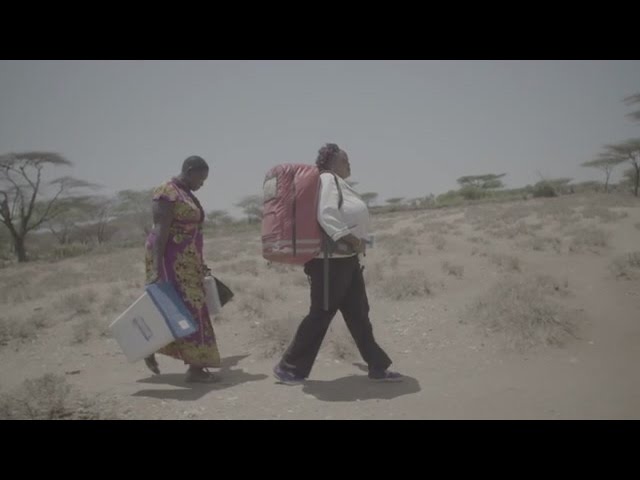
This was one of the many scenes witnessed during CHAT’s camel mobile clinic that spend a total of 30 days criss-crossing the vast Laikipia and Samburu regions of Northern Kenya.
That particular day a total of 31 received Implanon. And although this number represents a small fraction of the long-term family planning clients reached by CHAT, it is elating to realize that Samburu women show an exceptional level of independence and strength in a culture where women traditionally face extreme social and economic inequality.
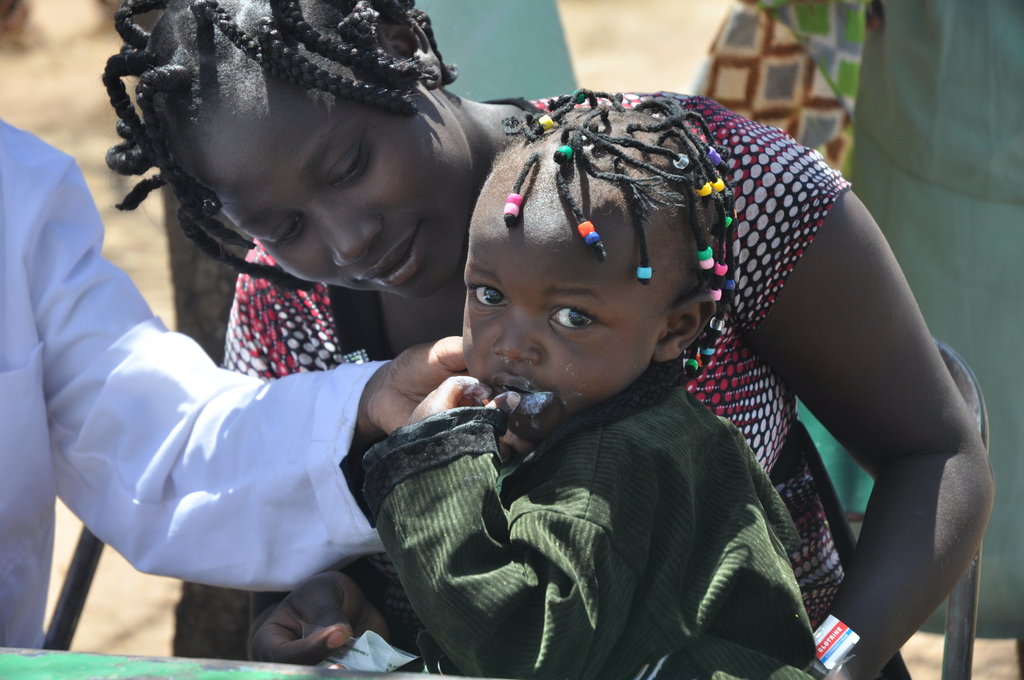
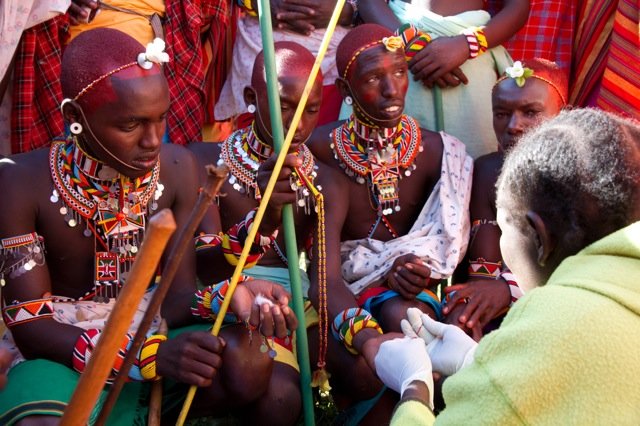
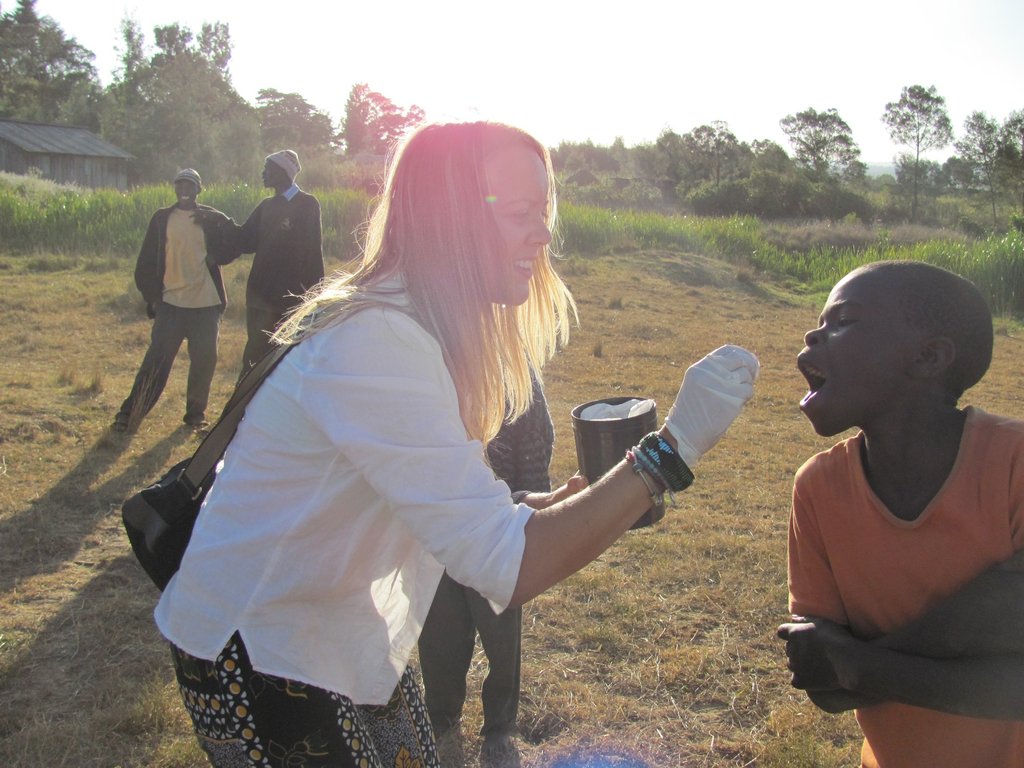
CHAT integrated camel mobile clinic also offers immunizations, HIV counseling and testing and provision of basic curatives.
Ends
(Patrick Kimanzi is CHAT’s Monitoring and Evaluation Officer)
_______________________________________________________________________
Community Health Africa Trust (CHAT) carried out yet another successful integrated camel mobile clinic in March 2010.
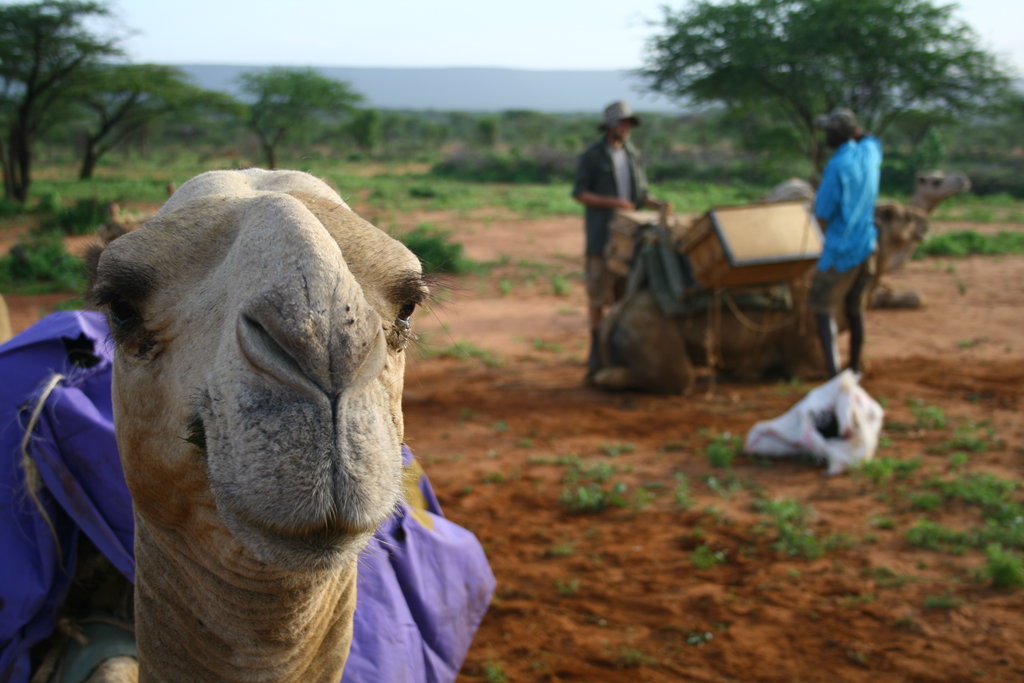
CHAT camel mobiles, which go out for a month at a time, are reaching the underserved remote communities providing them with crucial integrated health services including family planning and basic curatives.
THE CAMEL MOBILE CLINIC RESULTS FOR THE MONTH OF MAY 2011
This camel trek reached over 2862 people in 14 stations across Laikipia and Samburu counties.
Family Planning:
Basic Curatives: (TB, STI, Malaria, Pneumonia, Gastroenteritis, Conjunctivitis, etc)
HIV/AIDS counseling and testing:
CHALLENGES
LESSONS LEARNED
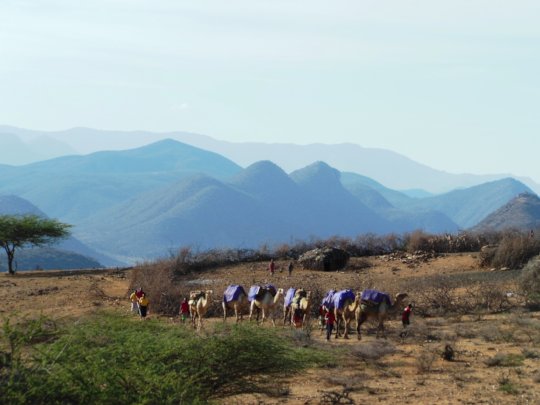
The integrated camel mobile clinic team negotiates a swelling luger in Samburu County during the March camel mobile clinic. PHOTO: Andy and Sam (Filming Volunteer.
An exhausted integrated camel mobile clinic slows down to a trot (never mind the fast approaching sunset) during the camel clinic trek across Laikipia and Samburu. ALL PHOTOS: Andy and Sam (Film Volunteers)
Project reports on GlobalGiving are posted directly to globalgiving.org by Project Leaders as they are completed, generally every 3-4 months. To protect the integrity of these documents, GlobalGiving does not alter them; therefore you may find some language or formatting issues.
If you donate to this project or have donated to this project, you can receive an email when this project posts a report. You can also subscribe for reports without donating.