By Tessa van Gastel | MSc
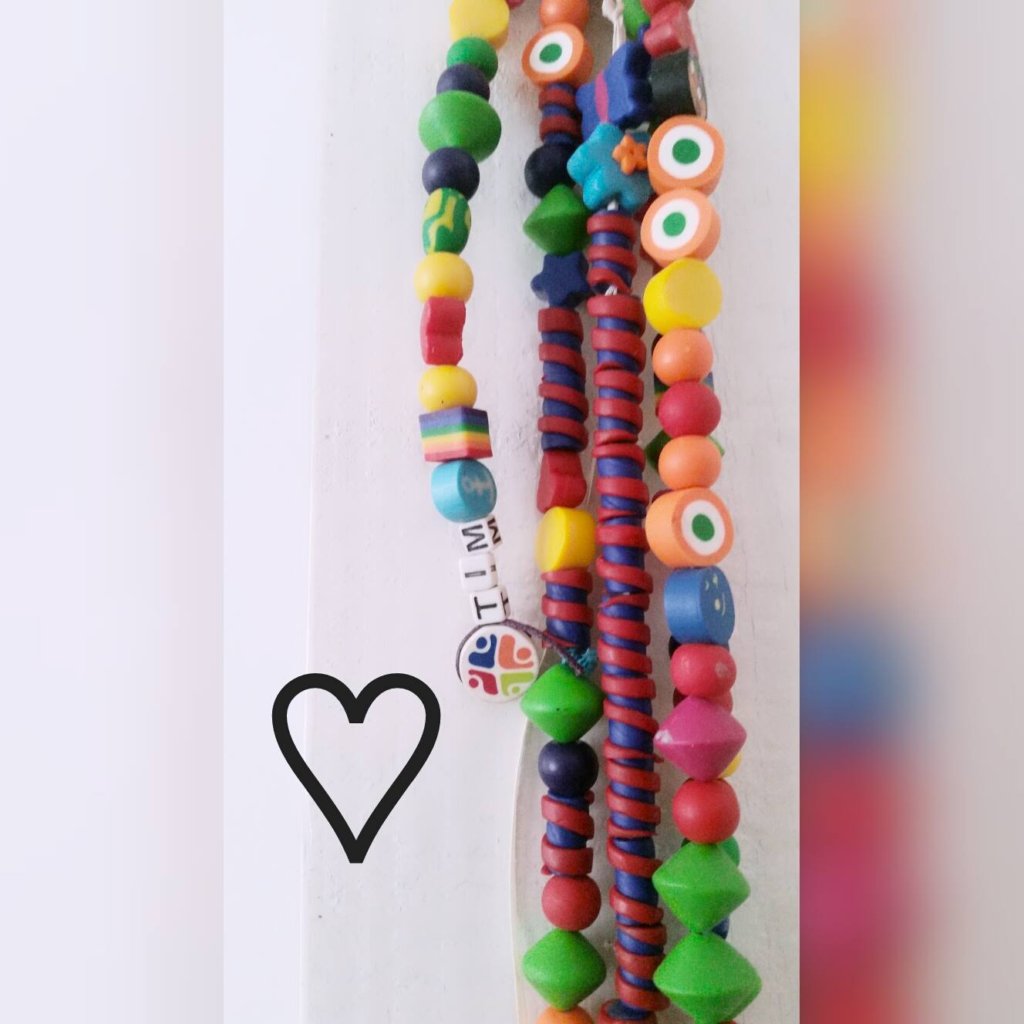
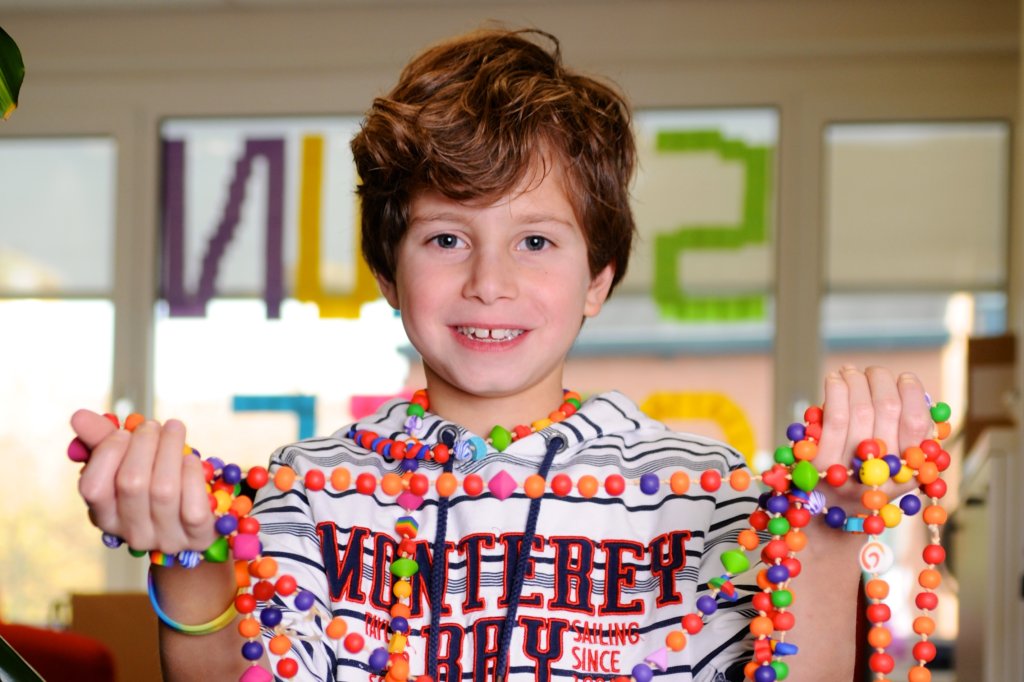
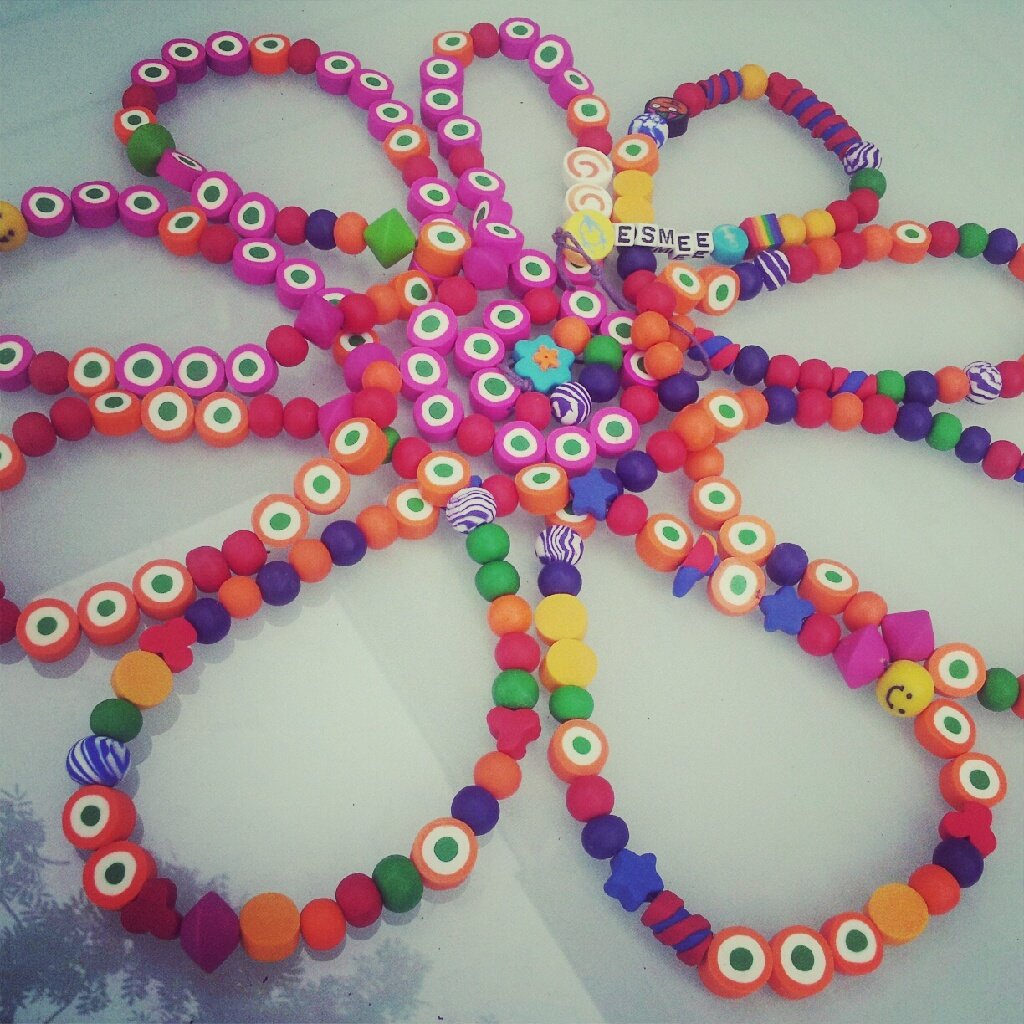
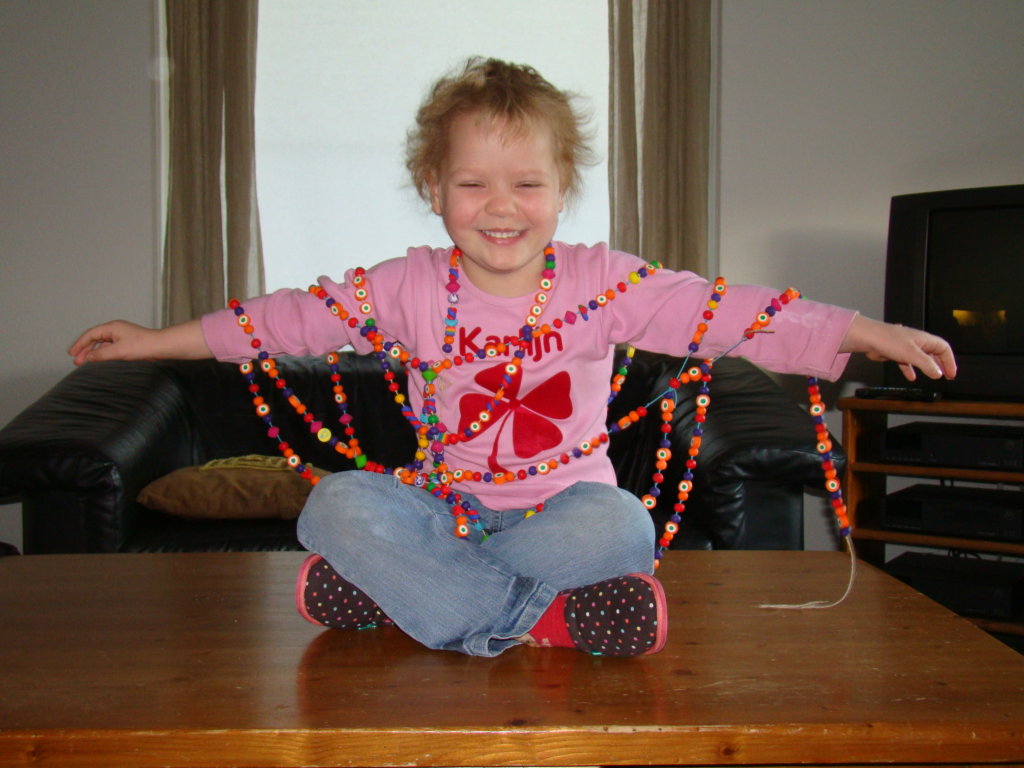
Since 2007, the KanjerKetting (Chain of Courage) has been a known name for many children with cancer and their parents. Since this time, we often hear from children and parents that the KanjerKetting helps and supports. Nevertheless, we also wanted to map out the experiences with an investigation. In order to find out about these experiences, a questionnaire was made with various statements. Professionals, parents of children who are still in treatment, parents of children who have finished treatment, parents of children who have died, children and young people have responded. The research shows very nice and positive experiences.
From the completed questionnaires we can determine that the KanjerKetting is used by young and old, namely from 0 years to 22 years. We also found experiences that suited different topics:
Processing
The KanjerKetting appears to be able to help with the processing of the disease. One of the youth says that:
"The [KanjerKetting] is a tool to better process the [cancer]"
Girl, 18, finished treatment
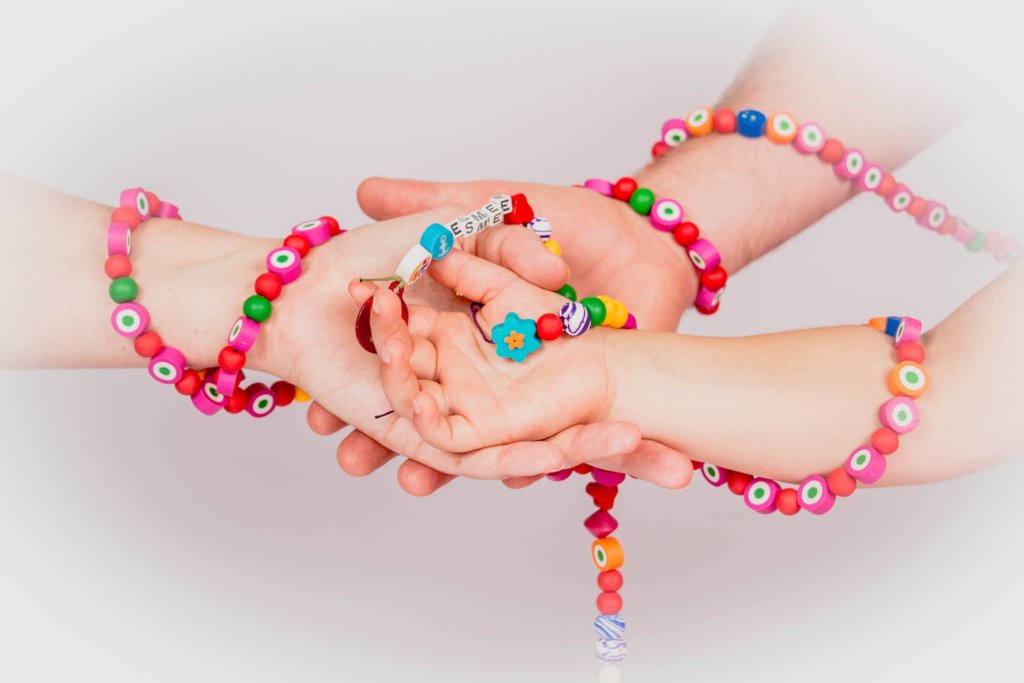
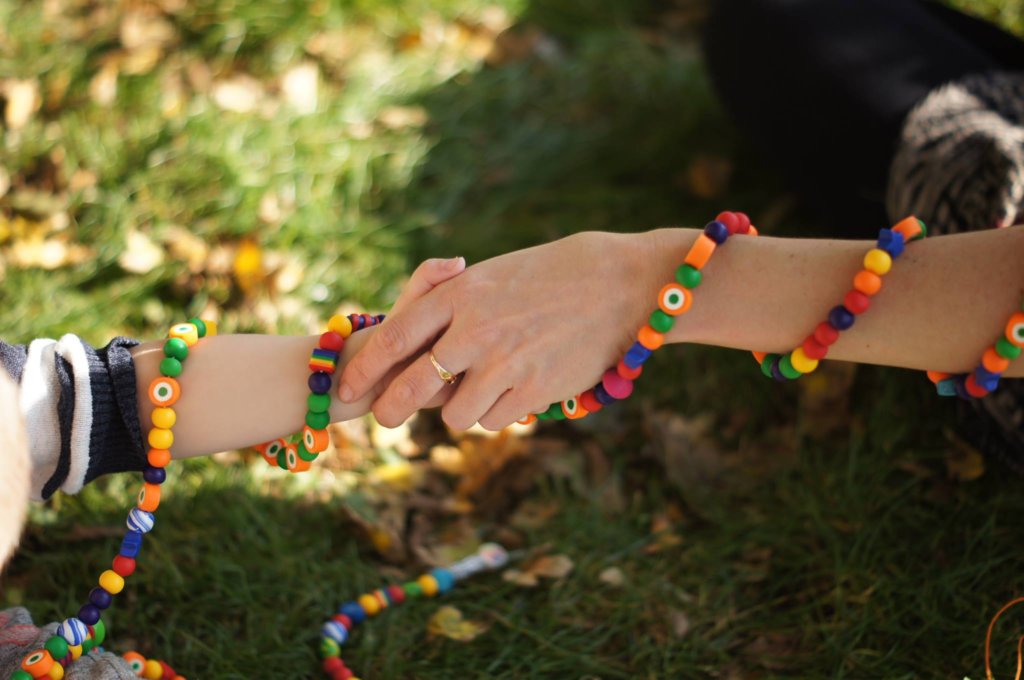
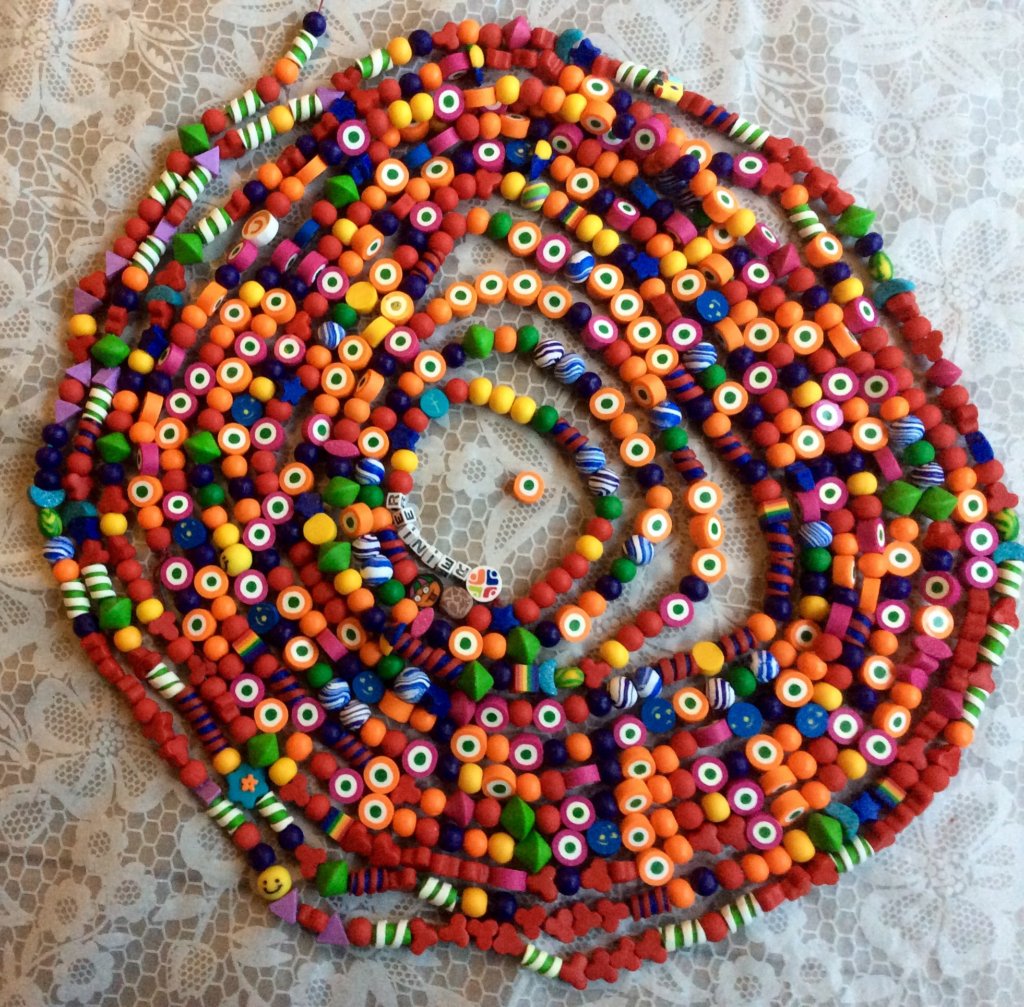
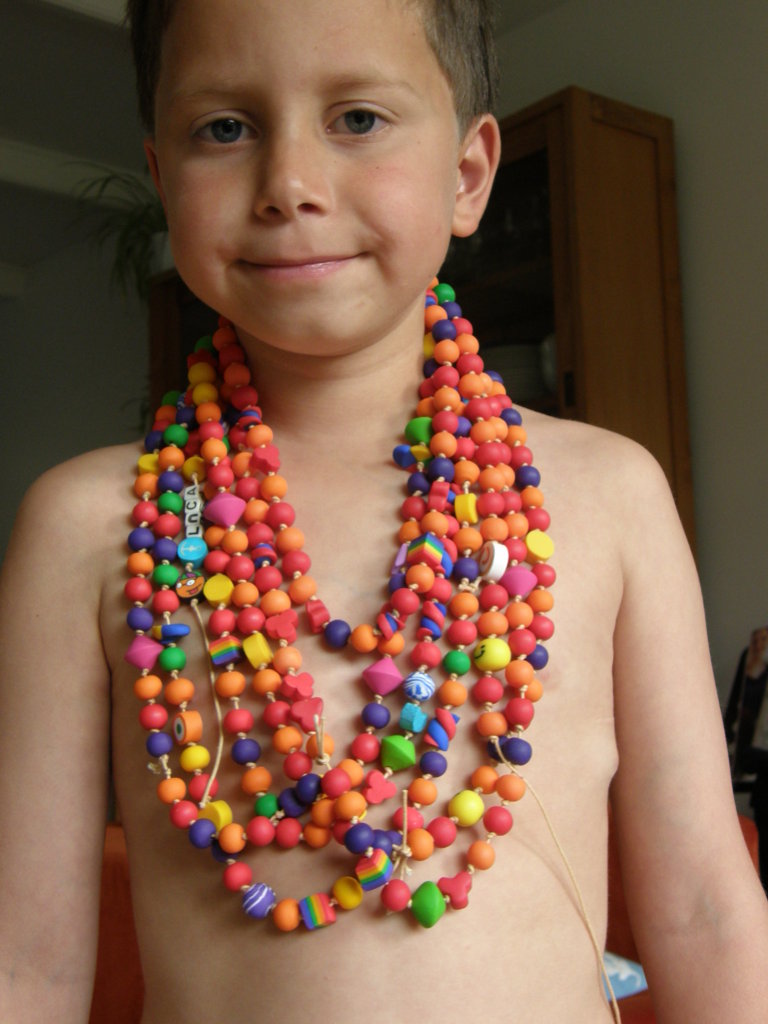
Because each bead has a meaning, treatments and events are sort of more tangible and clear. This can in turn lead to processing, if it is possible to process an event, if it is also clear to someone and is understood.
Disease insight
It is therefore important for children that events are well understood. Children then have insight into their illness and understand events better. Where can accept the situation and process it appropriately. The questionnaires show that the KanjerKetting contributes to this. One of the children says:
"In a diary you write every day what you have experienced and the chain also shows what you have experienced"
Girl, 15 years old, still in treatment
The clarity that the KanjerKetting provides about events provides less certainty about a situation. This ensures that again a sense of security, familiarity, competence and development of identity. For example, a child says:
"I knew [thanks to the KanjerKetting] what was going to happen and what still had to happen"
Girl, 11 years, finished treatment
Supportive and treating
The answers to the questionnaire also showed that the KanjerKetting is a good means of sharing emotions. A professional says that:
"Where children sometimes find it difficult to talk about medical actions of feelings, the chain gives conversations in a playful and light-hearted way."
Pedagogical employee, working in a pediatric oncology center
And a parent:
"He only talks about the treatment together with the chain. Without the chain he does not let go much .. "
Parent of a 6-year-old who is still in treatment
Sharing emotions can help to process the disease, the KanjerKetting helps to accept.
Communication with environment
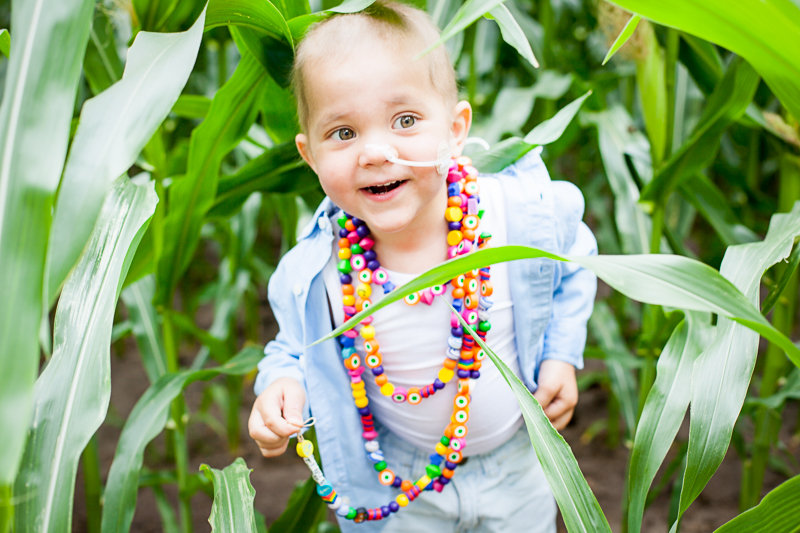
Many parents and children use the chain as a means of communication to talk about the disease and treatment. Especially the nice colors and shapes of the beads, generate interest from others about the necklace:
"People quickly ask for the meaning, which immediately gets the conversation going."
Older 11-year-old finished treatment
Many parents also indicate that others understand better what their species are experiencing through the KanjerKetting. With the KanjerKetting you can see in detail what happened in the hospital and that gives a clear picture. This can also lead to more understanding, for example at school:
"Our daughter also occasionally takes him to school to show what treatments they've all had."
Older 7-year-old, still in treatment
The questionnaire shows that brusses also use the chain for this.
Reminder
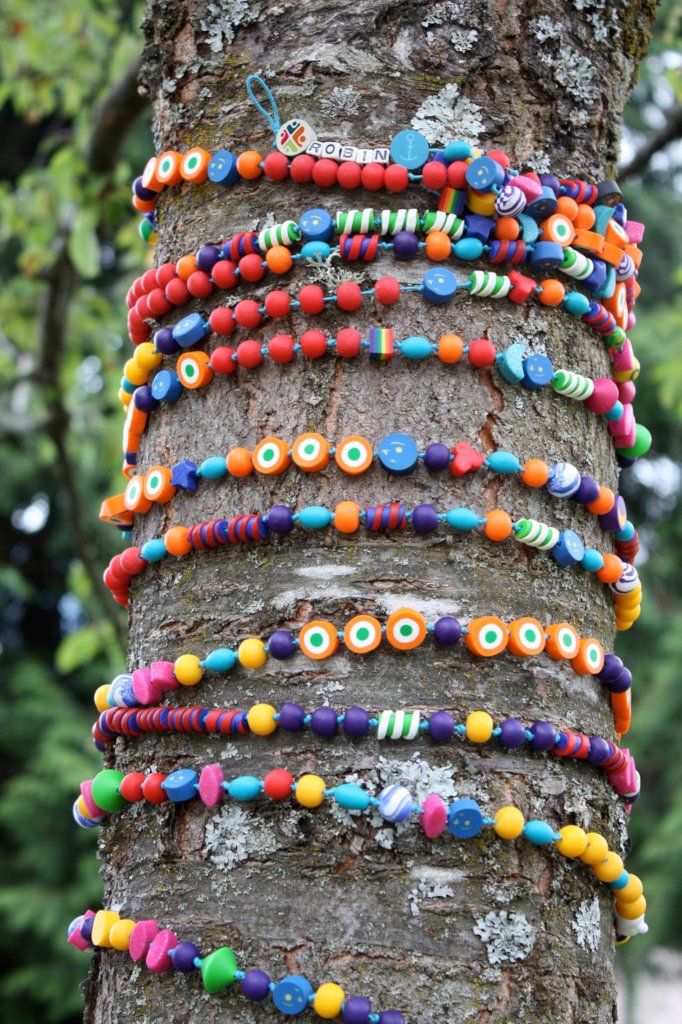
For most parents and children, the KanjerKetting is a precious memory, a kind of diary that tells the story. This includes both positive and negative memories. Parents and children determined not to hide these negative memories. The KanjerKetting ensures that you can look back on the period in a positive way:
"Although it is a reminder of a bad period, the chain itself is a positive thing that she proud of."
Older 8-year-old, finished treatment
Barriers / negative themes
With the questionnaire, we also looked at possible obstacles to the KanjerKetting. For example, the statements "The KanjerKetting puts my species on a pedestal", "The KankjerKetting hinders me in the processing" of "The KanjerKetting reminds me of a bad period" were given for this. Answers to these statements were especially negative. Professionals, parents and caregivers and children have little or no negative experiences. The comments on the answers to these questions also show that such obstacles are less experienced. For example, one child answered the question "The KanjerKetting reminds me of a bad period". However, the comment was:
"Sure, that period is not fun, but I also think the KanjerKetting will help you remember how strong you are."
Girl, 15 years old, still in treatment
Conclusion
The KanjerKetting has various positive effects for parents, children of all ages and (care) professionals. The chain has positive effects on the processing process of parents and children, it is a communication aid and a valuable memory for later. This tangible diary makes it easier for children and the family to deal with the disease, during and after treatment. The KanjerKetting gives the possibility to recognize, accept, remember and tell stories.
Links:
Project reports on GlobalGiving are posted directly to globalgiving.org by Project Leaders as they are completed, generally every 3-4 months. To protect the integrity of these documents, GlobalGiving does not alter them; therefore you may find some language or formatting issues.
If you donate to this project or have donated to this project, you can receive an email when this project posts a report. You can also subscribe for reports without donating.



Support this important cause by creating a personalized fundraising page.
Start a Fundraiser