By Sandra Dubpernell | Marine Mammal Stranding Network co-coordinator
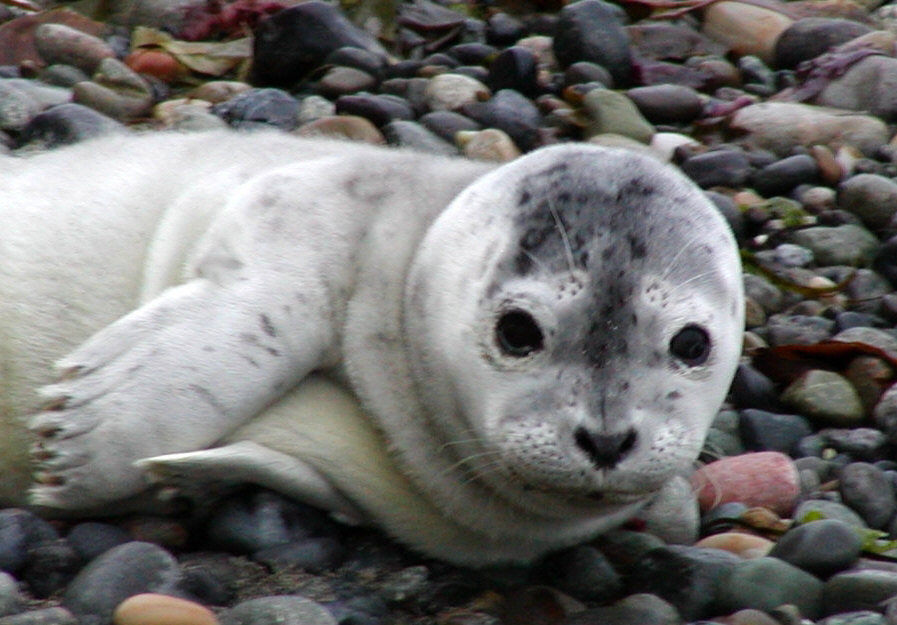
Oh, So Cute!
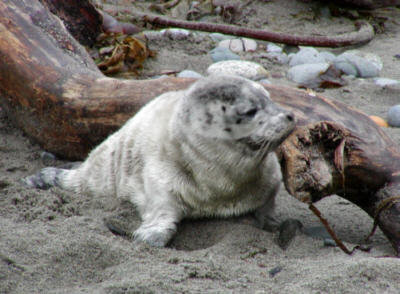
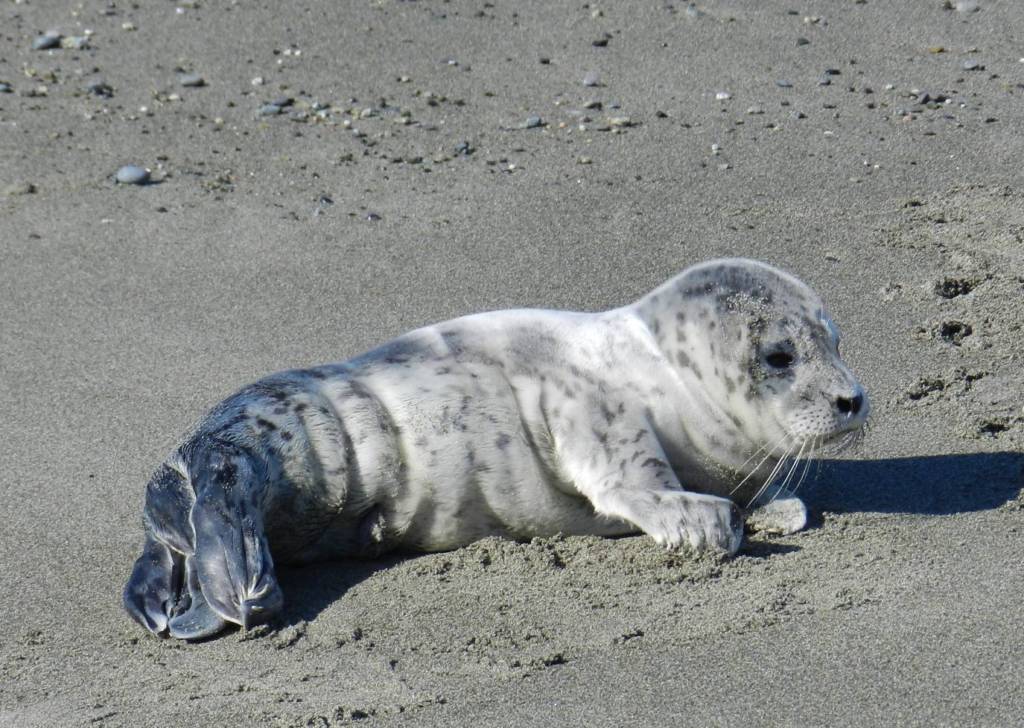
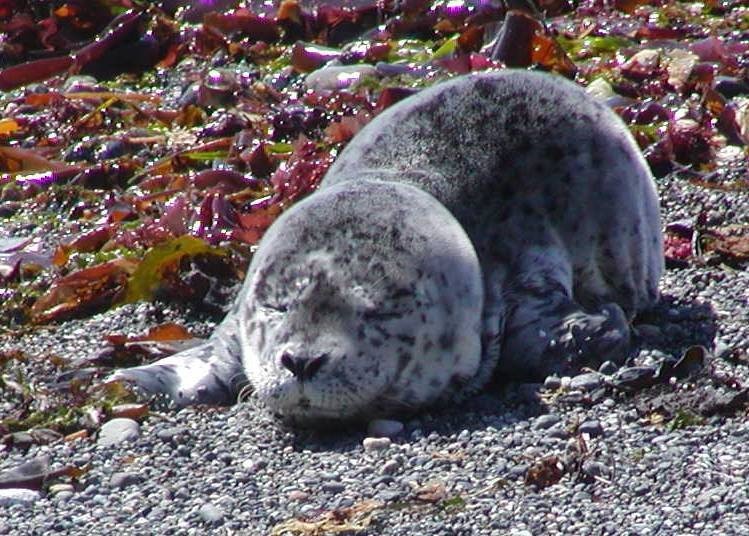
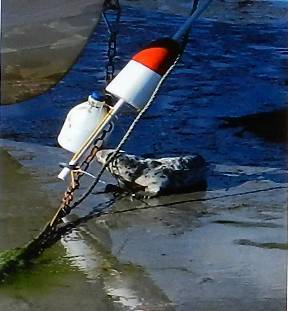
We are in the middle of harbor seal pupping season in Central Puget Sound, and all around the Salish Sea. In comparing the number of calls received in previous years, it appears that we are consistent with an average of about 90 reports by this time through July. The phone calls and e mail reports are flooding in and we still have another several weeks until pups are weaned and strong enough to be on their own.
During these summer months it is a continuing effort to educate new residents and the thousands of tourists who have never seen a seal pup on the beach and are concerned about its welfare. We hand out flyers, write newspaper articles, share posts on social media and give talks on how to share the shore with seal pups and other marine mammals. Rule #1: leave it alone!
Observe and take photos from afar. The beach is mom’s nursery for her baby while she is out at sea finding food so she can nurse the pup when she returns. This is normal behavior, and humans approaching too closely may disturb the pup and/or prevent the mom from returning, as adult seals are shy of people and often moms will usually wait until people leave the beach before returning to her pup.
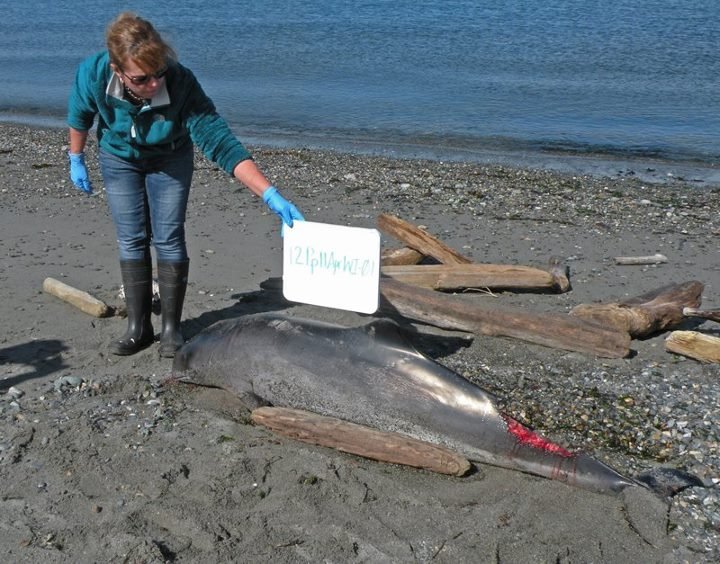
What can we learn from a Harbor porpoise necropsy? or, More Porpoise Problems...
Last quarter we told you about a harbor porpoise that died of a suspected fungal infection. So far, tests have not been able to identify the causative agent, so more sophisticated, specific and costly tests will have to be employed to get the answers we need.
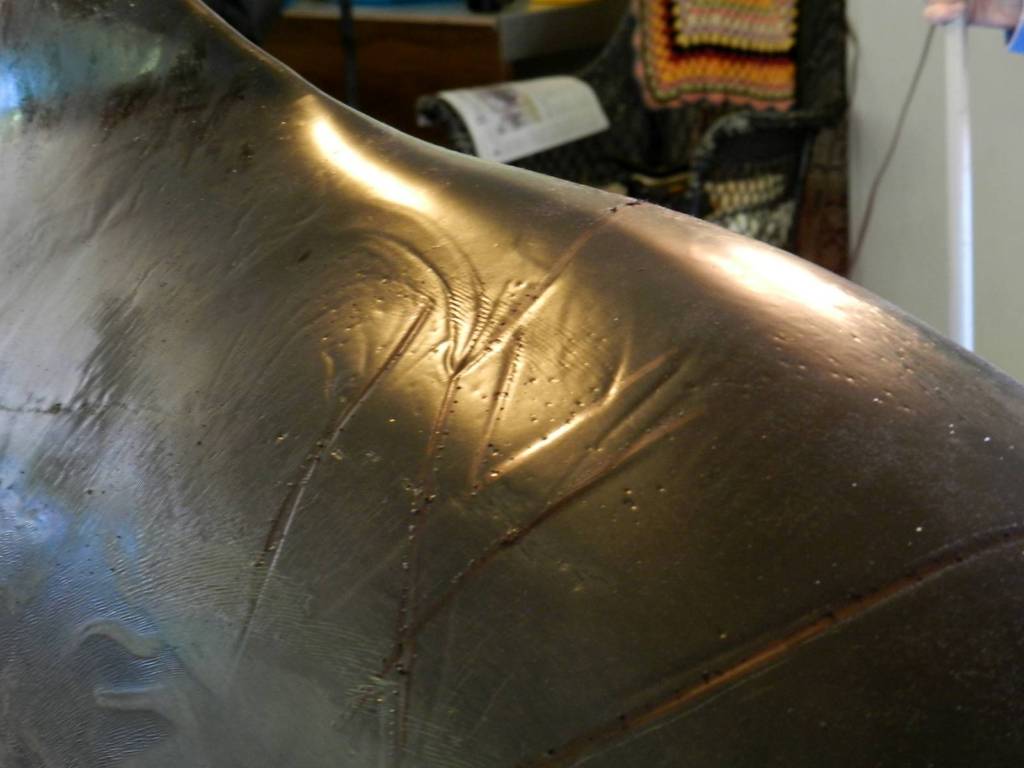
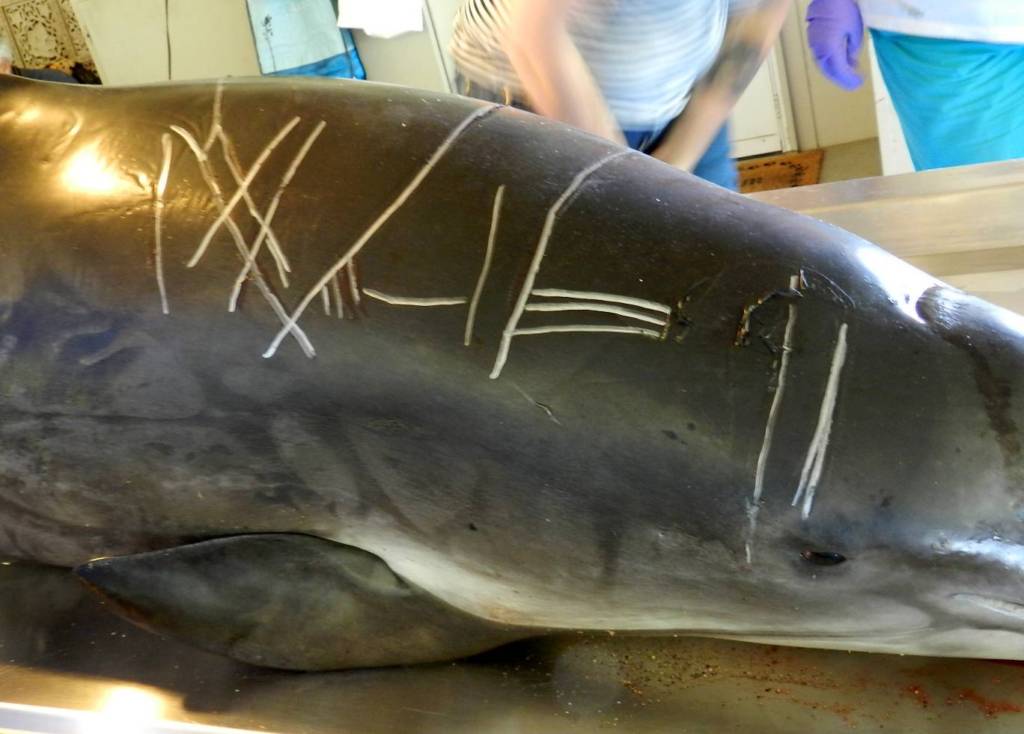
A more recent necropsy on a harbor porpoise showed evidence of human interaction, specifically a fisheries interaction. There were several lines and grooves in the skin indicating that the animal had at some time been caught in a fishing net. However, contributing to the demise of the animal was also a massive infection in his thoracic cavity suspected to be caused by a fungus or bacterium, so entanglement may have actually been a blessing for this unfortunate porpoise who was in very poor health.
A second adult male harbor porpoise had a large number of growths in the lungs and most of his left kidney was displaced by a huge nodular mass. The causative agent(s) are still to be identified, and further testing is ongoing.
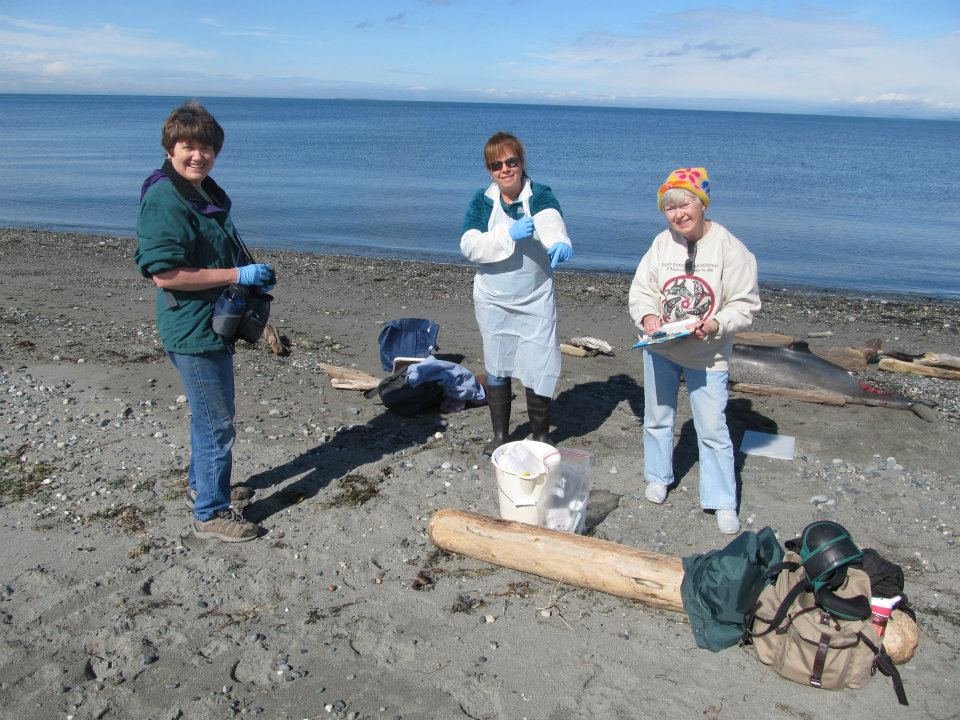
Often we have to submit multiple samples to different labs, for a variety of tests, to try to solve the mystery of what caused a marine mammal's death. New, emerging diseases and pathogens are being identified, and the tests conducted provide data important to all marine mammal species. Thanks to your support, we are fortunate to work with Stephanie Norman, DVM, MS, PhD as our Marine Mammal Vet. Stephanie is not only an amazing veterinarian and source of knowledge, she is an excellent and patient teacher, teaching our staff and volunteers how to conduct a necropsy, collect samples, and attempt to determine cause of death for the stranded marine mammals we respond to.
We are so appreciative of your support in helping us to identify what is killing these beautiful animals and sickening their ocean home, and often, the condition of these animals and their ocean habitat is a reflection of our own human population and the threats we are facing as well.
Thanks again for your ongoing support, to help us through each seal pup season, each necropsy, stranding response and educational activity, all on behalf of the beautiful beings of the Salish Sea. We could not do it without your help!
Links:
Project reports on GlobalGiving are posted directly to globalgiving.org by Project Leaders as they are completed, generally every 3-4 months. To protect the integrity of these documents, GlobalGiving does not alter them; therefore you may find some language or formatting issues.
If you donate to this project or have donated to this project, you can receive an email when this project posts a report. You can also subscribe for reports without donating.