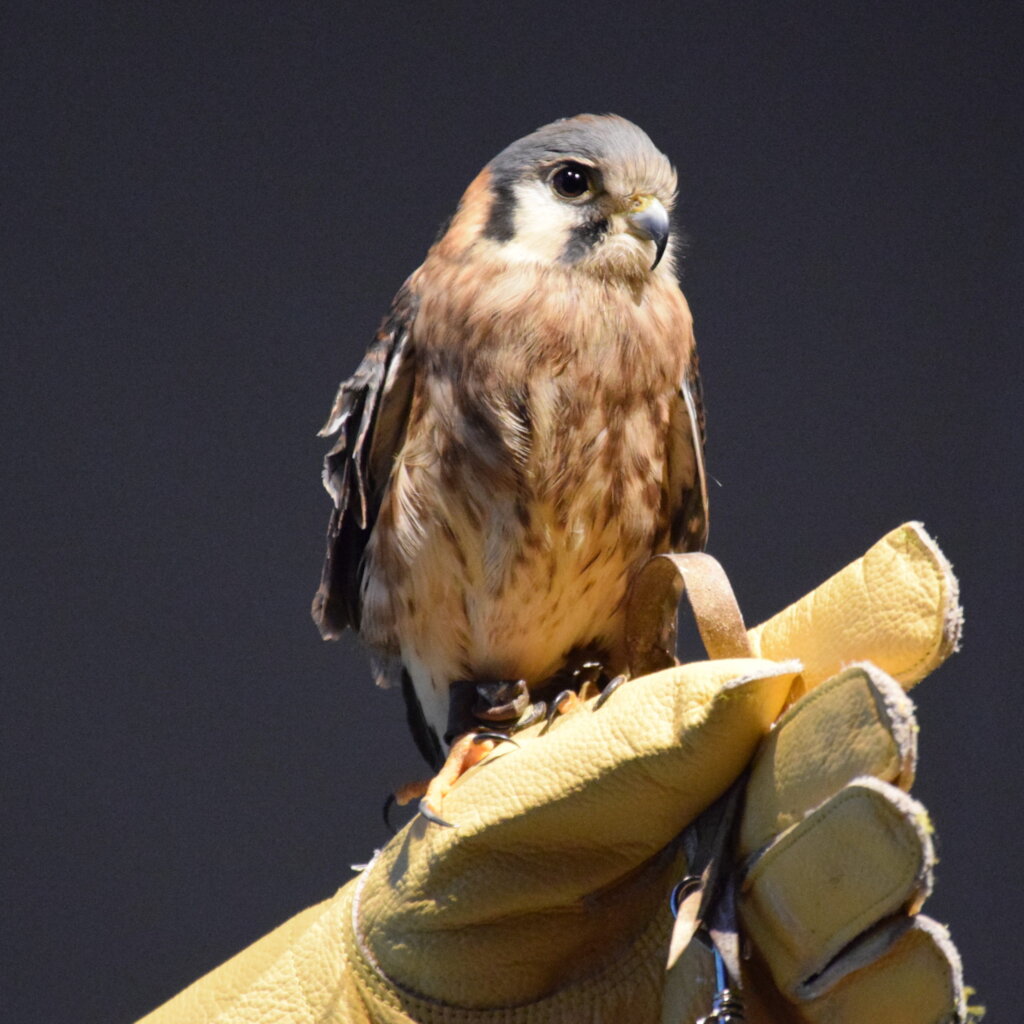
![American Kestrel]()
American Kestrel
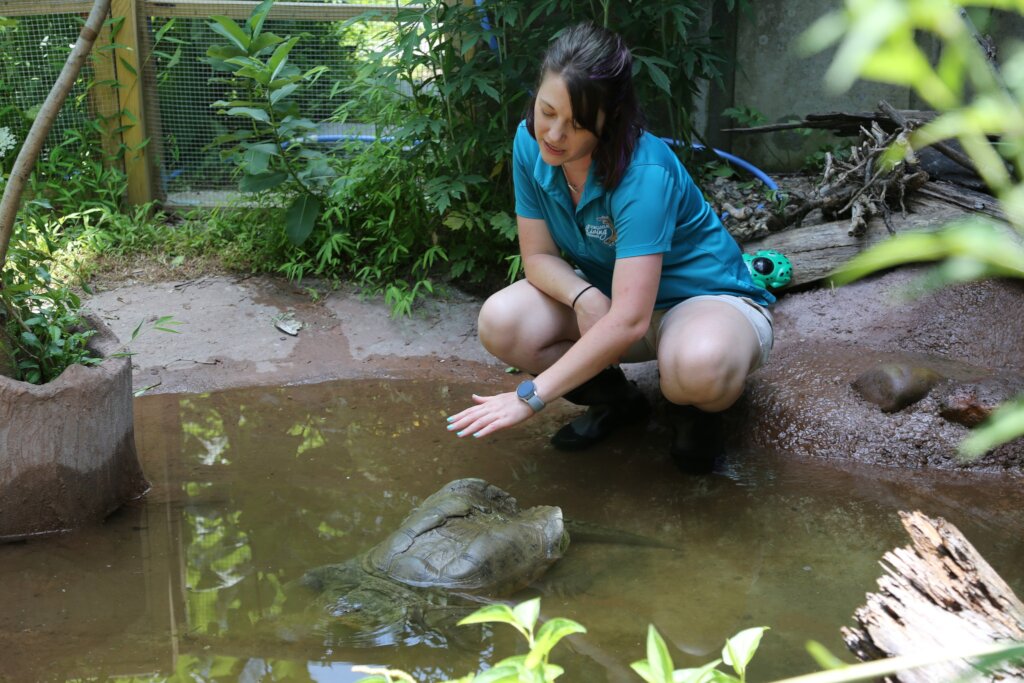
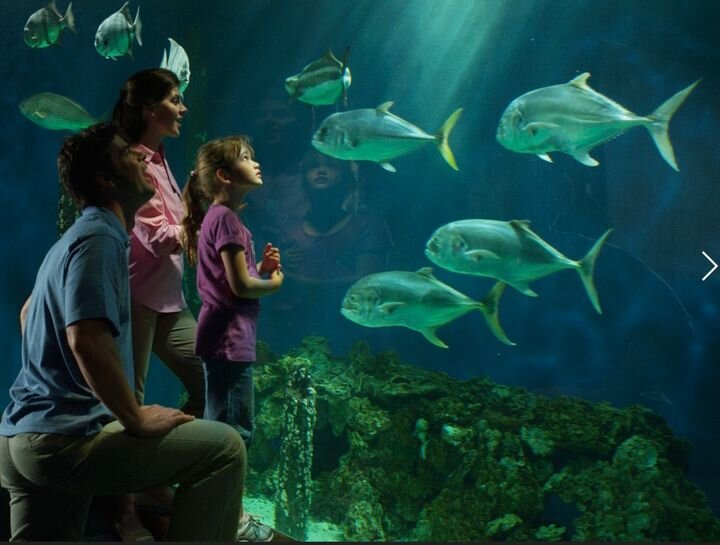
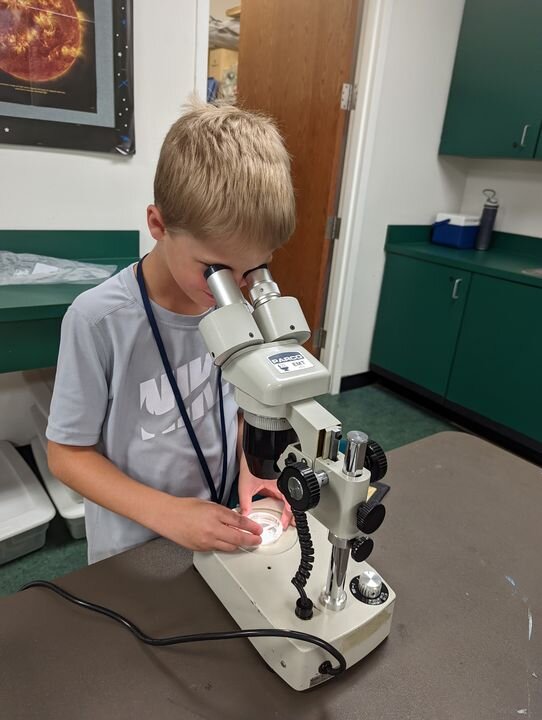
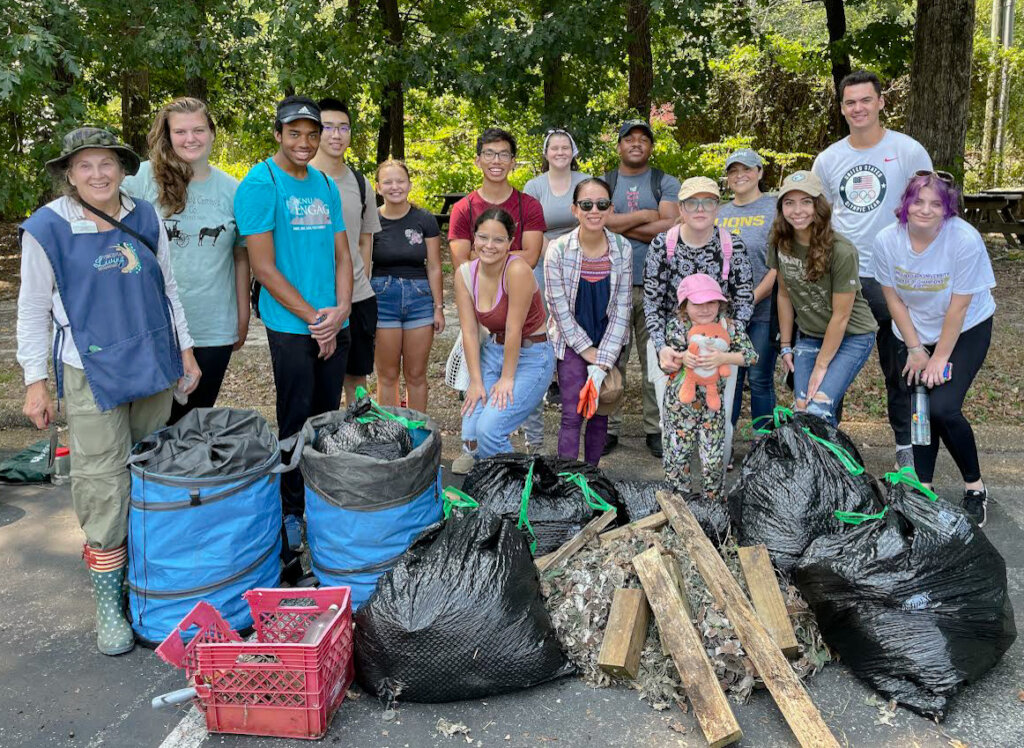
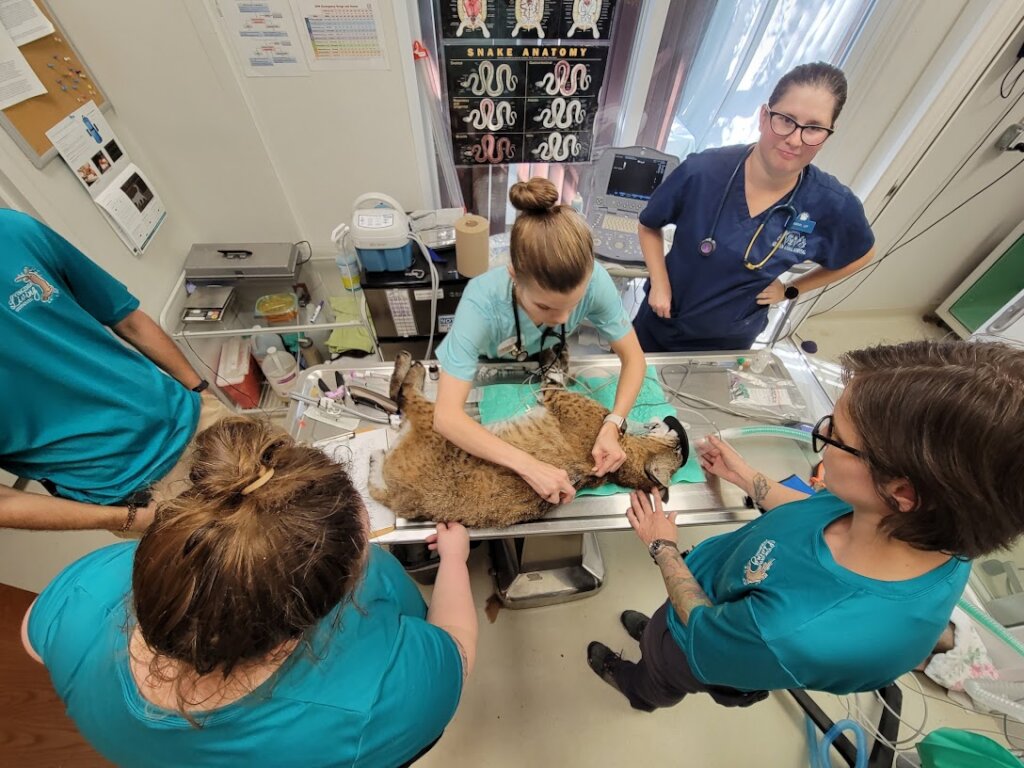
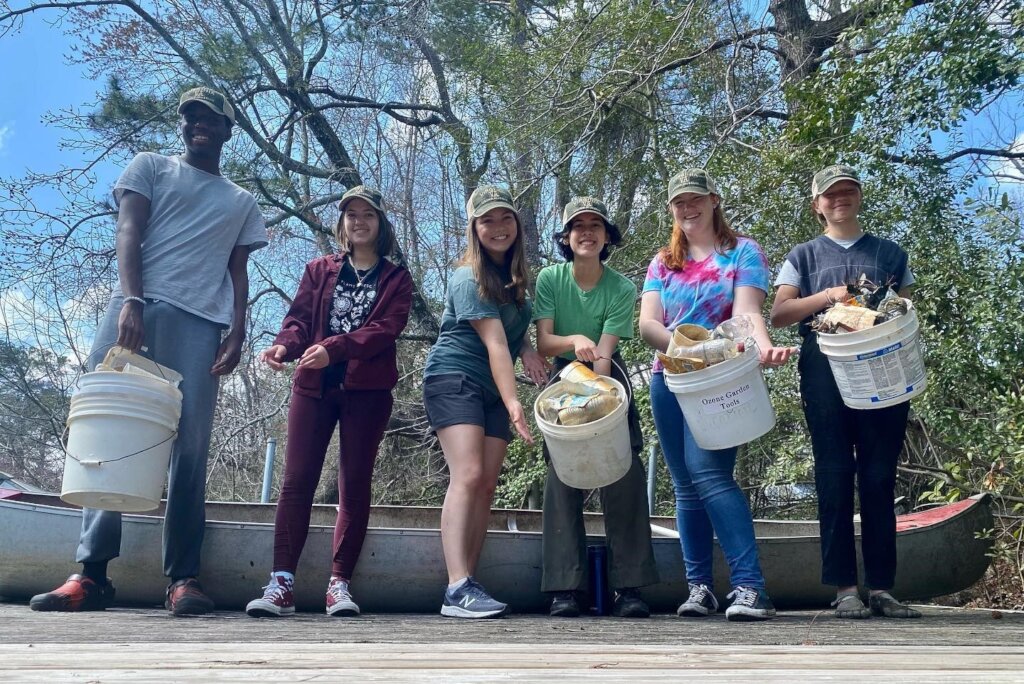
Summer is a busy time at the Virginia Living Museum! Children with their families stroll the outdoor boardwalk, aviary, and dynamic indoor living exhibits. Volunteers join staff to clean up the Museum's forested and wetland grounds and monitor wildlife. Community members of all ages enjoy planetarium shows and evening star gazing. Students in summer enrichment camps enjoy nature discovery, learning about the many species of birds, mammals, reptiles, amphibians, insects, fish, and plants native to Virginia. The Museum's animal care staff works hard to ensure the needs of all creatures big and small are met, and that they receive physical and cognitive stimulation and enrichment to lead their healthiest lives.
Birds:
Resident American Kestrel, Sugar, participated in her favorite type of enrichment – exploration with bubbles!. Her favorite part is watching the bubbles fall. The American kestrel is North America’s smallest raptor. Fun fact: Kestrels can be seen “kiting” or hovering in the air over potential prey.
Reptiles:
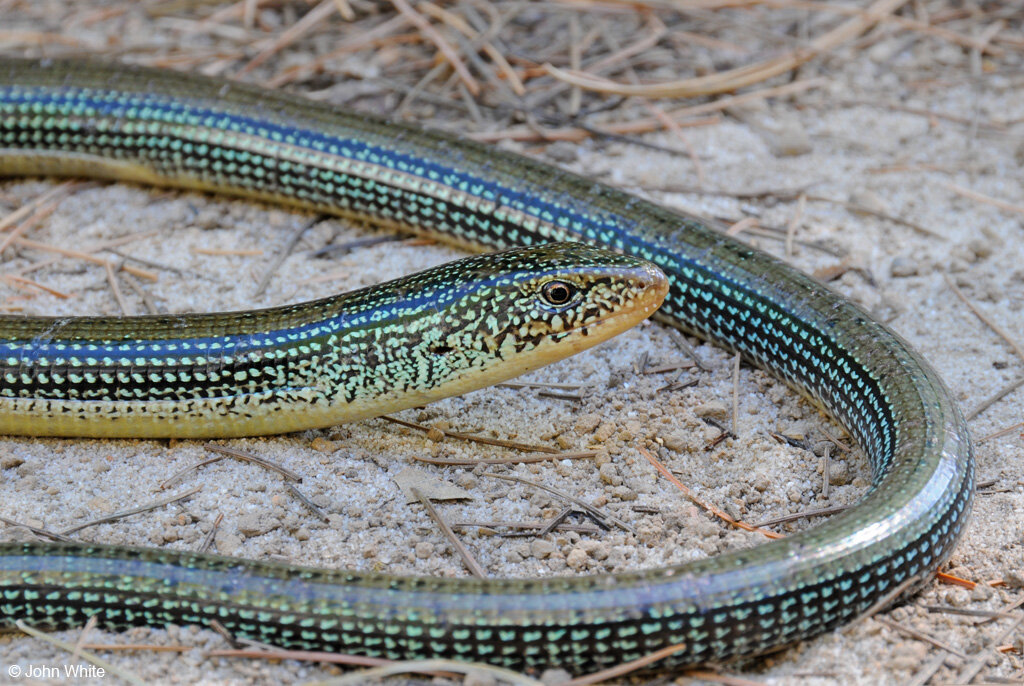
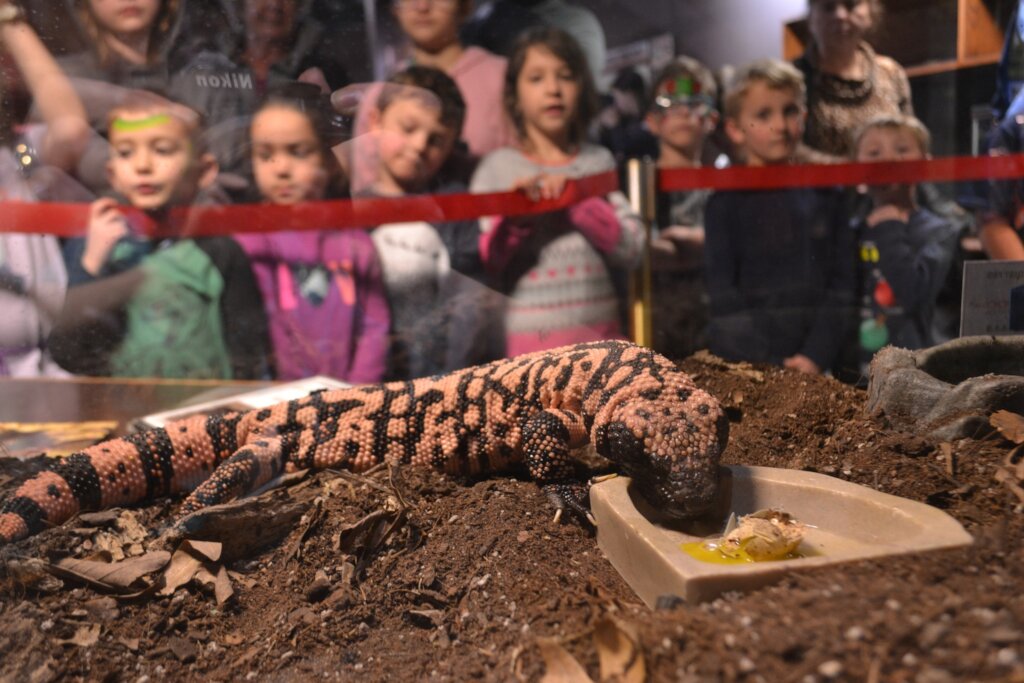
Puzzle bowls aren't only for dogs! The lizards on exhibit at the Museum use puzzle bowls for foraging behaviors. Foraging behavior includes all the methods by which a living creature obtains and uses sources of energy and nutrients. This includes the location and consumption of resources, as well as their retrieval and storage, within their habitat.
The Museum's resident Yellow Bellied Sliders, Daffodil & Buttercup, have been working with their keepers on basket feed training. Teaching them to enter a basket during feeding time allows the turtles to eat without the harassment of their fellow habitat neighbors (the hungry fish). Yellow Bellied Sliders are a large freshwater turtle reaching a maximum carapace length of 11.4 inches in the U.S. The carapace (upper shell) is oval, weakly keeled, and olive to brown with yellow markings. Old individuals may be completely black.
Mammals:
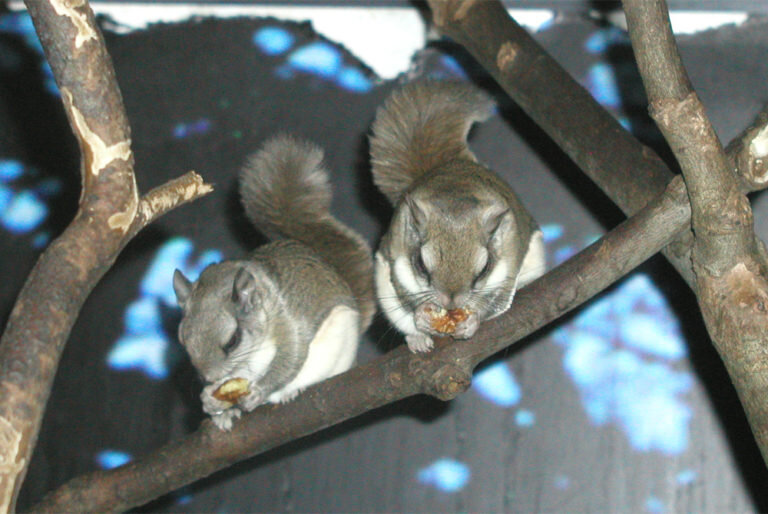
The Museum's spirited flying squirrels enjoy enrichment items like pine cones and cardboard boxes. The flying squirrel is one of four different types of squirrels found in Virginia. Squirrels are members of the rodent family, which includes beavers, chipmunks, mice and rats. Flying squirrels have a velvety coat of grayish-brown fur, big brown eyes and a pearly-white belly. When they are born they are hairless, blind and completely dependent on their mothers for care.
The flying squirrel is found throughout most of the United States. Unlike the other types of squirrels, the flying squirrel is nocturnal, meaning it is mostly active during the night. Its keen eyesight, hearing, smell and agility allow it to act quickly and stealthily in the dark. It gets its name from its ability to soar through the air. A loose flap of skin on either side of its body connects from its fore leg to its hind leg. This feature allows the squirrel to create an airfoil and travel faster without ever touching the ground. When moving from one tree to the next the flying squirrel jumps off of a branch, stretches out its legs, and glides towards its destination. The squirrel steers by using its tail as a rudder. Flying squirrels can sail up to 40 yards in a downward direction!
Your generous donation supports animal welfare, healthy diets, habitat, veterinary care, and individualized enrichment for hundreds of animals on exhibit. On behalf of all of us at the Virginia Living Museum -- thank you!
![Lizards]()
Lizards
![Yellow Bellied Slider Turtles]()
Yellow Bellied Slider Turtles
![Flying Squirrels 1]()
Flying Squirrels 1
![Flying Squirrels 2]()
Flying Squirrels 2
Links: