By Barbara Andersen | Chief Strategy Officer
Long Term Recovery Processes
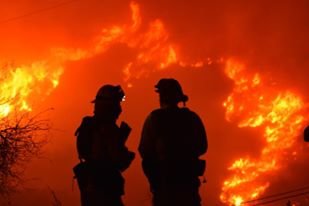
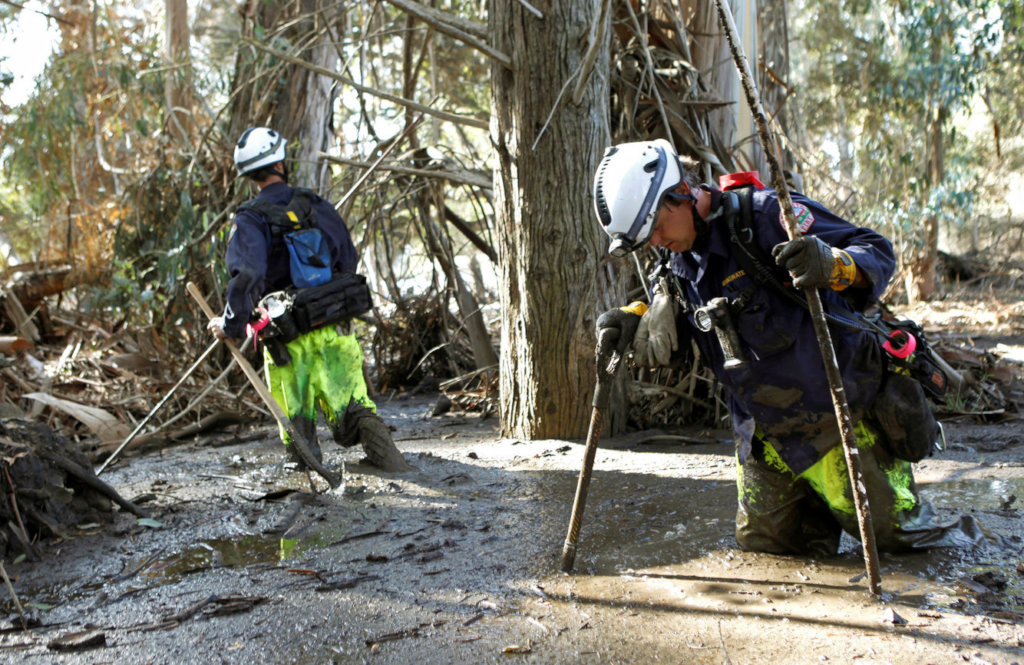
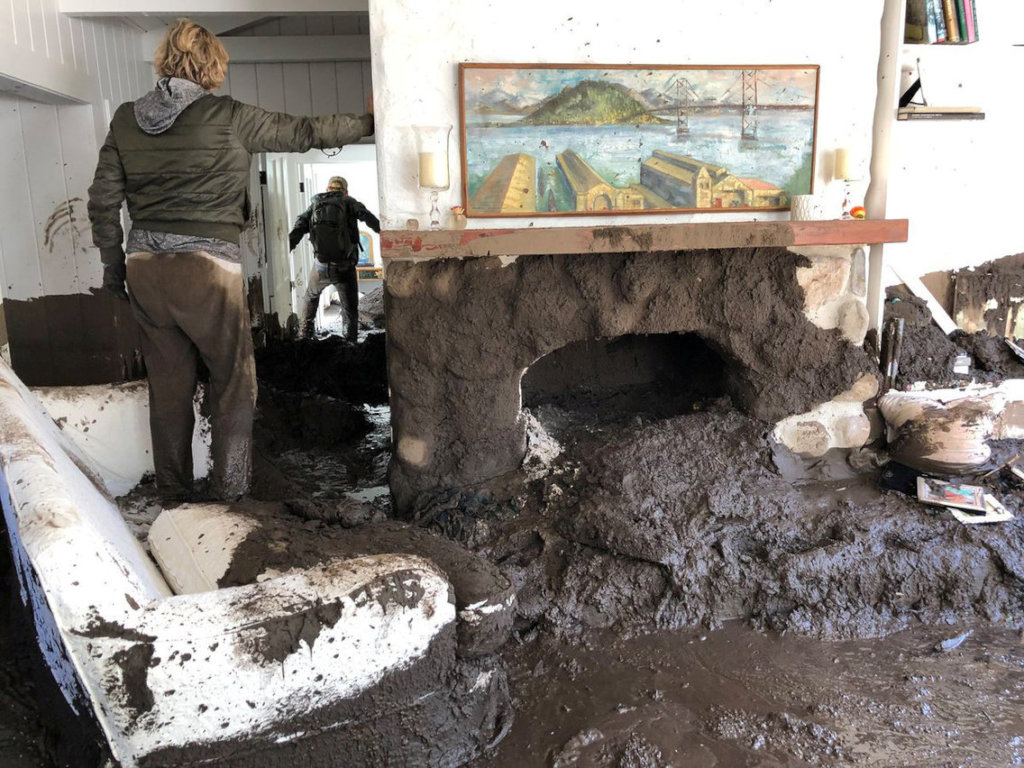
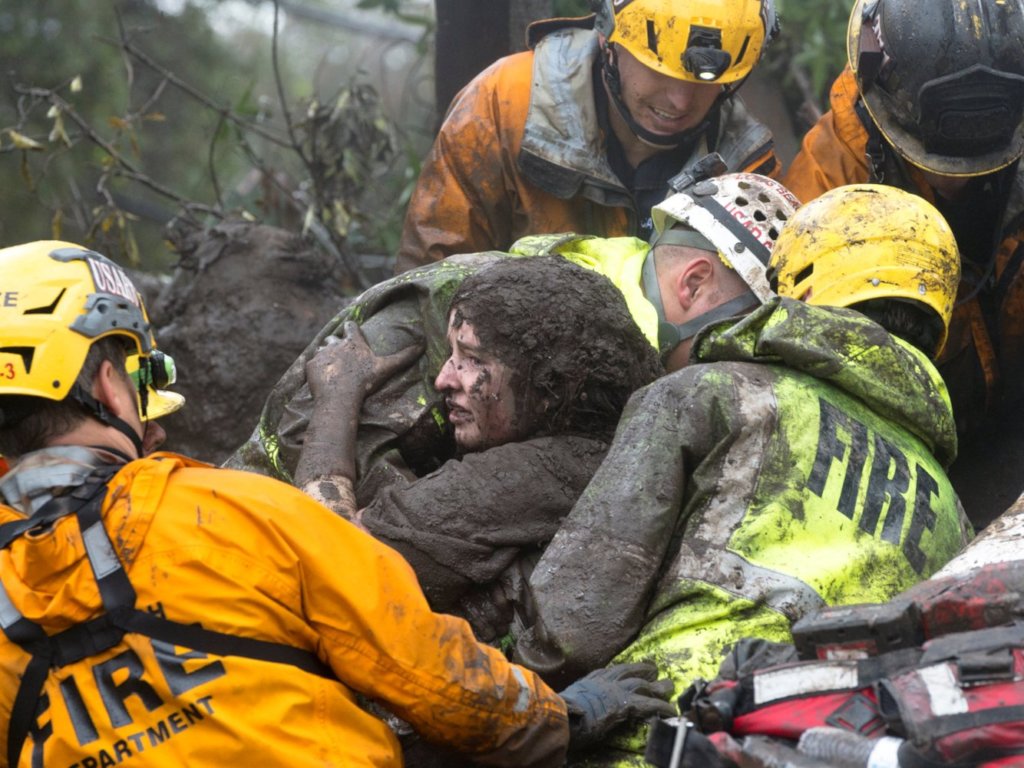
The one-year anniversary of the Thomas Fire and 1/9 Debris Flow has recently passed – commemorated by many ceremonies including a candlelight vigil honoring the 23 lives lost on that day. Our community is still dealing with the trauma and anxiety of the disasters that impacted southern Santa Barbara County as well as the stress and fatigue that come with each new evacuation order (given the frequency and severity of rainstorms this winter season). Fortunately, after more than a year, we are formally beginning the reconstruction phase of this disaster with many homeowners being able to work through their grief with the hope of rebuilding their home or settling with the finality of the decision to sell/move or relocate.
Given these circumstances, the Community Long Term Recovery Group (CLTRG) is focusing its support on the disaster survivors that have yet to return to their pre-disaster level of income or are adjusting altogether to a new reality. This includes a wide range of financial support from paying off the debt to a tow company for removal of their car from the mud to first and last’s month rent for a new apartment. The Santa Barbara Foundation is coordinating with the CLTRG to facilitate additional financial support as well as create or refine systems and processes to support disaster case management this year and in future emergencies and disasters.
The CLTRG is finalizing a draft Memorandum of Understanding (MOU) with the Salvation Army to the lead organization for disaster case management for Santa Barbara County. This will include a grant award of $125,000 from the Santa Barbara Foundation to retain trained professionals to facilitate this process for 2019 as well as to the Salvation Army to manage this increased level of capacity and expertise. Additionally, the Santa Barbara Foundation will be executing a grant to the United Way of Santa Barbara (as fiscal agent of the CLTRG) for $150,000 to support the unmet financial needs of disasters survivors. We believe that this is a strong partnership to address our needs as a community this year as well as moving forward.
Community Disaster Relief Fund – Phase II Distribution
The Santa Barbara Foundation launched the grant application process for the Community Disaster Relief Fund’s second phase distribution in January with a deadline of February 25, 2019. We prioritized the following activities related to long-term disaster recovery efforts (as mentioned in our Q2 evaluation report):
Given that we are anticipating future weather-related emergencies and disasters in our region, funding opportunities were also available for disaster mitigation and preparedness projects and programs including, but not limited to, the following:
The Foundation received seventeen applications that we are currently vetting (a total of $425,000). Approximately 50% of them are related to recovery efforts and the other 50% are related to mitigation and preparedness activities. A Grants Committee is helping the Foundation review applications and provide recommendations to the Board of Trustees and includes representatives from the impacted local jurisdictions (Carpinteria and Santa Barbara) as well as key partner organizations such as the United Way of Santa Barbara, Aware & Prepare Initiative and Santa Barbara County Voluntary Organizations Active in Disaster.
We look forward to reporting back to GlobalGiving regarding the approved funding opportunities as well as the learning from our disaster case management processes. The Foundation is also sharing lessons learned with our colleagues throughout California with the League of California Community Foundations and the nation through the Center for Disaster Philanthropy.
For more specific information in regards to our investments in preparedness and the impact that they had on our ability to respond to these recent disasters, we recommend the following article. https://www.independent.com/news/2018/dec/06/climate-extremes-new-norm/.
Project reports on GlobalGiving are posted directly to globalgiving.org by Project Leaders as they are completed, generally every 3-4 months. To protect the integrity of these documents, GlobalGiving does not alter them; therefore you may find some language or formatting issues.
If you donate to this project or have donated to this project, you can receive an email when this project posts a report. You can also subscribe for reports without donating.