By Rubayi Estes | Director, Evaluation and Learning
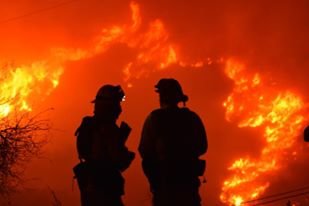
Thank you for your contribution to the Santa Barbara Foundation for the Community Disaster Relief Fund (CDRF) for a one year grant for a total of $100,000 in March 2018. In our last report we shared the applciation of $75,000 for our initial grantmaking immediately after the Thomas Fire (December 2018-January 2019) and the subsequent 1/9 Debris Flow. The purpose of this report is to provide a brief update on our activities since and also to share how we intend to apply the remaning $25,000 in our second Community Disaster Relief Fund (CDRF) cylce to be awarded in February 2019.
Community Disaster Relief Fund Description
The Community Disaster Relief Fund’s focus on long-term assistance is unusual. The fund builds on partnerships nurtured over the last 10 years as part of the Aware & Prepare Initiative, a countywide collaboration to strengthen emergency readiness. The Santa Barbara Foundation is also a member of the Community Long Term Recovery Group (CLTRG), which identifies individuals and families that will need sustained support because government assistance is insufficient to address all of their needs. The CLTRG meets frequently to coordinate with nonprofit organizations and government agencies.
Coordination in Grantmaking
January 2018
Hutton Parker Foundation decided to suspend its 2018 Core Support Grant program and replace it with a Quick Response Crisis Grant program. An initial $1 million was designated to support this special initiative. The Santa Barbara Foundation received the full list of grant award recipients to complement as needed and avoid duplication if necessary.
February 2018
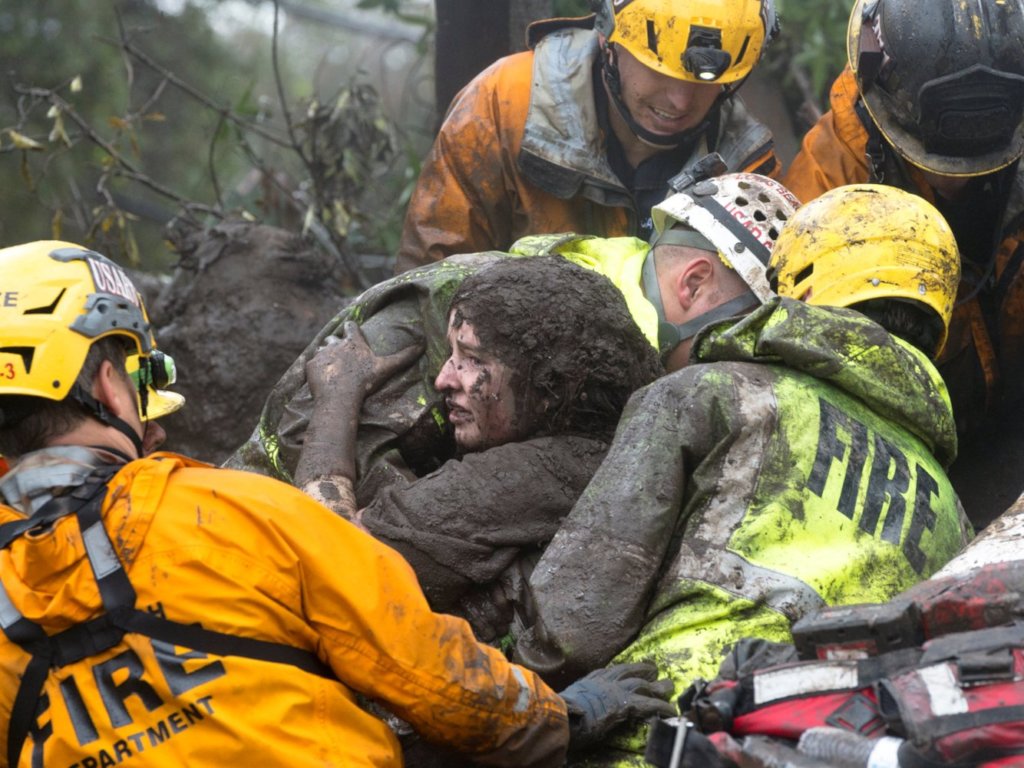
Direct Relief committed funds from the 1/9 Victims Fund, which the organization established to direct financial assistance to persons who lost family members, sustained injuries requiring hospitalization, or were residents of affected areas and experienced property or financial losses as a result of the January 9, 2018 debris flow in Montecito.
March 2018
The Santa Barbara Foundation’s constant communications with partnering agencies informed our initial distribution to organizations “on the ground” providing immediate assistance and who will be there during long-term recovery operations. Therefore, our initial distribution of funds were by invitation to specific organizations. These organizations have also been identified by our local Santa Barbara County Organizations Active in Disaster (SBC VOAD) and include both national level and community-based organizations. To help make final grant decisions the following community leaders served on the CDRF Grants Committee:
April 2018
United Way of Santa Barbara County announced seven grant awards totaling $335,000 to support Thomas Fire and flood recovery. These funds were delivered in partnership with the United Way of Greater Los Angeles, which has established a Southern California Wildfire and Flood Fund.
July 2019
United Way of Santa Barbara County (UWSBC) distributed to the community 100 percent of the United Way Thomas Fire and Flood Fund donations allocated to Santa Barbara County. Phase 2 funds ($812,659) went to assist 421 households representing more than 1,200 Santa Barbara County residents. Individuals who were eligible for assistance included next of kin for individuals who lost their lives, those who suffered damage or total loss of their primary residence and/or personal property, and people who were unable to work during or after the Thomas Fire or debris flow.
December 2018
The Santa Barbara Foundation is planning for another distribution of funds. This will be an open (responsive) application process available through our standard grant application processes that will start in December 2018 with an anticipated grant award distribution in early 2019. The Foundation will continue to raise funds in the months and years ahead in support of longer term recovery efforts.
Collectively Served (Q2 2018 only)
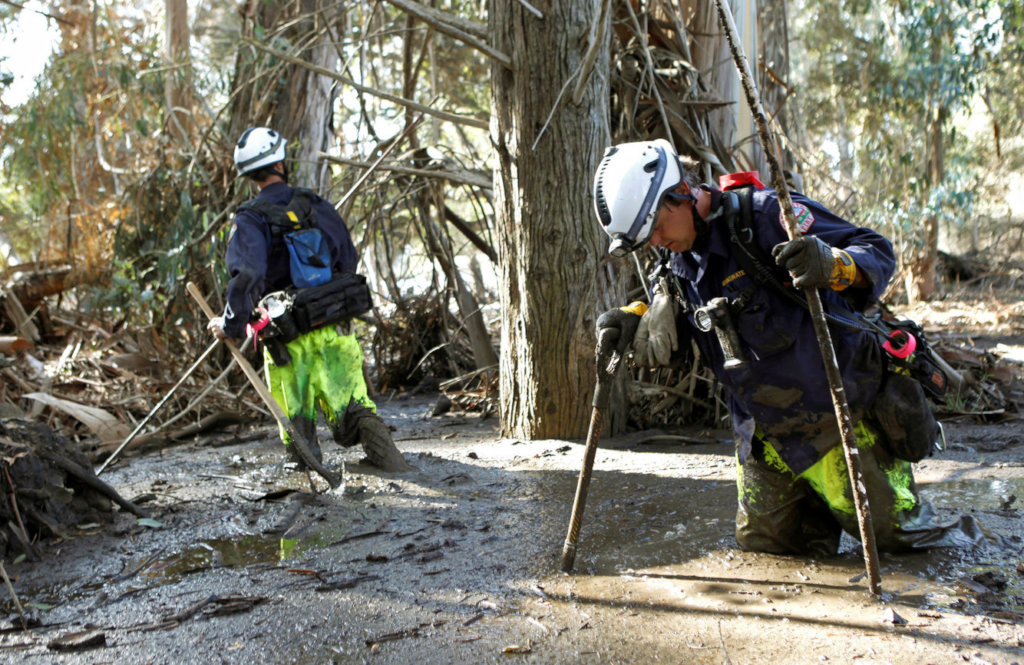
Community Long Term Recovery Group and its thirty (30) member organizations and agencies have been working to support Santa Barbara County and its residents impacted by the Thomas Fire and 1/9 Debris Flow since late January. The following accomplishments are the result of a coordinated effort among community and organizational leaders as well as passionate and dedicated volunteers.
Total Volunteers: 1,573
Total Volunteer Hours Committed: 41,138
Individuals and Households Supported through Case Management Services: 575
Individuals Supported through Psychological First Aid and Mental Health/Wellness: 5,800 +
Relief Items/Supplies Provided to Individuals and Households: 23,128
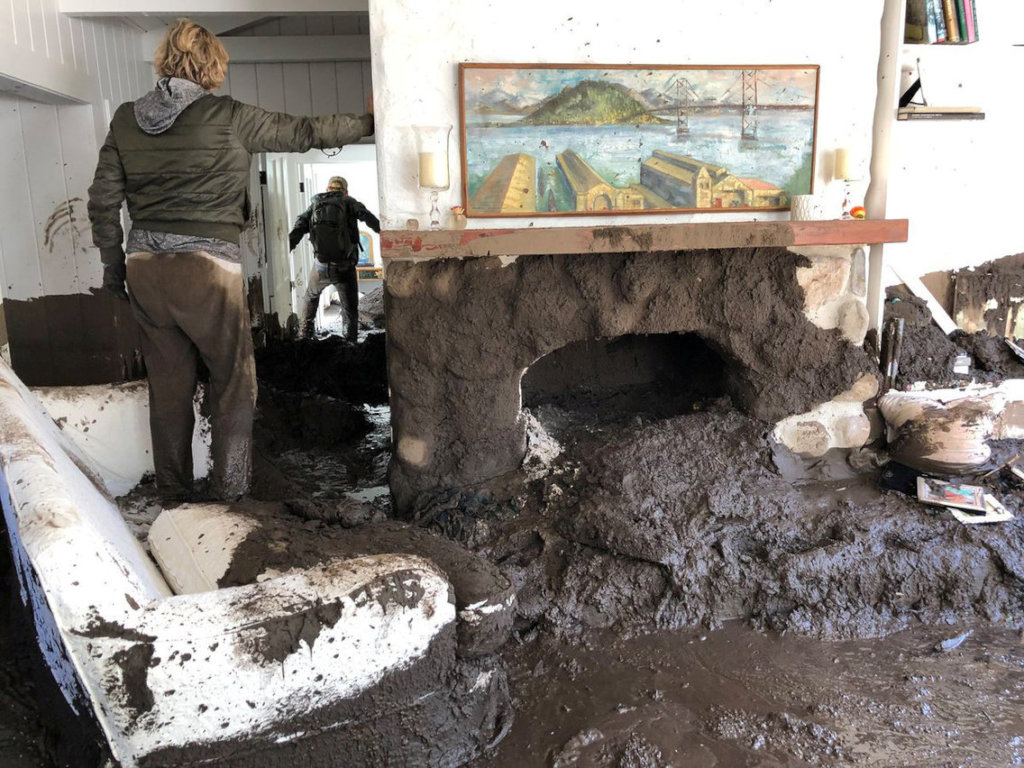
Debris and Structural Repair Needs Met: 87
Long-Term Recovery Needs
The long-term recovery process currently places our community in what is known as the “disillusionment” phase (Figure 1). “During the disillusionment phase, communities and individuals realize the limits of disaster assistance. As optimism turns to discouragement and stress continues to take a toll, negative reactions, such as physical exhaustion or substance use, may begin to surface. The increasing gap between need and assistance leads to feelings of abandonment. Especially as the larger community returns to business as usual, there may be an increased demand for services, as individuals and communities become ready to accept support. The disillusionment phase can last months and even years. It is often extended by one or more trigger events, usually including the anniversary of the disaster.” (DeWolfe, D. J., 2000. Training manual for mental health and human service workers in major disasters (2nd ed., HHS Publication No. ADM 90-538). Rockville, MD: U.S. Department of Health and Human Services.)
Nine (9) months post-disaster, we have identified three (3) areas of need:
1. Rebuilding and Reconstruction
Support the rebuilding process. Provide access to resources for low- to moderate- income families and guidance on the rebuilding process or vulnerable families displaced by the disaster.
2. Unmet Financial Support
The Foundation recently collaborated with other local agencies and volunteers to provide financial literacy for families who received funds, but need support managing them and rebuilding their lives. Financial impact to individuals is realized over time – they may be able to get through the first six months, but then are not able to make ends meet after that time. As insurance, FEMA, Small Business Loans, and grants were distributed in the second quarter of the year and case management was well underway, these needs will be collectively identified through the Long Term Recovery Group and executed in partnership with the Santa Barbara Foundation.
3. Spiritual and Emotional Care
A need identified in the early stages post-disaster from experiences at the Local Assistance Center, recent case management, reports from schools and the lack of equitable access to culturally appropriate tools and resources, has led to the prioritizing of this need at this stage post-disaster. Long-term counseling involves intensive outpatient program, individual/family group counseling, and spiritual care.
Organizational and Business Resilience
Local organizations providing direct support to those displaced or otherwise harmed by disasters have been stretched very far by our recent fires, flooding, and debris flow. Significant financial impact is also being felt by our small businesses. Below are the results of Women’s Economic Venture’s (WEV) latest disaster survey – it provides some helpful data about what their clients have been experiencing over the past 9 months. WEV is continuing to see a need for working capital, as well as marketing and financial expertise. The Foundation would like to see support for nonprofit clients who are directly involved in medium and long-term recovery efforts of the December 2018- January 2019 Thomas Fire and the consequent 1/9 Debris Flow. Displacement and loss of employment in the “gig” industry affects many of our vulnerable community members who are sole-proprietors or small business owners in the service industry (Figure 2).
Proposed Granting of Any New Funds
The Santa Barbara Foundation’s new strategic direction includes refocusing all of its responsive grant programs to prioritize vulnerable communities. This will be reflected in the next cycle of the Community Disaster Relief Fund (CDRF). Requests for proposals will be launched in December 2018 for award in early 2019. We intend to use the remaining $25,000 from GlobalGiving to support the second cycle withing the following areas:
The guidelines for the Community Disaster Relief Grants (CDRF) – Cycle 2 will iterate the following priority areas:
Rebuilding and Reconstruction ($100,000)
Unmet Financial Support ($100,000)
Spiritual and Emotional Care ($50,000)
The rigor in our partner engagement and consistent support for services for vulnerable populations would not have been possible without donors like you. We are grateful for your support and look forward to working and learning together.
Thank you.
Project reports on GlobalGiving are posted directly to globalgiving.org by Project Leaders as they are completed, generally every 3-4 months. To protect the integrity of these documents, GlobalGiving does not alter them; therefore you may find some language or formatting issues.
If you donate to this project or have donated to this project, you can receive an email when this project posts a report. You can also subscribe for reports without donating.