By Elysee Nibitanga | Executive Director
What started as a vision to improve how vulnerable children and families are identified and supported in Burundi is now becoming a practical digital system.
Walking in Grace for Lifelong Impact (WiGLI) has made significant progress in developing and testing the Burundi Digital Child & Family Resilience System (IHARIS-CFR- Integrated Humanitarian Assistance and Resilience Information System – Child & Family Resilience), a digital approach designed to help ensure that vulnerable children are identified, understood, connected to appropriate support, and followed over time.
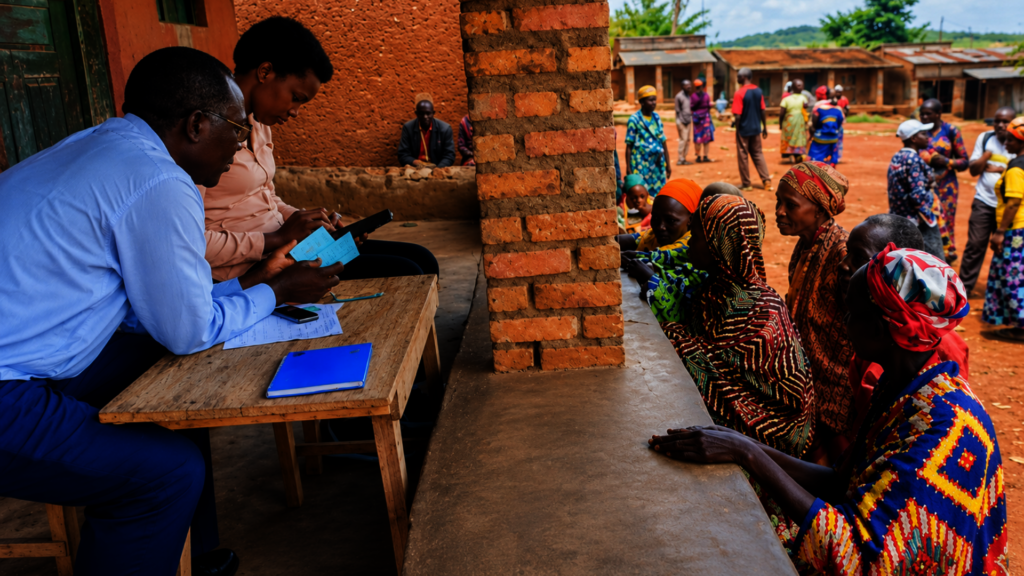
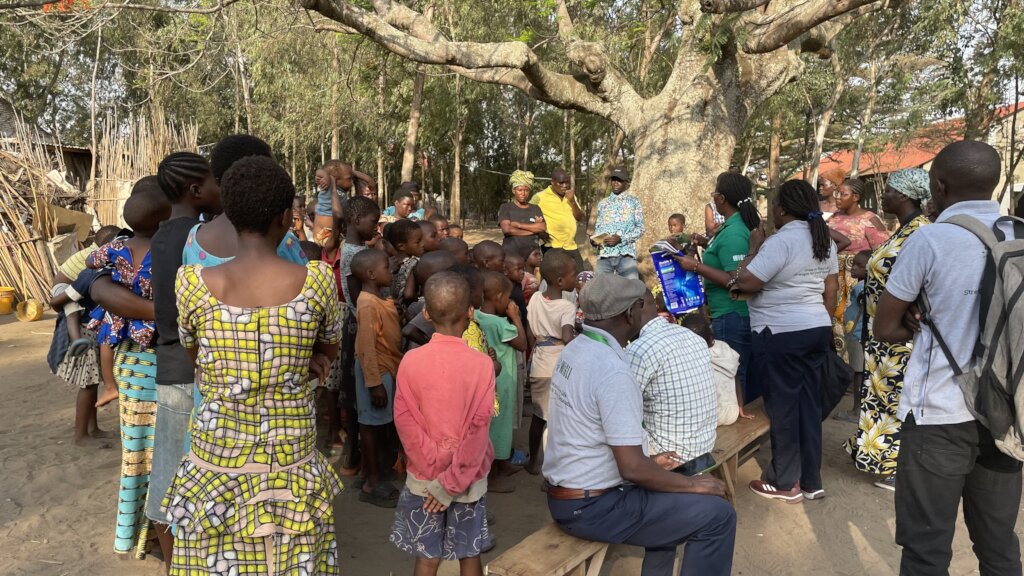
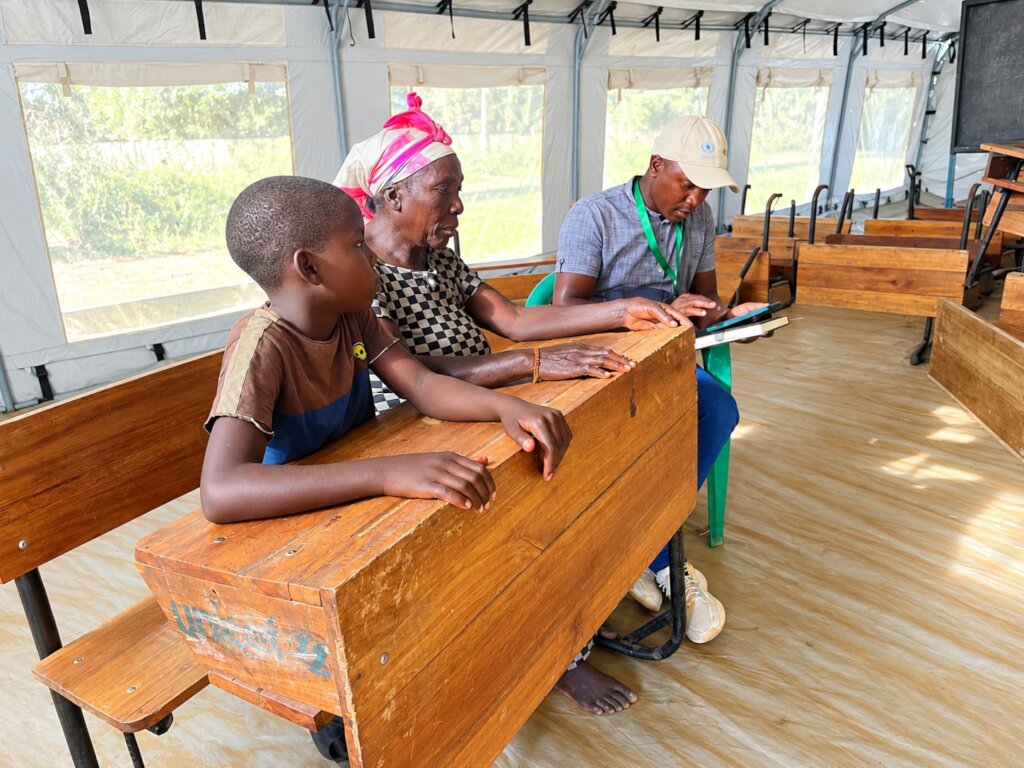
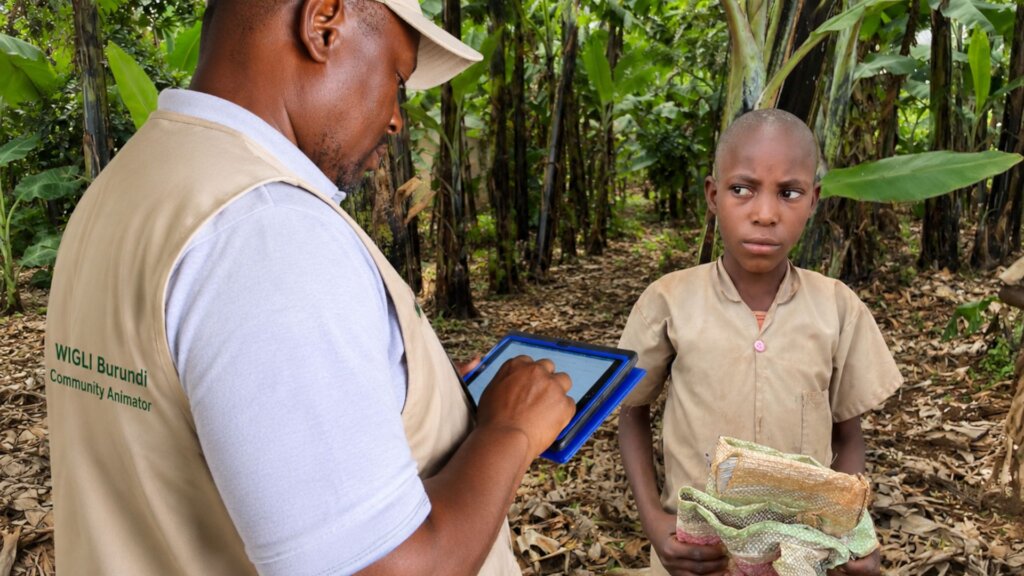
As part of the initial field implementation, WiGLI designed and developed digital KoboToolbox data-collection tools and connected them to the IHARIS-CFR system. The tools were tested and piloted in the field, allowing the team to learn from real implementation and strengthen the system before expanding it.
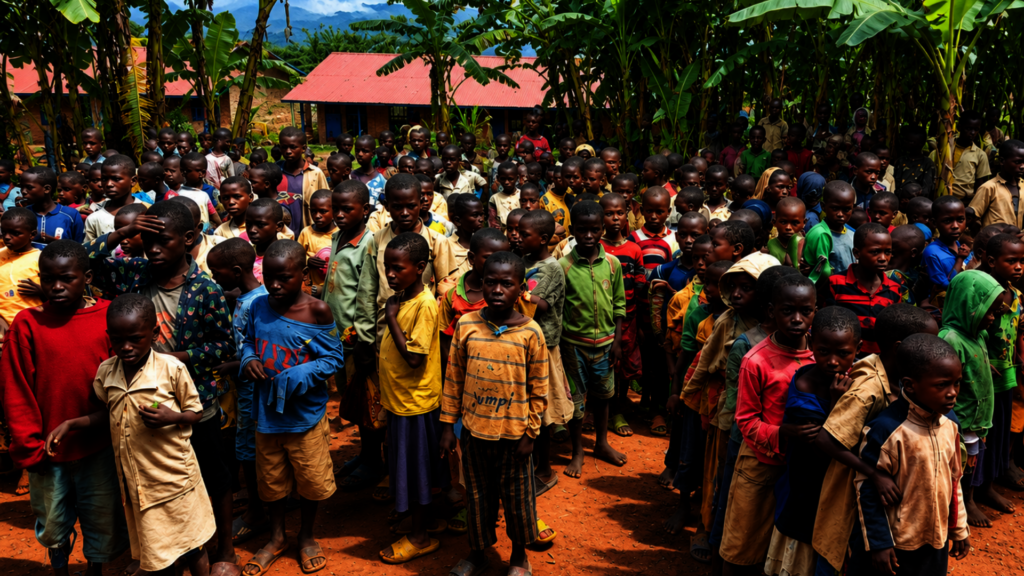
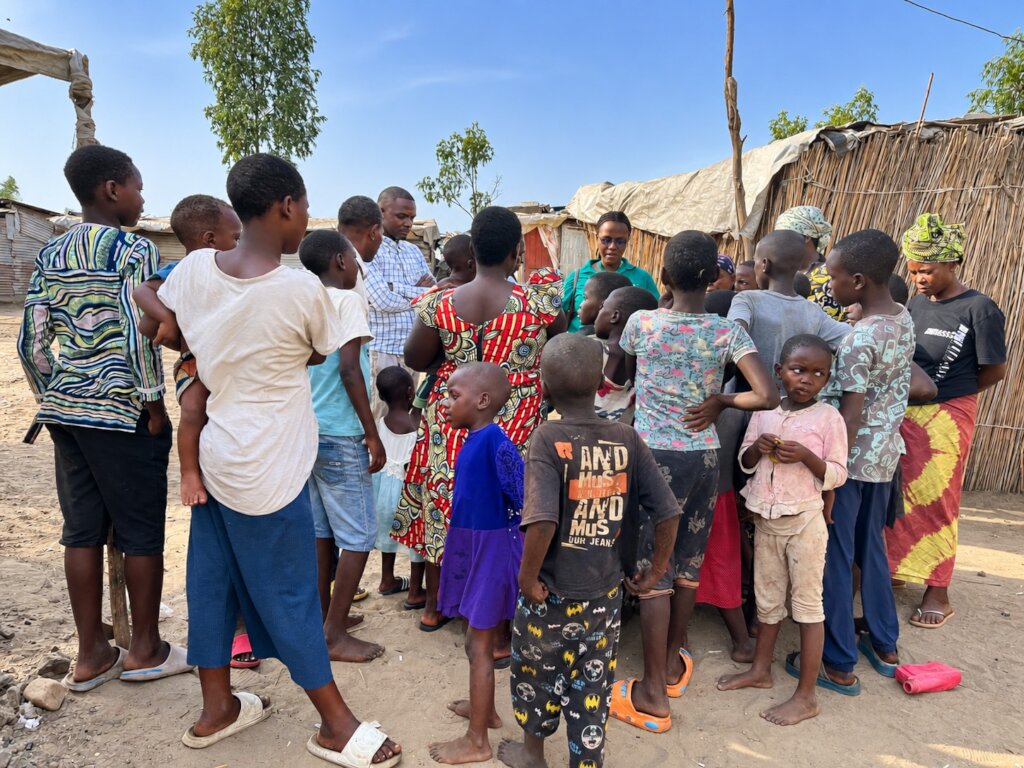
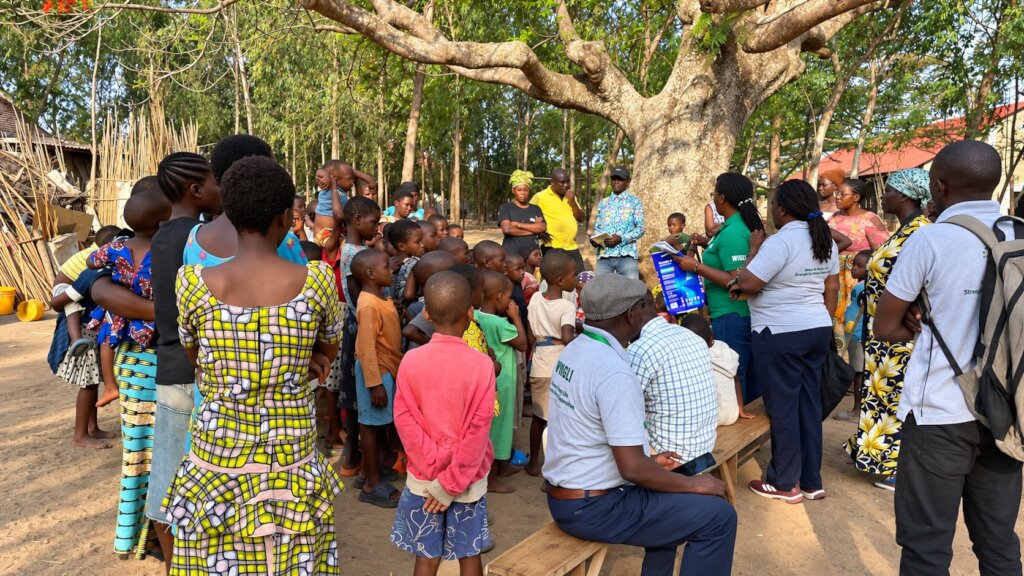
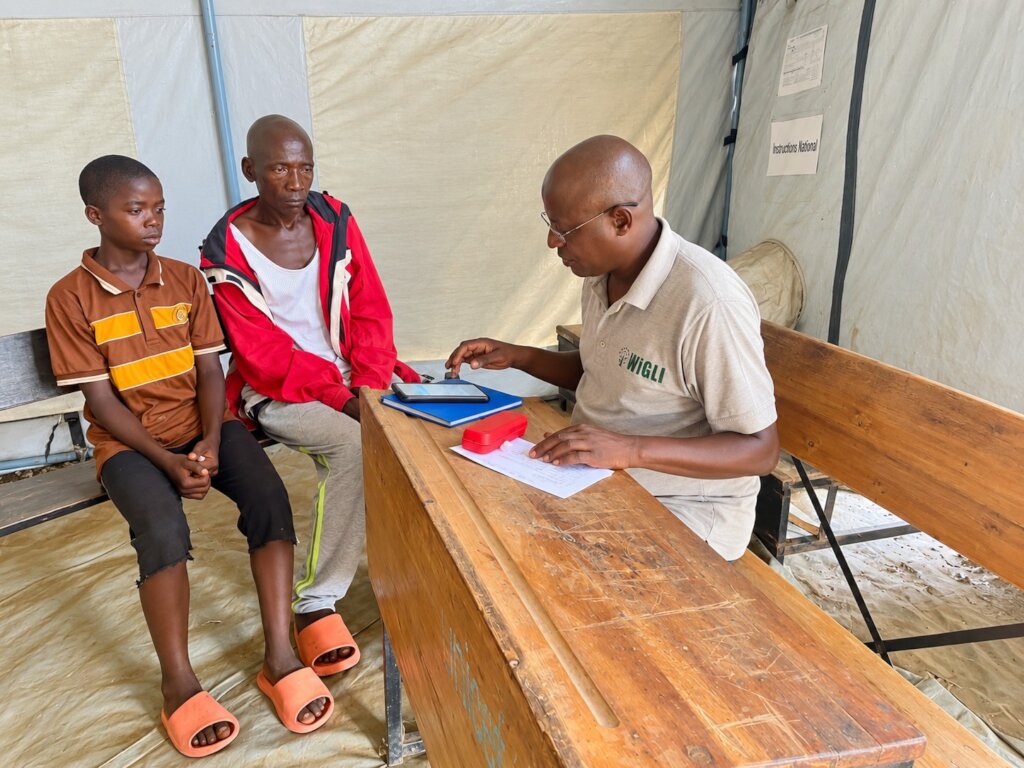
During this initial implementation, 156 vulnerable children from 155 families were identified and digitally registered using unique identification records. Of these, 155 children who received assistance were also recorded in the IHARIS-CFR system, creating a documented digital link between beneficiary identification and assistance received.
This is important because the system is not designed simply to count beneficiaries. It is designed to create a child-first, family-centered and longitudinal record that can follow a child and household from identification through assistance, referral, monitoring, follow-up and, ultimately, graduation from support.
The system is built around three connected layers:
1. Vulnerable Child & Family Identification, Vulnerability Assessment & Mapping: identifies the child, links the child to the household, assesses vulnerability, establishes priority needs and captures relevant household and geographic information.
2. Child & Family Assistance, Service & Referral Tracking: records the assistance or services provided, quantities, providers, referrals, whether services were received, immediate results and follow-up requirements.
3. Family Monitoring, Case Follow-Up & Graduation Assessment: follows changes over time, monitors child wellbeing and household resilience, updates action plans, identifies new risks, tracks referrals, reassesses vulnerability and supports decisions about continued assistance or graduation.
The architecture is intentionally designed so that the Child ID and Household ID remain connected across the three stages.
The pilot has also demonstrated the value of digital registration in real field settings. Instead of relying exclusively on paper-based records, WiGLI's field teams have been able to capture beneficiary information digitally and establish unique records that can support future monitoring, accountability and service tracking.
The system goes beyond basic registration. Its planned architecture includes vulnerability assessment and automatic scoring, priority classification, household socioeconomic vulnerability, health and nutrition, education, child protection, WASH, climate and disaster risks, referrals, service outcomes, follow-up flags, case status and household resilience.
For WiGLI, the initial 155-family implementation is therefore more than a small pilot. It is a proof of concept for a much larger ambition.
WiGLI plans to progressively expand the program to register 15,000 vulnerable children from 15,000 families across all five provinces of Burundi. This represents a major scale-up from the initial field experience and could create a much stronger evidence base for understanding the needs, risks, services and resilience pathways of vulnerable children and families.
The long-term vision is to use IHARIS-CFR to help WiGLI and its partners answer critical questions:
The three-form architecture was specifically designed around this progression from identification and mapping, to assistance and referral, to monitoring and graduation.
The journey is still at an early stage, but the first field implementation has provided something extremely valuable: a tested digital foundation, real beneficiary records, lessons from piloting, and a clear pathway toward national scale.
With continued support, WiGLI aims to strengthen the IHARIS-CFR platform, improve the digital tools, expand registration and monitoring capacity, and progressively reach vulnerable children and families across Burundi.
For us, every digital record represents a real child, a real family and an opportunity to make sure that vulnerability is not overlooked. Our goal is simple: to help every vulnerable child be identified, connected to appropriate support, followed over time, and given a stronger pathway toward resilience.
Project reports on GlobalGiving are posted directly to globalgiving.org by Project Leaders as they are completed, generally every 3-4 months. To protect the integrity of these documents, GlobalGiving does not alter them; therefore you may find some language or formatting issues.
If you donate to this project or have donated to this project, you can receive an email when this project posts a report. You can also subscribe for reports without donating.



Support this important cause by creating a personalized fundraising page.
Start a Fundraiser