By Dennis Gaboury | Founder, Chair, Board of Trustees
It’s easy for charities to hide difficulties they face from their donors. After all we want to put the best face forward. But you deserve candor if you’re to have continued confidence in us. So, here goes:
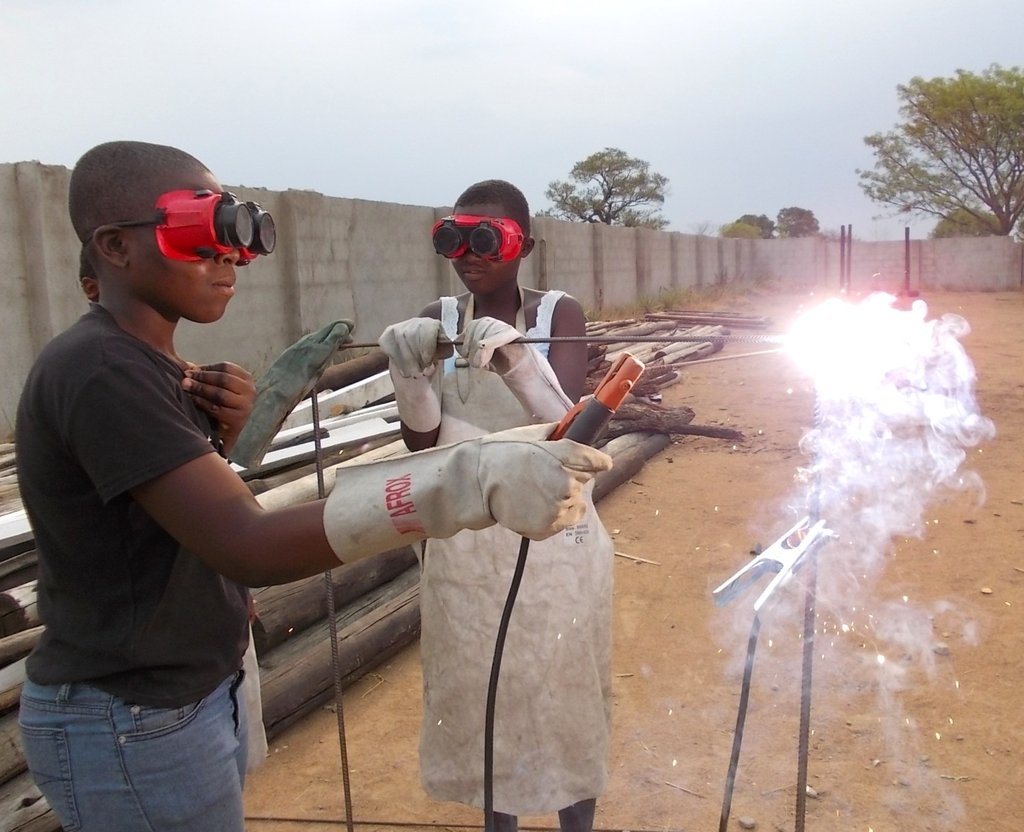
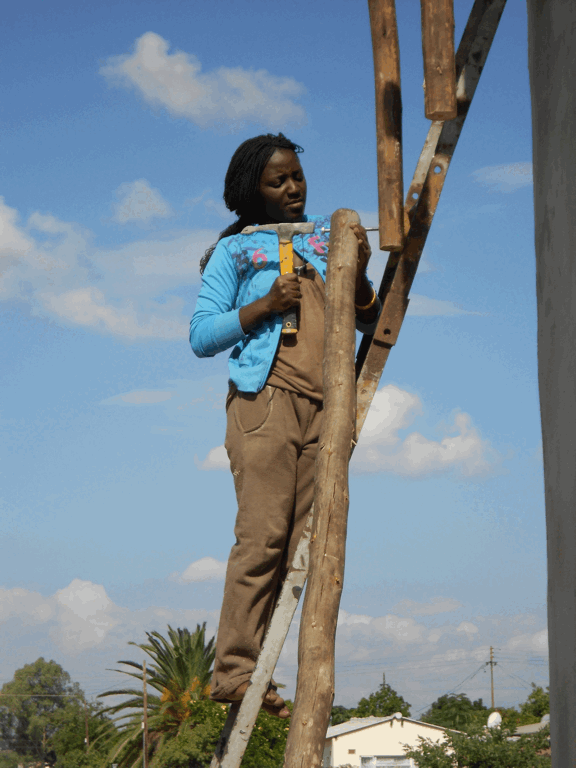
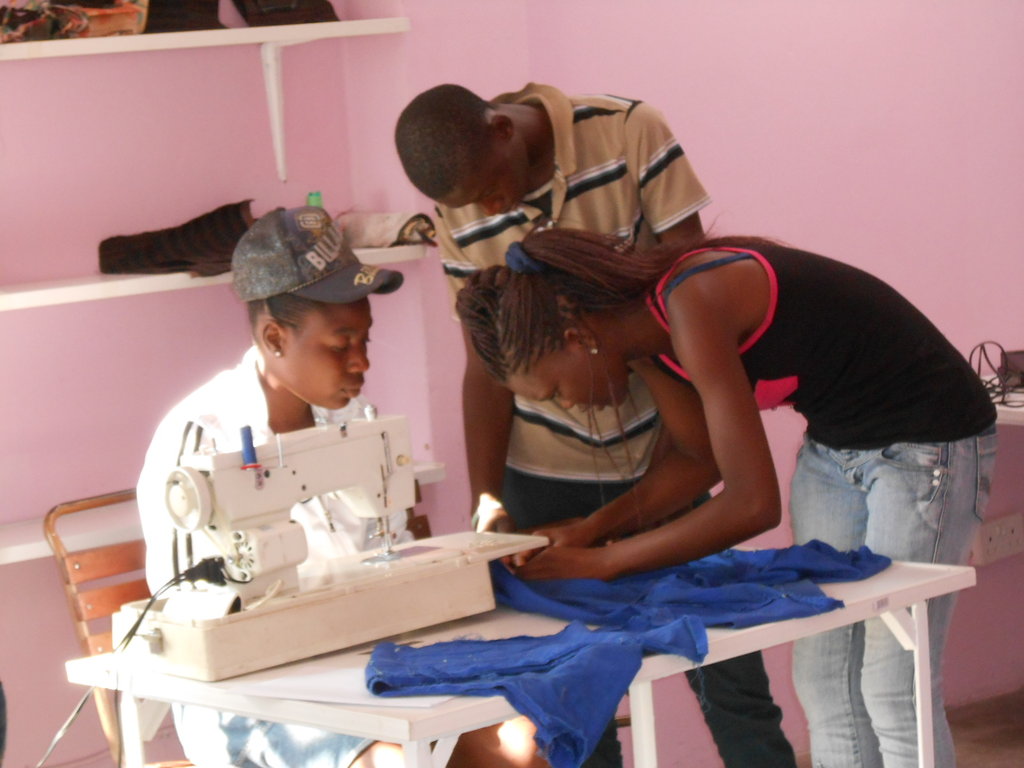
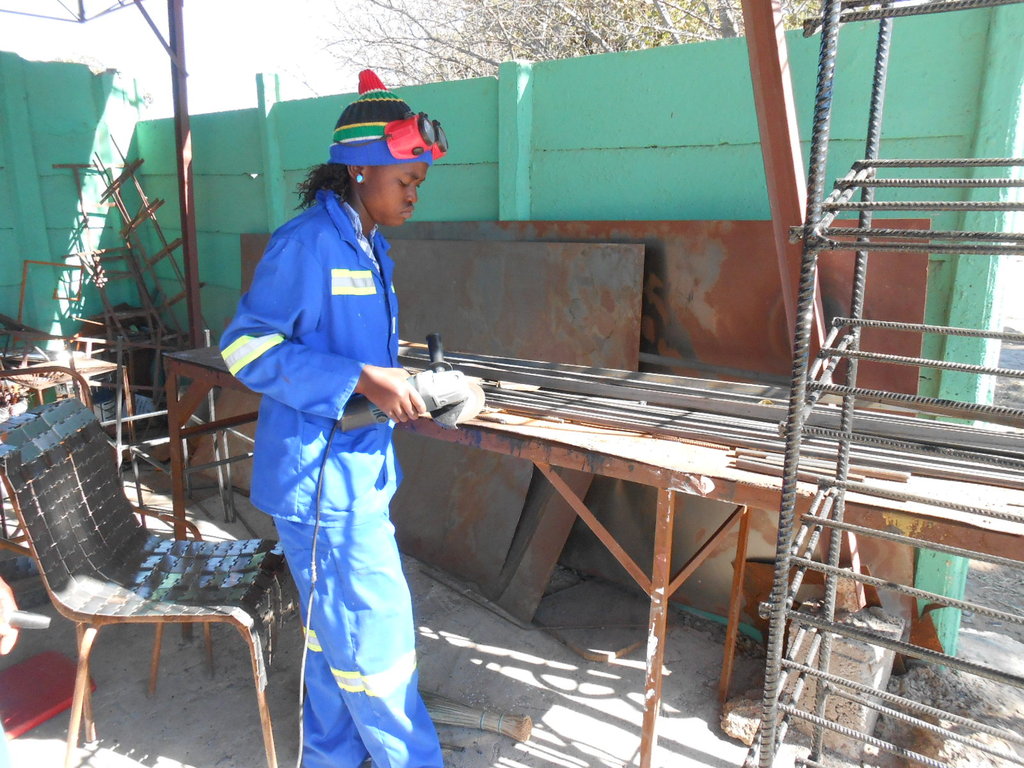
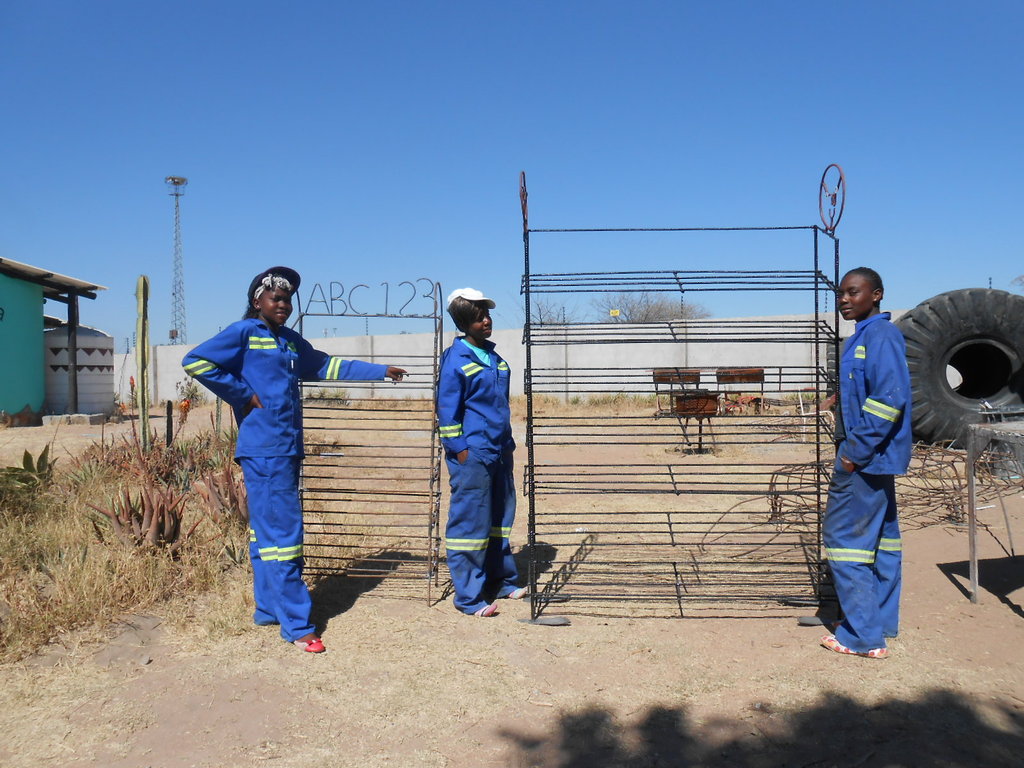
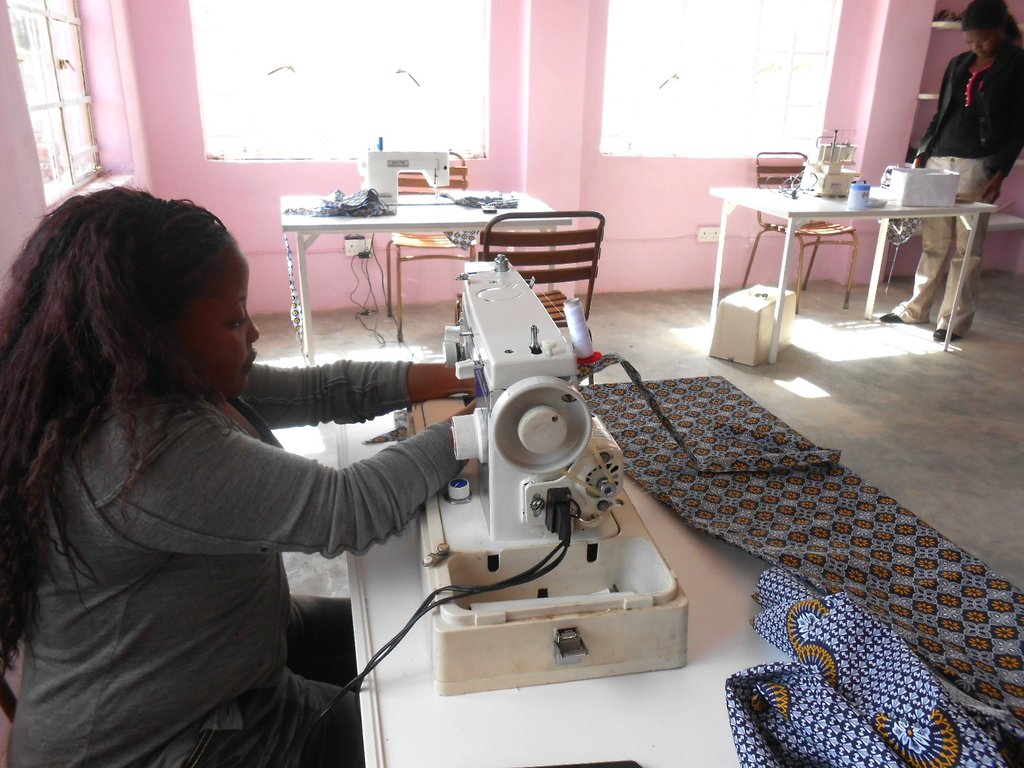
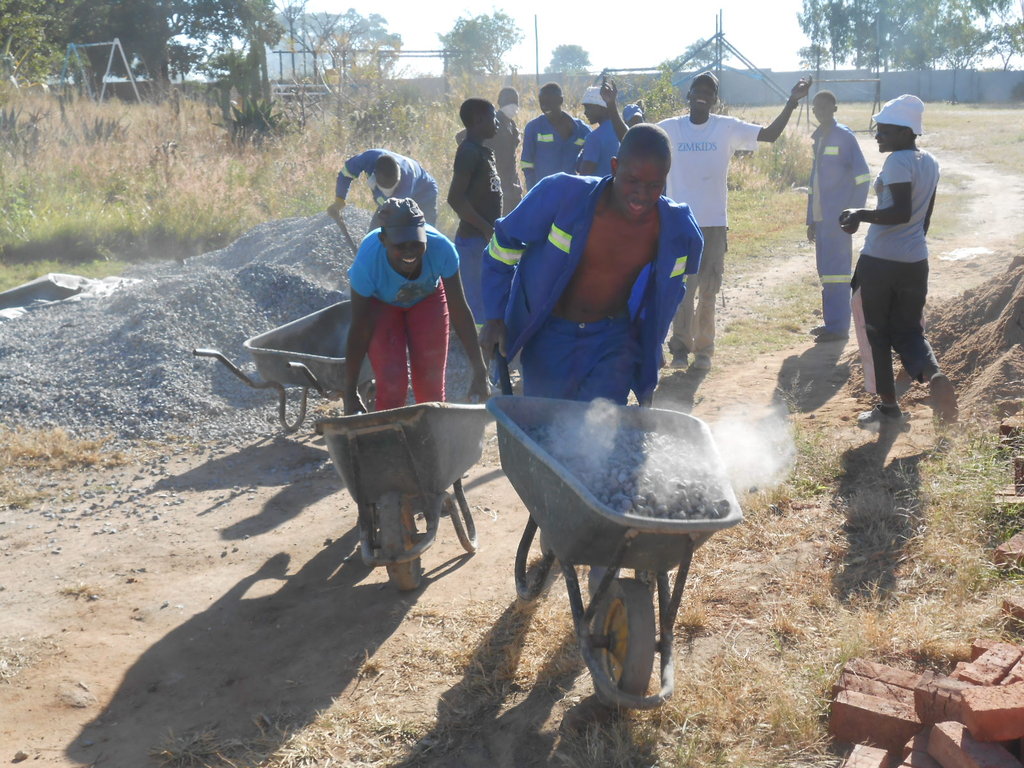
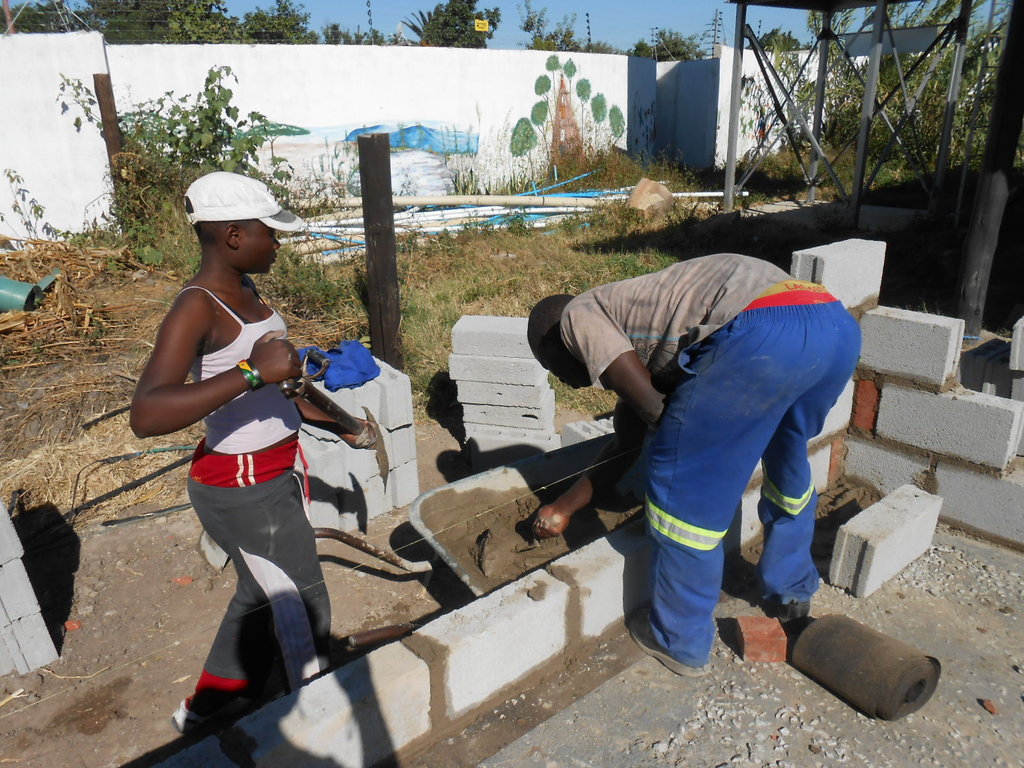
Many of our first groups of female vocational trainees were stellar: They were eager to learn, worked incredibly hard, and have proven themselves again and again. They engaged in welding, construction, sewing, nurse’s aide training, early childhood training and computer skills. Since then, we’ve struggled: Our present cohort of girls shy away from construction or other heavy work and take much less initiative than our first class of girls finishing school. And, most of all, their female guardians either discourage them from entering training programs, or undermine their ability to participate since they want them to stay home, cooking, cleaning and taking care of the younger kids in the household. Boys are allowed unambiguous freedom; girls are tethered to the demands of often-elderly caregivers.
In an effort to deal with this problem, we began working with the caregivers to help them understand that, while they might experience a short-term loss of the girls’ labor at home, they had to think of the long-term gain of having income flowing into the household. It didn’t work. They don’t mind that their older girls aren’t busy enough and that six girls out of this cohort have already gotten pregnant. In fact, it became clear that the caregivers wanted to be paid to allow the girls to participate in vocational training.
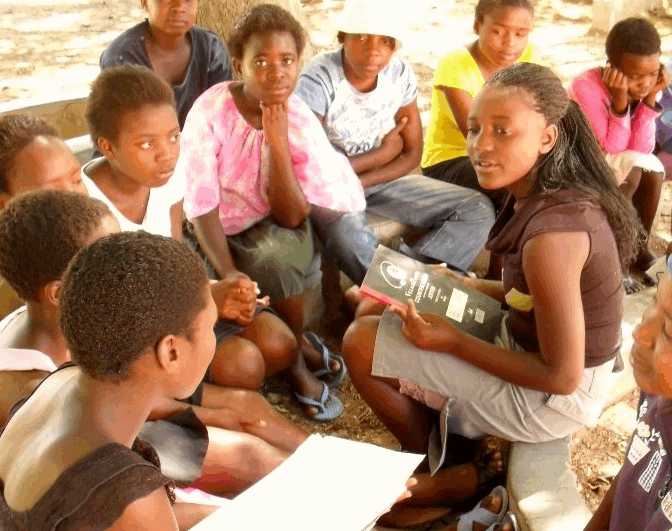
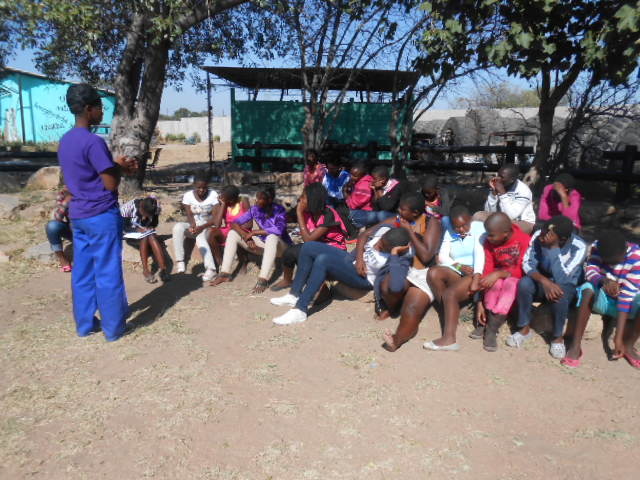
So we’ve gone back to the drawing board, relying on the advice of Samantha, Zimkid since age 10, now our pre-school certified teacher at age 19, and Sithabisiwe, Zimkids since age 12 now our certified councilor, two of the first trainees. They both received a great deal of negativity from their female elders when they trained with us, but they are, by nature, more assertive than most local girls. Their advice, then, was to form a club for girls over the age of 13 to deal with the problem from the ground up, so to speak, by creating a new culture for them. They’re trying to break down the barriers against girls’ talking to each other about their problems (and there’s a strong cultural belief that other girls are your enemies, who will gossip about you), against cooperating rather than competing, and against initiative.
The first task is to forge them into a solid group – called Young Girls of Tomorrow. The initiative is in its early days, but we’re hopeful that this might be a more solid strategy that will help the girls move forward. They face such immense cultural obstacles, and we’re just beginning to play with more ideas for overcoming them.
Of course, we continue our training programs even as we work on cultural and personal matters.
So, this time, can we also ask for suggestions? You make it possible for us to help our girls, so please don’t be shy! Write Dennis Gaboury, Founder at dennis@zimkids.com or Tinashe Basa, Director, at tinashe@zimkids.com. Thank you for your years of support.
Links:
Project reports on GlobalGiving are posted directly to globalgiving.org by Project Leaders as they are completed, generally every 3-4 months. To protect the integrity of these documents, GlobalGiving does not alter them; therefore you may find some language or formatting issues.
If you donate to this project or have donated to this project, you can receive an email when this project posts a report. You can also subscribe for reports without donating.