By Dennis Gaboury | Founder, Chair, Board of Trustees
And now the latest news:
In communities like Pumula, where we work, poor girls are extremely vulnerable to the predations of older men offering them money, gifts, and the illusion of an escape from poverty and boredom. Providing them with a way to earn money – and the sense of self that brings – is critical – not an easy task in a country with 90 percent unemployment.
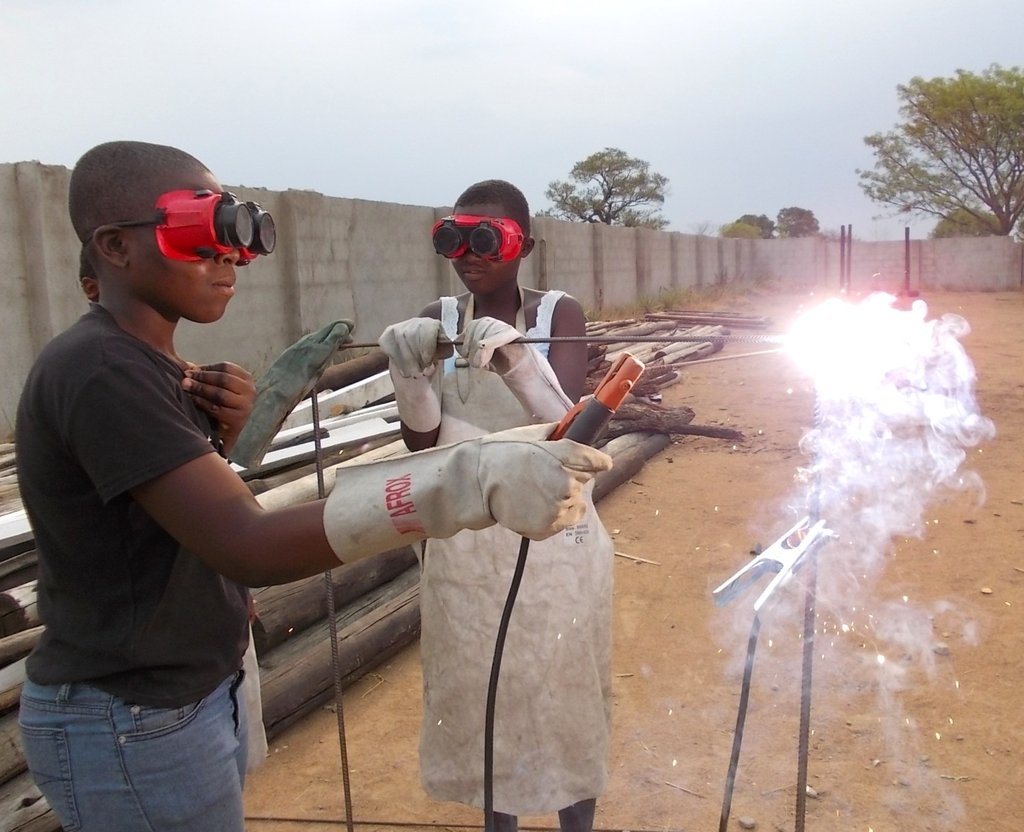
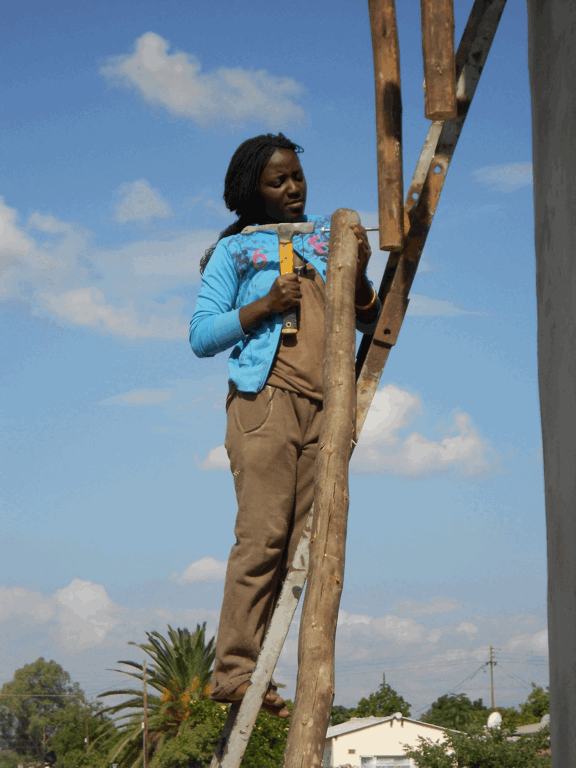
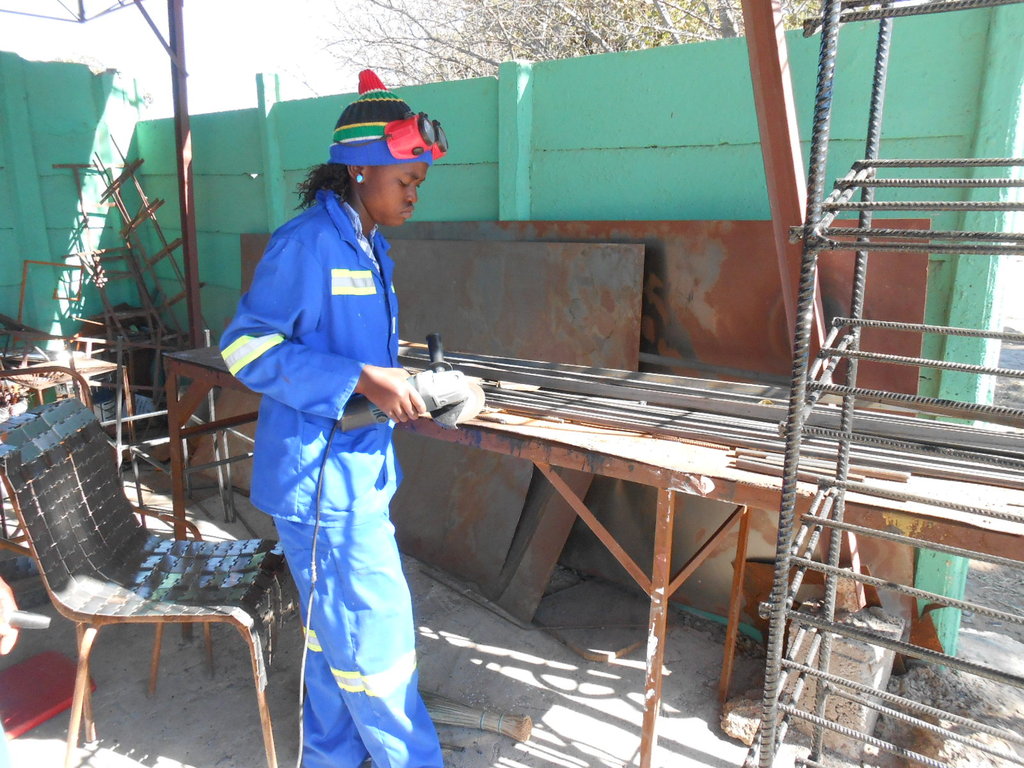
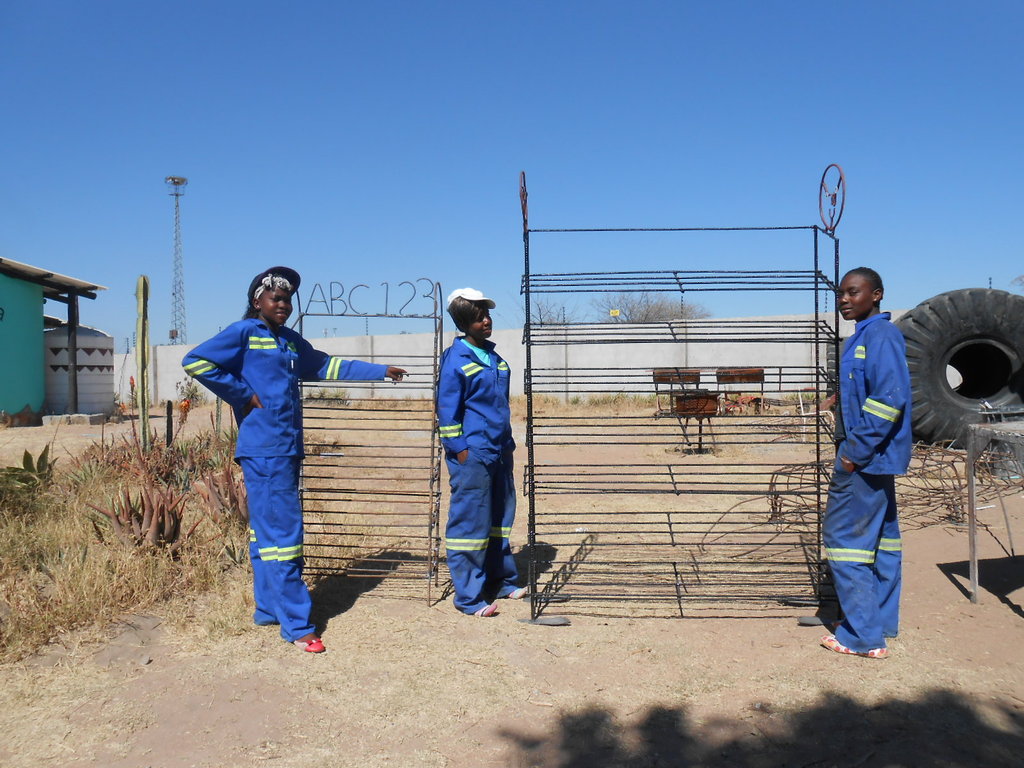
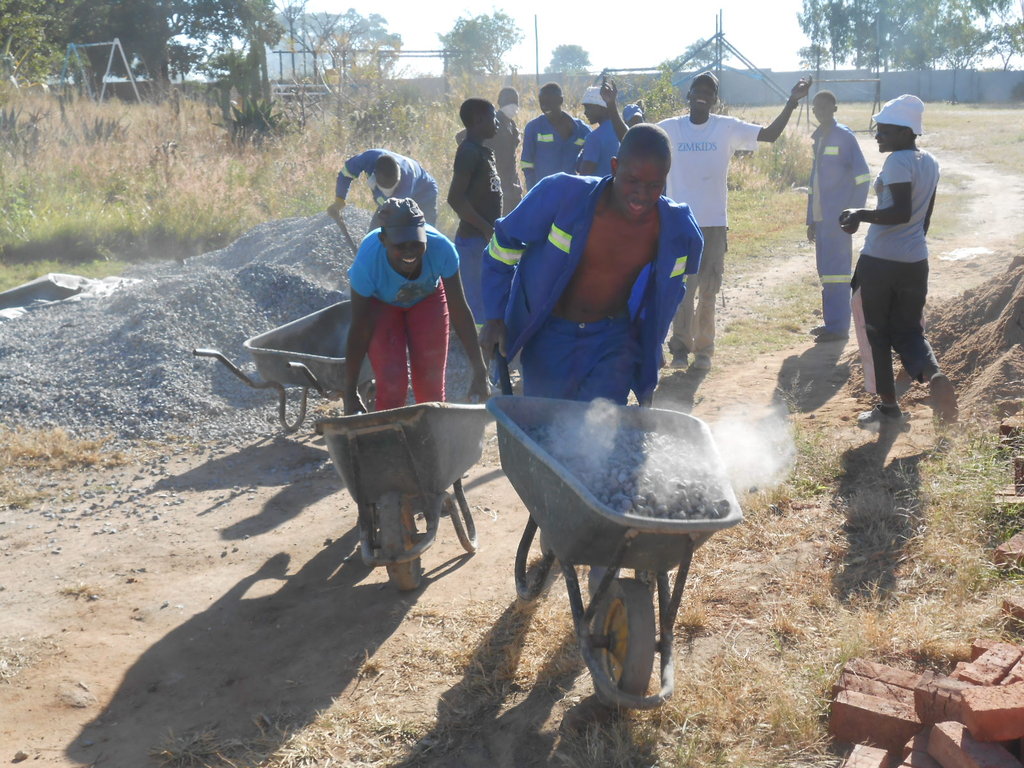
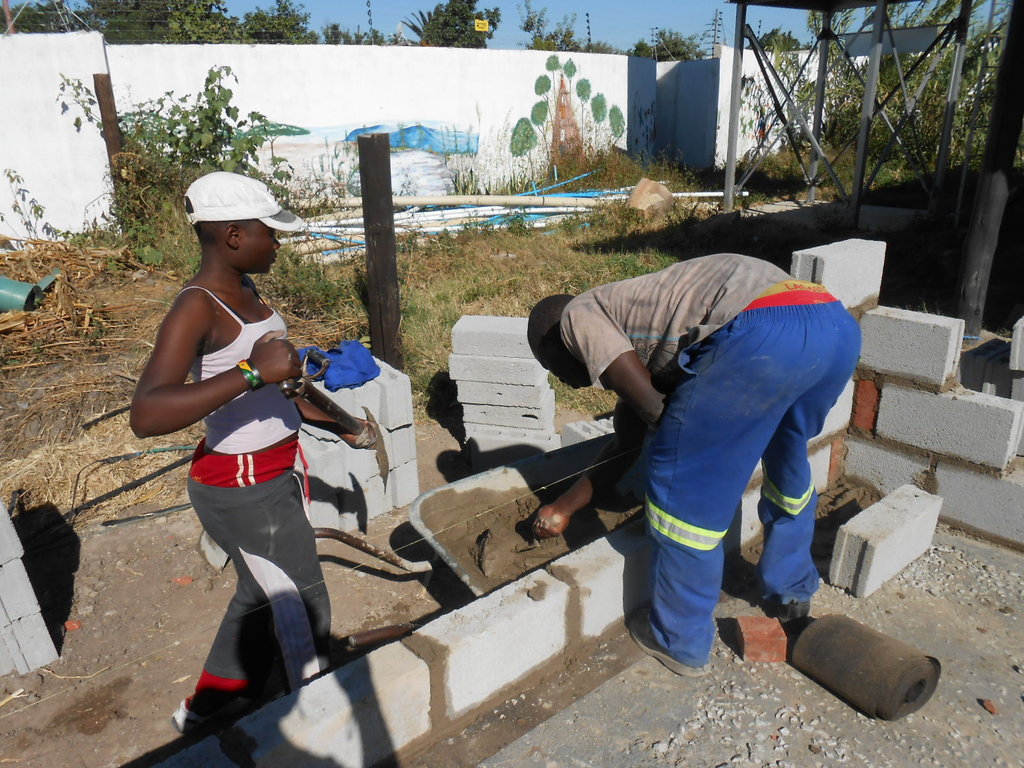
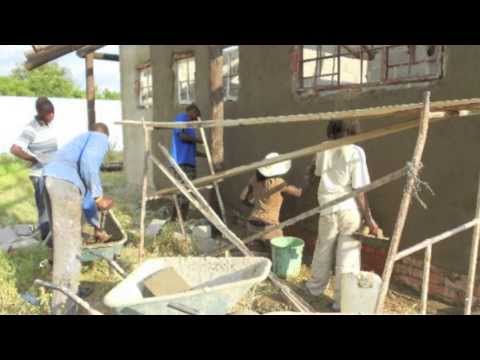
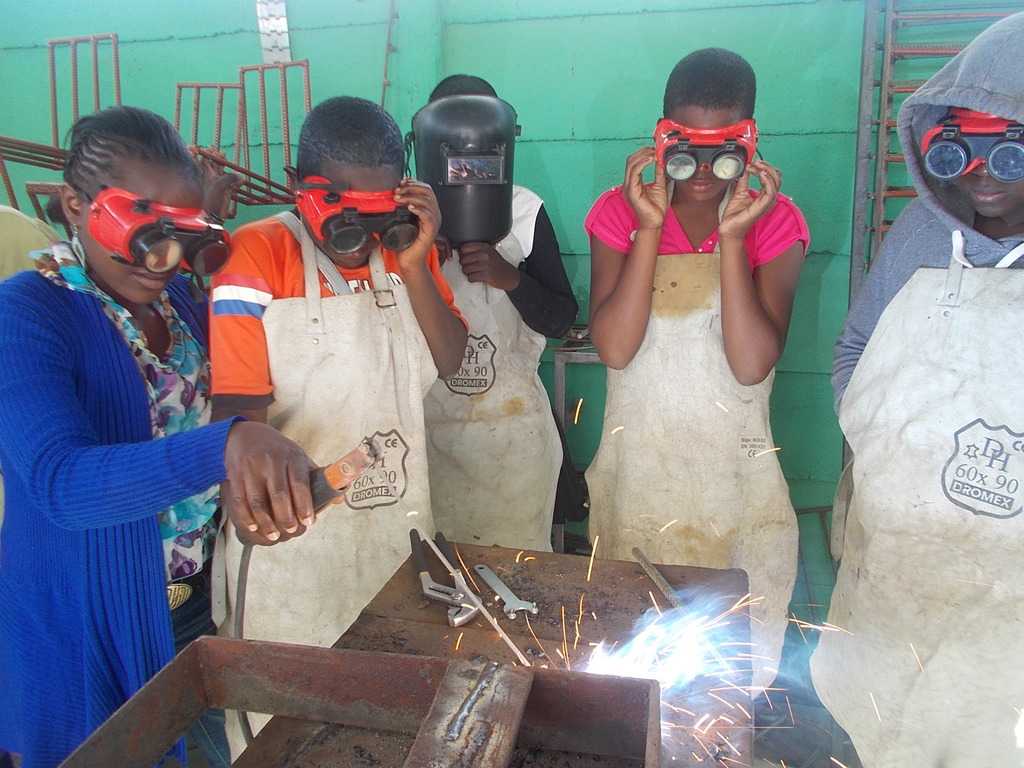
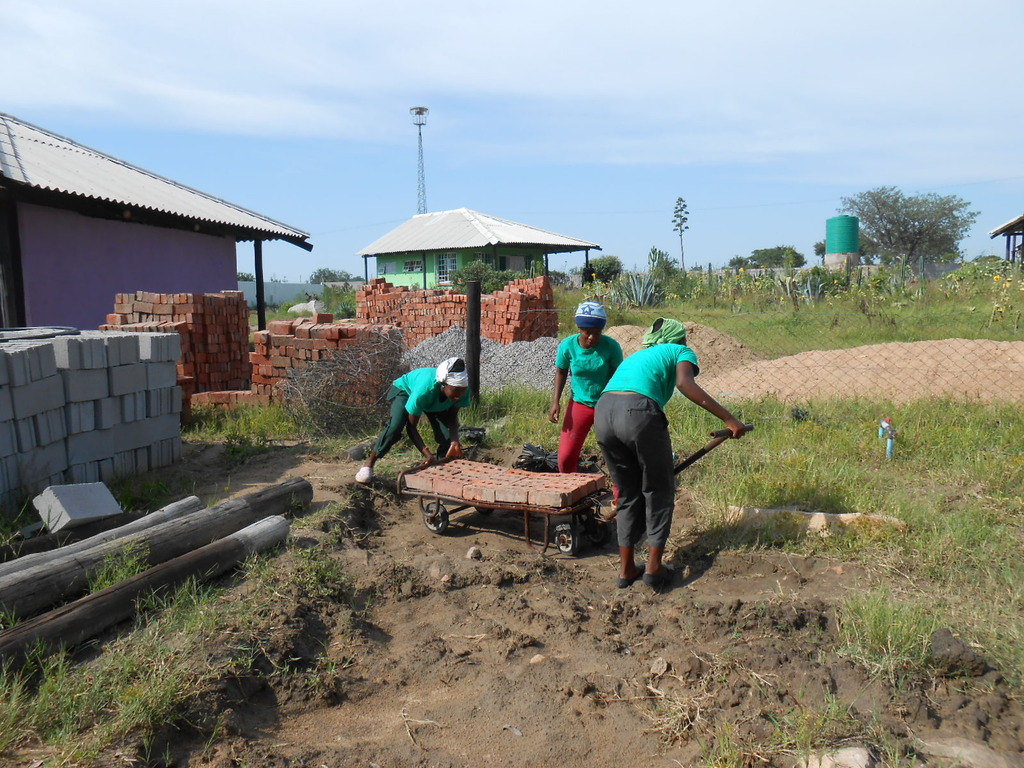
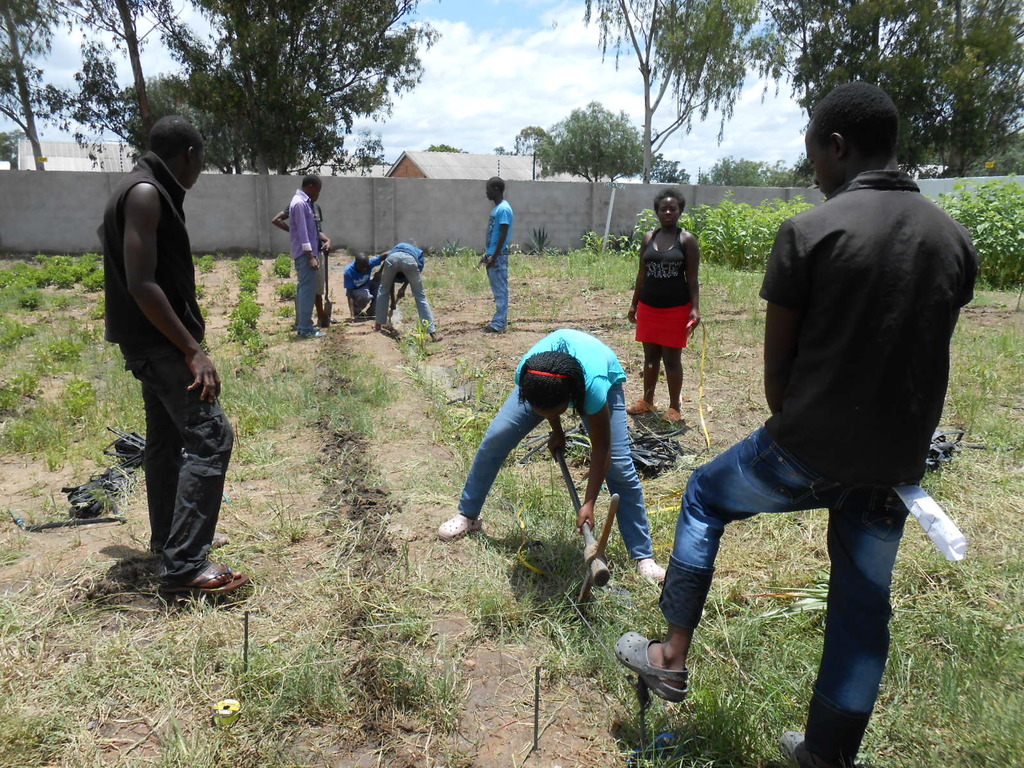
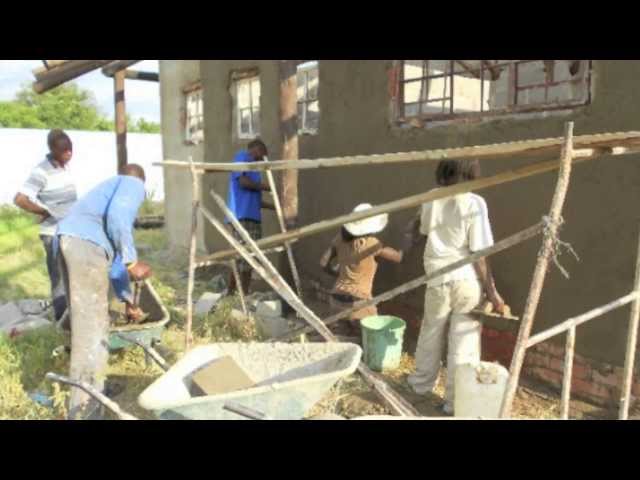
We began our vocational training program for girls by emphasizing non-traditional skills. Learning to build, to weld, to paint and plaster instilled a powerful new sense of self in the girls and sent an important message to men in the community. We continue that work and have ramped up the program recently when we begun a new building project on our site, with our older girls receiving small stipends for their on-the-job training planning and laying out foundations, digging and pouring them, laying block, welding tables and other furniture, installing windows, and painting.
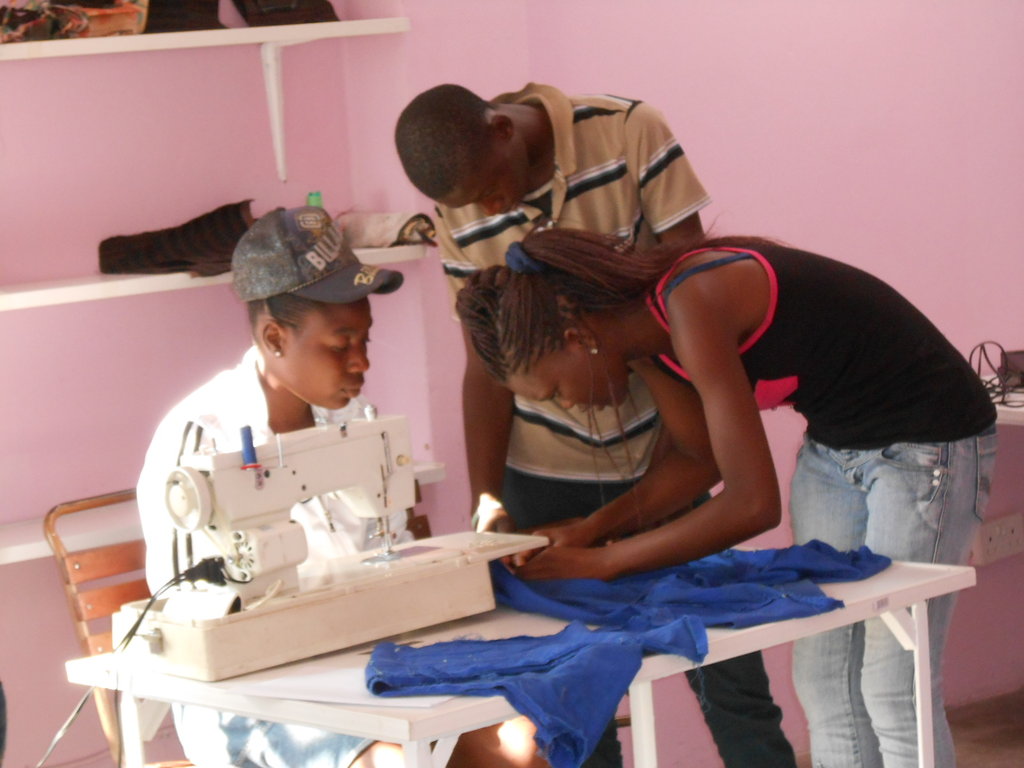
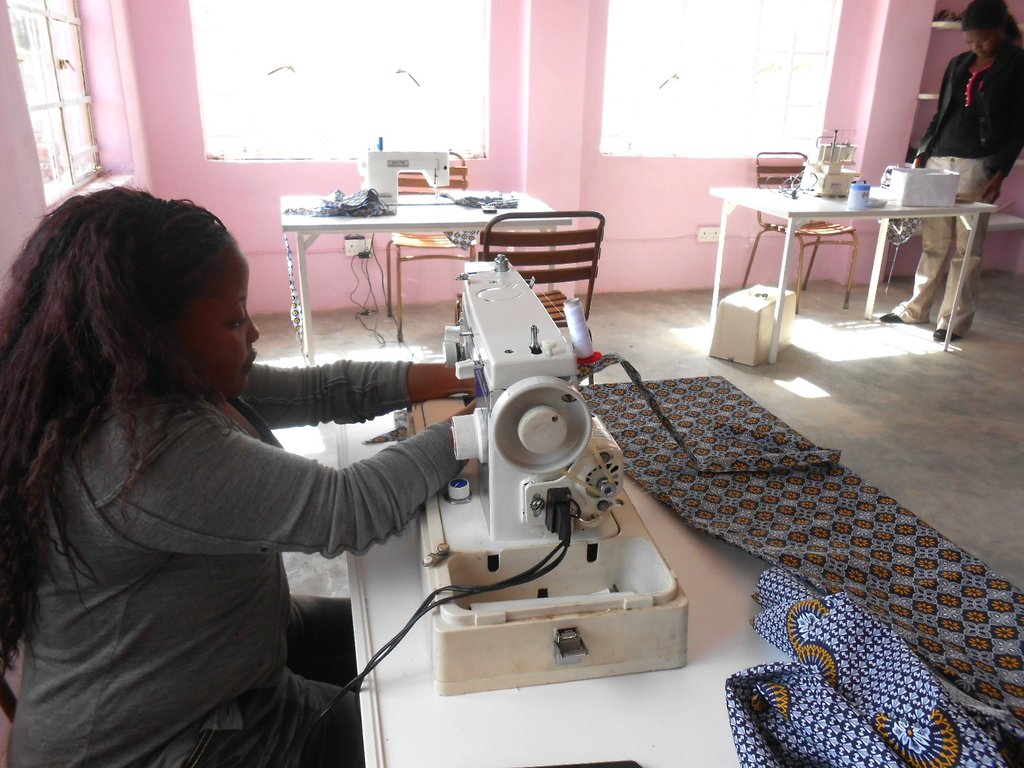
That building will house a new sewing center that will be used both for training and for income-generation both for our girls and for our center, a new phase in our vocational training program. In Zimbabwe, all children are required to wear school uniforms, which are extremely costly. We are launching, then, a school uniform business, expecting that as our girls are trained, we will send them out on their own – with sewing machines and business skills - to earn money from this bottomless market.
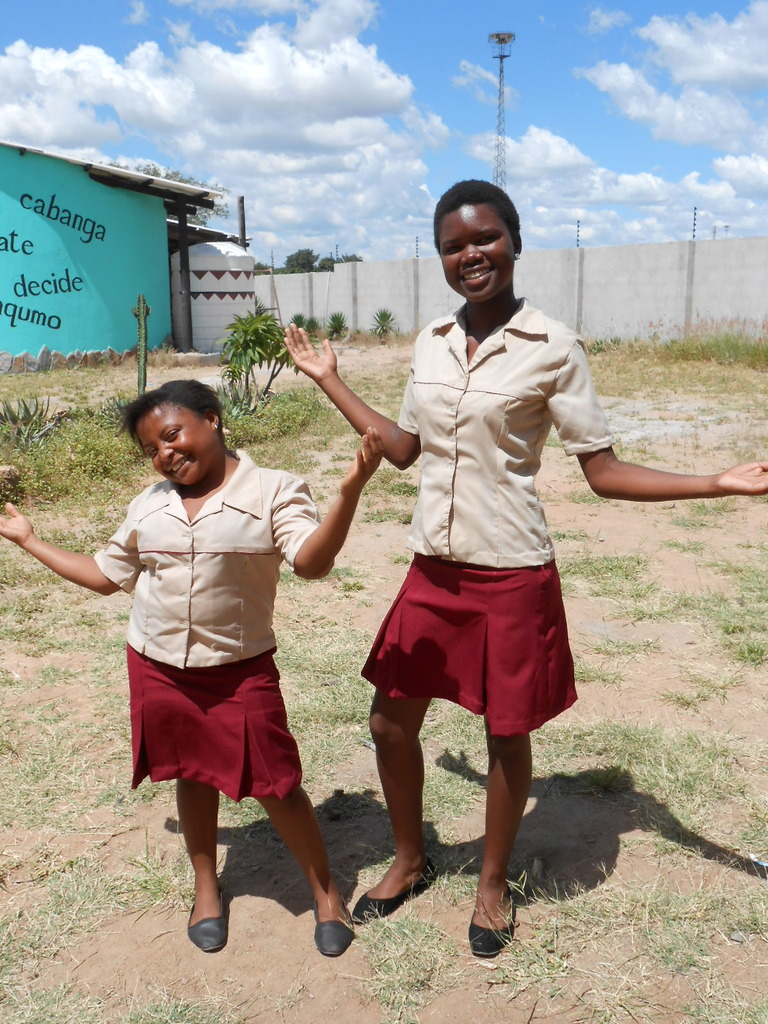
To that end, we sent Lindiwe and Charity, recent school leavers who already knew sewed well, to an advanced sewing and patternmaking course. They, in turn, will train the younger girls even as they acquire the business skills necessary to the project. We expect the building to be completed by early June and the business to be launched immediately thereafter.
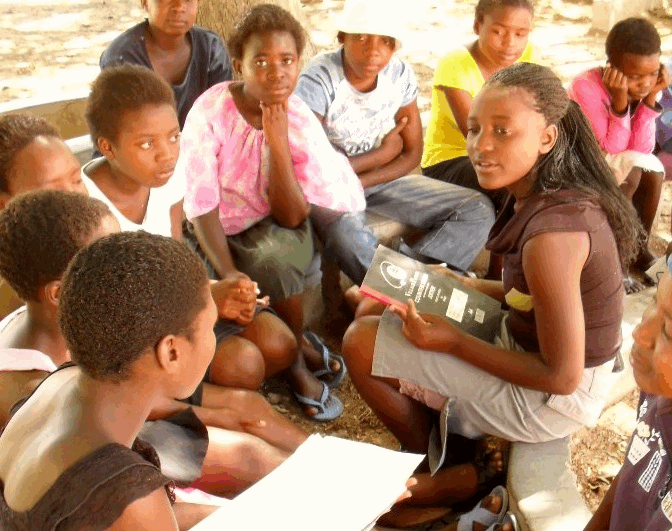
Furthermore, last year, we began a preschool for younger orphans that turned into an important if unanticipated vocational training program. After we launched, we sent Samantha, who, at the age of 17, designed the program, to a special training and licensing course, and Pauline, our assistant program director (and both have long been our beneficiaries) joined her three months ago. Only once our first group “graduated” and were declared the best prepared Grade One students did we sense the broader opportunity. Dozens of small preschools have cropped up around the city, and we realized that we could prepare young people to open such businesses on their own. Thus Samantha and Pauline are now training younger girls who work with them, and as they move on, those younger girls will take over.
All of our girls, from age 3 up, are also trained in basic computer skills, which puts them way ahead of their peers since students here are lucky to have access to computers for more than an hour of week. And we don’t neglect “proper” training for boys, which means that cooking, for example, is an equal opportunity responsibility, and all of our boys are expected to be respectful to females.
Finally, some of our vocational training has turned out to be individual, reflecting our assessment of the strengths and potential of individual girls. Thus, for example, we sensed early on that Pauline, our assistant program director, had natural leadership schools as well as great intelligence. We thus paid for her to complete her Advanced Level of secondary school, and we are doing the same with another girl at the moment. Several years ago, we realized that Sithabisiwe, who was raising her two younger brothers on her own, had a real gift for reading people and helped them understand their own feelings. We thus arranged for her to participate in a two-year course to be trained in counselling. The only participant under the age of 30, she was also the only student to graduate!
Given the current economic situation here, we’re still holding our collective breath to see whether our training will lead to economic self-sufficiency. But one thing is abundantly clear already: Our girls are clear about not wasting their lives: They are not getting pregnant, not selling themselves to the highest bitter, and are focused on moving forward with their lives on the basis of their own work.
Links:
Project reports on GlobalGiving are posted directly to globalgiving.org by Project Leaders as they are completed, generally every 3-4 months. To protect the integrity of these documents, GlobalGiving does not alter them; therefore you may find some language or formatting issues.
If you donate to this project or have donated to this project, you can receive an email when this project posts a report. You can also subscribe for reports without donating.