Project Report
| May 13, 2024
Report on Supporting People with Cancer in Kenya
![]()
Introduction:
Cancer is a significant public health challenge in Kenya, with a rising incidence and mortality rate. Supporting individuals affected by cancer requires a comprehensive approach that addresses their medical, psychological, social, and economic needs. This report examines the current landscape of cancer care and support services in Kenya and provides recommendations for improving support for people with cancer.
1. Cancer Burden in Kenya:
- Incidence: Cancer incidence is increasing in Kenya, with common types including breast, cervical, prostate, and colorectal cancers.
- Mortality: Cancer is a leading cause of death in Kenya, accounting for a significant proportion of overall mortality.
- Challenges: Limited access to early detection, diagnosis, and treatment services, as well as stigma and misconceptions surrounding cancer, contribute to poor outcomes for individuals with cancer in Kenya.
2. Current Support Services:
- Medical Care: Public and private healthcare facilities provide cancer screening, diagnosis, treatment, and palliative care services, although access may be limited in rural areas.
- Non-Governmental Organizations (NGOs): Various NGOs in Kenya focus on cancer awareness, patient support, advocacy, and fundraising for cancer-related activities.
- Government Initiatives: The Kenyan government has established the National Cancer Control Program (NCCP) to coordinate cancer control efforts, including prevention, early detection, treatment, and palliative care.
3. Challenges and Barriers:
- Limited Access: Many Kenyans, particularly those in rural and underserved areas, face barriers to accessing cancer care due to factors such as distance to healthcare facilities, transportation costs, and lack of awareness.
- Stigma: Stigma surrounding cancer can lead to delayed diagnosis, social isolation, and discrimination against individuals with cancer and their families.
- Financial Hardship: The cost of cancer treatment and supportive care services can be prohibitive for many Kenyans, leading to financial hardship and treatment abandonment.
- Workforce Shortages: Shortages of trained healthcare professionals, including oncologists, nurses, and palliative care specialists, limit the capacity to deliver quality cancer care services.
4. Recommendations for Improvement:
- Enhanced Awareness: Implement comprehensive cancer education and awareness campaigns to dispel myths, reduce stigma, and promote early detection and treatment-seeking behavior.
- Improved Access: Expand cancer care services, particularly in underserved regions, by investing in infrastructure, healthcare workforce training, and mobile cancer screening and treatment units.
- Financial Support: Strengthen financial support mechanisms for individuals with cancer, including health insurance coverage, subsidized treatment programs, and patient assistance funds.
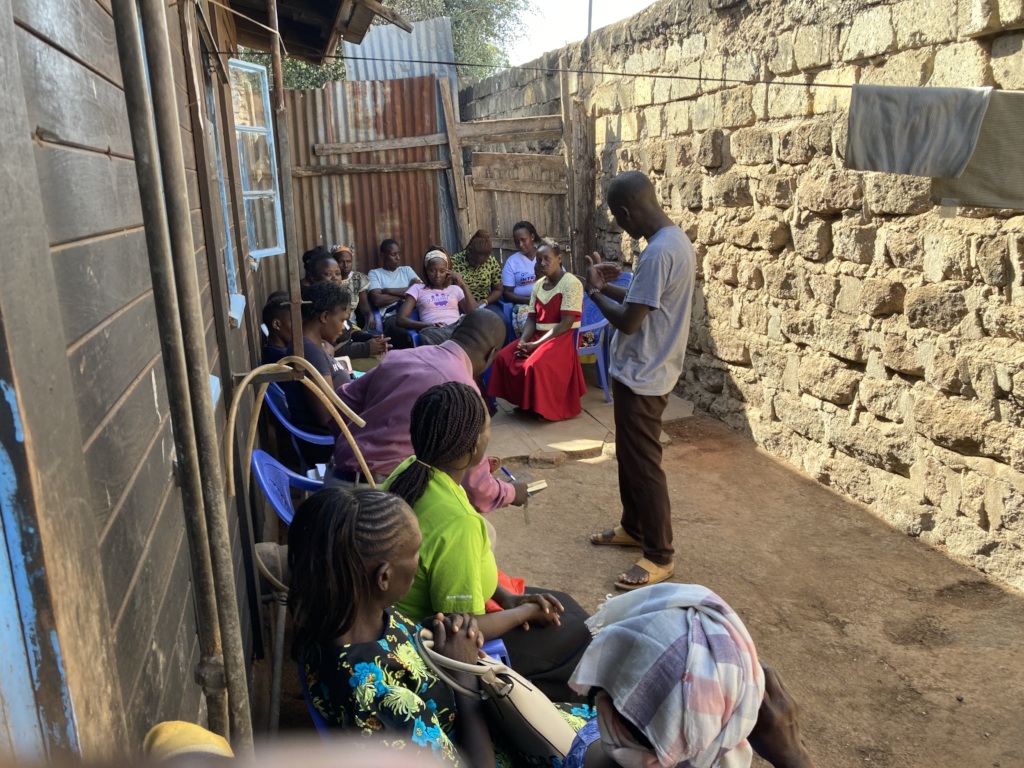
- Psychosocial Support: Integrate psychosocial support services into cancer care programs, including counseling, support groups, and survivorship programs, to address the emotional and mental health needs of patients and their families.
- Research and Innovation: Invest in cancer research and innovation to improve understanding of the local cancer burden, develop targeted interventions, and enhance the effectiveness of cancer prevention, diagnosis, and treatment strategies.
Conclusion: Supporting people with cancer in Kenya requires a multi-sectoral approach that addresses the complex challenges they face across the cancer care continuum. By strengthening health systems, increasing awareness, reducing financial barriers, and enhancing support services, Kenya can improve outcomes for individuals affected by cancer and mitigate the impact of this disease on individuals, families, and communities.
Links:
![Share on Twitter]()
![Share on Facebook]()