By Aimee Petersen | Chief Development Director
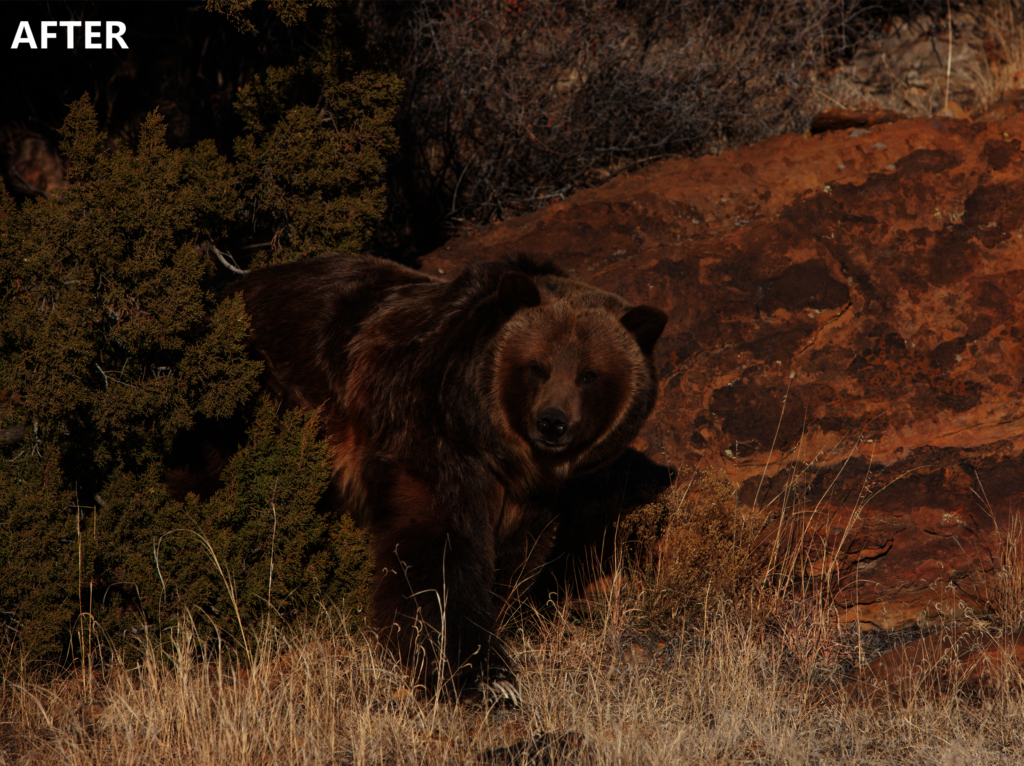
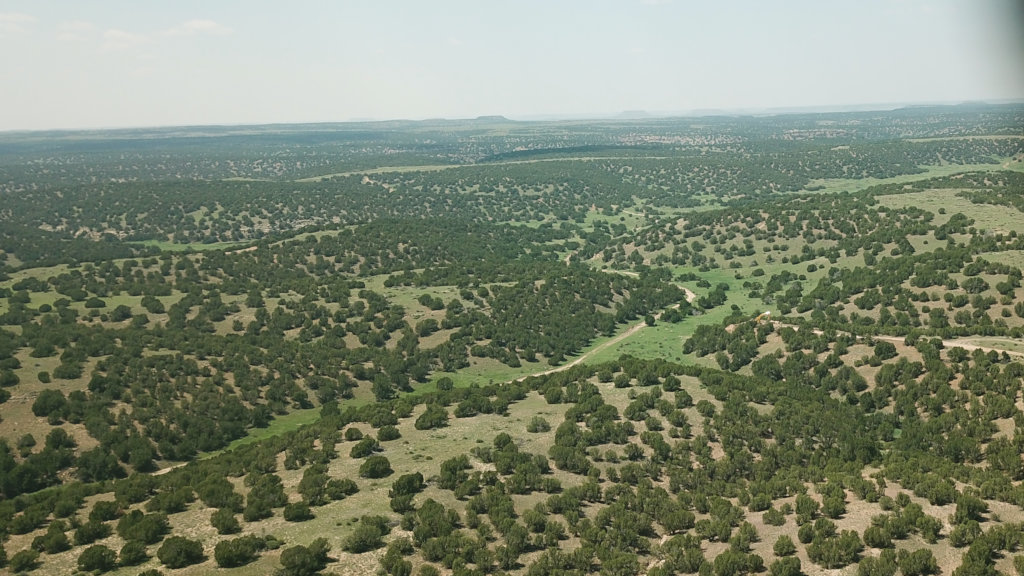
As many of our supporters may have recently heard, there was a woman who was killed recently by a Mountain Lion here in Colorado as she was out running on a trail located in the foothills of the Rocky Mountains. Her death was only one of only 29 fatal attacks within North America over the past 100 years – and the first one in our state this century.
Given more than 3,800 of these big cats still exist within Colorado, as well as many times that number living in other areas of North America, the low number of deaths may seem surprising. Of course, any attack on a human, whether it ends up being fatal or not, is tragic.
Yet, since there is a significant difference between Mountain Lions and other big cat species when it comes to attacking humans, it is important to note that Mountain Lions (also known as Cougars, Pumas, Panthers, Catamounts and many other regionally based names) are the least dangerous of the bunch.
This may be good news for those of us who happen to live in North America… but for people living in the country of Nepal, this fact is far less comforting. Why, you may ask?
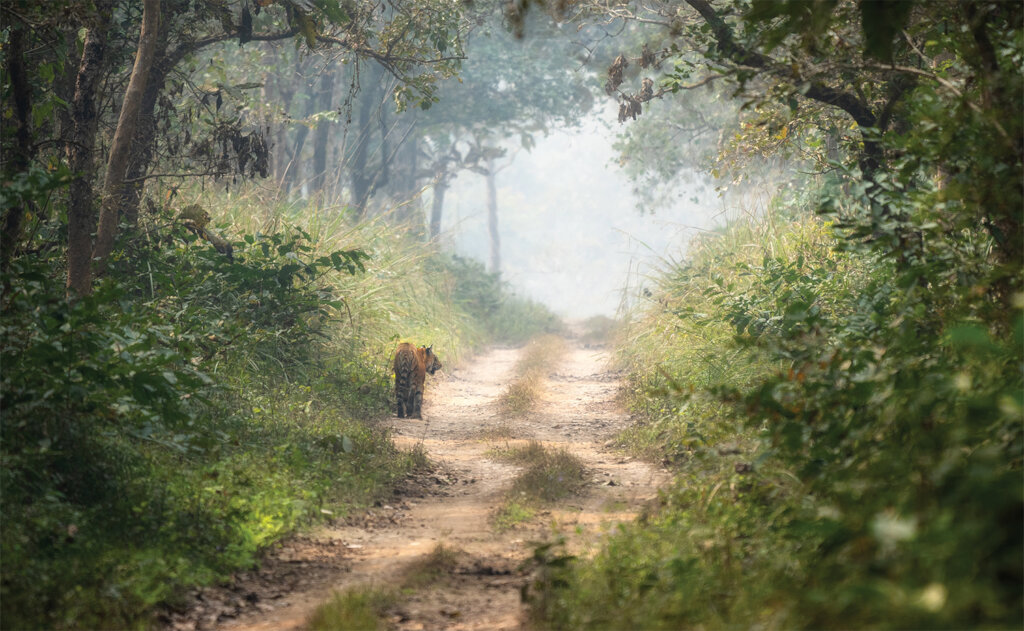
Let’s just say Tigers are not found anywhere within the American continents – but they do live within the country of Nepal. And as such, they represent a far greater threat to human life than Mountain Lions do!
Historically speaking, Tigers have killed far more humans than most other big cat species. In fact, between 2019 and 2025, more than 60 people died from Tiger attacks in Nepal, according to government data.
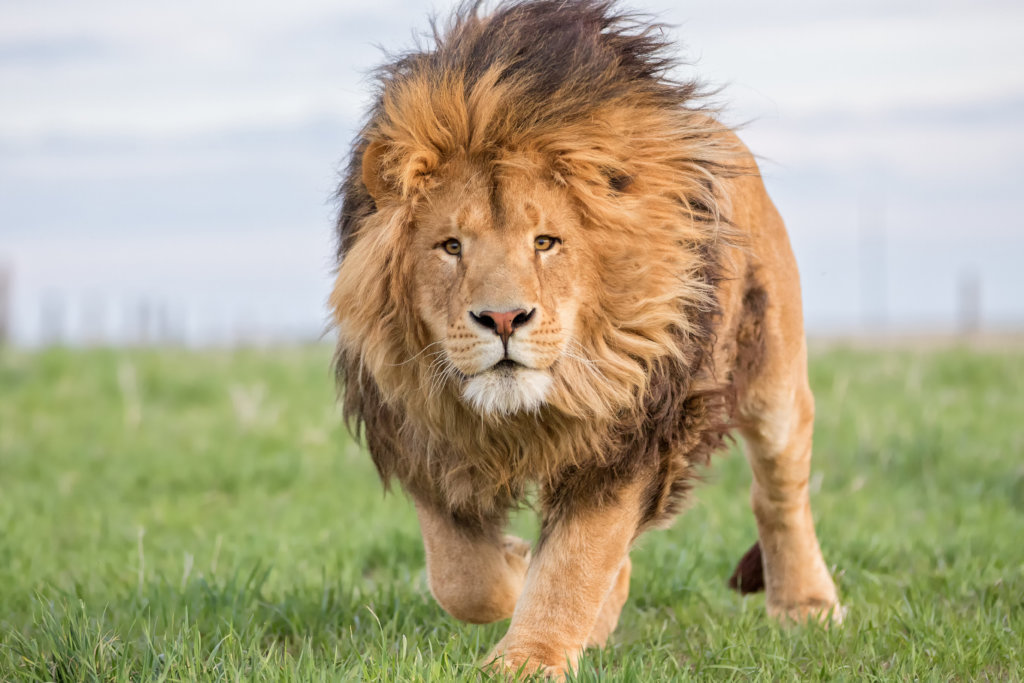
Yes, this is a far more alarming number for sure, however, we are talking about a completely different apex predator. Both Tigers and African Lions have evolved over time to be significantly larger than many of the other big cats - such as Jaguars, Leopards and Mountain Lions - for a very good reason.
Simply stated, the prey animals that Lions and Tigers hunt and kill are much larger than what smaller species of big cats deal with. Thus, when it comes to encounters with humans, these larger predators are much less confused by or intimidated by humans.
Of course, this is not to say they prey on humans in the same manner as they do with the animals they normally eat. Instead, they will respond instinctively when humans venture into their territory and behave in certain ways that can draw their attention.
Things like venturing into areas filled with dense foliage and bending down to cut grass or collect firewood – which can easily trigger a reaction from most any predator – let alone a Tiger. The same would be true if someone chose to run quickly along a path or jumped up and down while trying to grab a piece of fruit, a tree limb, or any other elevated item of interest.
It could also be as simple as someone walking through the forest in a manner that generated sounds similar to a deer or other animal doing the same. No matter what the attraction happens to be, once a Tiger locks on and feels as if the subject is vulnerable, it will take advantage of the situation.
In similar fashion, most other predators can make the same mistake. Yet, no matter the situation, the human usually ends up with the bad end of the deal.
This is why it is so hard to coexist with large carnivores and other highly dangerous animals. Although no one wants to end up as Tiger food or severely injured, it remains a true possibility within countries like Nepal.
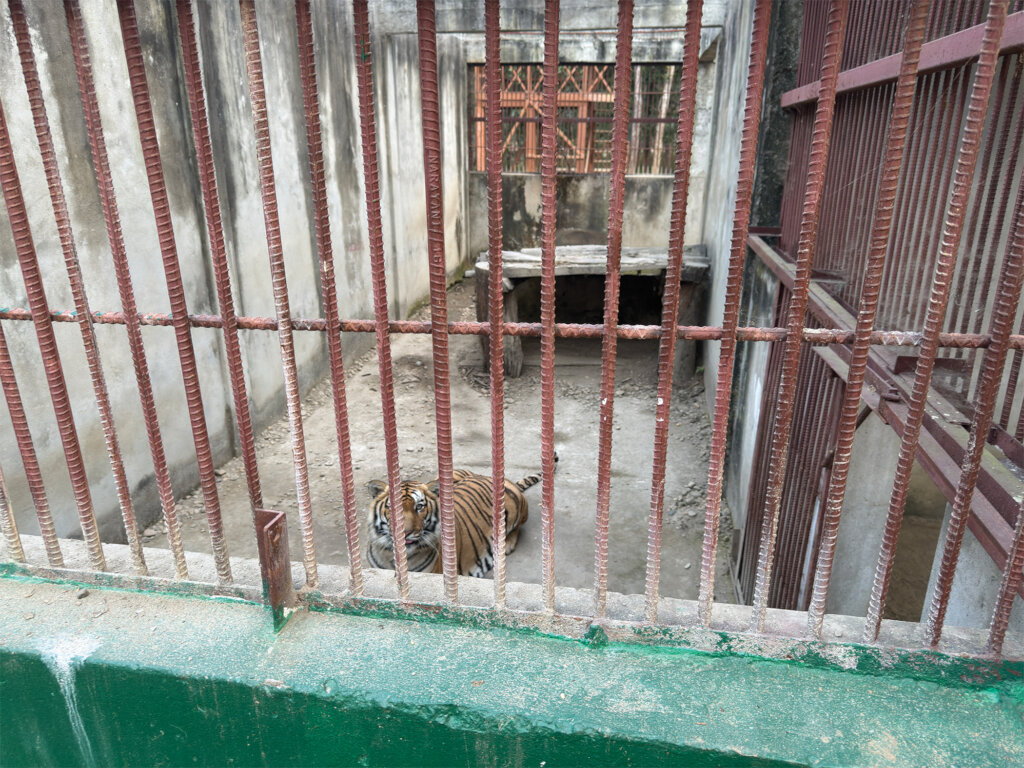
So, when we first heard there were quite a few “conflict” Tigers that were being held in captive settings within Nepal, we wanted to learn more about the situation. It turns out these “Man-eating” or “Man-attacking” Tigers were being removed from the wild and placed into make-shift enclosures around the country.
Instead of being killed, they were kept alive for very important religious reasons. With Buddhism having a focus on protecting sentient life (beings capable of experiencing pain and suffering) from harm, it was crucial for these conflict Tigers to be saved.
Yet even though they were not being killed for the act of viciously attacking and killing a human… they were also not being kept in facilities that would be considered appropriate for Tigers. Knowing this, we felt compelled to see if there may be a better solution to the problem.
Thankfully, with the help of Dave Johnson and the Katie Adamson Conservation Fund, we were able to travel to Nepal so we could evaluate the issue first-hand – as well as gain the opportunity to meet with top government officials. As a result, it became apparent the Tiger conflict problem was being discussed by many individuals and entities, but the long-term humane holding of captured Tigers needed additional help.
Thankfully, we were very fortunate to be able to visit a number of the captive Tigers and evaluate their overall health and accommodation. Both the Nepal government officials and the National Trust for Nature Conservation (NTNC) leaders were incredibly helpful toward enabling us to understand the situation – as well as the potential assets that may become available for use in creating a more viable long-term solution.
Since the current human-Tiger conflict had already resulted in 19 Tigers being accumulated, and with the possibility of more entering the system moving forward, it was very obvious that both Nepal and its Tigers could benefit by creating a centralized facility where they would be held and cared for in a more natural setting.
In addition, by doing so, there would be an opportunity to educate children and adults from all over about ways to avoid physical conflicts and the unnecessary deaths – as well as how both Tigers and humans can find a way to peacefully coexist.
The challenge now is to explore the possibility of building a Conflict Tiger Sanctuary within Nepal. We now know there is a distinct possibility that it can be done… and there are truly dedicated people on both sides of the world who are willing to make it a reality.
The ultimate goal would be to have The Wild Animal Sanctuary use its knowledge and experience to enable this kind of incredibly positive outcome… as we are willing to offer our help in the coming months (and possibly years) to see Nepal create their own worldclass facility where innovation and humane problem solving come together for the benefit of humans and Tigers alike.
Join us as we explore the possibilities and work together on behalf of all the Tigers that deserve a better life! Thank you for your support and for caring about all animals in need!
Links:
Project reports on GlobalGiving are posted directly to globalgiving.org by Project Leaders as they are completed, generally every 3-4 months. To protect the integrity of these documents, GlobalGiving does not alter them; therefore you may find some language or formatting issues.
If you donate to this project or have donated to this project, you can receive an email when this project posts a report. You can also subscribe for reports without donating.



Support this important cause by creating a personalized fundraising page.
Start a Fundraiser