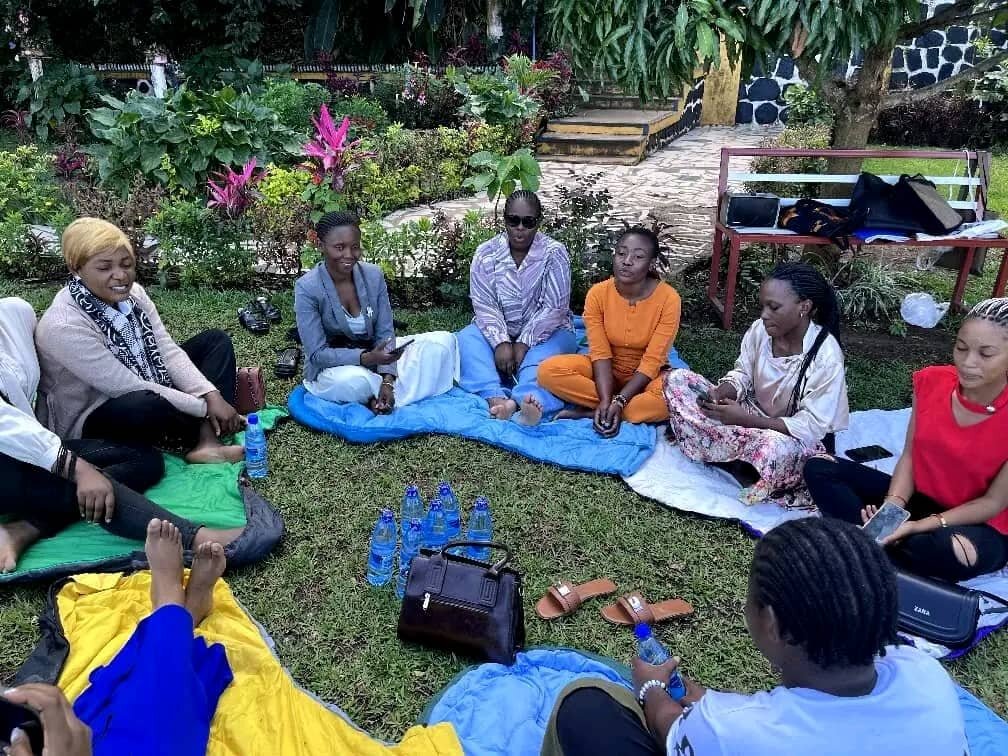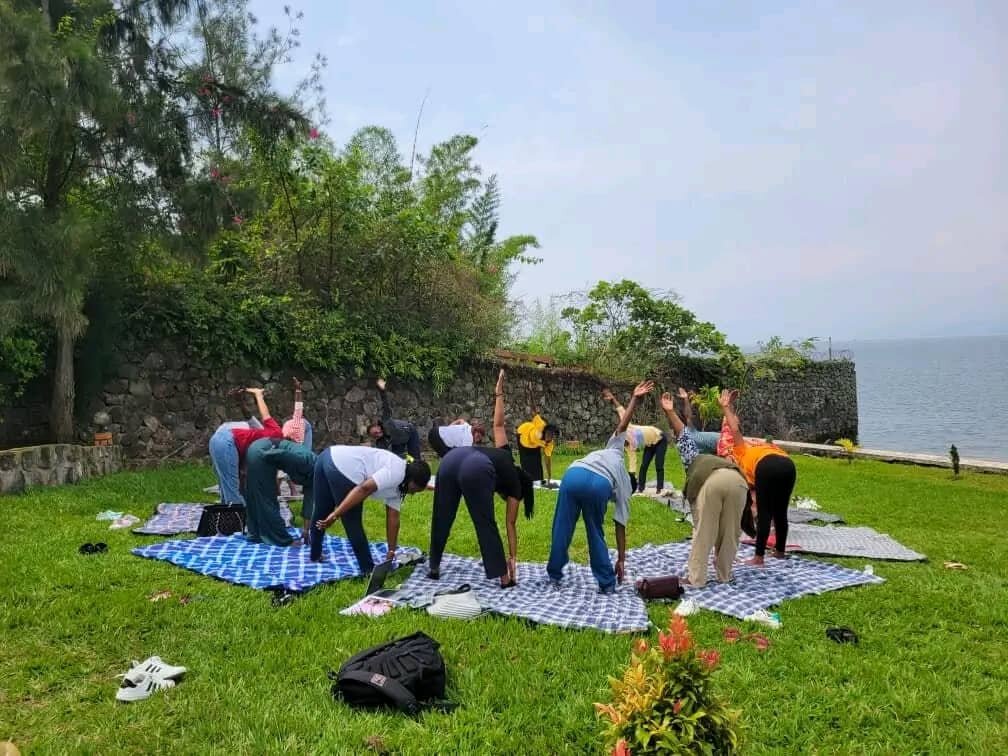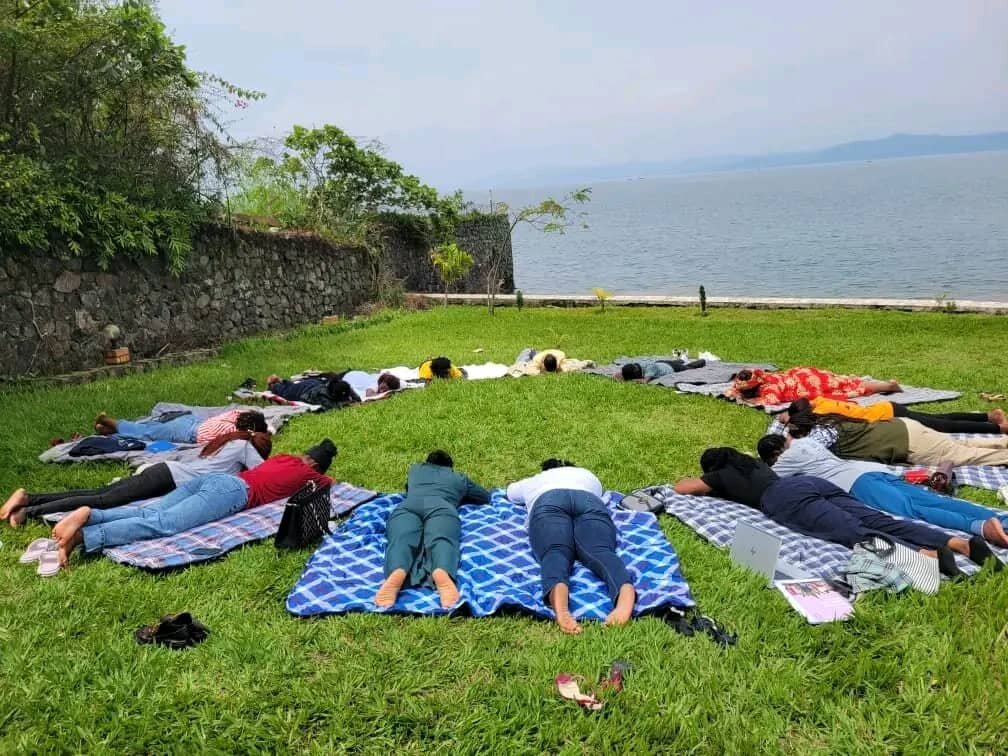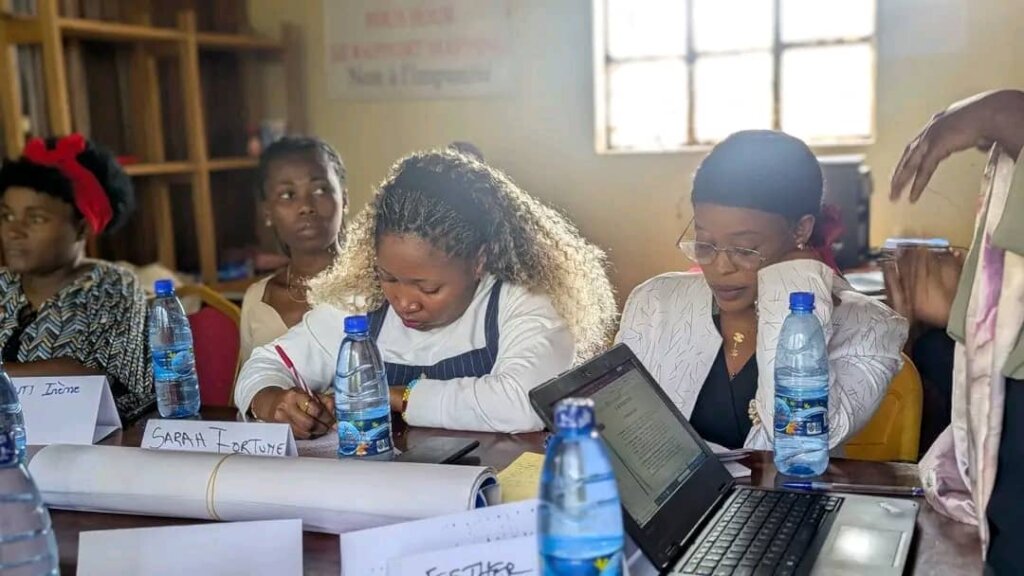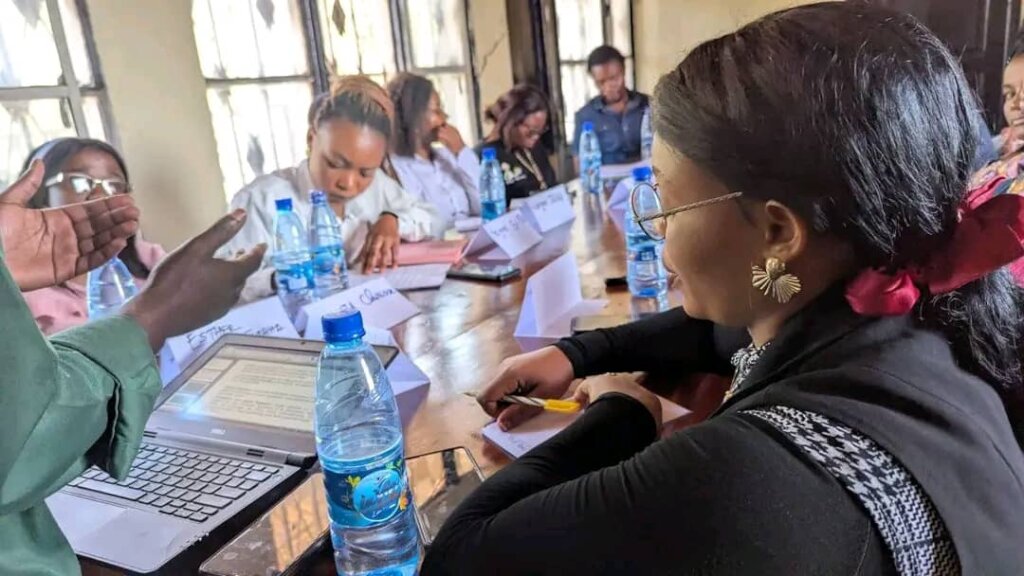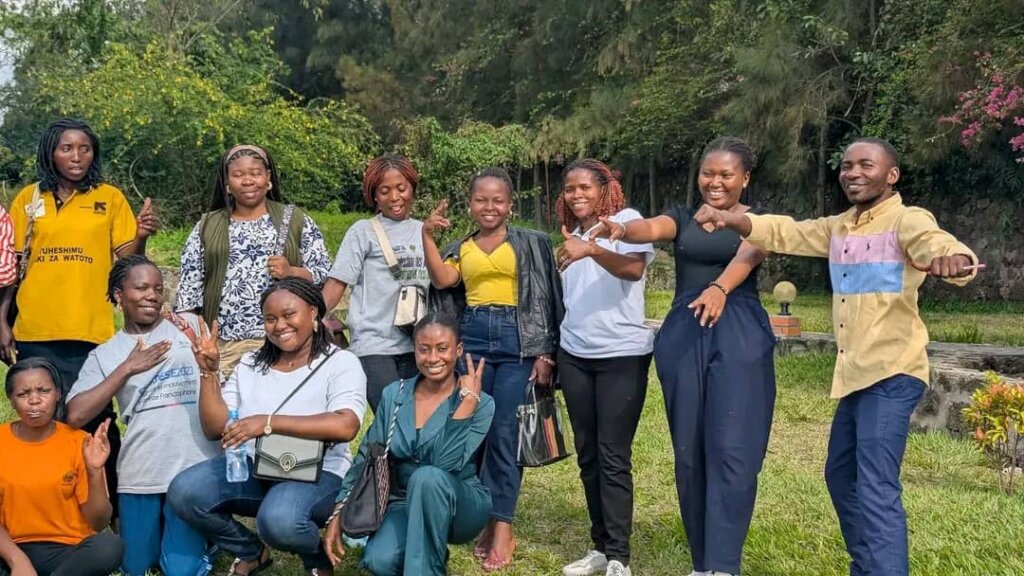
The project positions neutral civil society organizations as the "custodians of dialogue." Their role is to monitor the implementation of resolutions from national consultations to prevent "dialogue fatigue." This section highlights the need for inclusive participation, ensuring that women's groups and youth movements are not just attendees, but key decision-makers in the nation's political evolution.
The Democratic Republic of the Congo is not a single issue but a web of overlapping crises that have persisted for decades. In the context of a social dialogue project, the core problem is the breakdown of trust and communication between the state, the workforce, and the general population, which prevents stable governance and development. Deep-seated tensions over who is considered "Congolese" (particularly regarding Rwandophone communities) are frequently weaponized by politicians
Addresses the DRC's interconnected crises by transforming deep-seated distrust into collaborative governance. By moving away from elite-driven negotiations toward inclusive, local, and institutionalized mechanisms, the project creates "anchors" for stability in a volatile environment. Unlike previous peace processes that focused narrowly on ceasefires between elites, this project prioritizes inclusive participation. By positioning neutral civil society organizations as oversight bodies
Institutionalizing social dialogue in the Democratic Republic of the Congo (DRC) is designed to shift the country from a cycle of reactive crisis management to a state of proactive governance and sustainable peace. A permanent tripartite framework (State-Employers-Unions) will reduce the frequent public sector strikes that currently cripple health and education. Moving beyond top-level political deals, local dialogue creates a "bottom-up" peace that is harder to dismantle.
This project has provided additional documentation in a PDF file (projdoc.pdf).



Support this important cause by creating a personalized fundraising page.
Start a Fundraiser