By Mathamsanqa Moyo | Project Leader
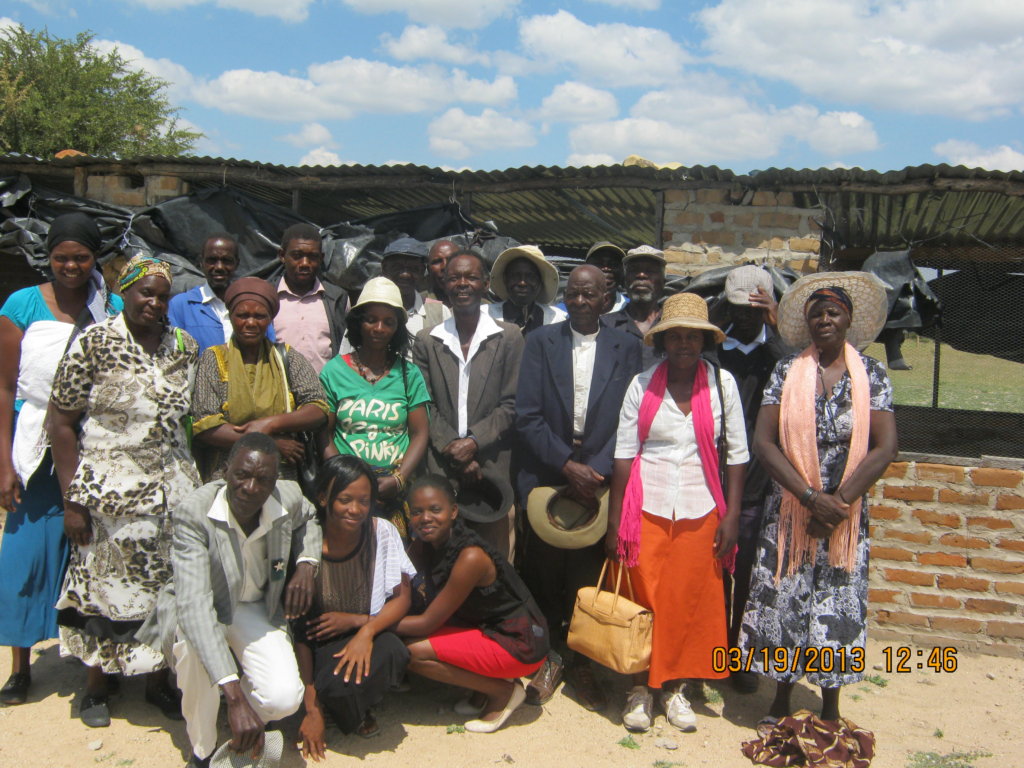
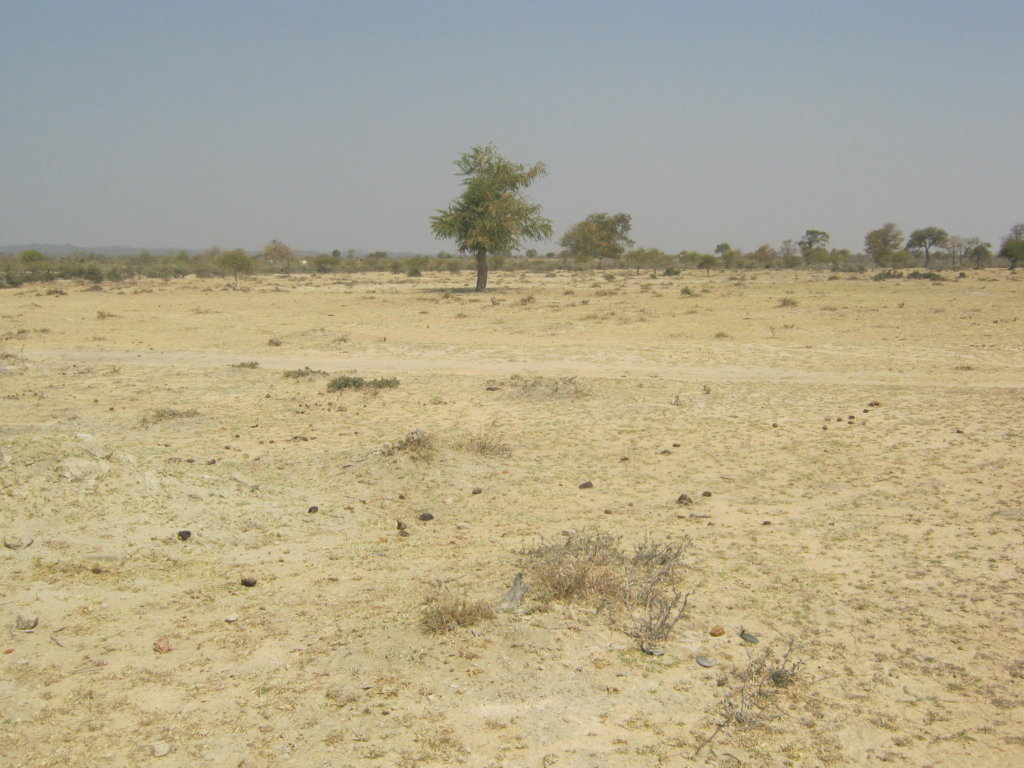
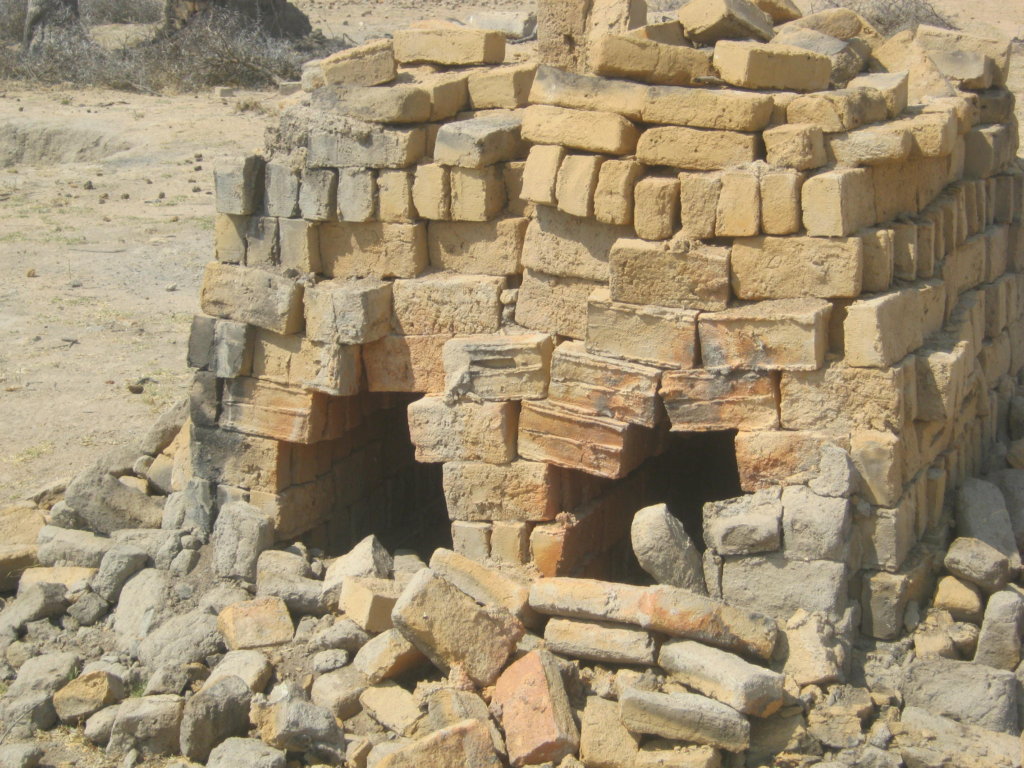
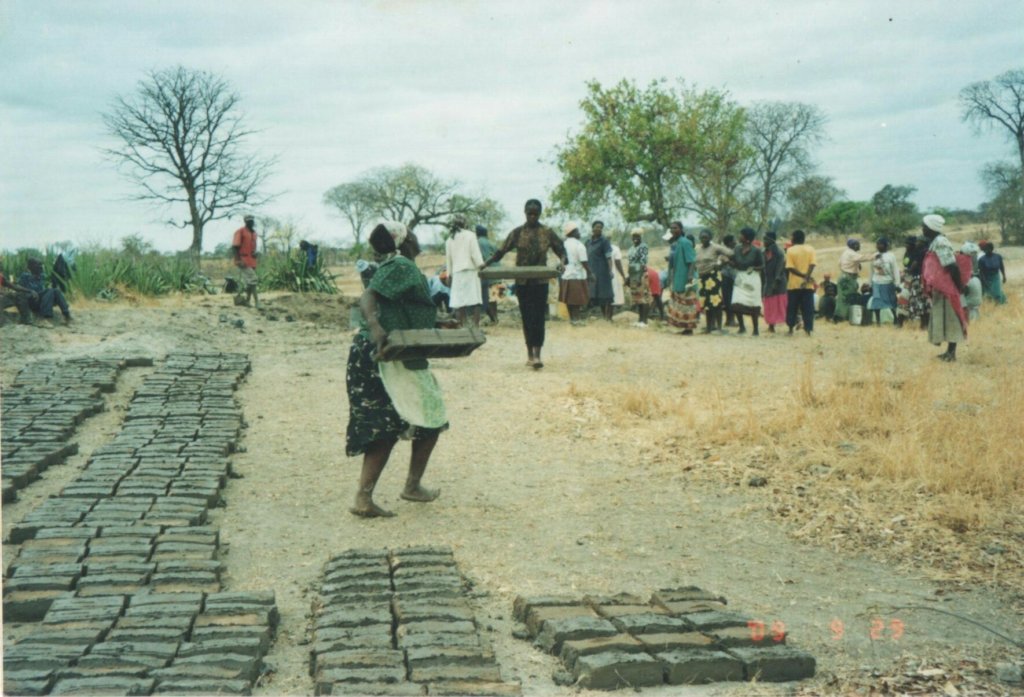
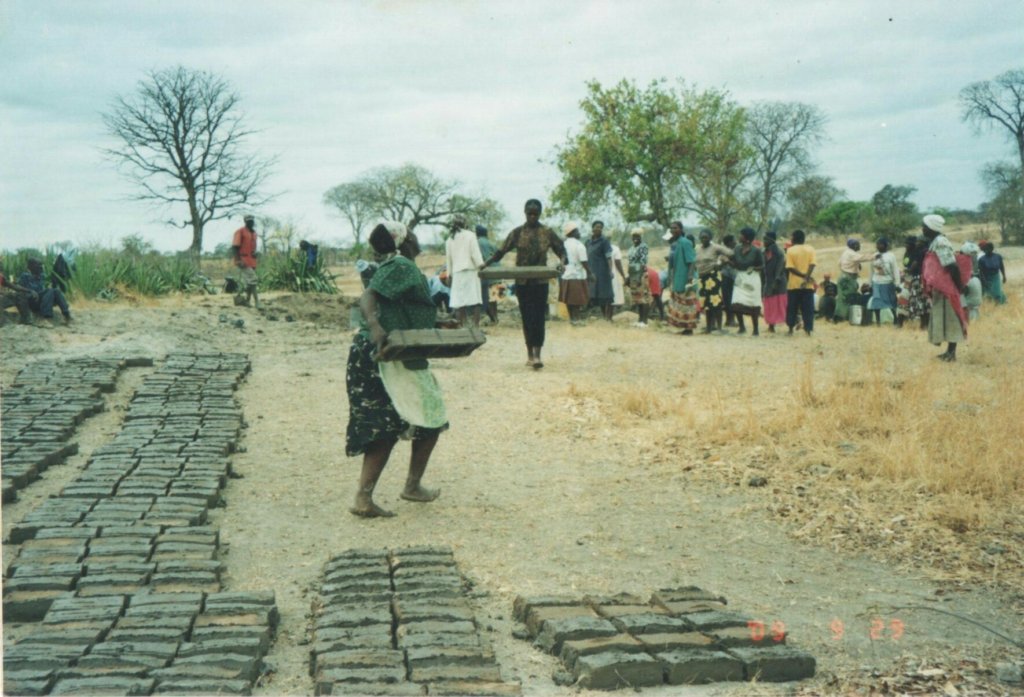
Education is an important aspect in every human’s life. In order for one to get sound education they need a conducive environment. This is what the communities of Mangwe district are aiming at providing for their children by constructing Mapukane Secondary School.
A new year has begun, but for many Zimbabweans it comes with many challenges. The Zimbabwean economy has been dwindling since the previous year, suffering inflation and rapid loss of value against the United States dollar. This has resulted in the escalation of prices beyond the ordinary man’s reach. To add salt to injury, nature has also not been very kind to the nation. No rains fell during the rainy season meaning therefore that farmers especially subsistence farmers, who are also local donors to the project, were greatly affected.
The above challenges may seem divorced from the project but they in fact contribute to great extent to the progress to the project or the lack of it. Construction of the school relies mainly on donations from the communities themselves. However, these very communities rely on subsistence farming and also buying and selling of small commodities. With this environment, it has become near impossible for them to contribute financially towards the construction of the school.
It is in light of these challenges that the communities resolved to grow the funds received so far by adopting the micro credit facility scheme within their community. This is not a foreign concept to this community. Small operations are in existence since 2016 when Community Foundation for the Western Region of Zimbabwe introduced the Qogelela program which is a Community Endowment Building programme. In order to grow their funds, the participating communities adopted the microcredit facility scheme.
The main goal of this scheme is ultimately to give the people a source of capital that they otherwise did not have access to. With the loans they receive they are able to start small businesses and pay the loan back with interest. The interests received are ploughed back in to the fund. Over a period of time it is expected that the fund available, which will act as a seed fund would have grown by a certain percentage.
One advantage of this scheme is that it is solving a community problem, which is the lack of access to loans for capital to start businesses thus giving the communities an opportunity to become self-sufficient. Once they are able to sustain themselves, it is believed that they will also become active contributors to the project.
As the old saying goes, we never make a journey of a thousand miles by fretting about how long it will take or how hard it will be. We make the journey by taking each day step by step and then repeating it again and again until we reach our destination. It is so with the Mapukane project. It is not about how long it will take to construct the school but about pooling together the little resources we have until they are enough to construct the school.
The communities remain determined to see the project through. The Community Foundation for the Western Region of Zimbabwe will also continue soliciting funding from various donors. We appeal to you on behalf of the communities to share this initiative with your networks. You may share with us information about organisations that you know may assist this community in realising their dream.
Links:
Project reports on GlobalGiving are posted directly to globalgiving.org by Project Leaders as they are completed, generally every 3-4 months. To protect the integrity of these documents, GlobalGiving does not alter them; therefore you may find some language or formatting issues.
If you donate to this project or have donated to this project, you can receive an email when this project posts a report. You can also subscribe for reports without donating.