By Aivaras Karalius | Member of the Management Board
Bucha Forest Classroom - 2025 In Review
The Bucha Forest Classroom project successfully delivered a carbon-neutral, community-built educational space in Bucha, Ukraine, during the period from February to November 2025. Implemented in a highly challenging, war-affected context, the project exceeded its original objectives in terms of quality, scale, and social impact. With the support of donors, partners, and volunteers, an underused area of Bucha’s public park was transformed into a safe, inclusive, and inspiring environment for education, environmental learning, and community recovery.
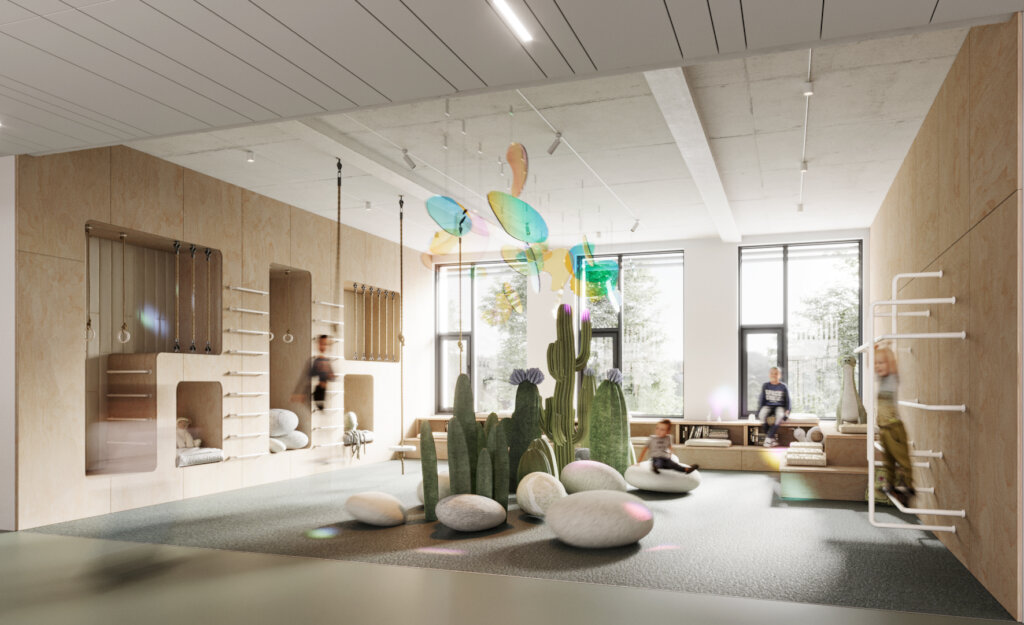
The project was created in response to urgent educational and psychosocial needs in Bucha following occupation and continued insecurity. Its core purpose is to provide children and the wider community with access to a nature-based learning space that supports both formal and informal education, while also offering a place for social connection and emotional resilience. The primary beneficiaries include school-age children and youth, among them internally displaced children, teachers and schools using the space for outdoor and interdisciplinary learning, local environmental and community-based organisations, and the broader Bucha community, including families, elderly residents, and vulnerable groups. The classroom and all surrounding areas were designed to be fully accessible, ensuring inclusive use by people with disabilities.
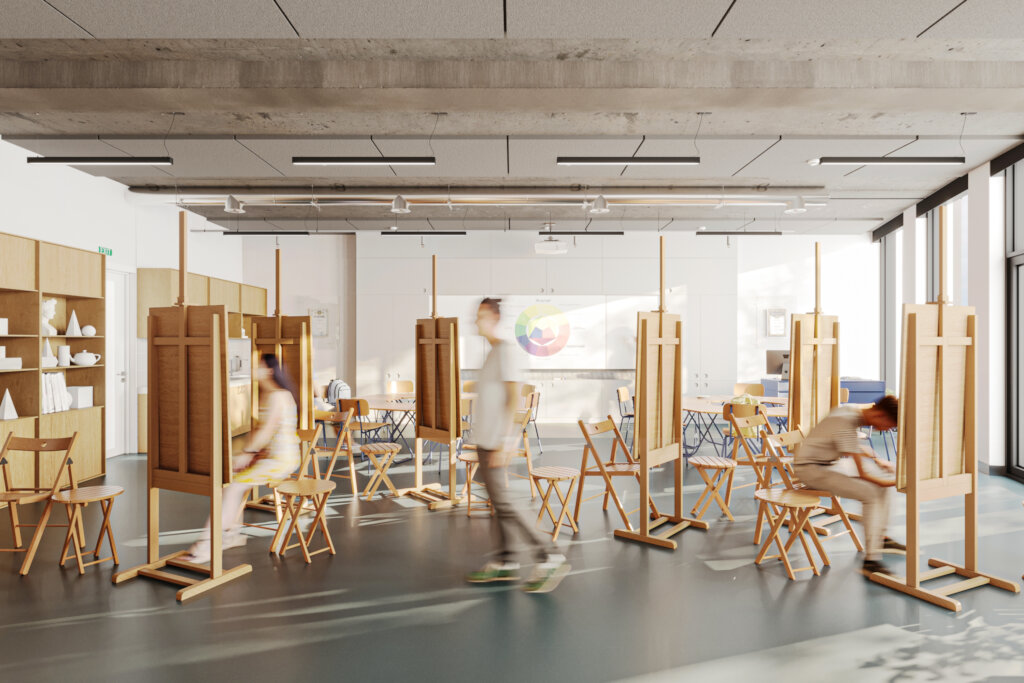
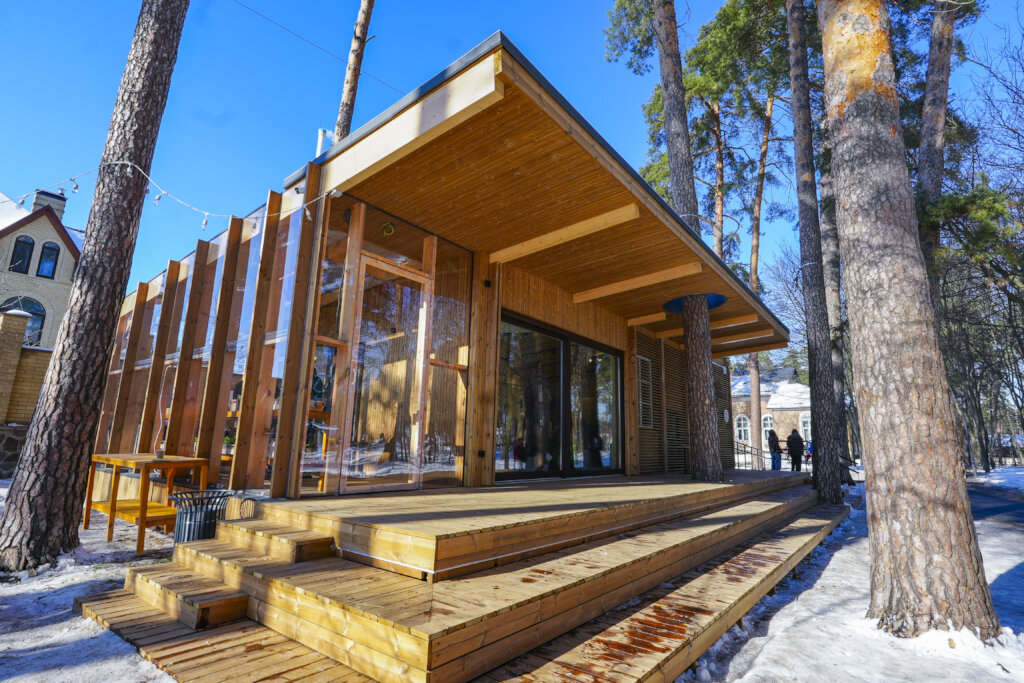
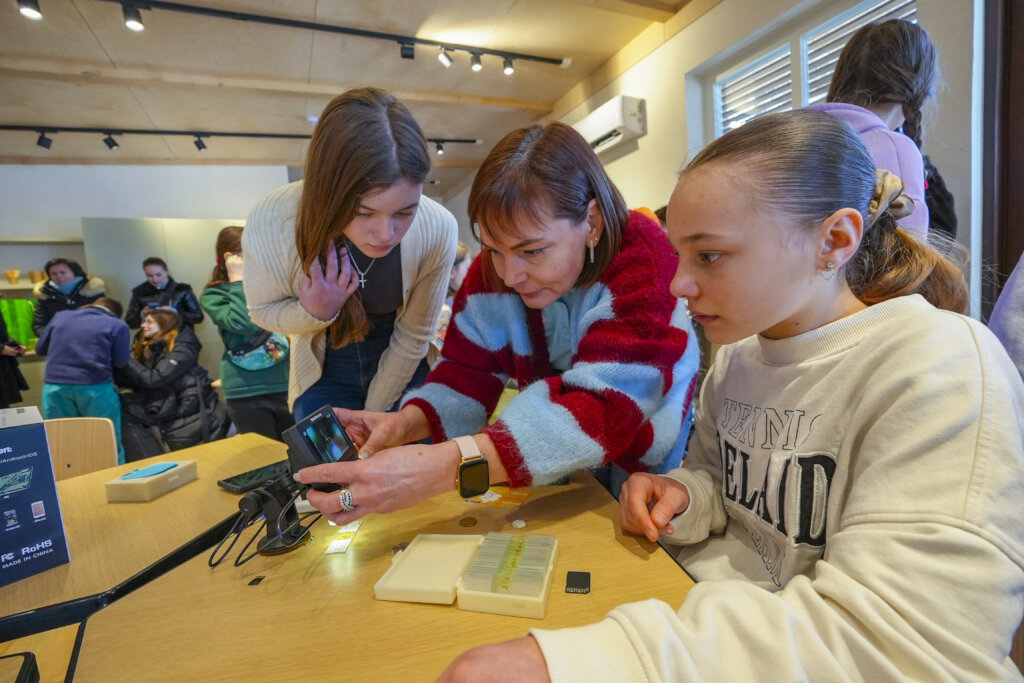
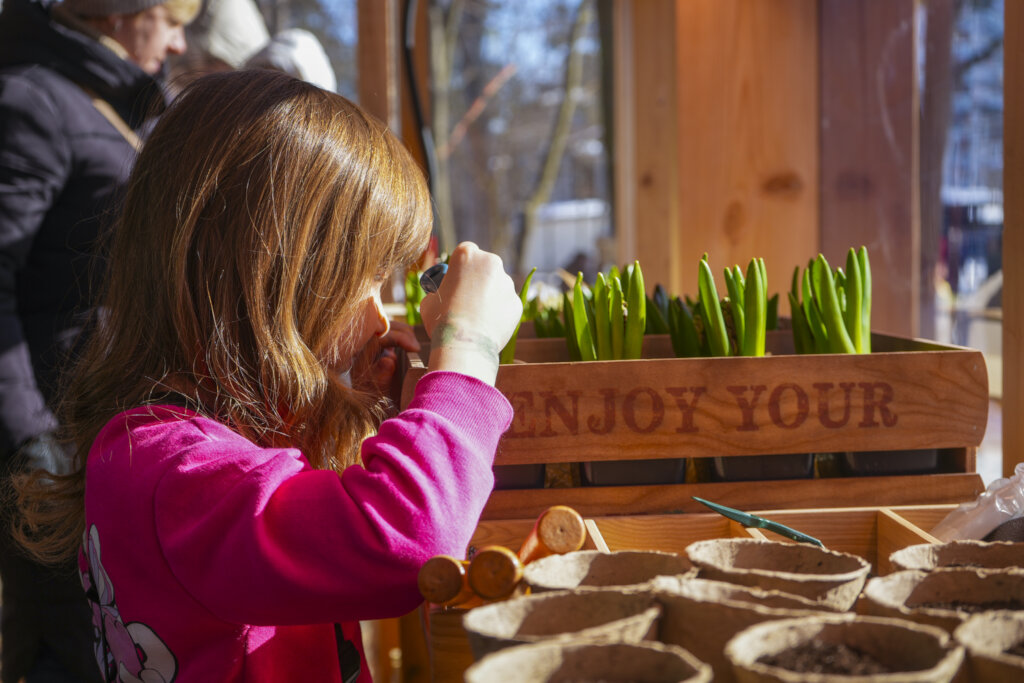
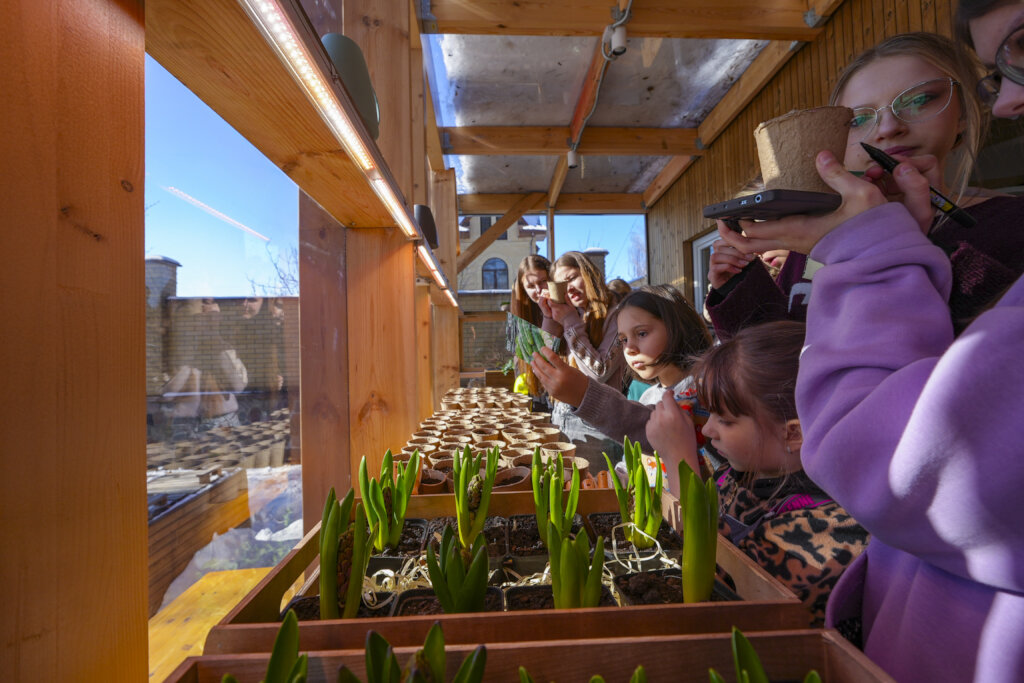
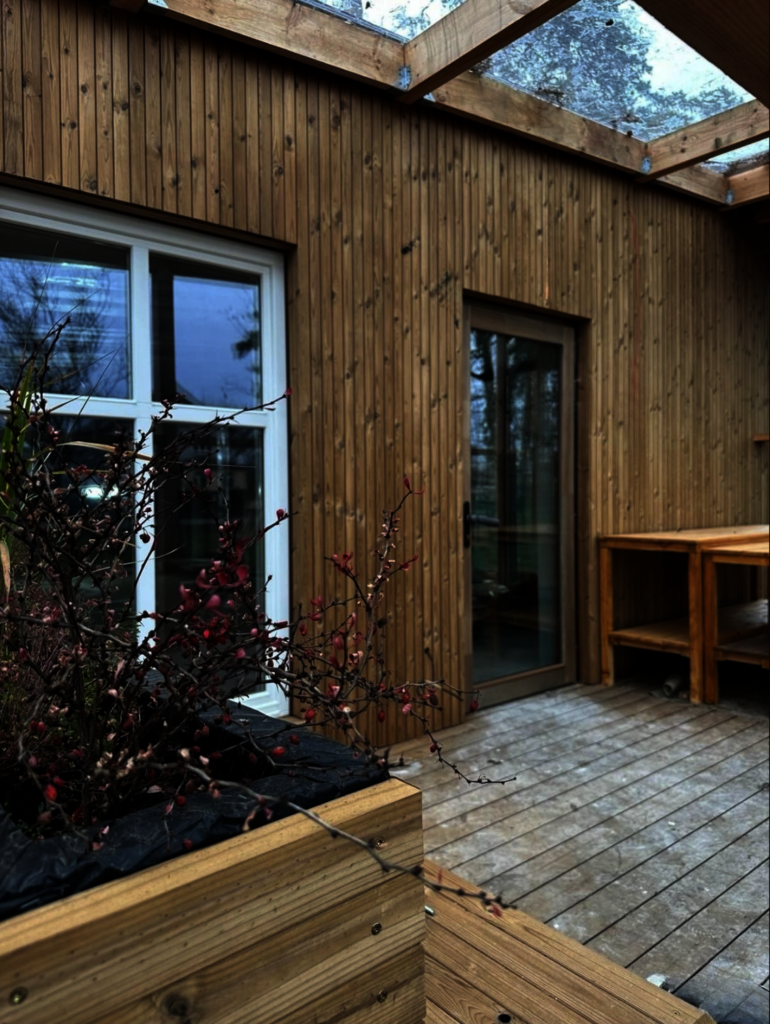
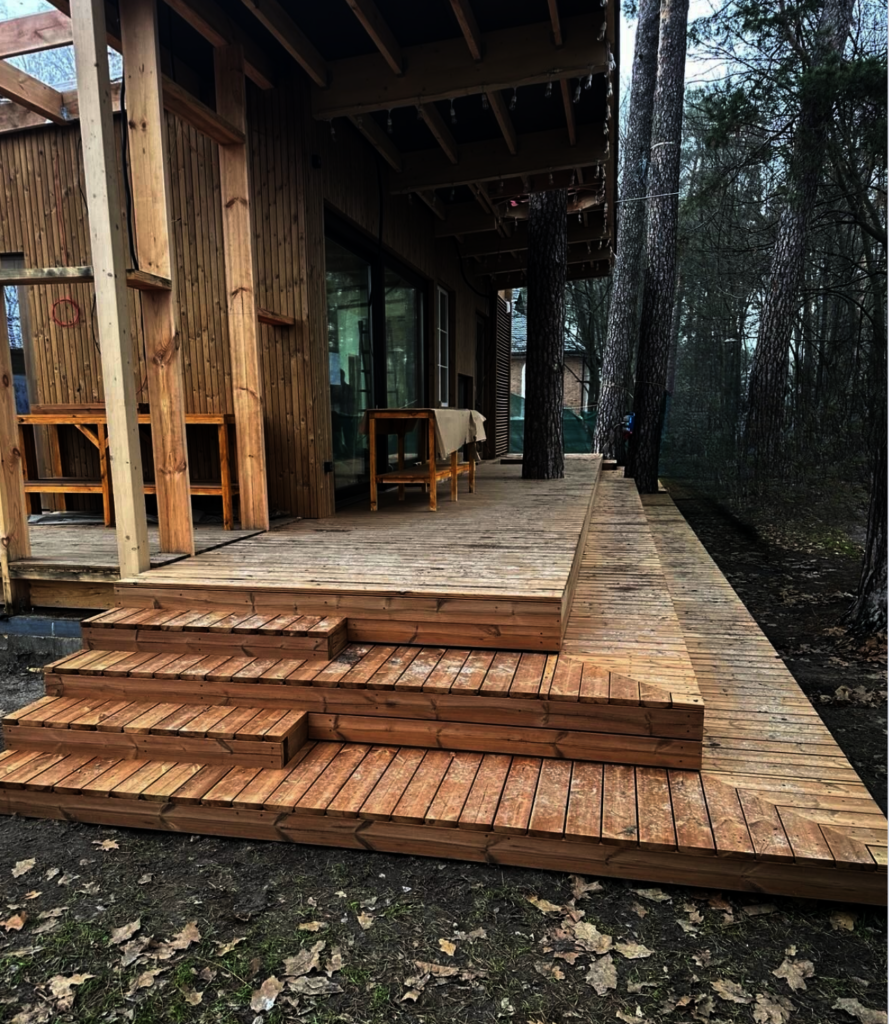
With donor support, the project delivered a fully operational and high-quality educational facility that significantly surpassed the original scope. The Bucha Forest Classroom was constructed using sustainable and circular materials such as straw wall panels, glue-laminated timber, and thermowood, enabling carbon-neutral operation over its lifetime. A greenhouse and raised-bed garden were integrated to support hands-on environmental education and community gardening. The building is powered by a solar energy system with battery storage, ensuring energy autonomy and low operational costs. The interior was fully furnished and equipped for educational use, including modern learning equipment, while safety systems such as fire alarms, access control, and surveillance were installed to ensure long-term security. Biodiversity protection measures, including bird-safe window treatments, were incorporated to minimise environmental impact. The classroom was officially opened for community use in October 2025 and is already actively used for educational and community activities.
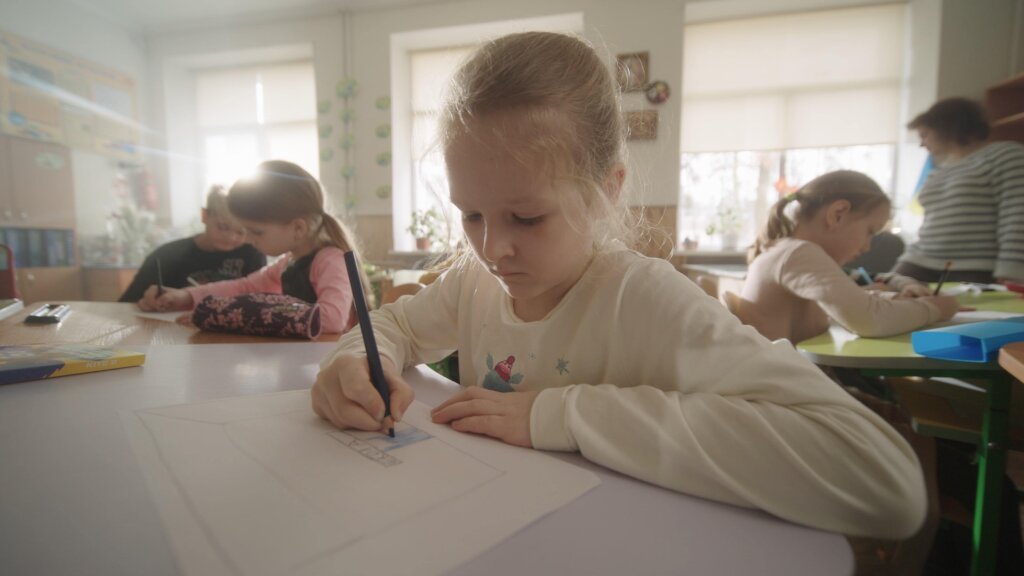
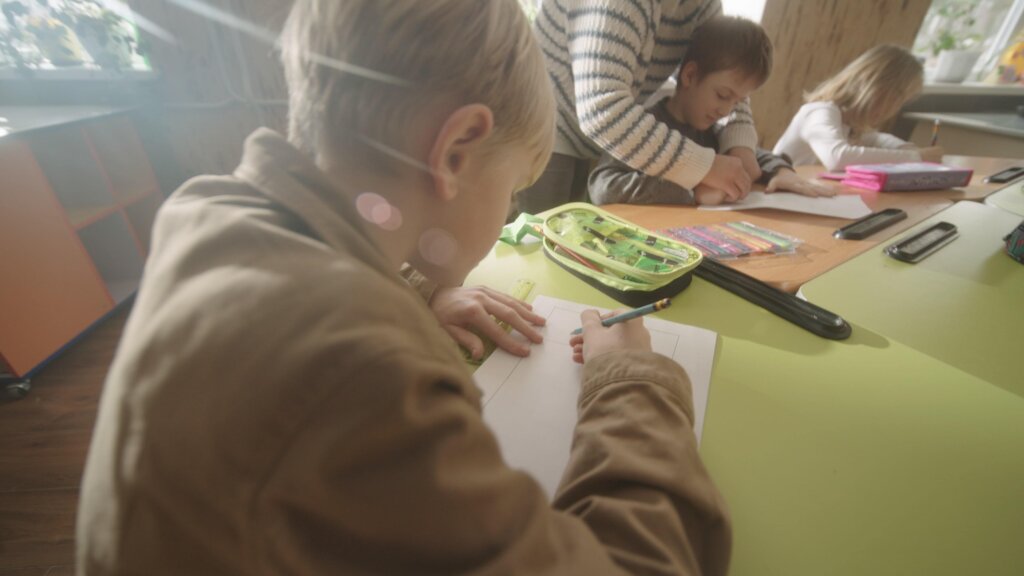
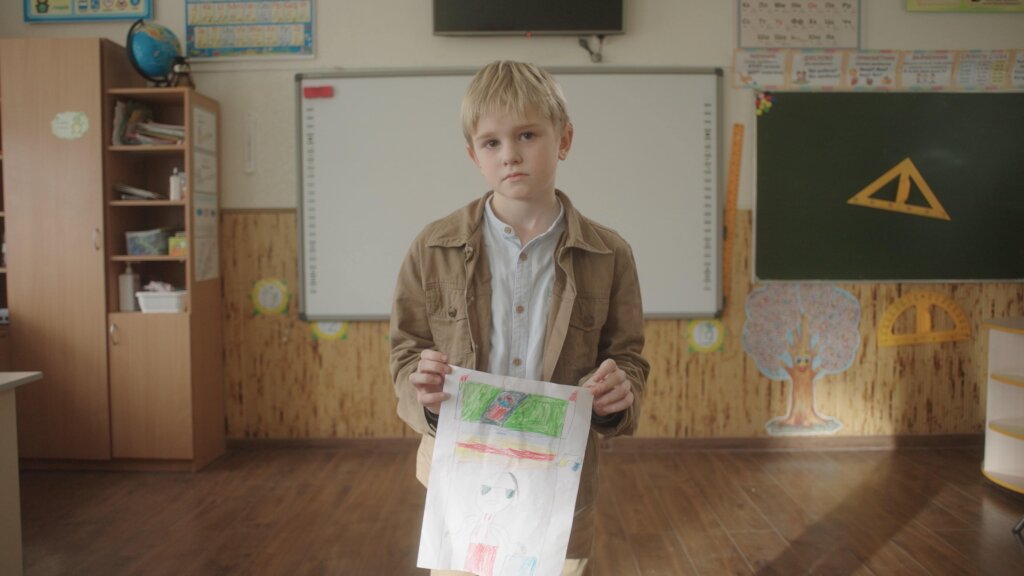
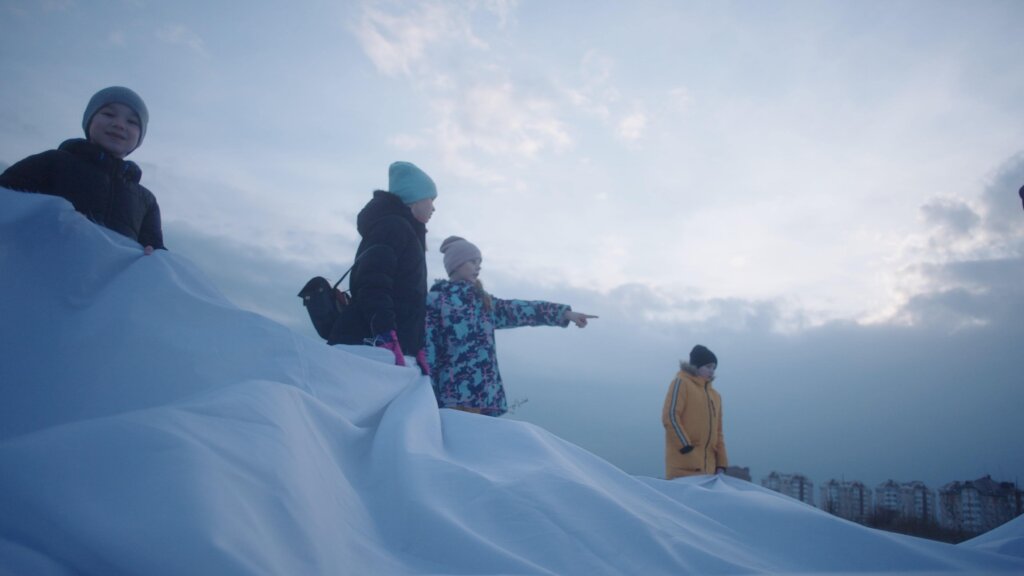
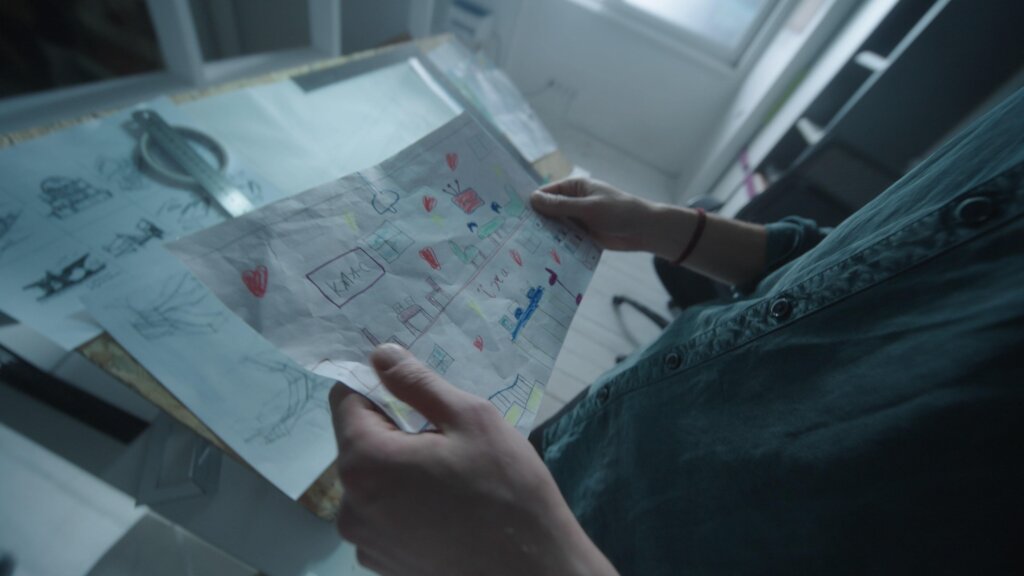
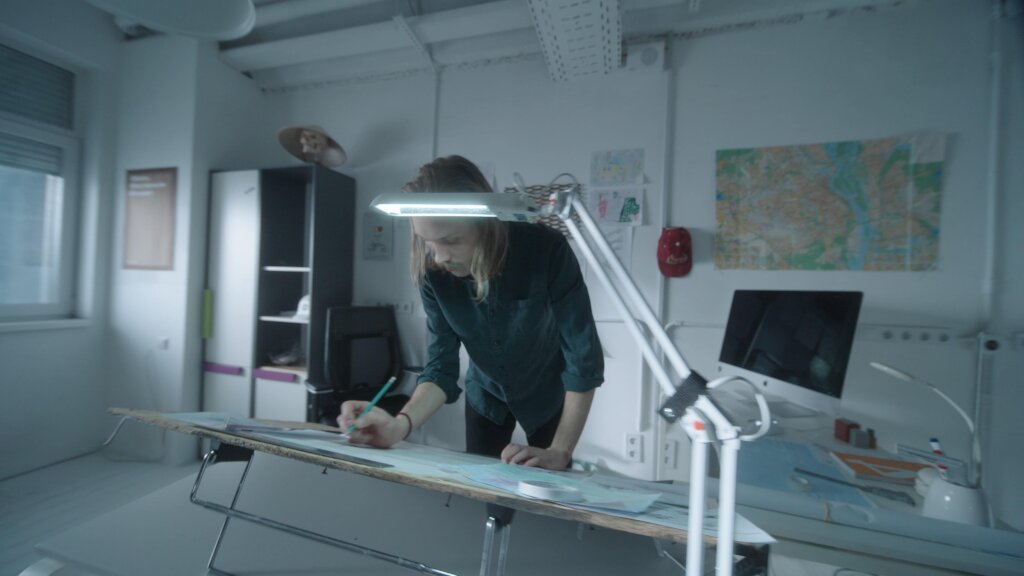
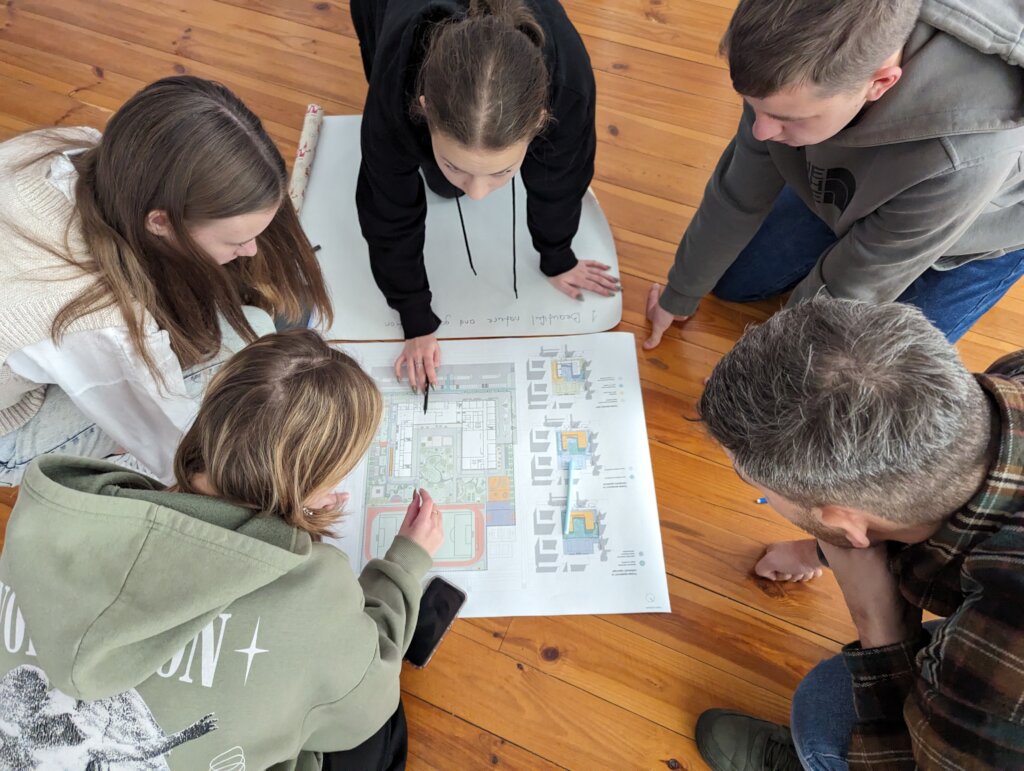
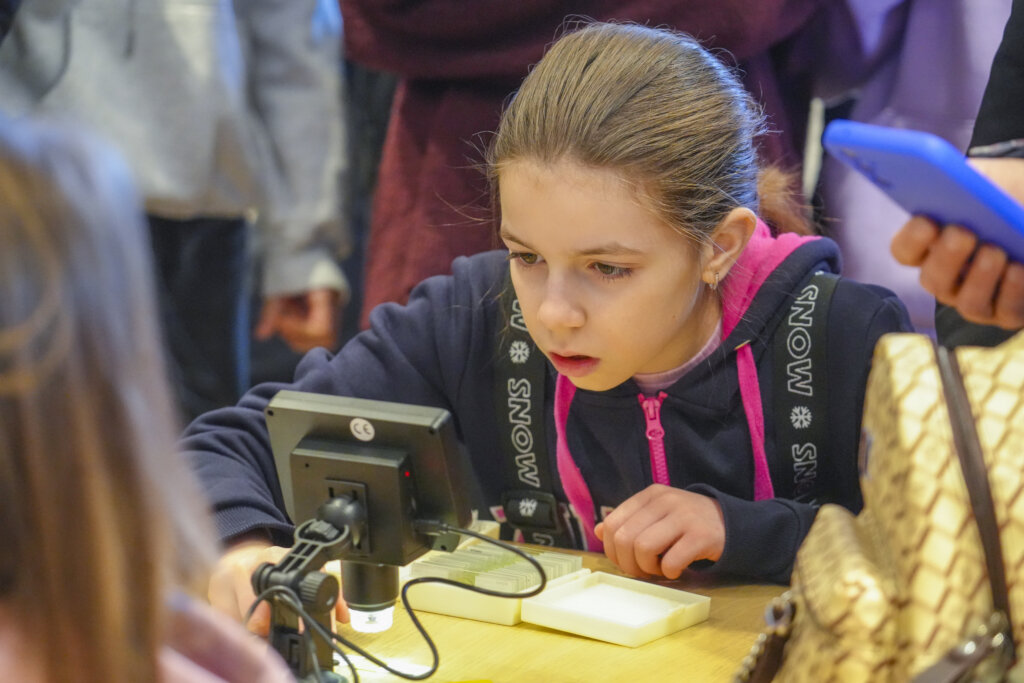
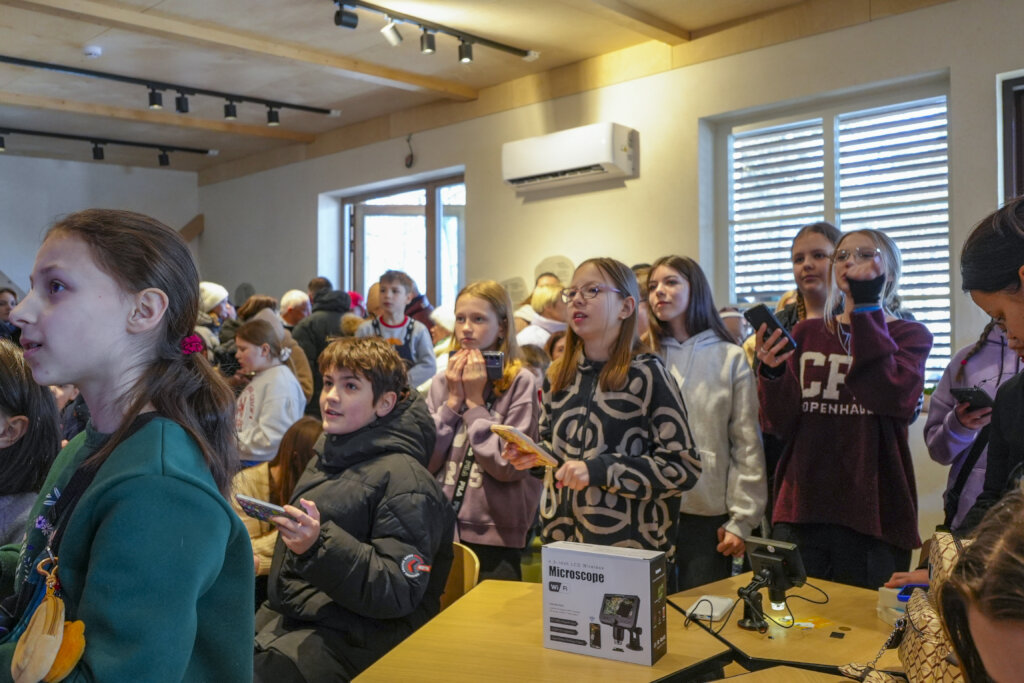
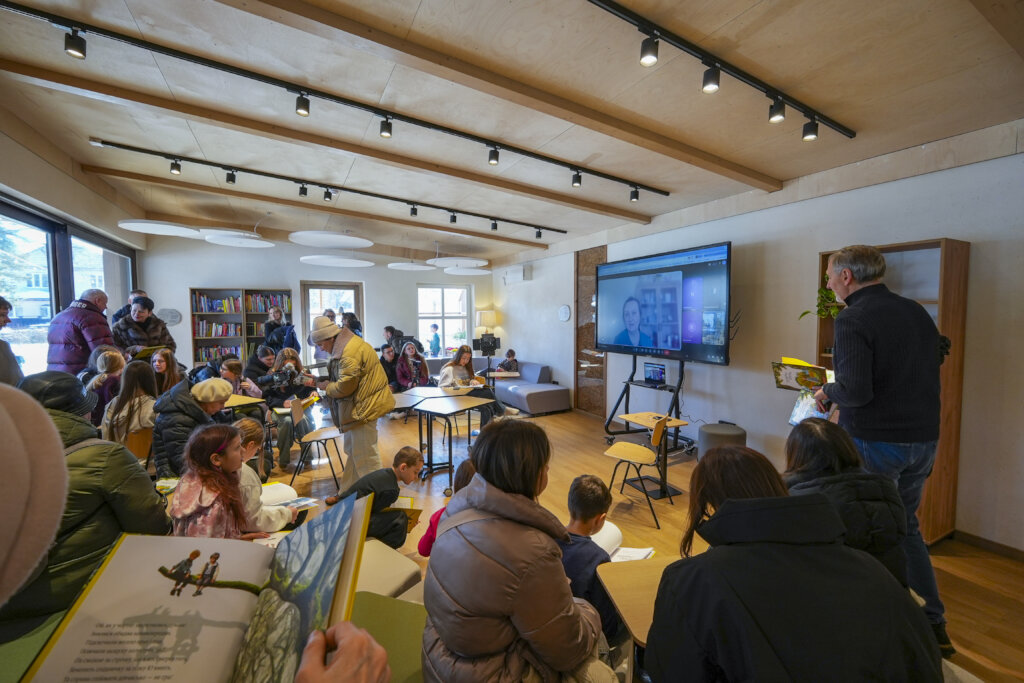
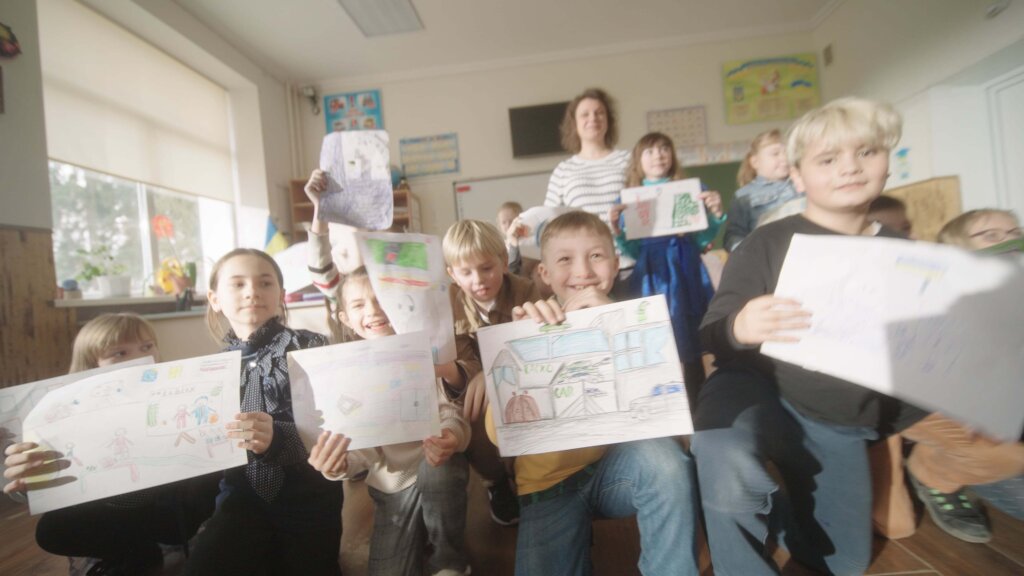
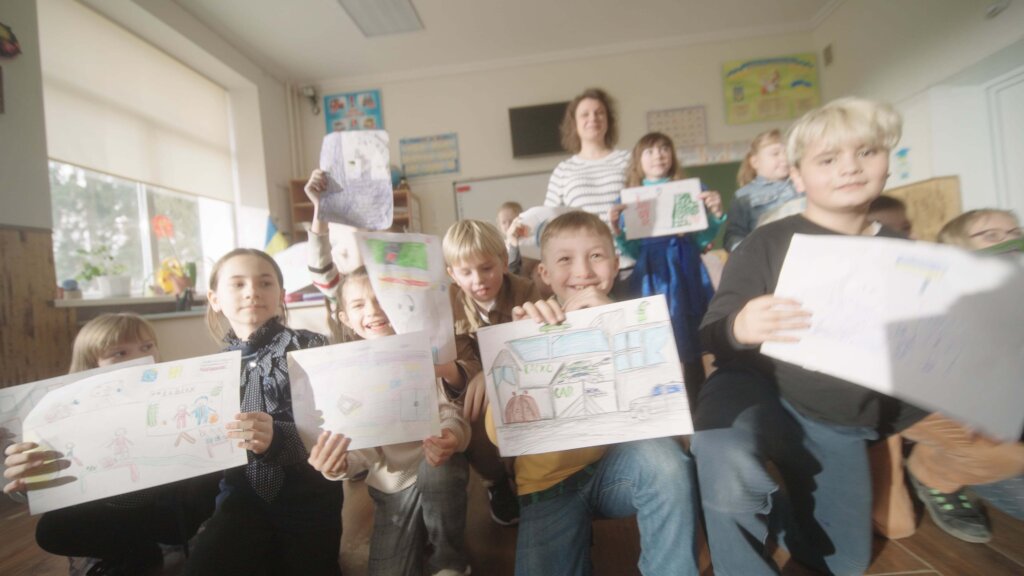
A defining feature of the project was its strong emphasis on community engagement and co-creation. Children and young people were not only beneficiaries but active contributors throughout the design and construction process. More than 211 participants took part in co-design and co-creation activities, exceeding the original participation target. Children contributed to selecting the location within the park, defining design priorities, and participating in hands-on construction workshops. Community members, municipal staff, international volunteers, and supporters worked together during key construction phases, fostering a strong sense of shared ownership and pride. This collaborative approach has laid a solid foundation for long-term stewardship and active use of the space.
Donor contributions were used efficiently and transparently to maximise long-term impact. Financial donations and in-kind support enabled the procurement of durable, high-quality materials, the installation of renewable energy and climate-control systems, and the provision of furniture and educational equipment. A significant share of professional services, including architectural and engineering design, supervision, and technical coordination, was provided pro bono by experienced professionals. As a result of exceptional in-kind donations and volunteer expertise, the overall value of the completed project increased approximately two and a half times compared to the original budget. While the initial plan envisaged an investment of €69,000, the final delivered asset is valued at around €200,000, achieved without a proportional increase in cash expenditure. More than €64,000 in in-kind contributions and over 1,200 hours of volunteer professional work substantially amplified the impact of every donated euro.
The project faced several challenges typical of a post-crisis and wartime environment. These included delays caused by regulatory objections and the need to relocate the building within the park, workforce shortages resulting from mobilisation in Ukraine, and funding and payment delays related to cross-border transactions. These challenges were addressed through close cooperation with the Bucha municipality, rapid redesign by the architectural team, strong volunteer engagement from Lithuania and other countries, and additional fundraising and municipal co-financing. Despite these constraints, the project was completed safely and successfully, with only a minor delay relative to the revised timeline.
The impact of the Bucha Forest Classroom is already visible across educational, social, environmental, and institutional dimensions. The project created 30 new inclusive learning places in a public green space and strengthened children’s sense of agency, confidence, and emotional resilience. It brought together people aged five to seventy-two from multiple countries, reinforcing community cohesion and intergenerational cooperation. Environmentally, the building operates on a carbon-neutral basis, with an embodied carbon footprint approximately 65 percent lower than a conventional building. Biodiversity-friendly design and ecological landscaping further enhance the surrounding park environment. Institutionally, the project influenced local practices by demonstrating the value of participatory design and sustainable construction, and it is already being used as a model for replication in other Ukrainian communities.
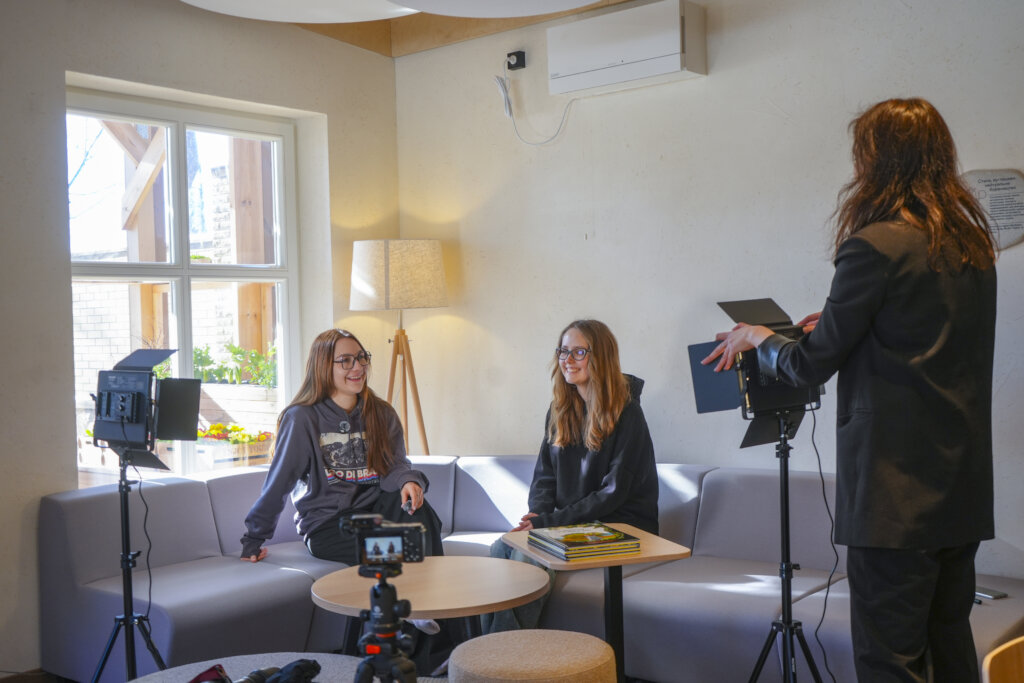
Long-term sustainability of the Bucha Forest Classroom is ensured through municipal ownership and responsibility for maintenance and operations. Low running costs, enabled by renewable energy systems and durable materials, support continued accessibility. The classroom is fully integrated into school programmes and community activities, ensuring regular use. Plans for 2026 include expanded educational programming, the launch of a child-led sustainability podcast using the classroom as a recording space, and further replication of the model within Bucha and other municipalities.
The Bucha Forest Classroom would not have been possible without the trust, generosity, and solidarity of its donors and supporters. Your contributions enabled not only the construction of a building, but the creation of a living, evolving space for learning, healing, and community renewal. The impact of your support continues every day the classroom is used, every child who learns there, and every community member who finds connection and hope within this shared space.
Project reports on GlobalGiving are posted directly to globalgiving.org by Project Leaders as they are completed, generally every 3-4 months. To protect the integrity of these documents, GlobalGiving does not alter them; therefore you may find some language or formatting issues.
If you donate to this project or have donated to this project, you can receive an email when this project posts a report. You can also subscribe for reports without donating.



Support this important cause by creating a personalized fundraising page.
Start a Fundraiser