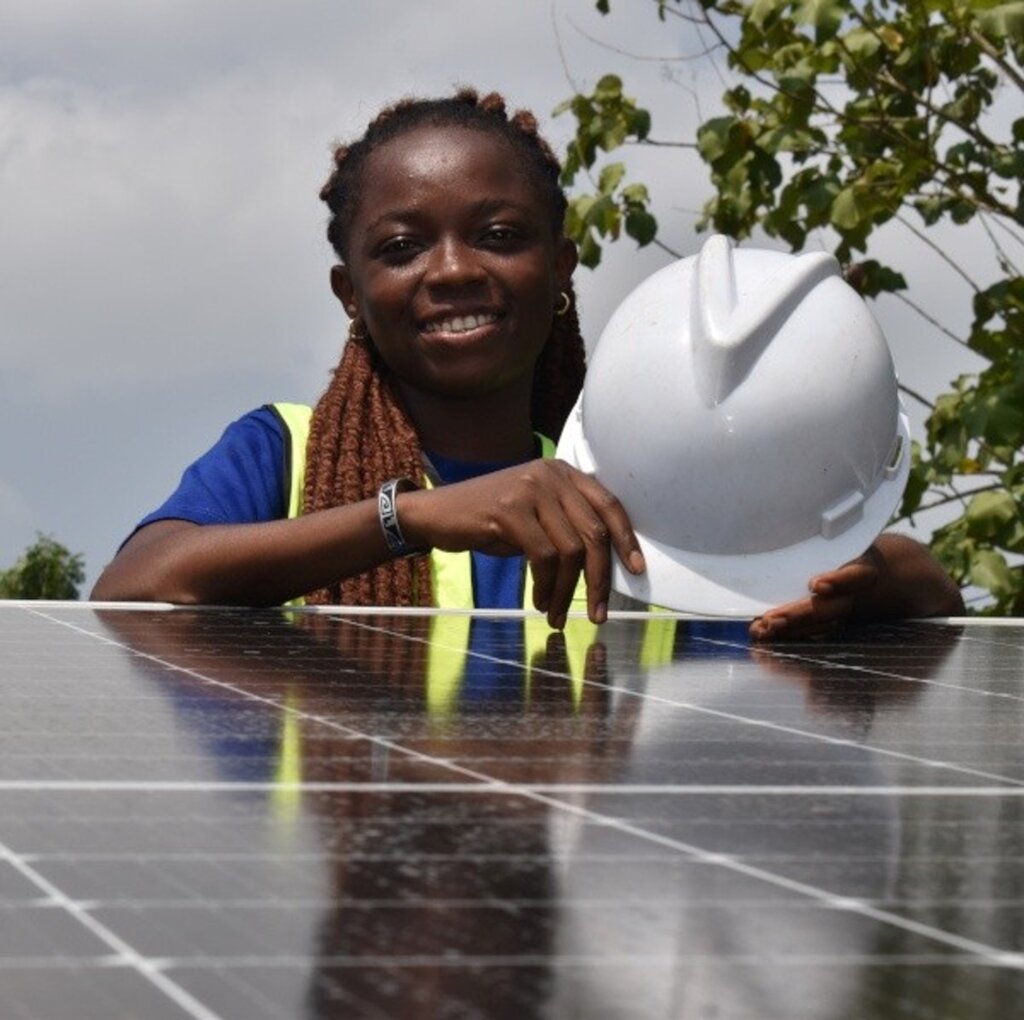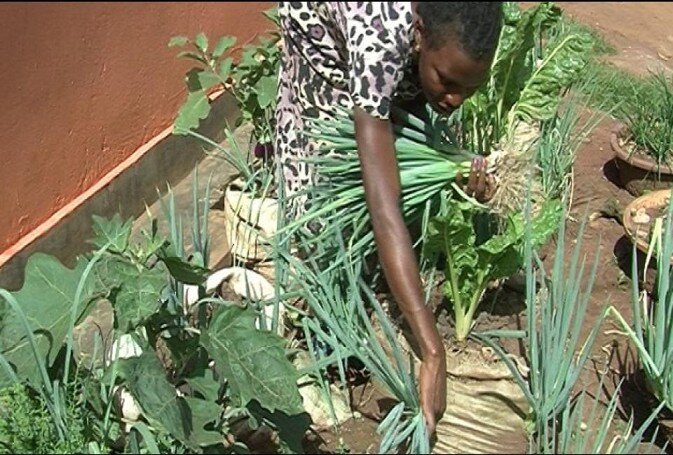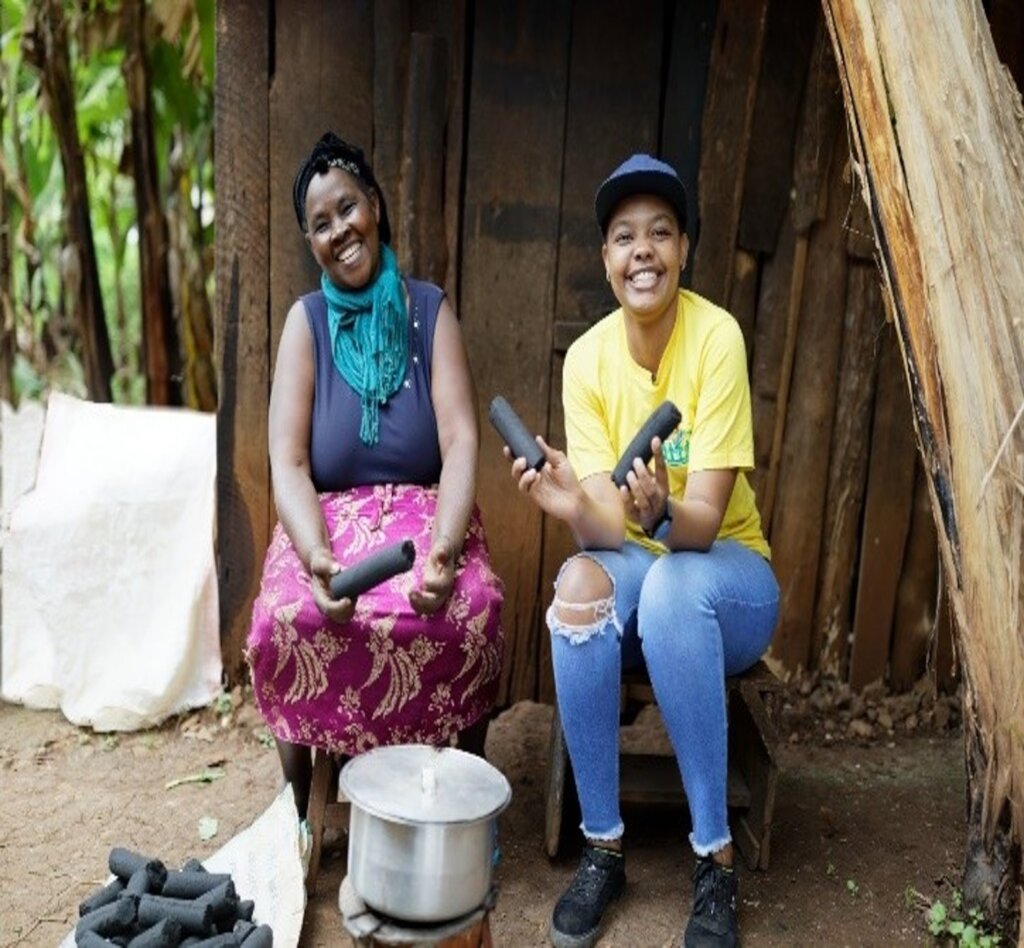
Iganga-one of Uganda's most densely populated districts-is losing its forests to cooking-fuel demand and lighting. SAP trains 300 young women, single mothers, and young men to manufacture eco-briquettes from agricultural waste, replacing charcoal, saving trees and solar panels for lighting. Graduates launch micro-enterprises, earning sustainable income while protecting the environment. A generation chained to poverty finds economic freedom through clean energy
Iganga's forest cover has declined by 37% in a decade due to charcoal demand (NEMA Uganda 2023). 68% of girls aged 15-24 are out of school, many in forced early marriages fueled by poverty and GBV. Domestic labour export to Arab countries through deceptive recruitment traps hundreds annually. Without local income opportunities, families remain in destructive cycles of environmental degradation and human rights violations.
SAP operates two briquette training workshops and two solar training workshops, each serving 300 youth per cycle. Trainees master production using sugarcane bagasse, rice husks, and maize cobs-all locally abundant. Each graduate receives a starter production kit for briquette and solar linked to organized market channels including schools, restaurants, and institutions. Peer mentors and a revolving micro-loan fund sustain enterprises beyond the training period.
600 trained youth launch income-generating briquette and solar enterprises within 6 months of training. Household incomes rise by an average of $45/month, eliminating the desperation driving early marriage and unsafe migration abroad. Forest destruction in Iganga decreases as briquettes and solar panels replace charcoal for 2,500 households. Girls remain in school, GBV rates fall, and a new generation of environmental entrepreneurs transforms Iganga
This project has provided additional documentation in a PDF file (projdoc.pdf).



Support this important cause by creating a personalized fundraising page.
Start a Fundraiser