By Flor Caniz | Technology Coordinator and Trainer
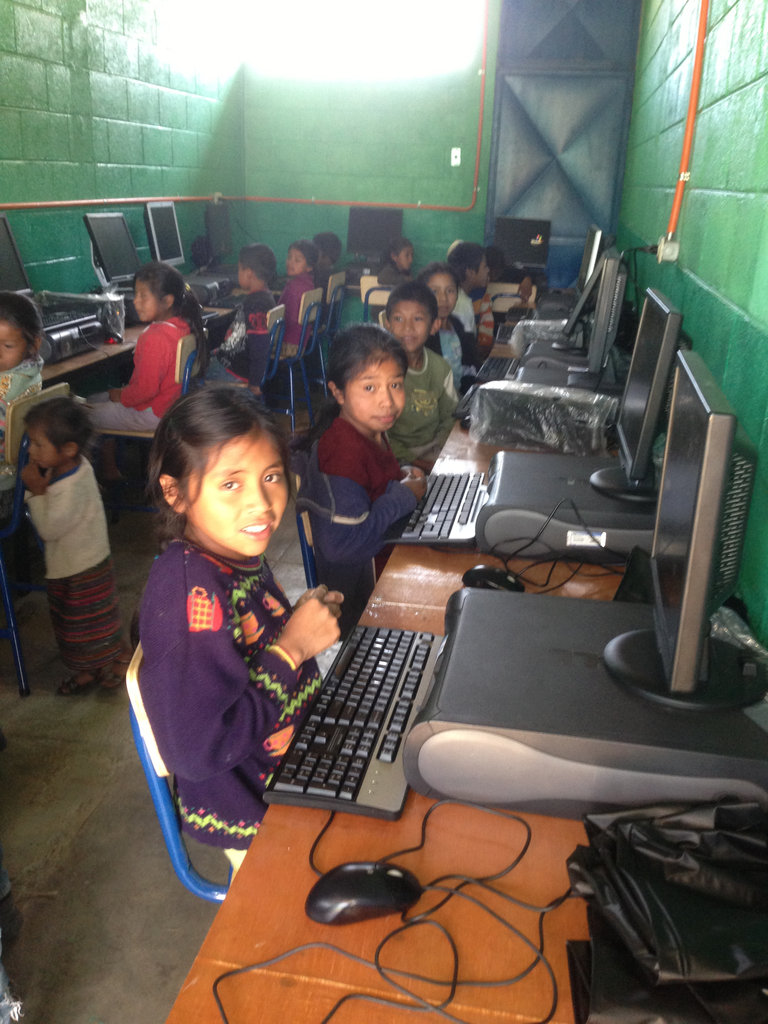
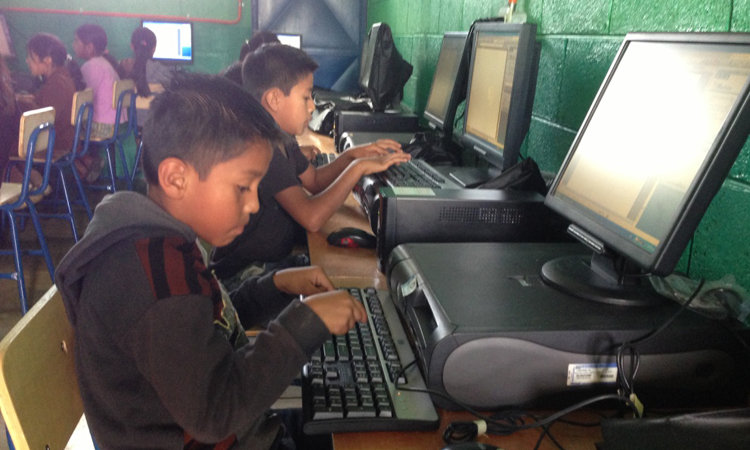
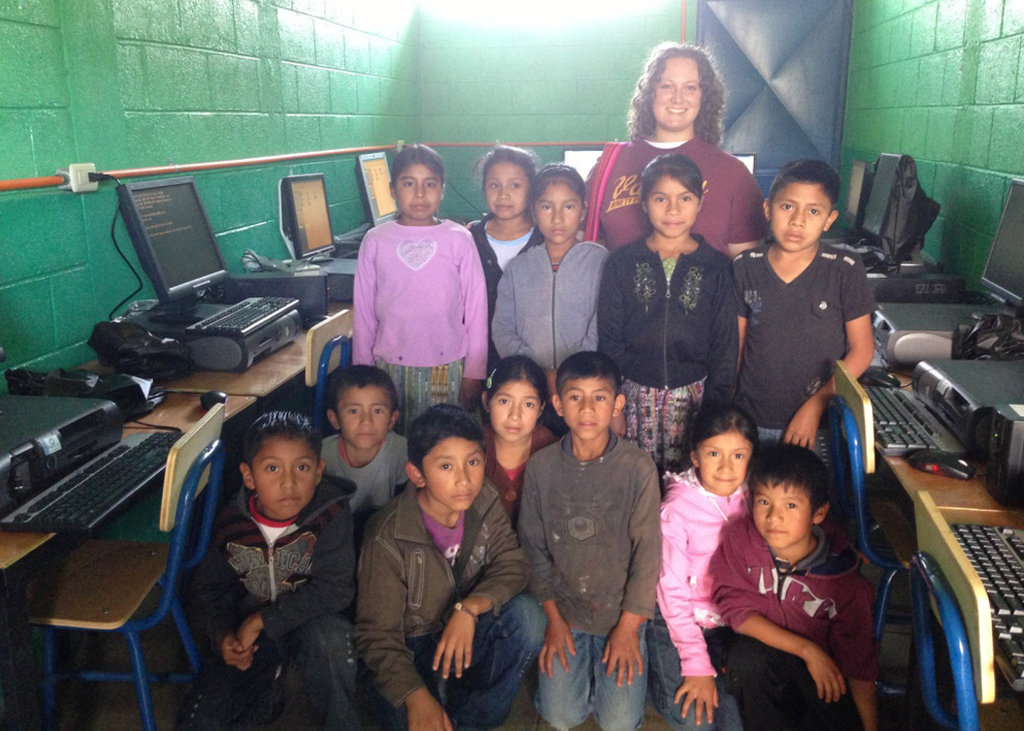
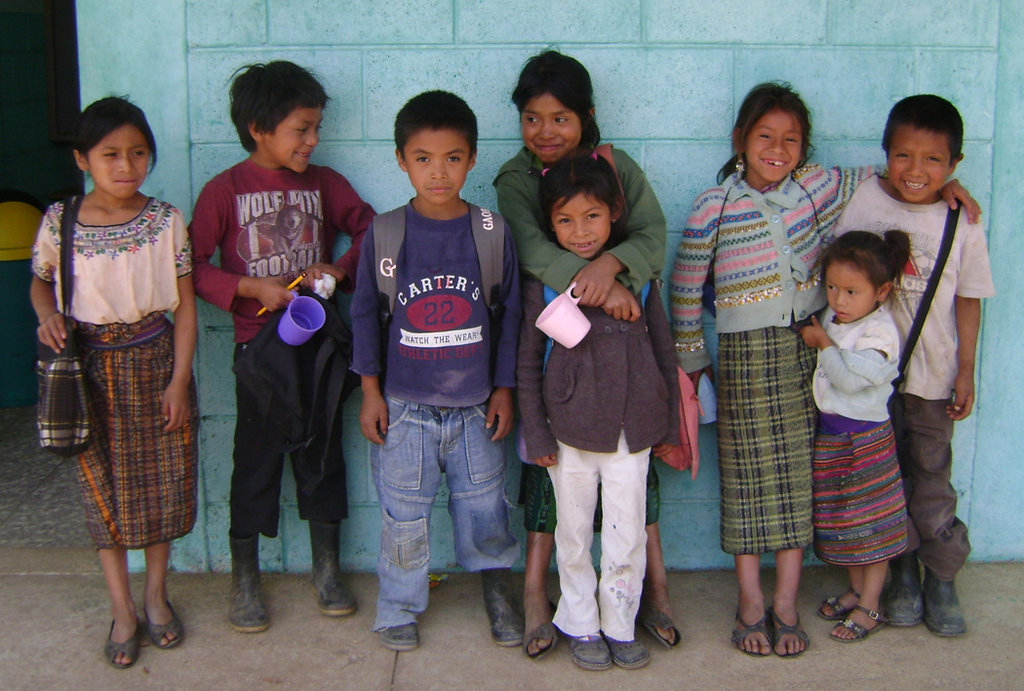
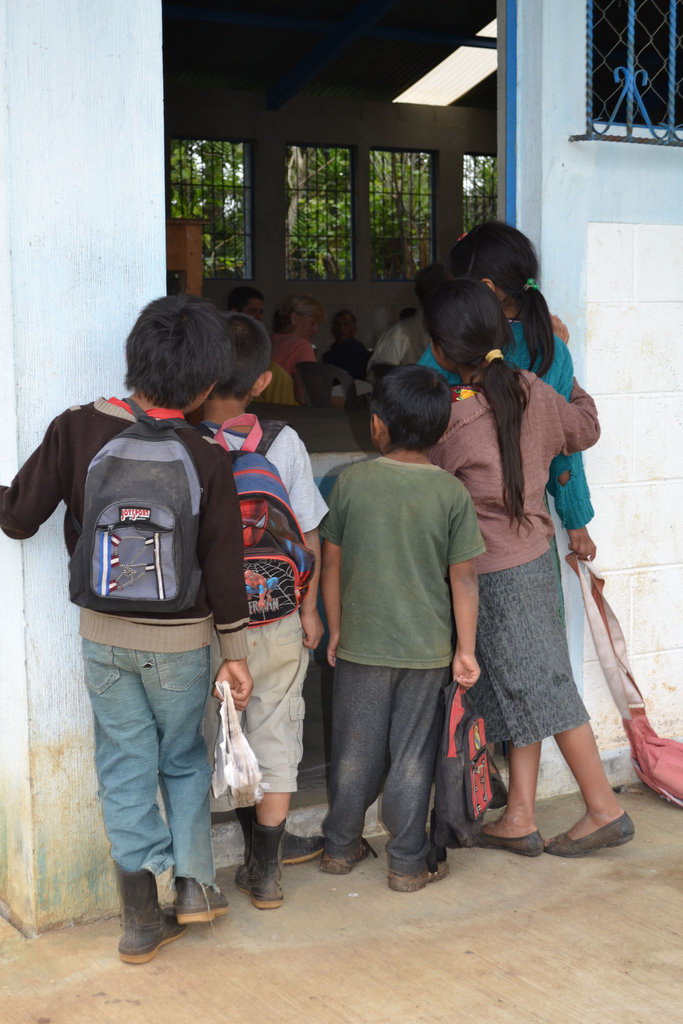
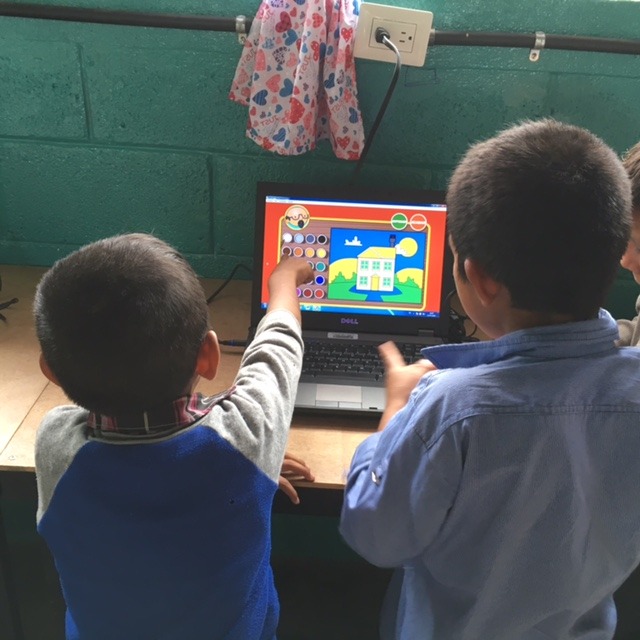
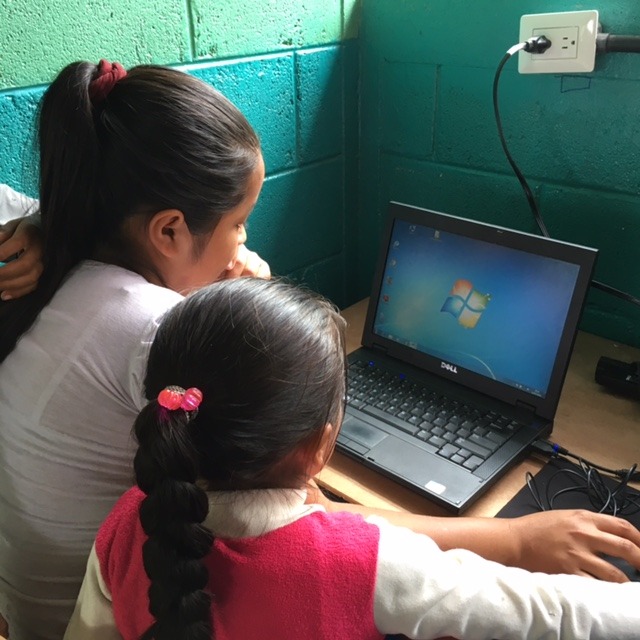
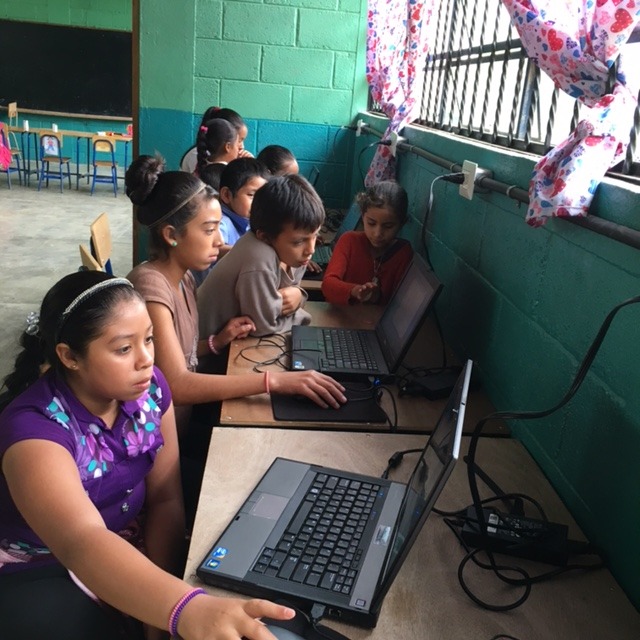
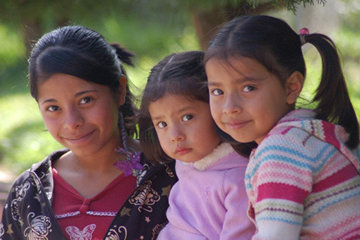
"They have never touched a mouse" exclaimed Garrett when he arrived in Las Escobitas last week to start computer classes. Garrett was among a small group of young adults spending several days in this remote village helping the 40 students learn computer skills.
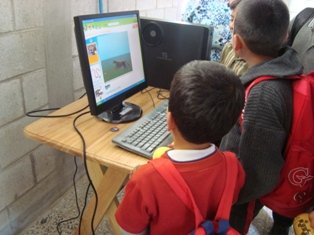
Until last week there were no computers in this school and the kids had no idea the potential they would uncover during their computer classes. None had ever touched a mouse or keyboard.
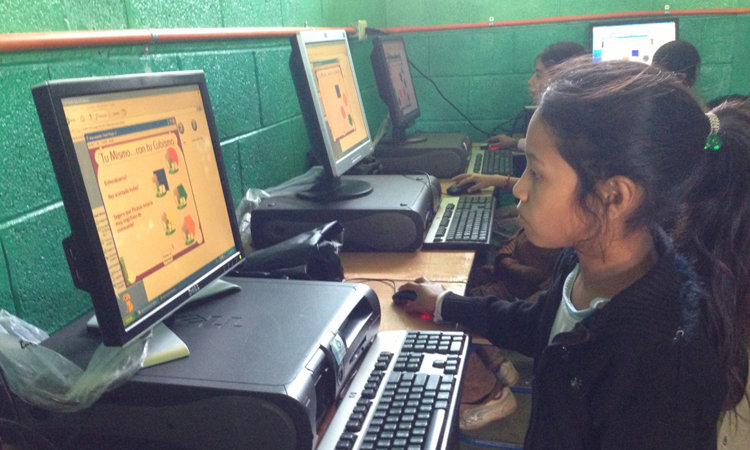
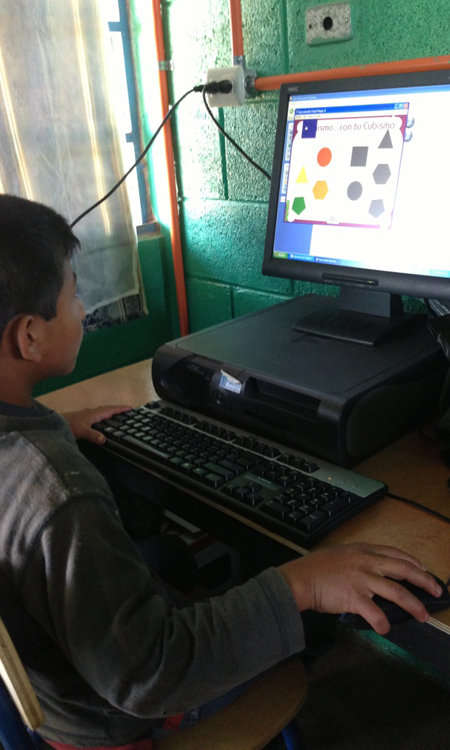
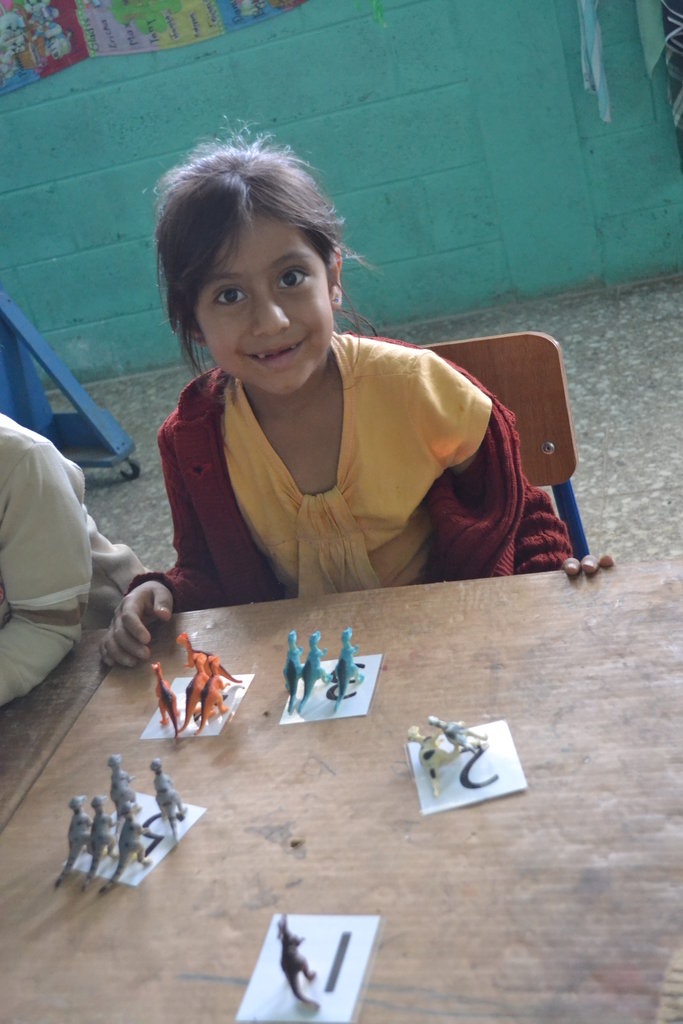
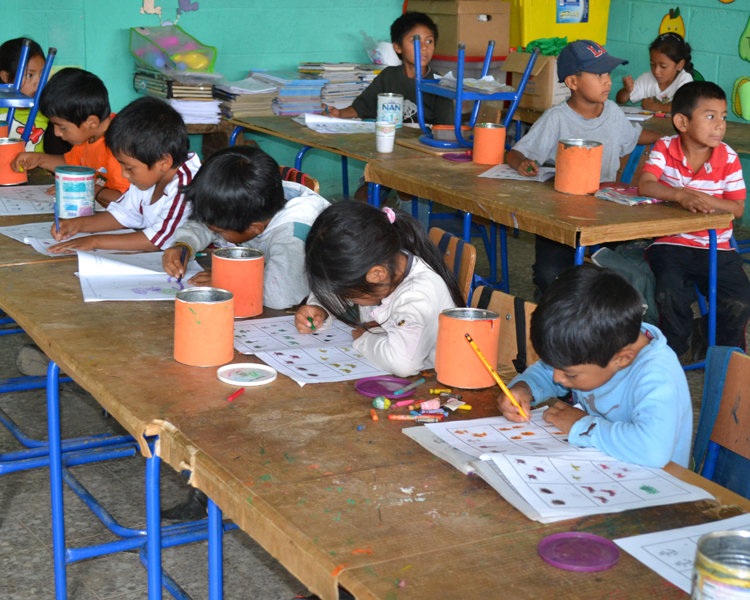
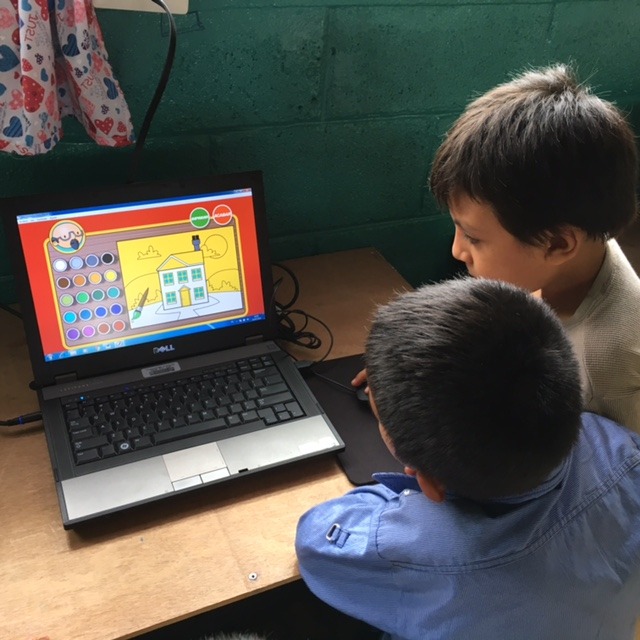
Maria Jose, 13, learned she could write words by touching letters on the keyboard. Edras, age 12, discovered he could color houses with a click of the mouse. Isabel, 9, liked listening to English words. Alajandro, age 7, enjoyed counting fish and frogs to improve his math skills.
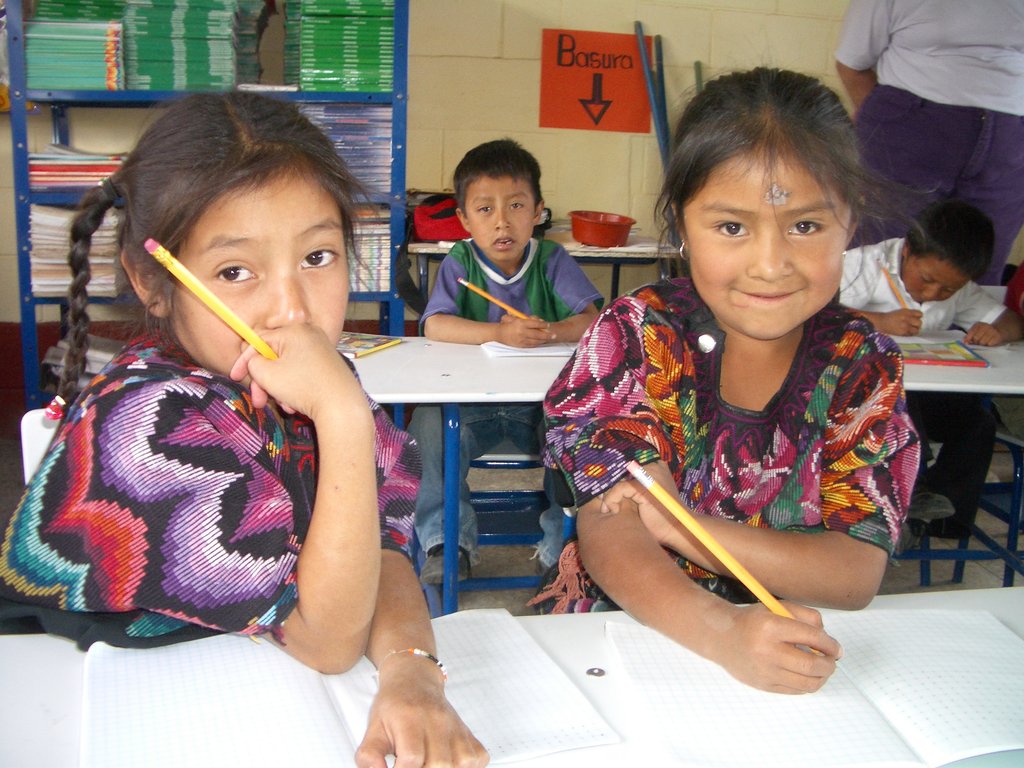
Learning to use a computer in school in the U.S. is taken for granted. But in the remote villages in San Martin, Jilotepeque, the students can't image a computer in their classroom. Very few teachers have even used a computer.
There are no books and scant teaching materials in these remote schools. Computers allows the teachers to expand their lessons. "I was trying to show the kids what a whale looked like" said Alba, who teaches 3rd and 4th grade. "Until now I didn't have a picture but now, with the computers, I can explain sealife and more."
To ensure teachers are well trained, they attend our classes so they become proficient and are able to teach their students. Random visits are made to the schools to confirm the students are progressing. Computers in elementary schools gives the students a head start if they advance to junior high school. Unfortunately, there are very few junior high schools in rural Guatemala that have computers.
We need to purchase more computers, train more teachers, and enable more students to learn computer skills. With your help the teachers and students can go far beyond their small, ill-equipped classrooms and expand their reading, math, geography, and science lessons to the outside world.
Links:
Project reports on GlobalGiving are posted directly to globalgiving.org by Project Leaders as they are completed, generally every 3-4 months. To protect the integrity of these documents, GlobalGiving does not alter them; therefore you may find some language or formatting issues.
If you donate to this project or have donated to this project, you can receive an email when this project posts a report. You can also subscribe for reports without donating.