By Saori Ito | PR Officer
In our HOPE Program, every healthy chicken represents more than successful farming. It represents growing confidence, practical knowledge, and a stronger future for children and their families.
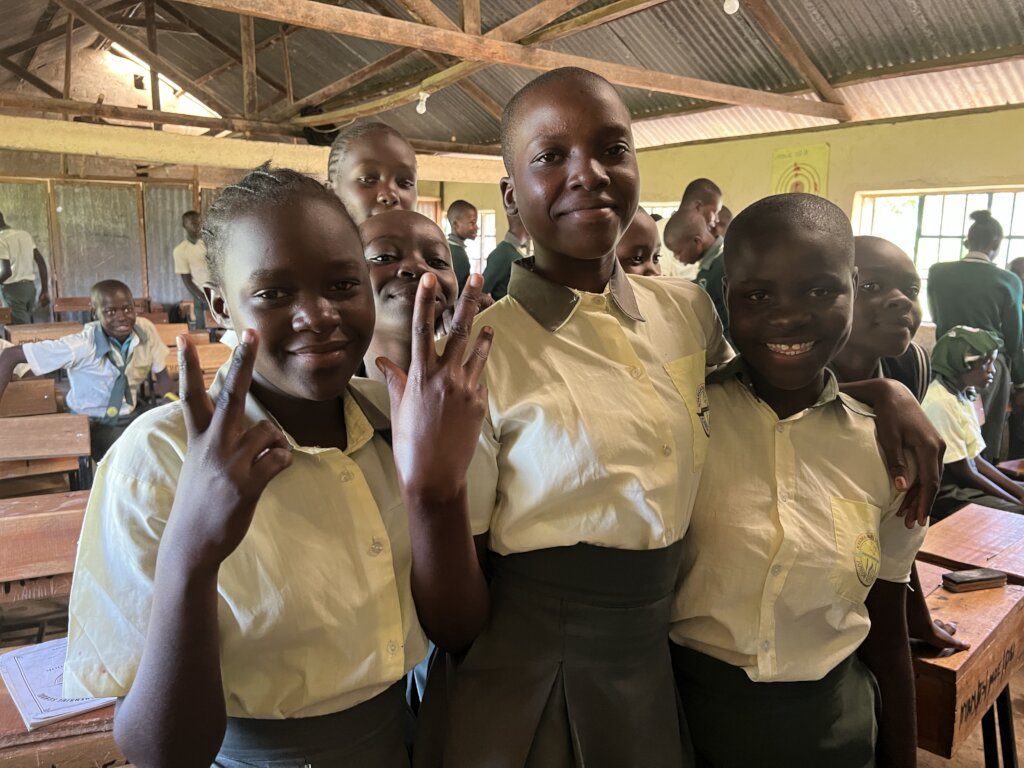
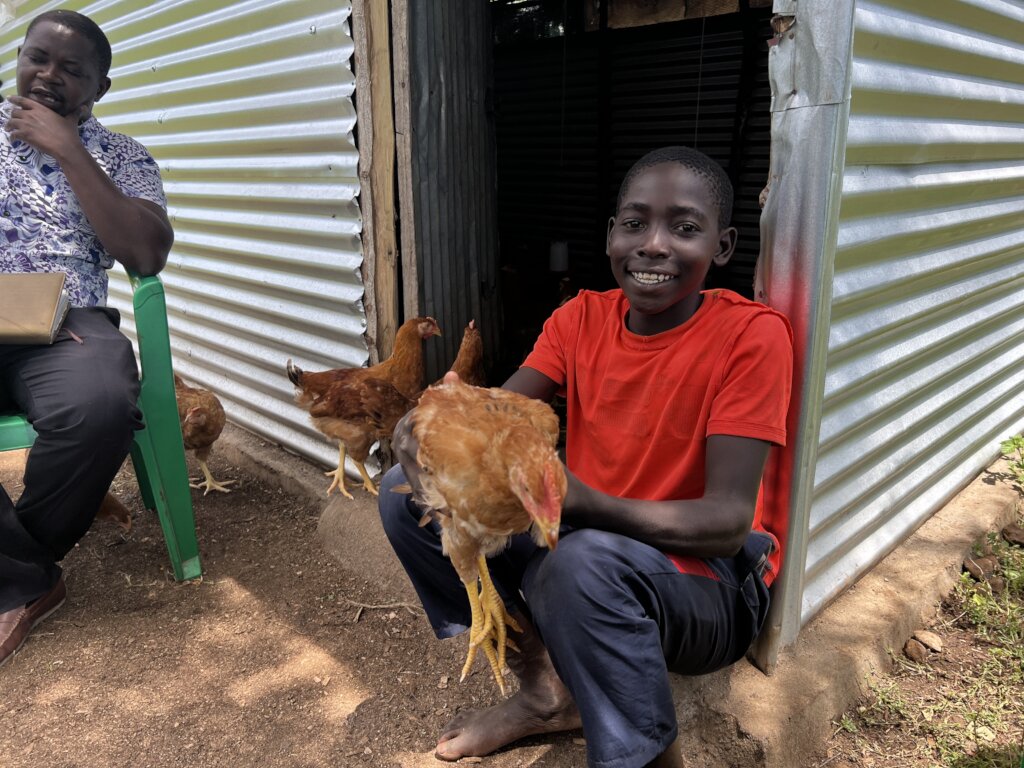
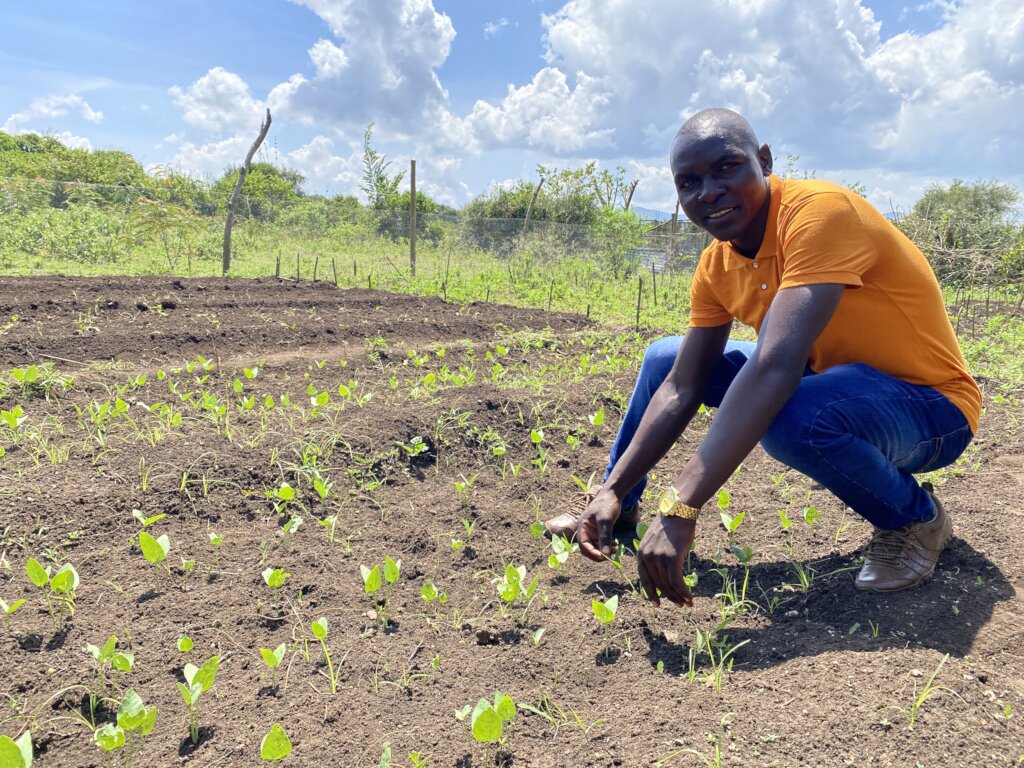
Together with our local partner,VIAGENCO, we continued the second phase of the HOPE Program—a poultry farming project designed to support parents and their children. This month, our focus was on strengthening the basics of poultry management. While these daily practices may seem simple, they are the foundation for healthy flocks, stable income, and long-term success.
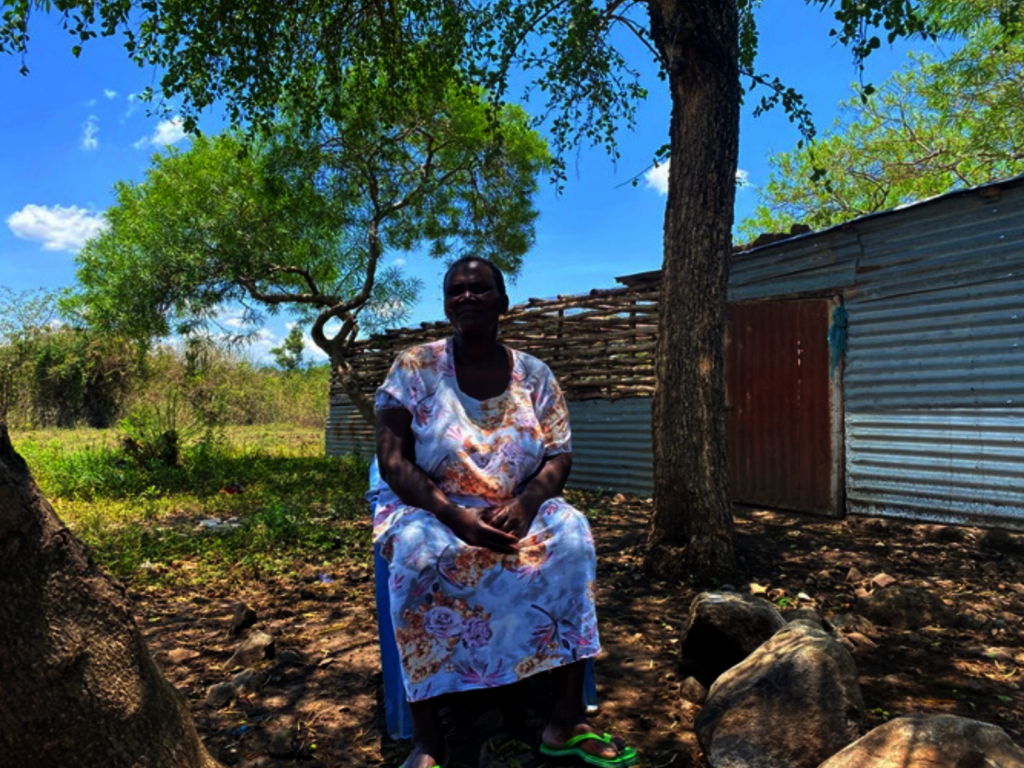
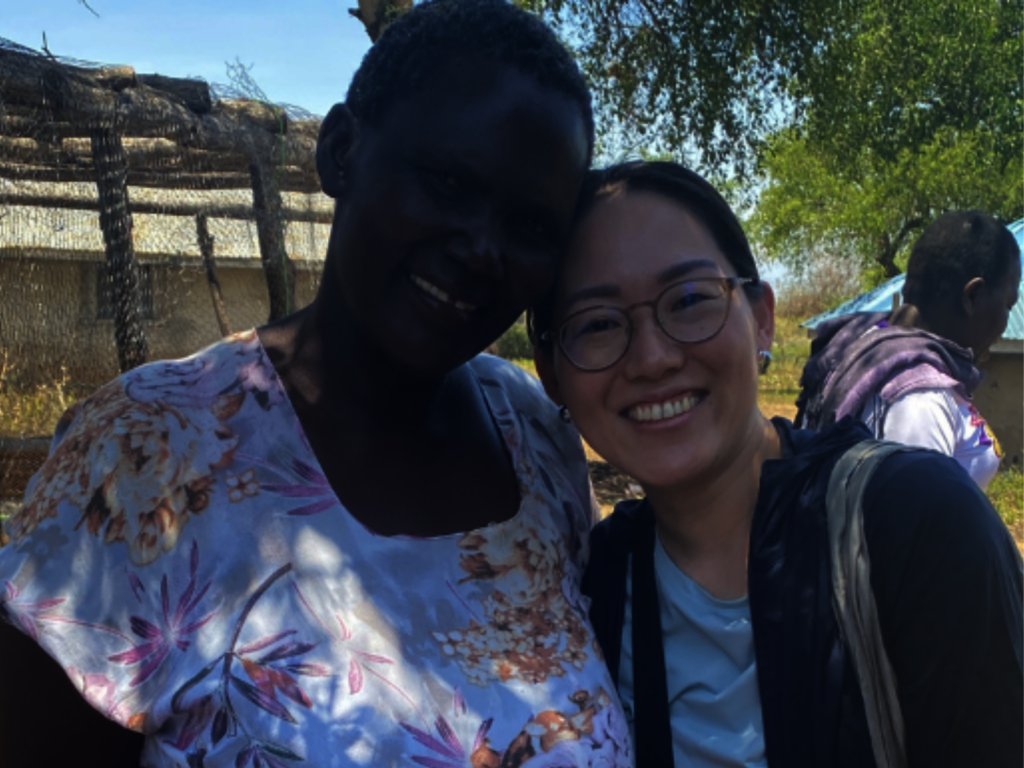
One participant who demonstrates the power of these small but consistent actions is Florence Okanga.
Florence has carefully applied what she learned through the program. She maintains high standards of hygiene, pays close attention to the condition of her chickens, and works hard to provide quality feed. As a result, she has built a healthy flock and established " Kadayo Poultry Farm" , supplying quality chickens to the local market in Rwanda. Her work has made it easier for people in her community to purchase healthy, reliable poultry while creating a stable source of income for her own family.
This month, Florence also took on a new challenge by raising 100 chicks. Although she unfortunately lost three chicks due to the hot weather, the vast majority are growing well. Every new experience helps her strengthen her skills and improve her farm management.
Behind successes like Florence's are the daily routines that often go unnoticed.
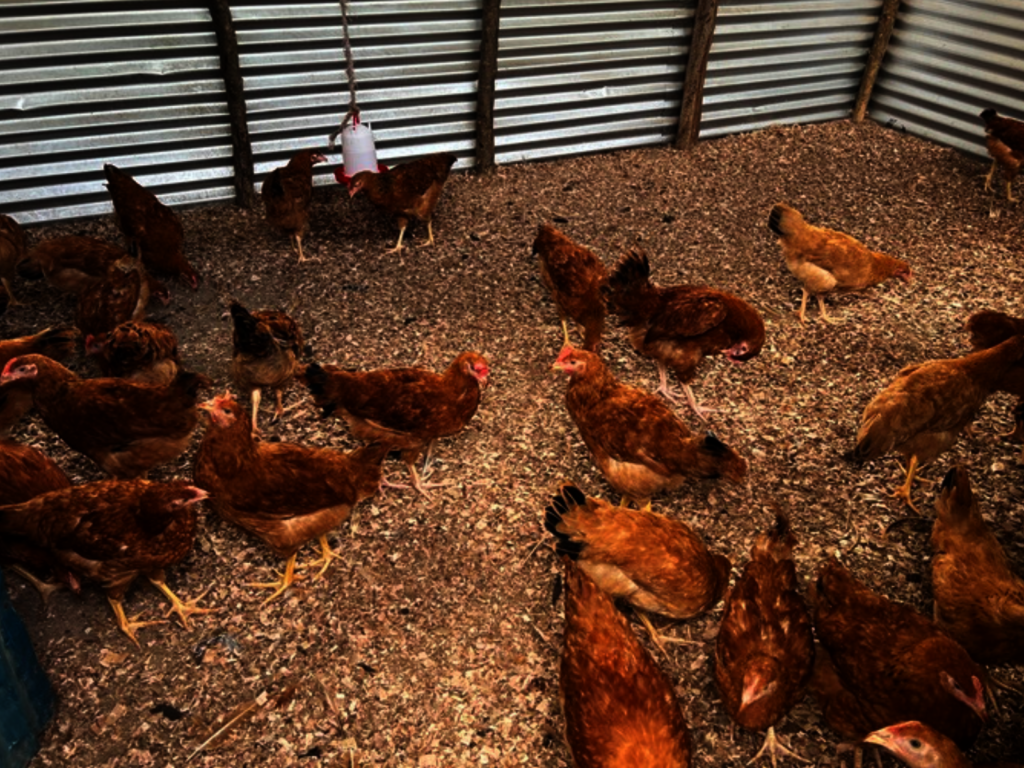
One important example is litter management. Sawdust bedding protects the chickens' feet and bodies while helping control moisture and ammonia inside the poultry house. Participants are trained to mix the bedding every day, regularly check for odors or mold, and replace it whenever necessary. These simple tasks help create a clean environment and reduce the risk of disease.
We also reviewed essential biosecurity practices with every participant. Preventing disease before it spreads is critical for protecting both livestock and family income. Participants were reminded to restrict access to poultry houses, keep equipment clean, and quickly separate any birds showing signs of illness. These consistent daily habits are what safeguard the chickens’ health and, ultimately, secure a stable income for the families.
Overall, the chickens in the program remain healthy and are developing well. This progress reflects the participants' growing commitment to applying what they have learned, day after day.
At the same time, we continue to face challenges.
As we shared in our previous report, calcium deficiency remains an ongoing issue, and our team continues to provide guidance on improving feed quality. However, nutritious feed ingredients such as fish meal and soybeans remain expensive. Feed costs account for approximately 60–70% of poultry production expenses, and fluctuations in market prices or shortages of raw materials often make these ingredients difficult to obtain consistently.
To address this challenge, we are preparing to introduce training on producing Azolla(water fern) and Black Soldier Fly larvae as locally available feed resources. These alternatives have the potential to significantly reduce feeding costs while helping participants maintain healthy poultry in a more sustainable way.
The HOPE Program is not only about raising chickens. It is about equipping families with skills they can continue using long after the training ends. Every lesson learned, every healthy flock, and every new challenge overcome helps parents build a more secure future for their children.
Thank you for taking the time to read this update and for standing with families in the HOPE Program. Your generous support makes it possible for participants like Florence to turn knowledge into opportunity and hope into lasting change. We are deeply grateful for your continued partnership and look forward to sharing more progress with you in the months ahead.
Project reports on GlobalGiving are posted directly to globalgiving.org by Project Leaders as they are completed, generally every 3-4 months. To protect the integrity of these documents, GlobalGiving does not alter them; therefore you may find some language or formatting issues.
If you donate to this project or have donated to this project, you can receive an email when this project posts a report. You can also subscribe for reports without donating.



Support this important cause by creating a personalized fundraising page.
Start a Fundraiser