By Saori Ito | PR Officer
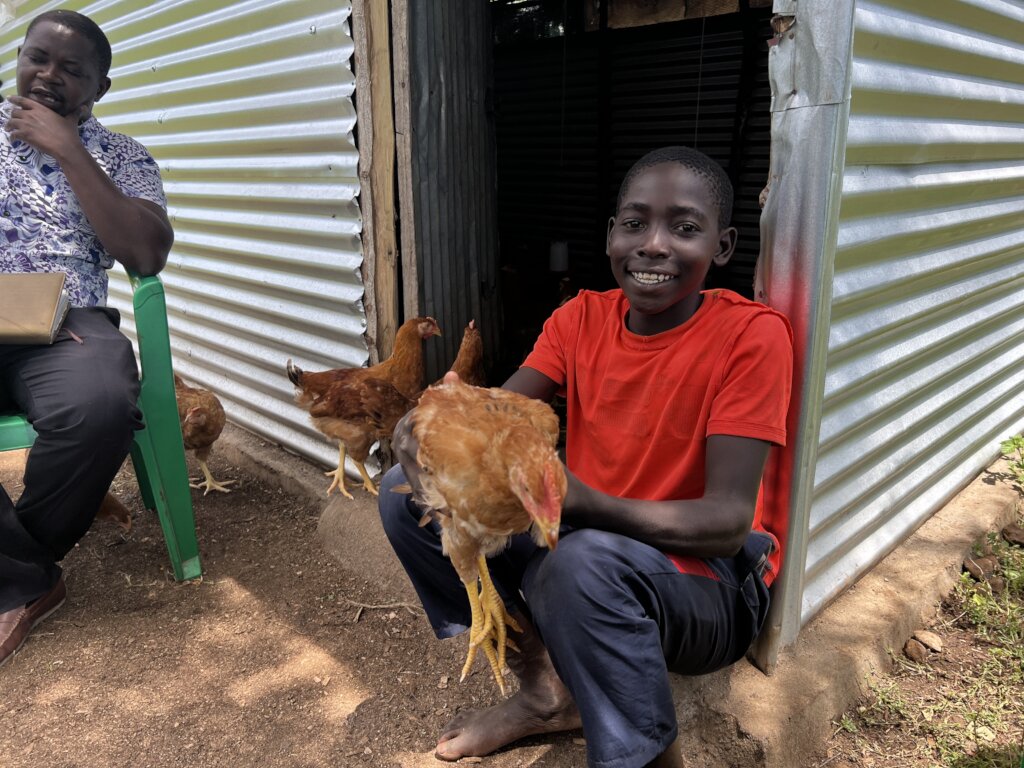
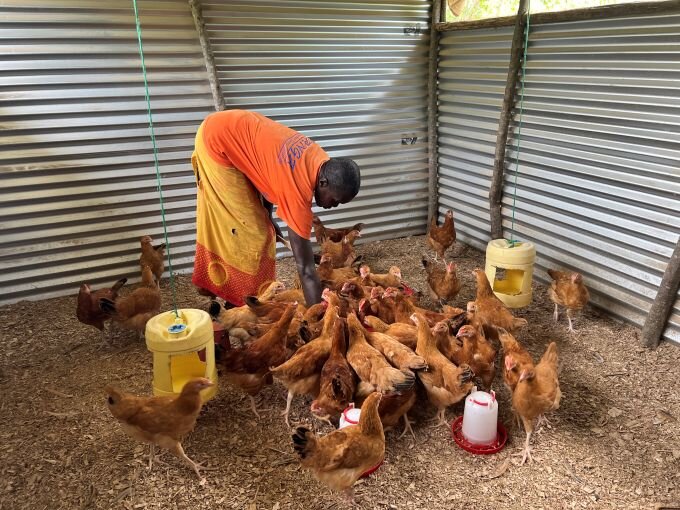
At PLAS’s HOPE Program in Kenya, we are seeing encouraging progress among the 20 participating households. Recent follow-up visits revealed improvements in poultry care and management, with chickens appearing healthy, active, and well adapted to their environments.
Their feathers were clean and glossy, reflecting proper nutrition and care. Chicken houses were well maintained, with dry bedding that helps reduce the risk of disease. Ventilation was also being managed appropriately, creating healthier conditions for the birds.
These improvements may seem small at first glance, but they represent something much larger: participants are applying the knowledge and skills they learned during training in their daily lives. The consistent care of their animals demonstrates growing confidence, responsibility, and commitment to strengthening their livelihoods.
At the same time, one challenge remains. Feed costs continue to place pressure on household budgets. Even when families successfully raise poultry, the expense of purchasing feed can limit profits and make it difficult to sustain income-generating activities over the long term.
To address this challenge, the HOPE Program introduced a new initiative: Azolla cultivation.
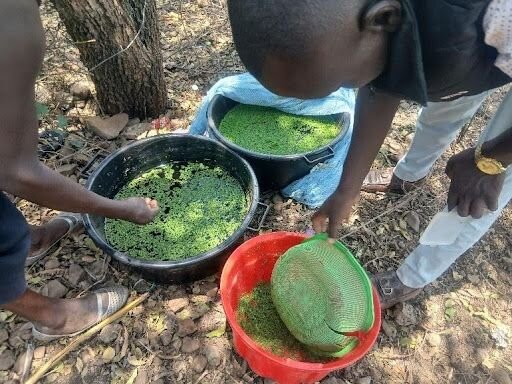
Azolla is a fast-growing aquatic plant rich in protein, minerals, and vitamins. It can be used as nutritious feed for livestock such as chickens, goats, cattle, and fish. Because it can be grown locally at low cost, it offers a practical and sustainable way for families to supplement commercial feed.
During training sessions, participants learned how to grow Azolla using simple containers filled with water. Staff demonstrated how to introduce Azolla seedlings, maintain clean water, provide partial shade, and regularly monitor growth. Participants also learned why proper management is important to ensure healthy production.
Just 0.3 to 0.5 kilograms of fresh Azolla seedlings are needed to start cultivation in a one-meter-diameter container. Under suitable conditions, the plant spreads across the water surface and multiplies within seven to fourteen days.
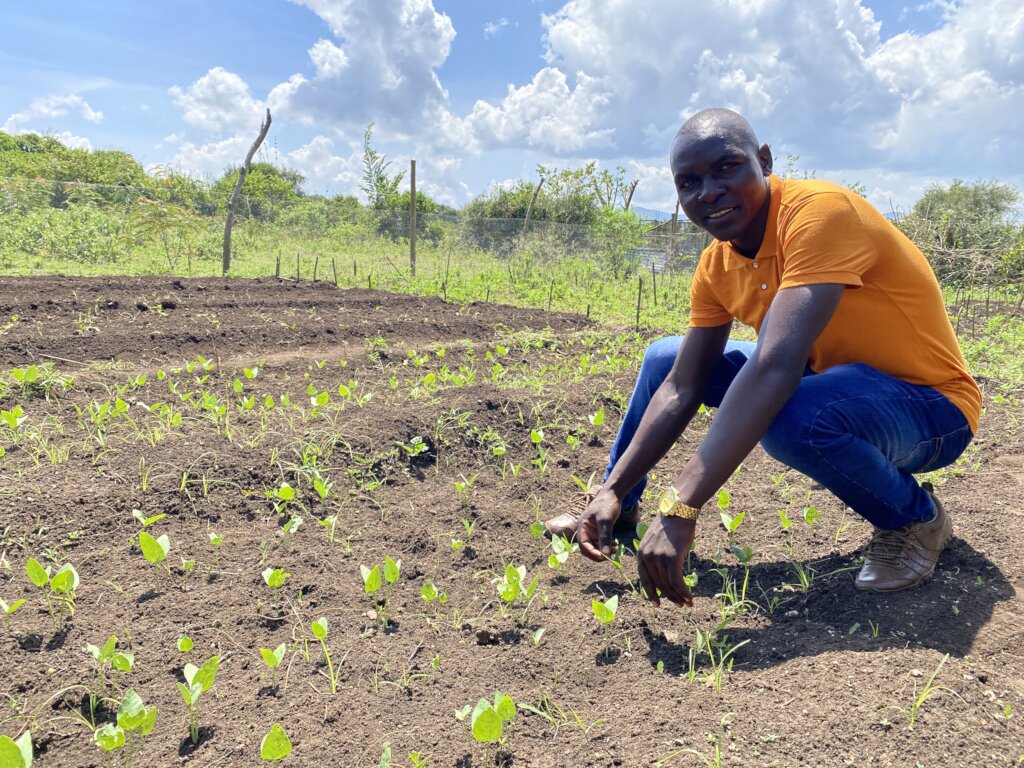
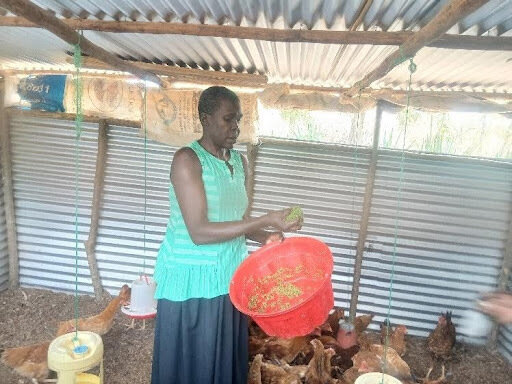
Two weeks after the training, participants began harvesting their first Azolla crops. One participant had already started feeding Azolla to her chickens.
Follow-up visits revealed promising early results. Families were managing their Azolla production correctly and demonstrated a clear understanding of harvesting methods and how to incorporate it into animal feed. Staff also observed that households using Azolla were already reporting reduced feed expenses.
While these changes are still in their early stages, these efforts are helping to reduce the costs of poultry production while creating a more sustainable system for continued production. By reducing production costs while maintaining healthy animals, participants can strengthen the economic foundations of their households.
The introduction of Azolla is a simple innovation, but its potential impact is significant. It shows how practical knowledge and low-cost innovations can help families overcome challenges and move closer to long-term economic independence.
Thank you for being part of this journey. Your support makes it possible for families in the HOPE Program to access training, adopt new practices, and build more sustainable livelihoods. We are grateful for your continued partnership and look forward to sharing more stories of progress and resilience in the months ahead.
Project reports on GlobalGiving are posted directly to globalgiving.org by Project Leaders as they are completed, generally every 3-4 months. To protect the integrity of these documents, GlobalGiving does not alter them; therefore you may find some language or formatting issues.
If you donate to this project or have donated to this project, you can receive an email when this project posts a report. You can also subscribe for reports without donating.



Support this important cause by creating a personalized fundraising page.
Start a Fundraiser