By Eric Holt-Gimenez | Project Leader
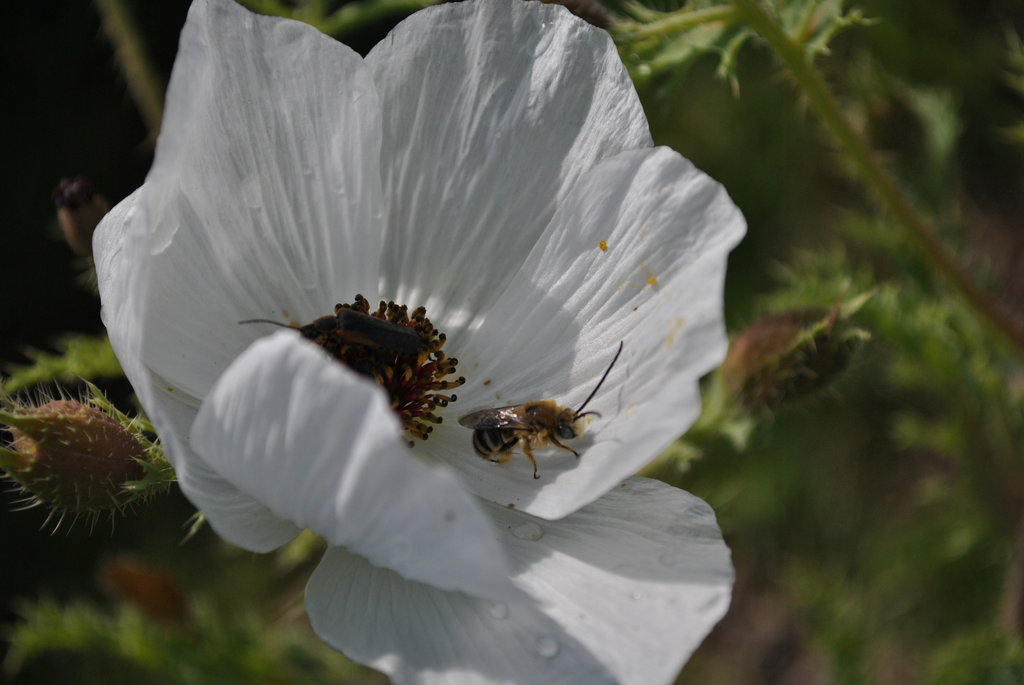
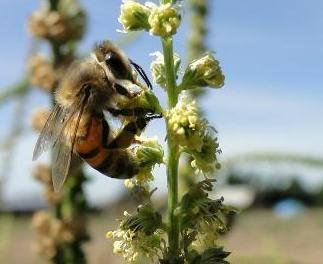
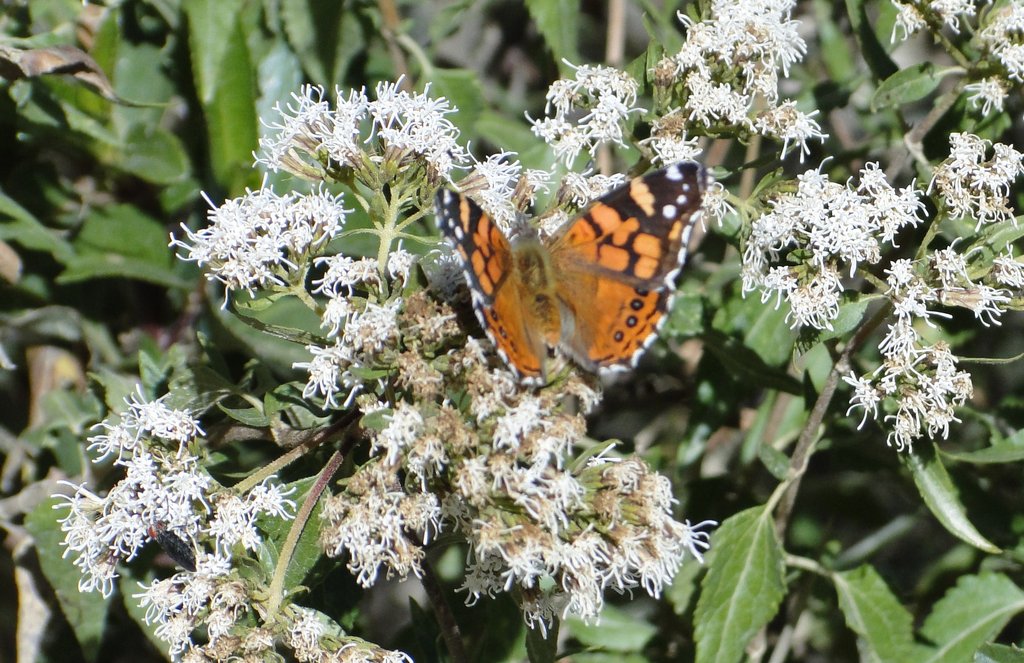
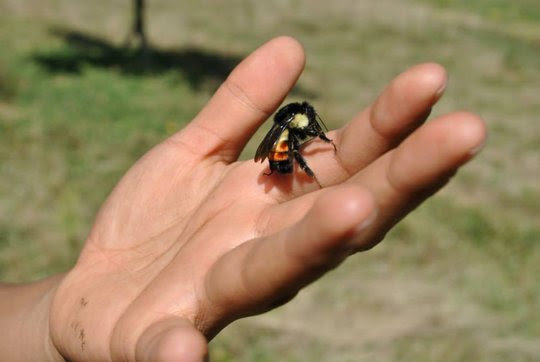
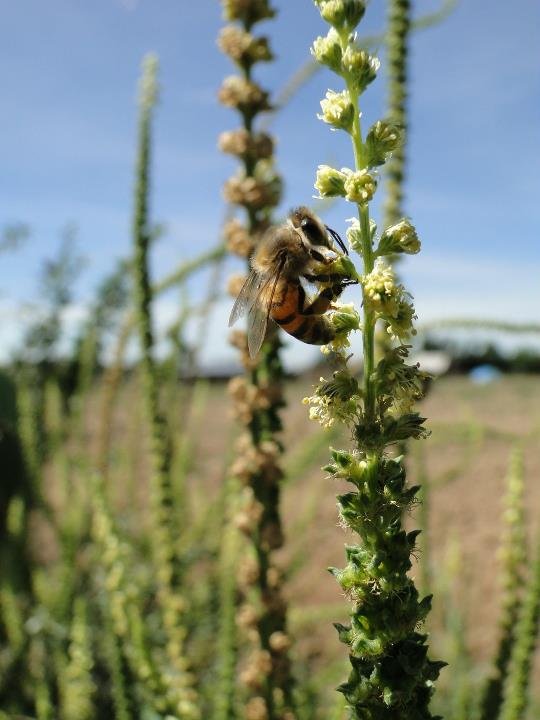
Thank you for your generous support of Food First’s Bring Back the Bees Project. Your donation helps ensure that we can continue helping the Indigenous Farmer Network for Agroecological Development (RICDA) in Mexico.
In the interest of ensuring that your donation has the most impact for the farmers in Mexico, we are shifting our fundraising from Global Giving directly to the Food First website. We hope you continue to invest as we move over to a more direct funding mechanism that allows us to give all of your donation directly to the project you care about.
Here is the link: http://foodfirst.org/farmer-led-pollinator-restoration/
Just like on Global Giving, we keep up-to-date information on our website and blog so you can stay informed about this project and the other work that we are doing here at Food First.
Here is an update with a proposal for the next step of this project:
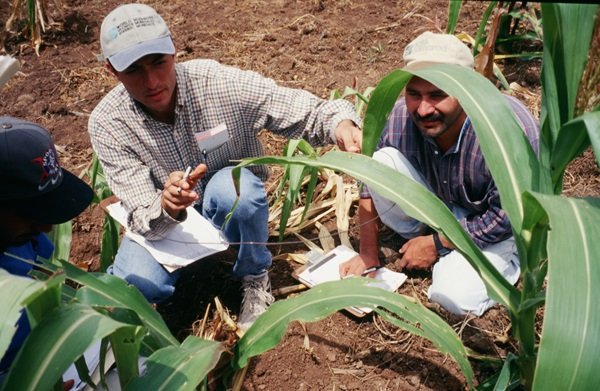
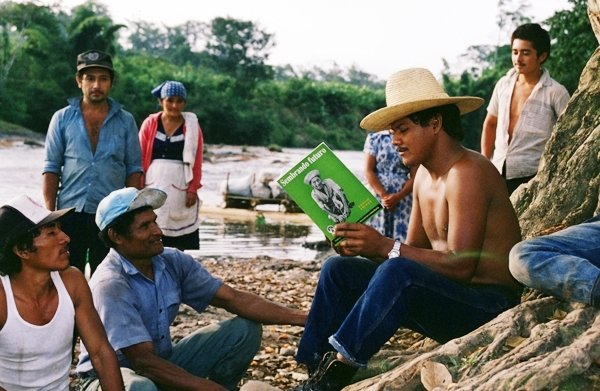
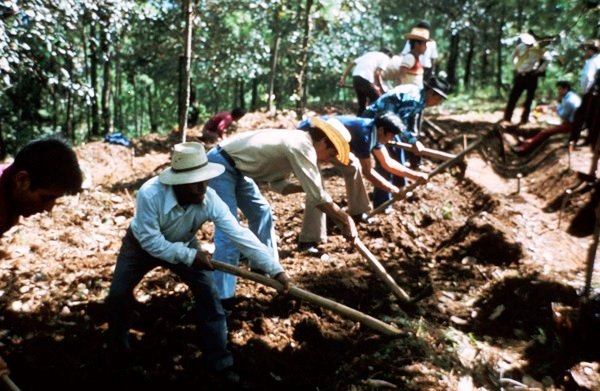
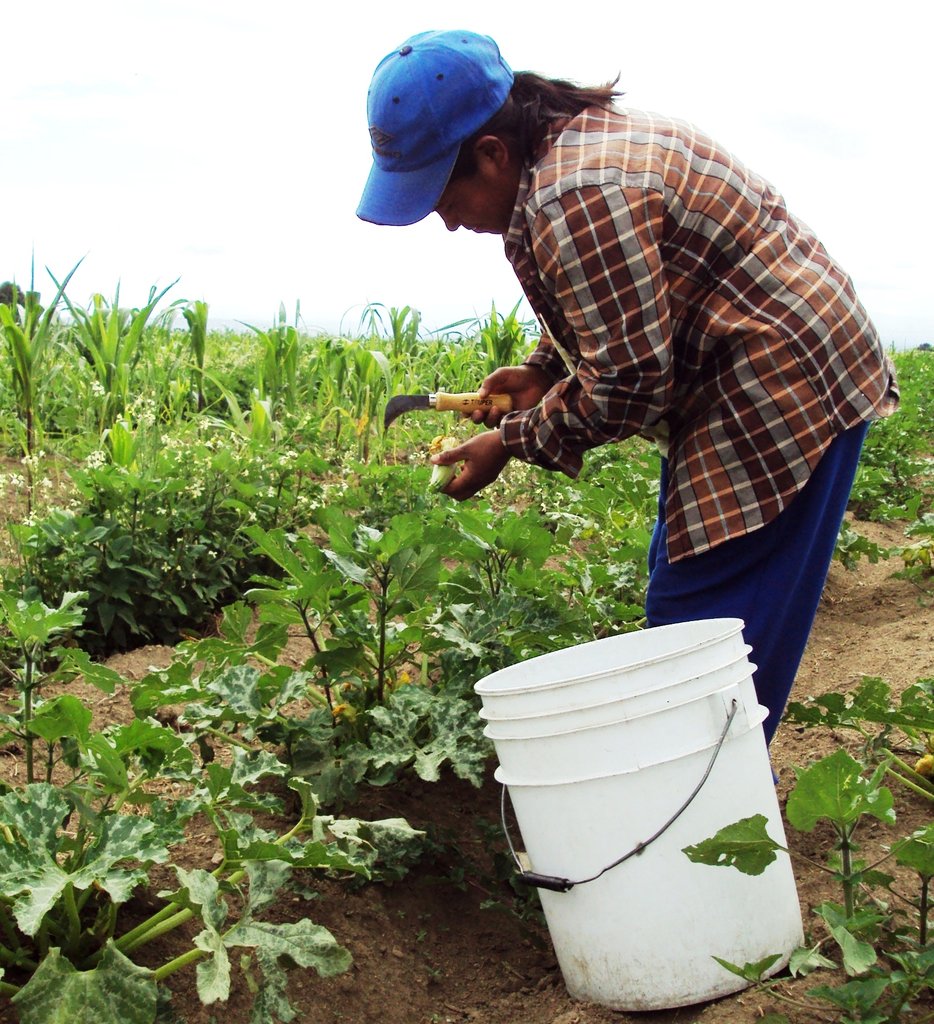
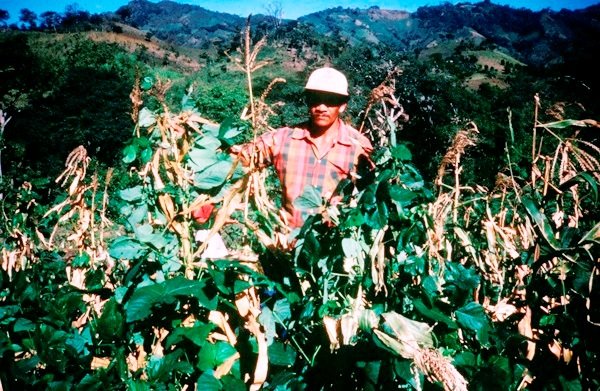
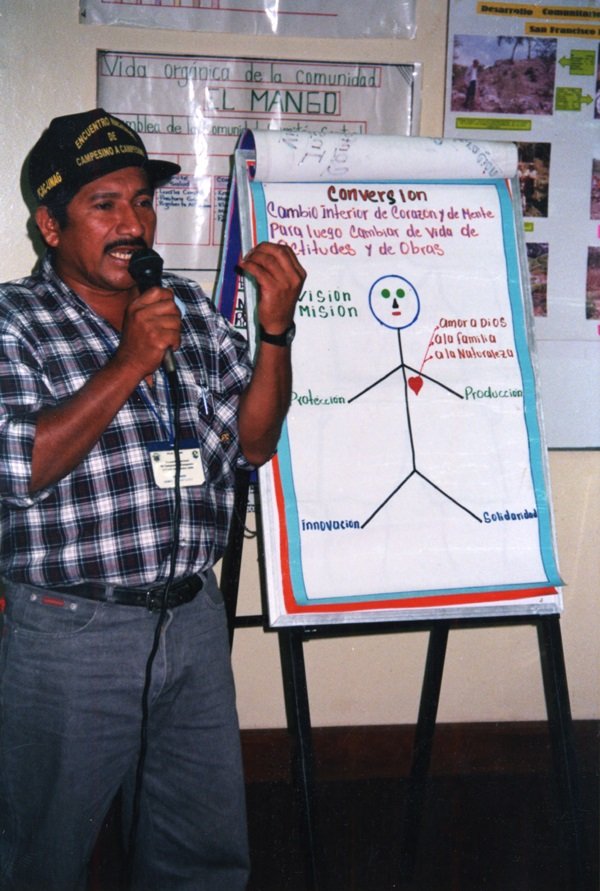
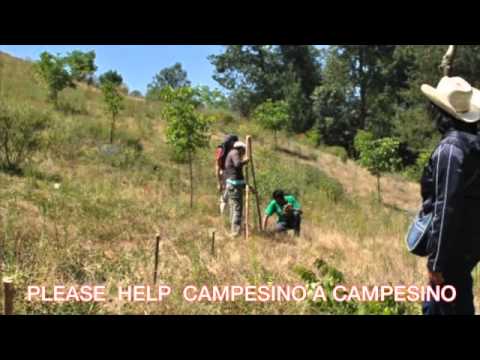
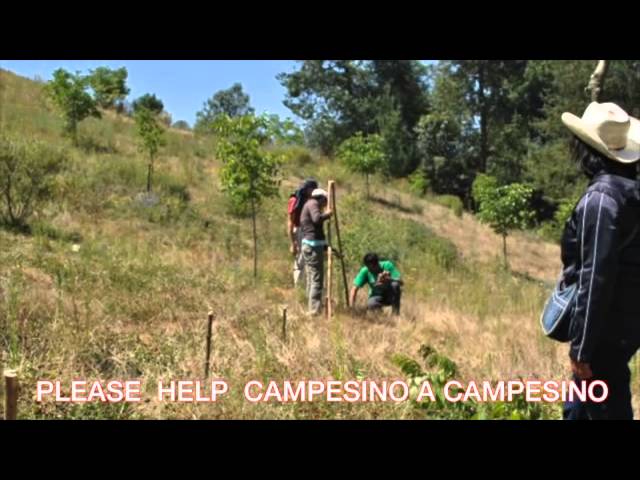
Over the last 5 years, the Indigenous-Farmer Network for Agroecological Development (RICDA) has converted over 300 hectares of degraded farmland to highly productive agroecological practices, benefitting hundreds of families in the states of Puebla, Tlaxcala, Guerrero and Oaxaca. RICDA’s time-tested Campesino a Campesino methodologies for farmer-to-farmer agroecological development improve community food security and ensure a sustainable stream of ecological benefits that build resilience into indigenous/smallholder farming systems. These include: enhanced pollinator habitat, soil and water conservation, reforestation & carbon capture, heirloom seed saving and the watershed scale conservation of biodiversity.
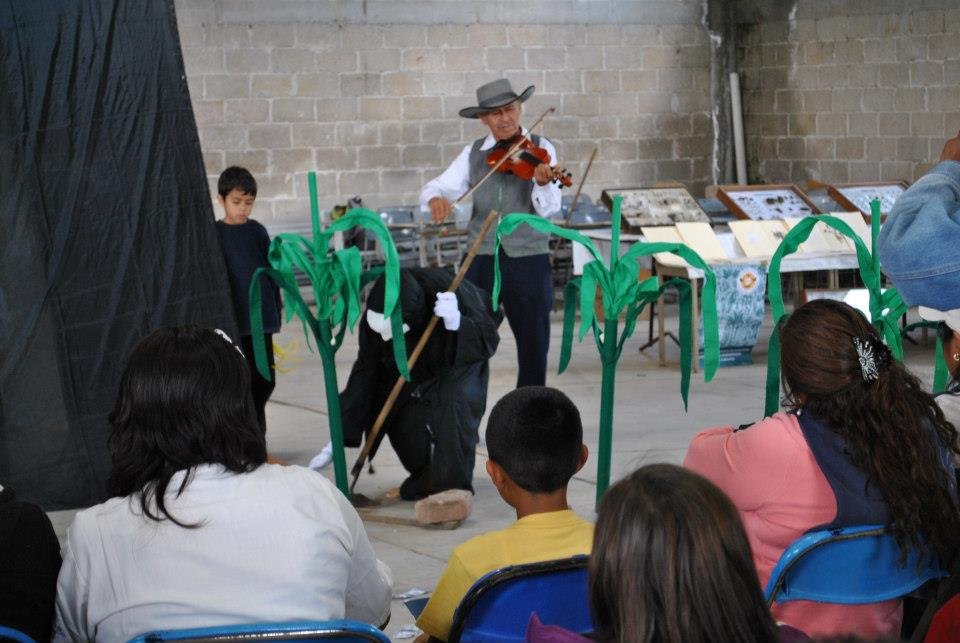
The Next Generation project builds on RICDA’s successes by bringing farmer-to-farmer agroecological instruction to 10 secondary schools in the municipal district of Ahuacatlán, in the northern mountains of Puebla, Mexico.
The goal of the project is to provide hands-on agroecological instruction to 300 indigenous and mestizo high school students to make sustainable farming a viable livelihood option for the region’s next generation.
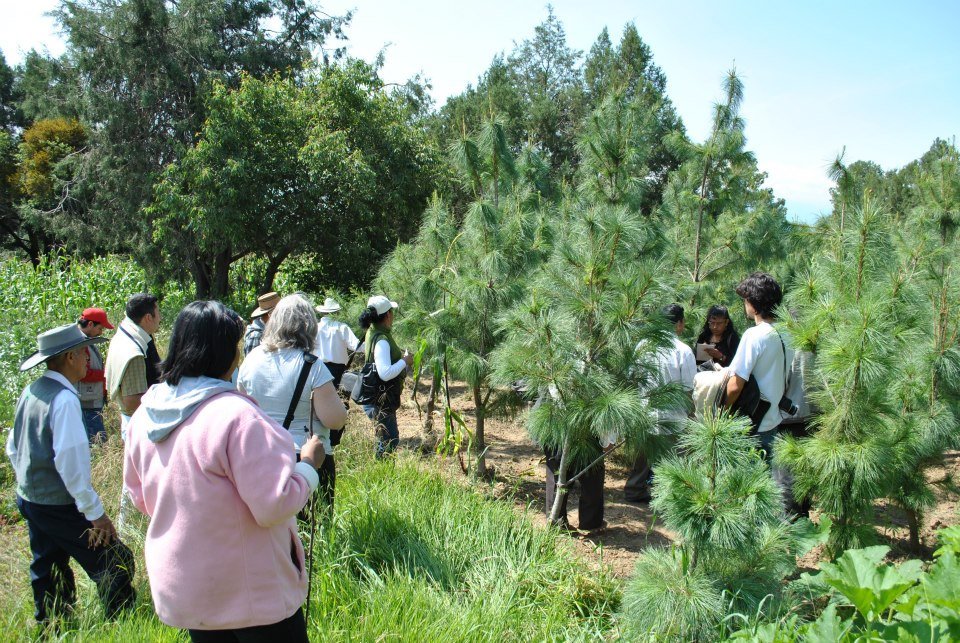
Instruction will be carried out by 15 farmer-promoters from the Independent Indigenous Organization of Ahuacateca (OIIA), a founding member of RICDA. Training will take place at 5 secundarias and 5 preparatorias (junior and senior high schools) in the classroom, in school and community gardens and on the 1/2 to 2-hectare farms worked by the OIIA instructors, the students and their parents. Most of the students in Ahuacatlán come from low-resource farm families, are13 to18 years old and have few opportunities for vocational training or gainful employment.
Agroecology offers these young men and women the opportunity to learn how to produce more and higher quality food for their families while improving the region’s environment by conserving soil, seeds, water, pollinators and biodiversity. Surplus production will be processed and sold through local and regional channels, providing students with entrepreneurial experience and providing their families with increased household income. Because the Next Generation is run by and for indigenous farming families from the OIIA, the project will also help strengthen local organizational and civic structures in Ahuacatlán.
We hope that you will continue to donate to fund the next phase of this project directly through our website. You can set up monthly donations just like on Global Giving, and we'll be happy to help you with this if you give us a call.
Thank you again for supporting Food First’s project with RICDA for pollinator restoration and agroecology in Mexico.
With gratitude,
Eric Holt-Giménez, Executive Director
Alexandra Toledo, Development Director
Contact us here:510-654-4400 x221foodfirst@foodfirst.org
Links:
Project reports on GlobalGiving are posted directly to globalgiving.org by Project Leaders as they are completed, generally every 3-4 months. To protect the integrity of these documents, GlobalGiving does not alter them; therefore you may find some language or formatting issues.
If you donate to this project or have donated to this project, you can receive an email when this project posts a report. You can also subscribe for reports without donating.