By Eric Holt-Gimenez, PhD | Food First - Executive Director and Project leader
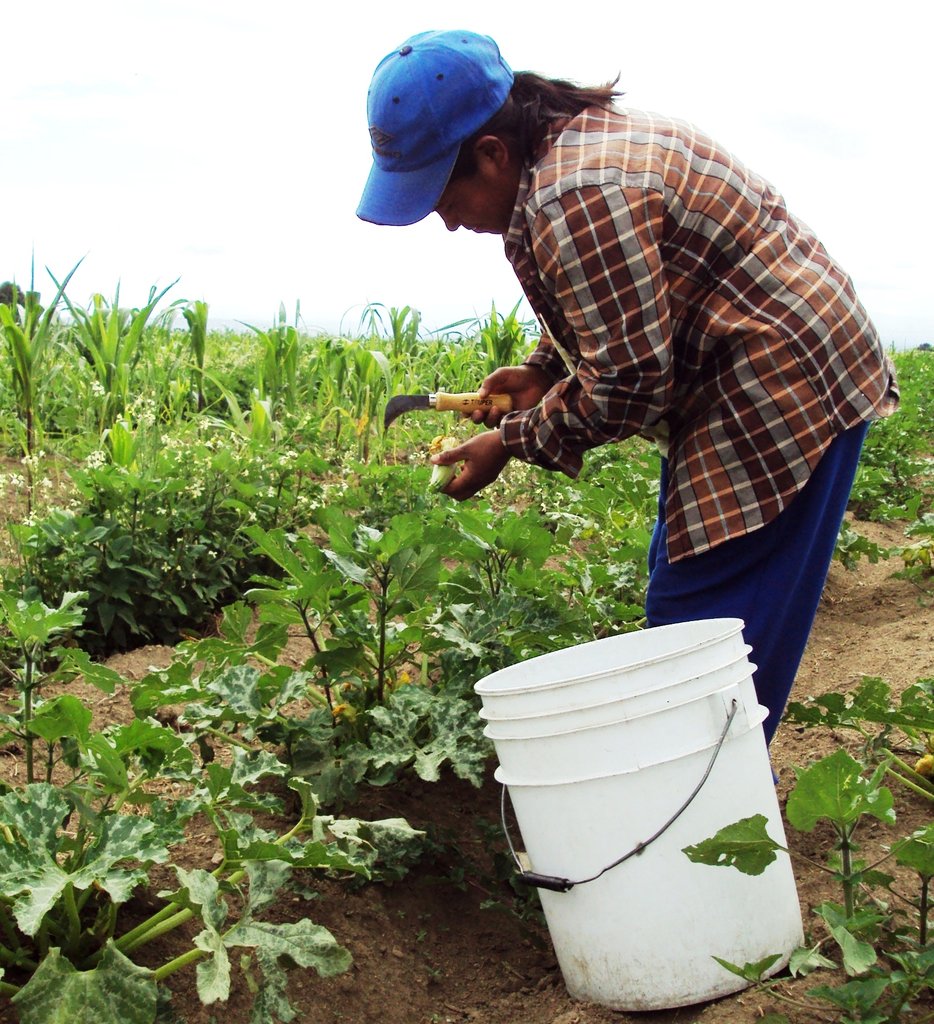
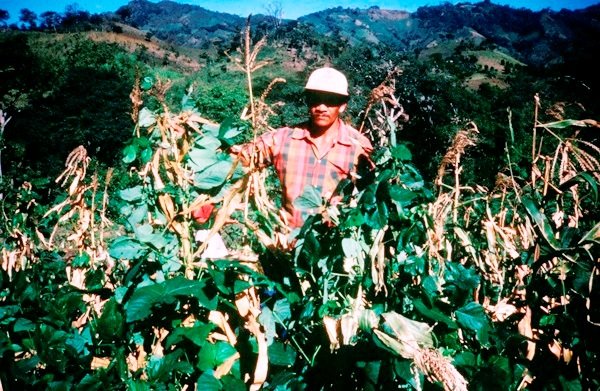
Juan Manuel “Manolo” Moran knows a thing or two about teaching sustainable agriculture. Raised in the lower foothills of Mexico’s Popocateptl volcano, he grew up farming corn, beans and squash (the “three sisters”) on the family’s two-hectare “ejido” plot. Apricot, apple and “tejocote” trees lined the borders between plots. The garden in the large, enclosed patio of their small adobe house was full of several varieties of chilies, tomatoes, onions and medicinal herbs. Pots of new plants were clustered everywhere under the watchful gaze of his grandmother. She was the one who experimented with new cultivars to see what kind of cultivation they required; planting dates, changing sun and shade regimes, companion planting… when she was convinced of their utility, she either planted them out in the garden or had Manolo and his grandfather plant them out in the field. Chickens, ducks and turkeys wandered in the yard. Life was hard but good, and Manolo learned what it meant to put food on the table and sell a surplus at the local market.
A romance with a North American volunteer on a local development project led to marriage, family and a five-year sojourn in the United States. Manolo finished high school and enrolled in agronomy classes at Cornell University. There, he says, “They taught me everything we were doing in San Luis was wrong—diversified cropping, organic manure, using our local varieties… I learned to grow single cash crops with fertilizers and pesticides on the university farm. They looked so good. But it made me feel as though my family were just stupid peasants.”
Manolo returned to San Luis to share his new knowledge. His grandfather refused to adopt the new practices. Other farmers mistrusted his advice. He finally rented his own land and began trying out what he had learned. The first chilies he grew came up nicely and Manolo was careful to apply fungicides and insecticides. They looked good…until they were attacked by a virus that withered the skins. He picked out the best for market. At the end of the season, he had broken even. His grandfather, who put a large store of maize, beans and hard squash away for the rest of the year, just shook his head.
“I tried and tried to make these new seeds and inputs work,” says Manolo, “I’d get a good crop, then get clobbered in the market. I kept having to apply more and more fertilizer just to get a crop. My costs went up and my profits went down. Eventually, I had to take a job as an agronomist just to pay off my debts. Working for the government, I was paid to give farmers the same advice that had driven me broke.”
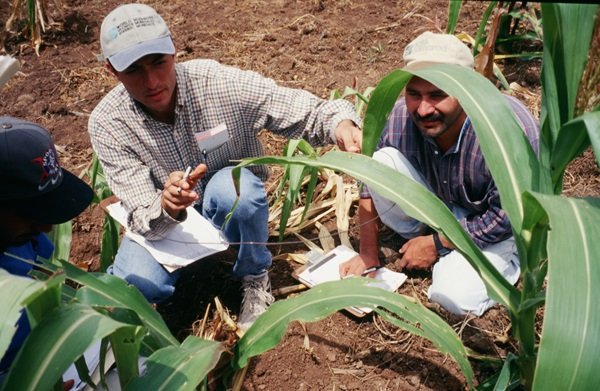
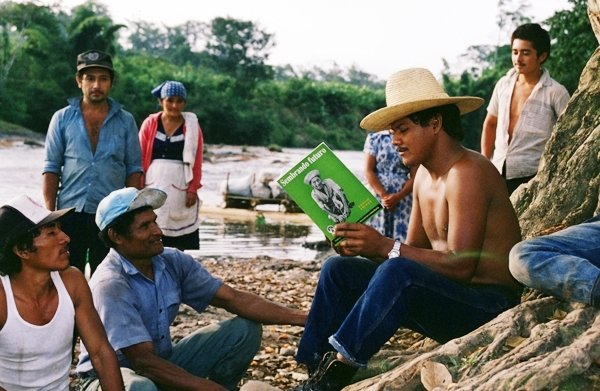
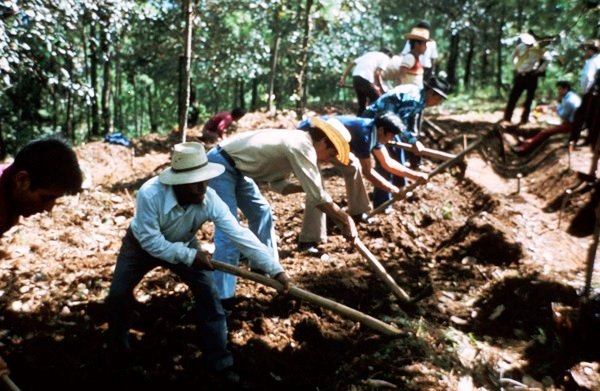
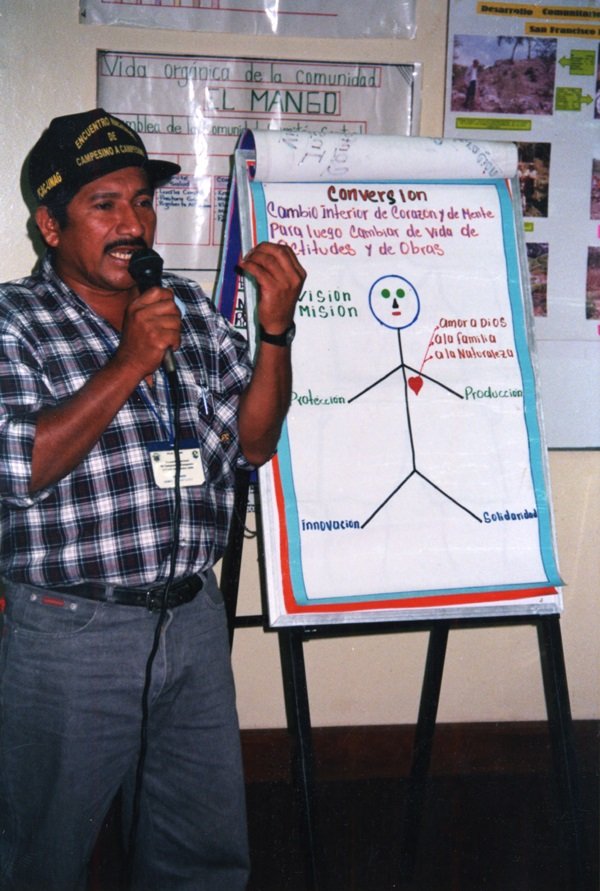
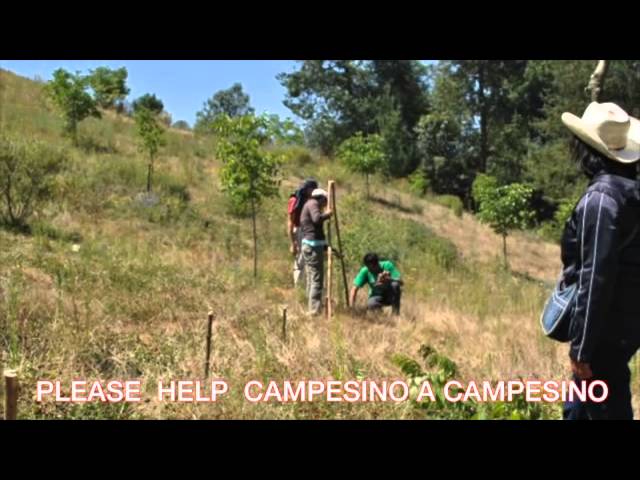
But after a few years, Manolo met farmers from the Campesino a Campesino (Farmer-to-Farmer) Movement for sustainable agriculture. He found that he wasn’t the only campesino to have adopted Green Revolution technologies and gone broke. The farmers in this movement used a combination of traditional and new practices that conserved soil, water and biodiversity. Their harvests were good—not extraordinary—but consistent from year to year and their whole farm system was designed to resist extreme weather patterns. To “join” the movement, all Manolo had to do was experiment with a new method on a small scale. If it worked, he had to apply it to his farm. Importantly, he had to share his knowledge with someone else.
Manolo never looked back. He has been working as a farmer-extensionist promoter in the Campesino a Campesino movement for over thirty years. He has given workshops to other peasant farmers across Mexico, Central America and the Caribbean. He returned to his grandfather’s ejido, which is now his. He grows the “three sisters” again, as well as organic fruits and vegetables which he sells directly through a Community-Supported Agriculture (CSA) network.
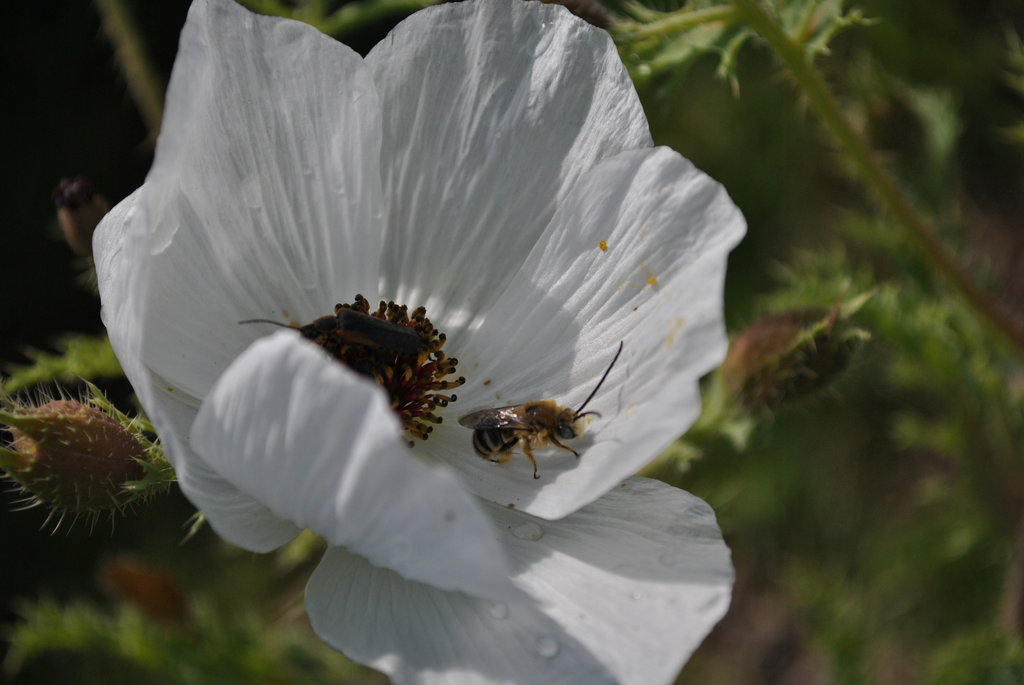
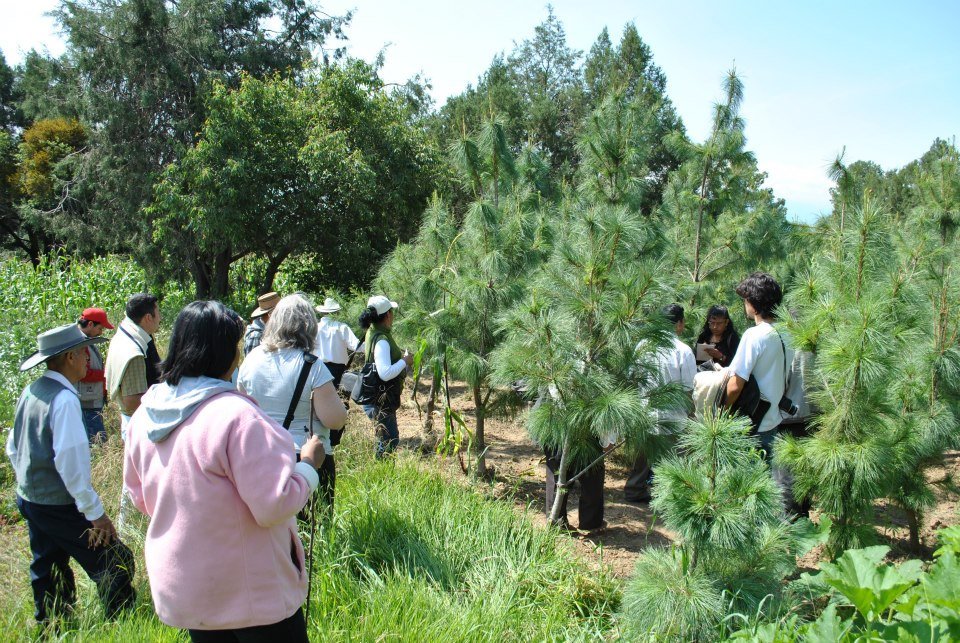
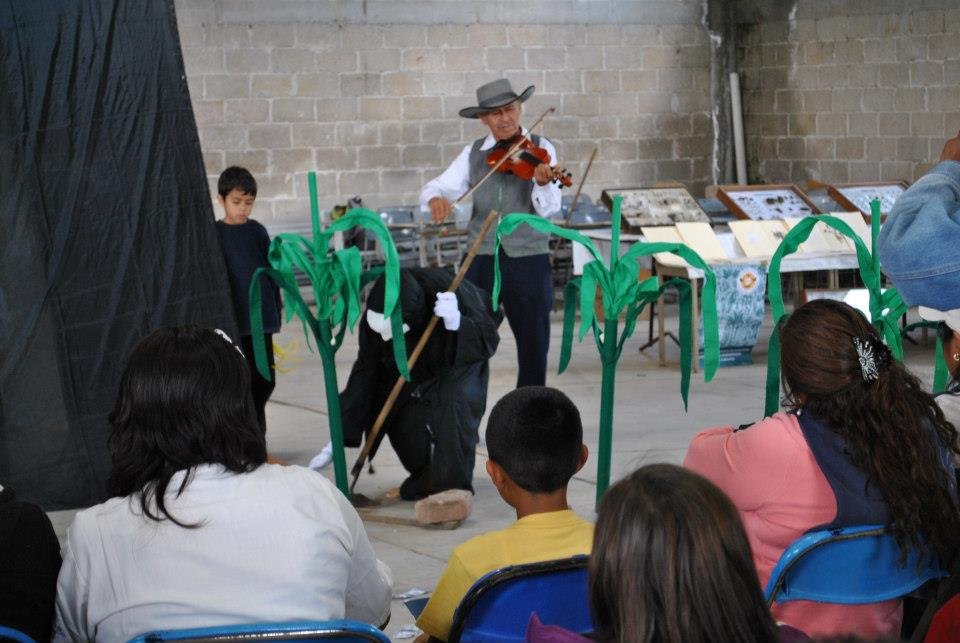
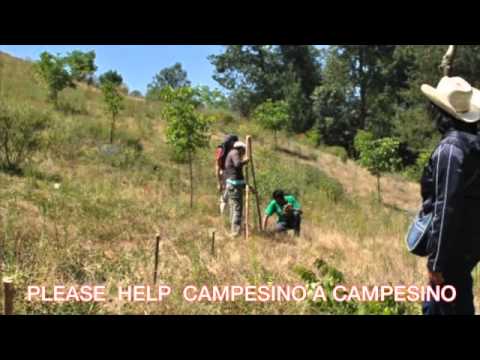
Now Manolo is starting path-breaking work in the indigenous villages of the Sierra Norte of Puebla. Working with the Pollinator Restoration Project, this summer Manolo organized experimental farms and gardens in 10 high schools. Students receive classes on agroecology—the science and practice of sustainable agriculture—with an emphasis on pollinator restoration. Students work on the school farm, learning how to lower and eventually reduce the use of chemical pesticides and fertilizers. They take field trips to neighboring farms and forests to understand pollinator habitat and then identify and cultivate local pollinator-friendly plants, many of which also have medicinal or other uses. They are creating teaching collections of pollinators and plants, identifying by their common and scientific names as well as their indigenous names and cataloguing these in terms of traditional and new practices and uses. They are building their own, local knowledge system of indigenous agroecology.
“The students take this knowledge home,” says Manolo, “We encourage them to get their parents to give them a small, experimental plot to try out new things. The whole family gets involved.”
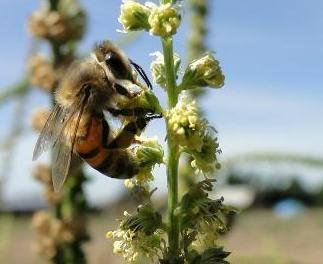
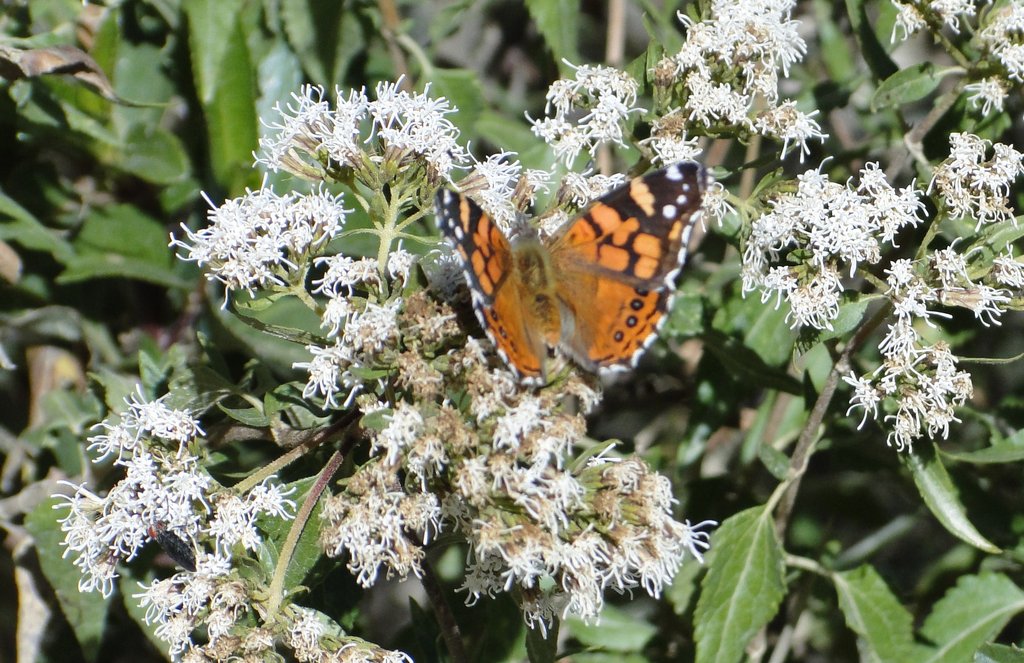
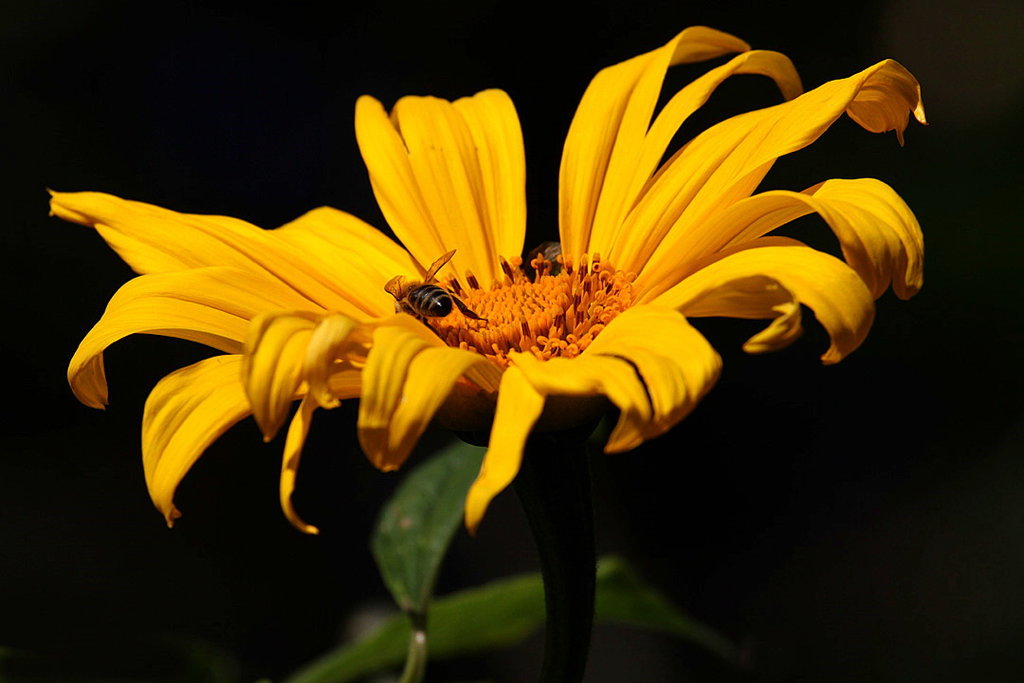
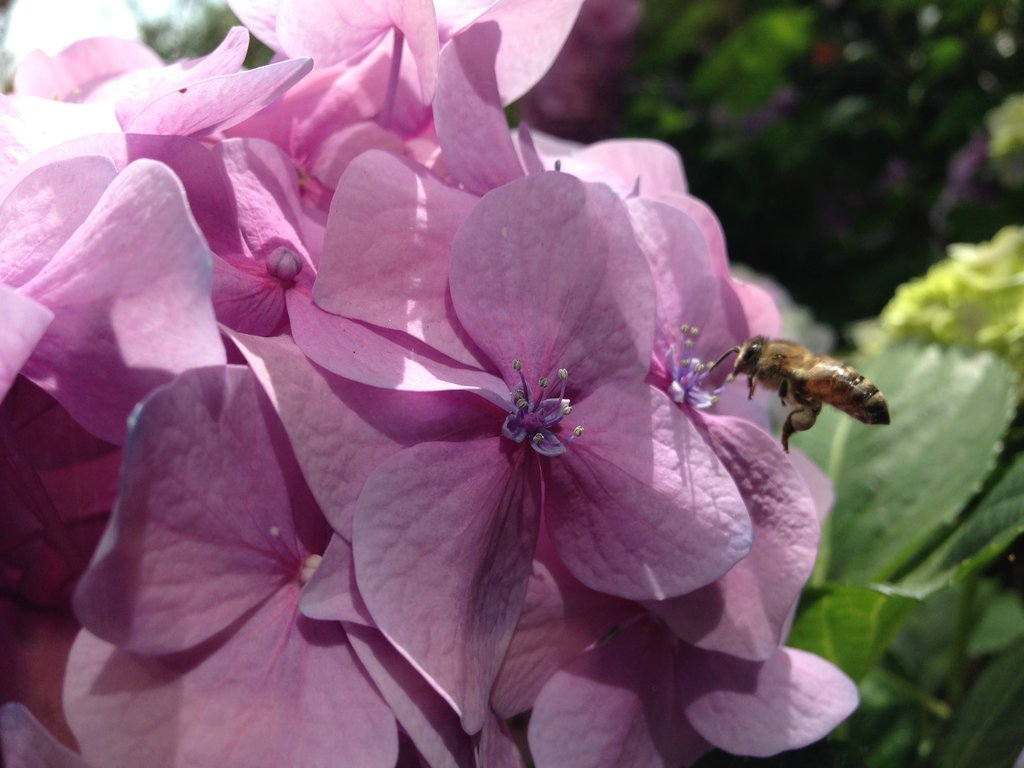
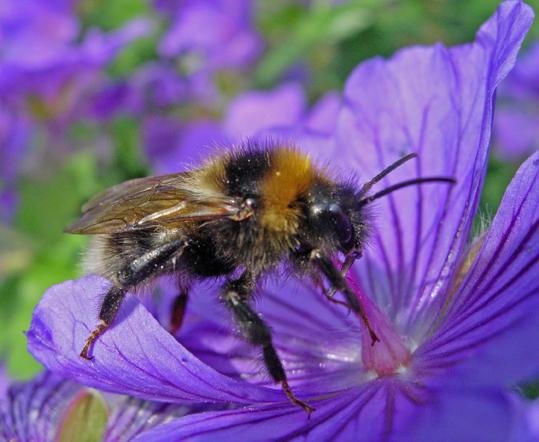
The goal of this work is to revive pollinators by re-establishing a safe habitat for them within the farm system. This is accomplished through agroecology and farmer-to-farmer innovation and sharing. The project is also looking to re-establish local markets and systems of community-supported agriculture for farm products.
“We want to provide a sustainable livelihood alternative for the young people of these villages so they don’t have to emigrate to make a living.”
Manolo has come full circle and is doing what he loves: growing food, protecting the environment and teaching others.
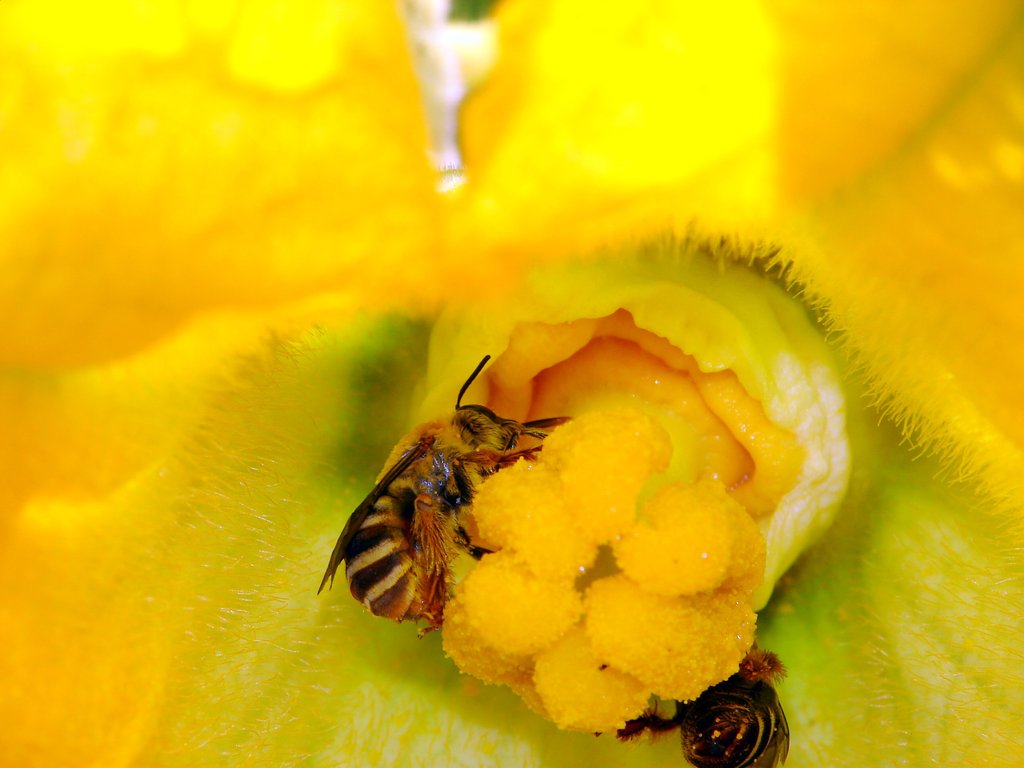
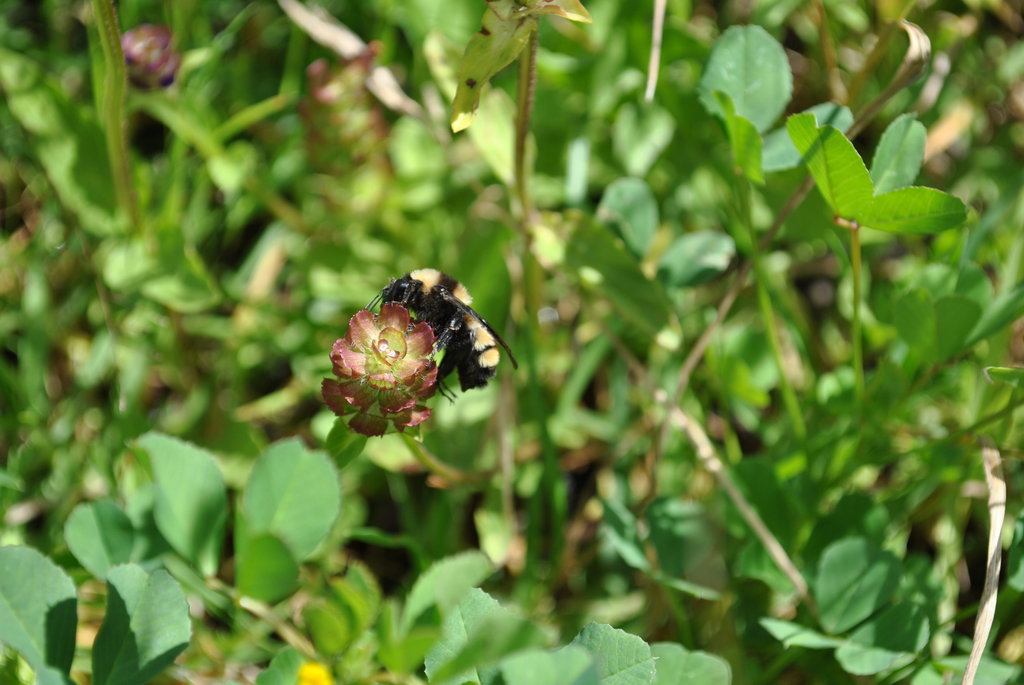
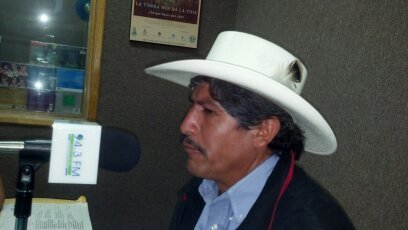
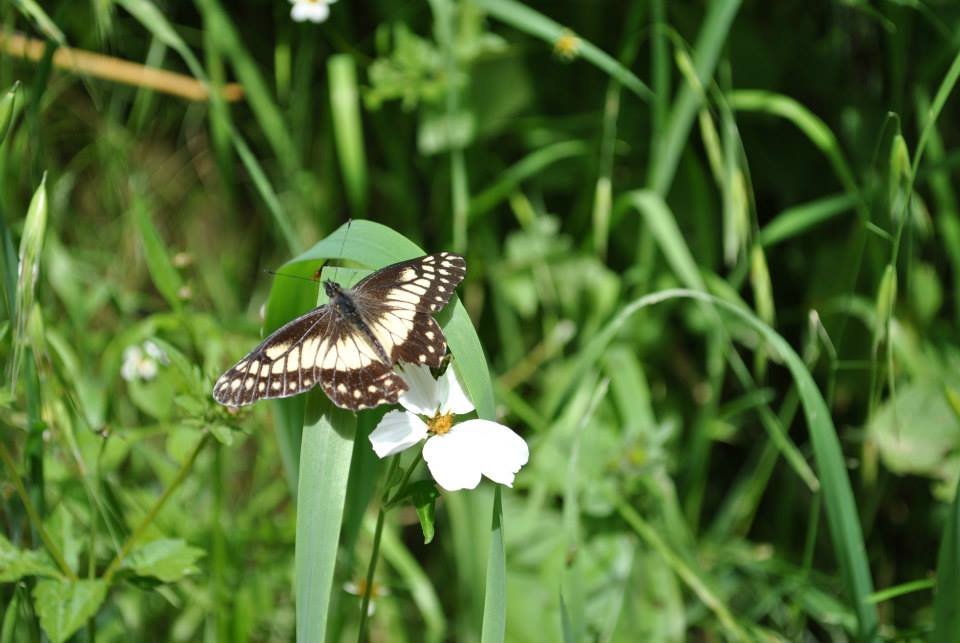
Thank you for your support of Manolo and so many other families who are providing us all a service of restoring the pollinators. Food First's Pollinator Project works with farmers in Mexico to bring back bees (and butterflies, birds, and bats) by reaching people through radio shows, farmers market demonstrations, field demonstrations, workshops and community supported agriculture.
Did you know: Studies show that 1 in 3 bites of food you take depends on pollinators? Please support this farmer-led campaign to save pollinators and keep eating.
Project reports on GlobalGiving are posted directly to globalgiving.org by Project Leaders as they are completed, generally every 3-4 months. To protect the integrity of these documents, GlobalGiving does not alter them; therefore you may find some language or formatting issues.
If you donate to this project or have donated to this project, you can receive an email when this project posts a report. You can also subscribe for reports without donating.