By Eric Holt-Gimenez, Ph.D., Food First | Executive Director and Project leader
The Pollinator Restoration Campaign
“Look, there she is!”
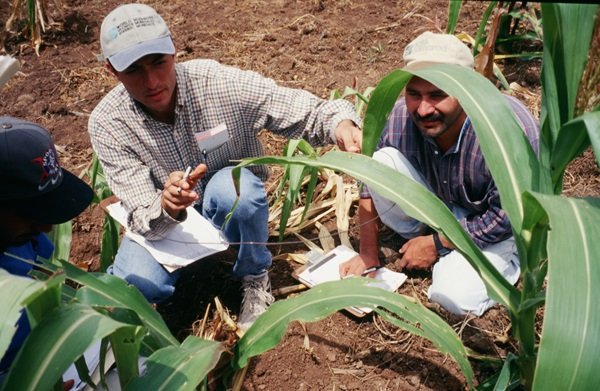
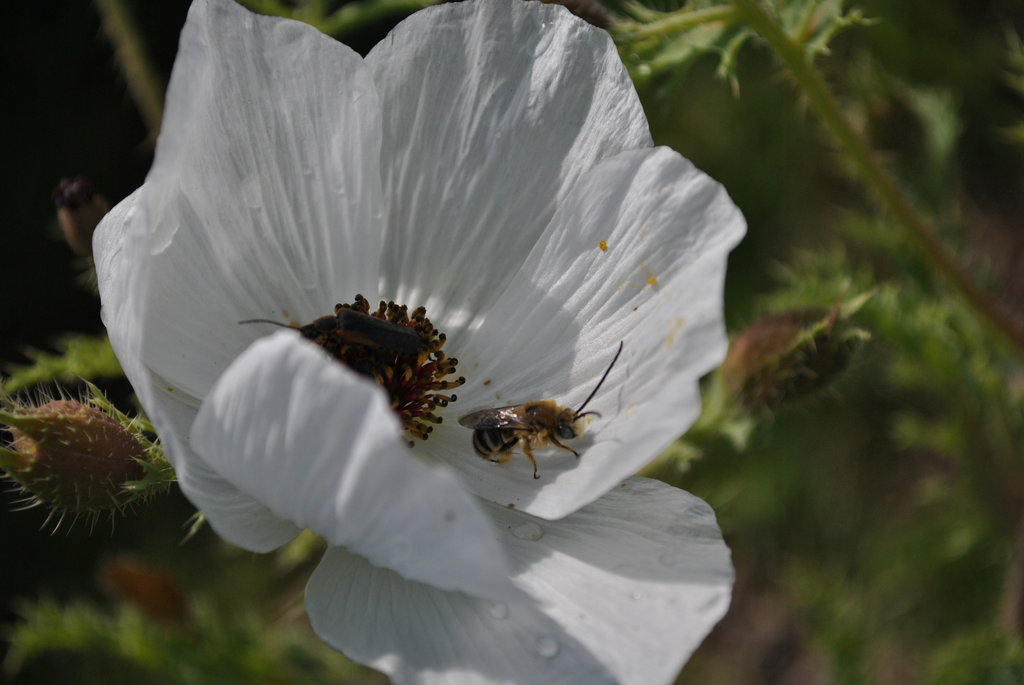
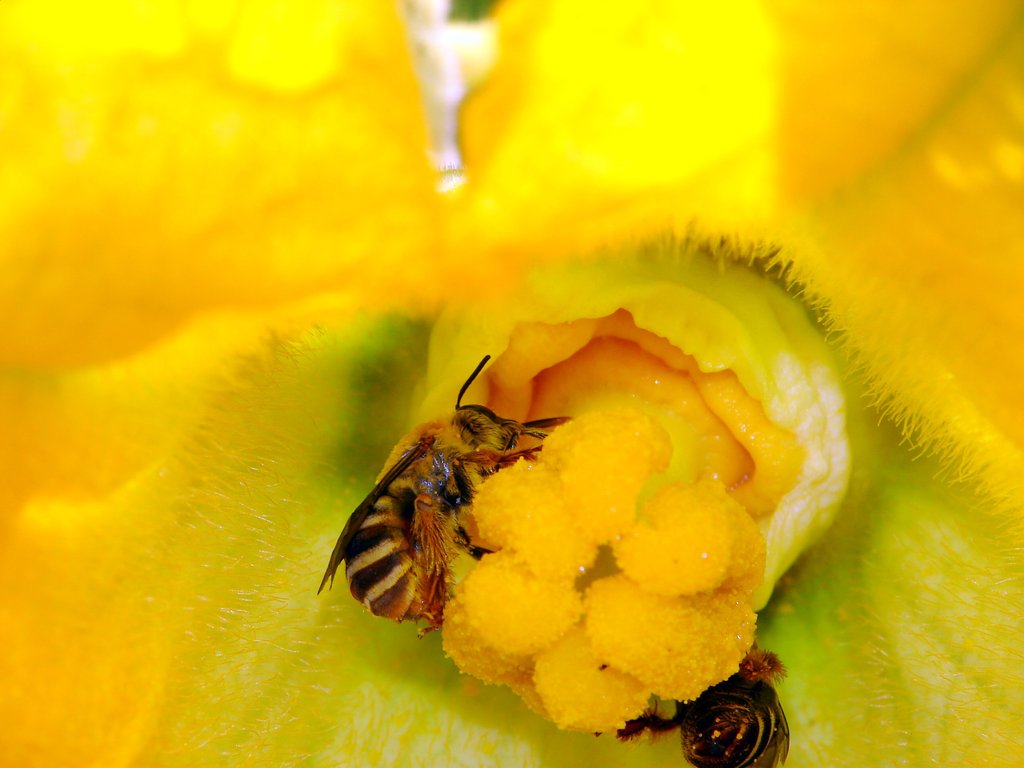
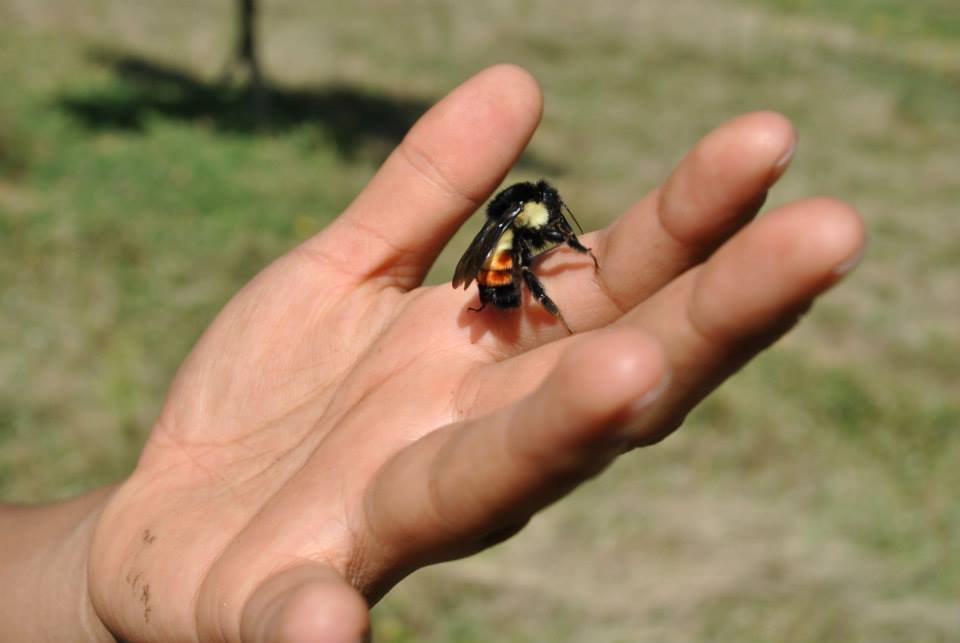
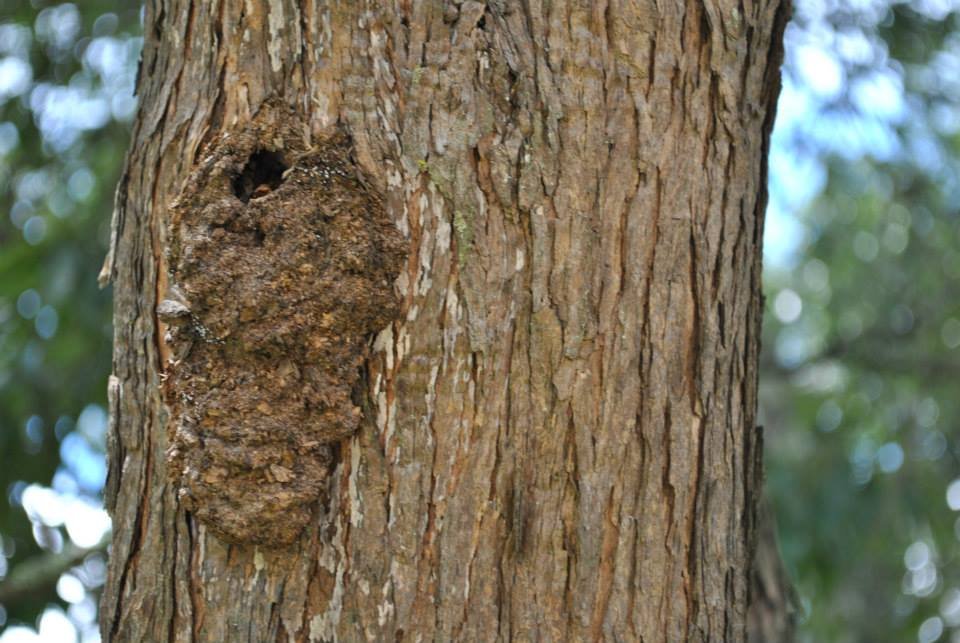
Emiliano Juarez is whispering, pointing a finger at a tiny bee busily rummaging around in a squash flower. He notes down the letters “a.n.” in a spiral pad, “She is one of ours—una abeja nativa (native bee). She doesn’t sting, but she can bite! Ever since we put up the nesting gourds, their population has been increasing. It’s a good pollinator for my squash crop.”
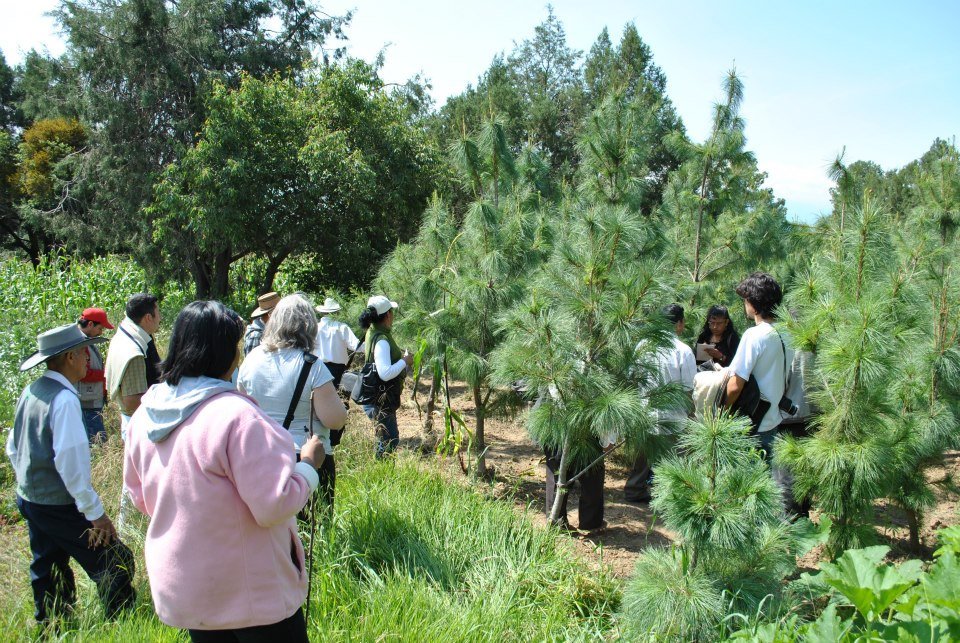
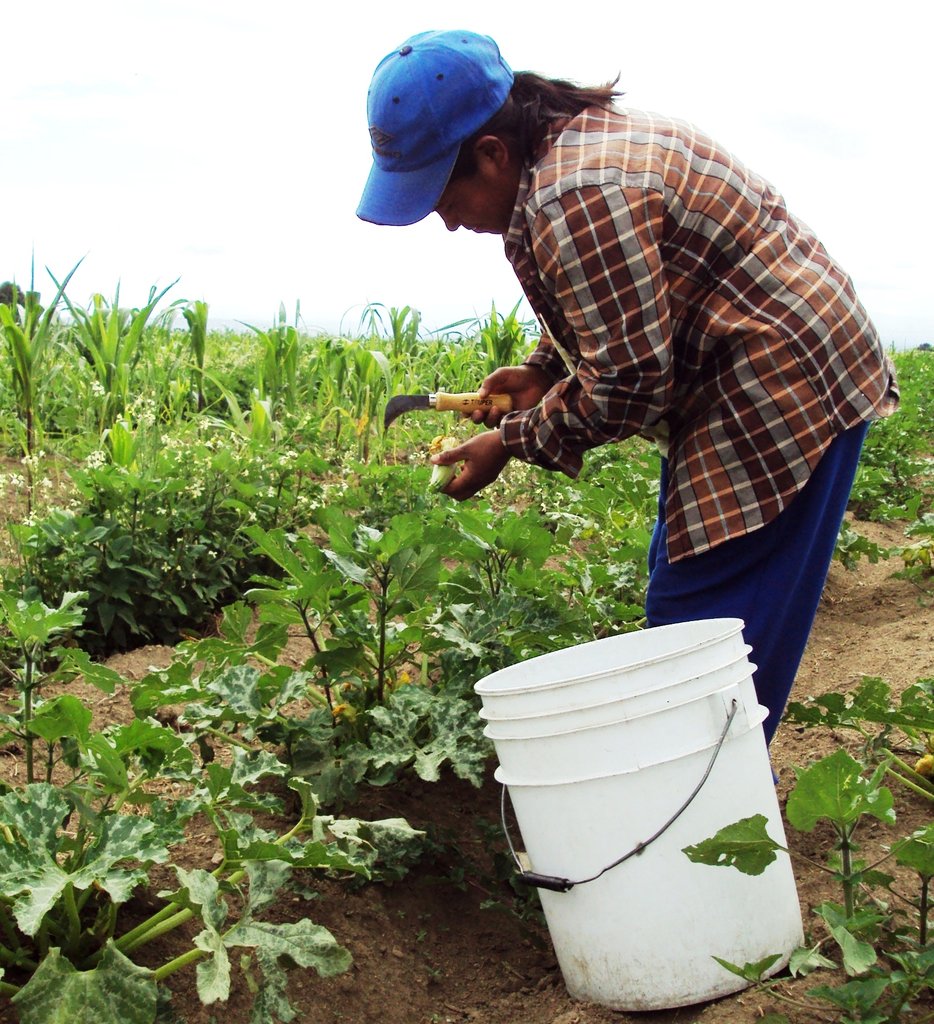
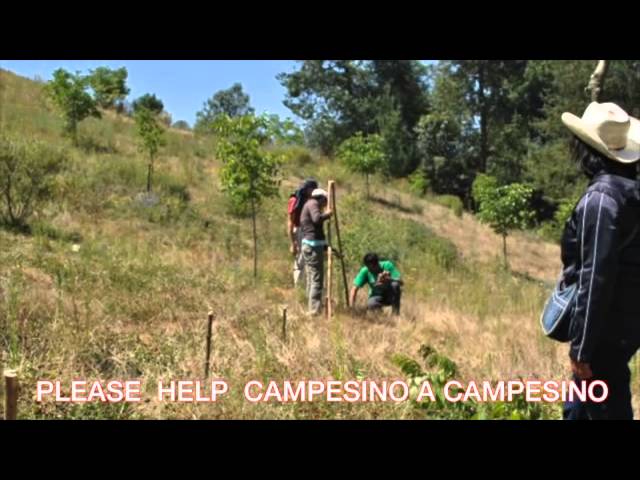
It was a crisp Tlaxcala morning on the Meseta Central of Mexico and we were squatting, evenly spaced, along with two other campesino farmers, in the very middle of Emiliano’s “milpa” the two-hectare corn-beans-squash polyculture that feeds his family. Each of us had a spiral pad. We had just five minutes to observe, classify and count the pollinators buzzing in the field. Fifty yards away, four more campesinos were also counting pollinators in the middle of the neighbor’s field.
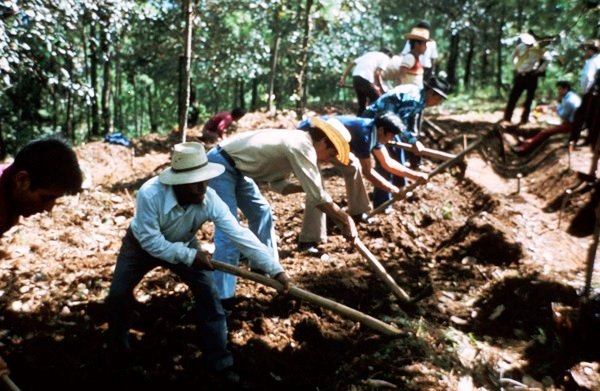
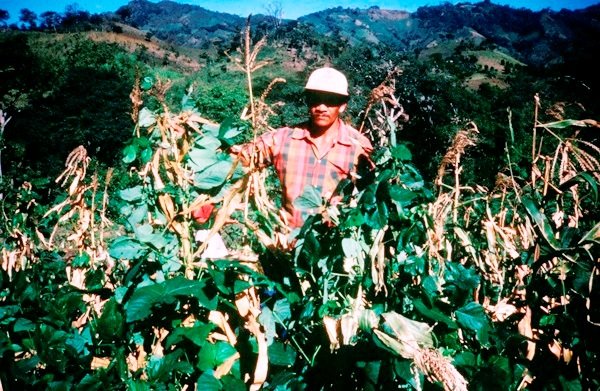
The two fields could not have looked more different. Emiliano’s milpa seemed a bit weedy and disorganized, but was full of edible tomatillos, purslane and leafy quelites. The land was divided lengthwise along the contour by two long conservation ditches for water catchment. The bunds above the ditches and the borders of his field were lined with thick hedgerows of trees, broom, maguey, a few aromatic herbs and native flowering plants, and plenty of weeds.
The neighbor’s field looked to be recently cultivated and sported clean rows of uniform corn plants… just corn plants. Not much grew around the perimeter except for a few magueys. It looked like the farmer had been careful to keep the weeds down.
“OK, time’s up!” calls Emiliano, “Lets see what we found.”
We all meet up to tally our observations and compare the results between the two fields.
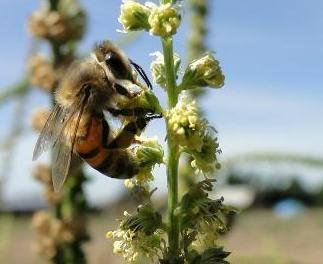
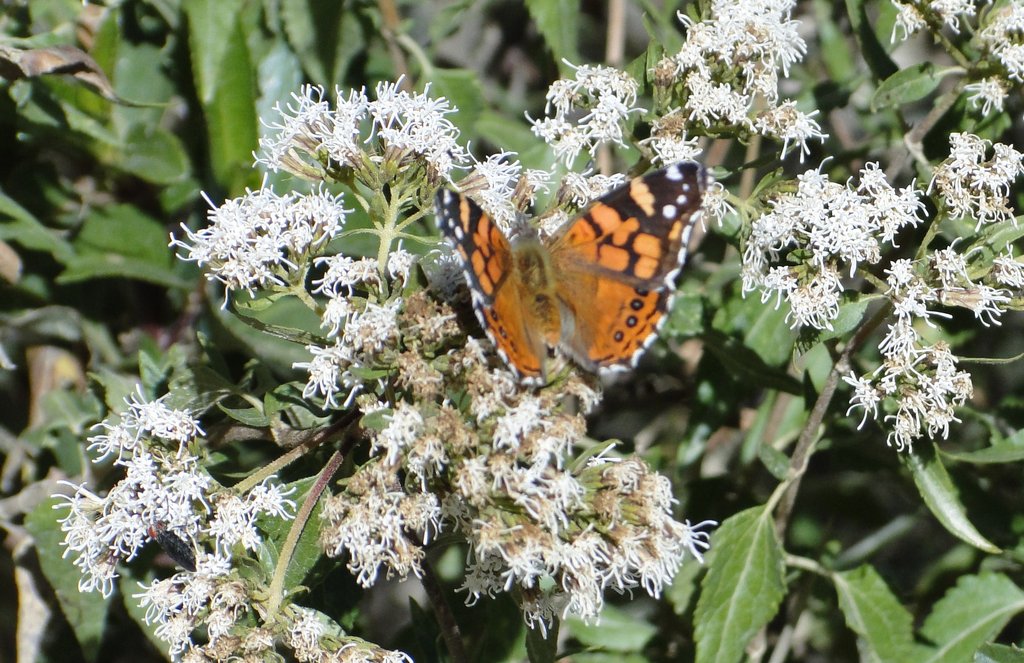
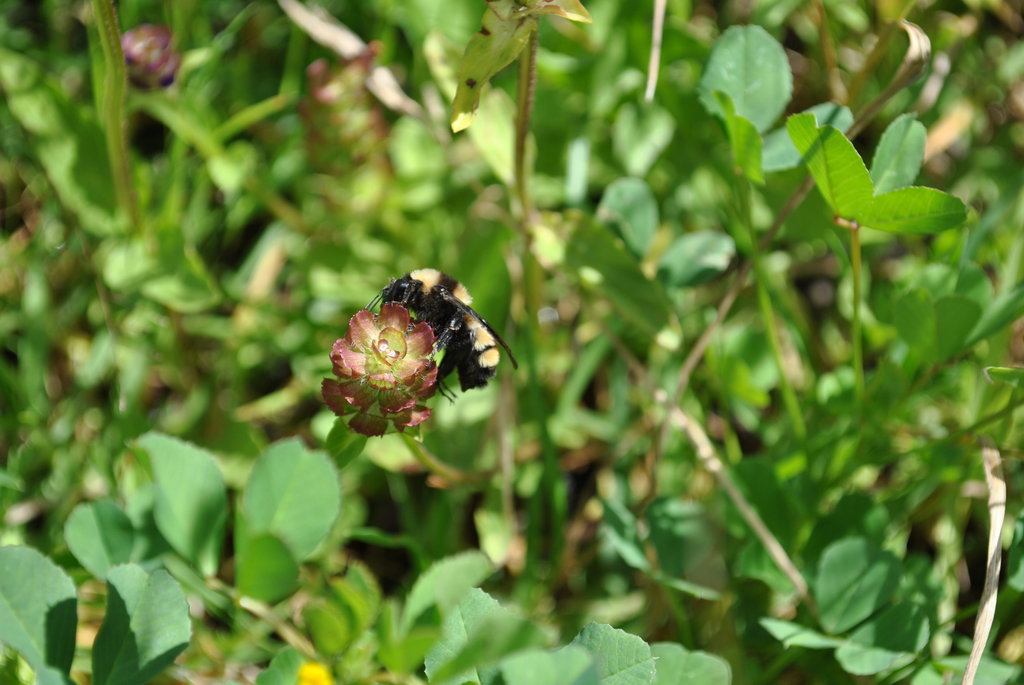
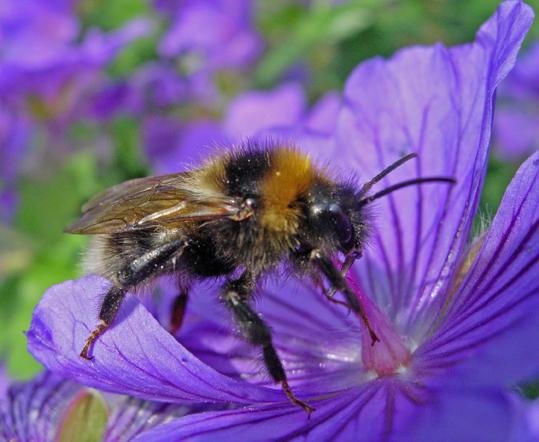
Emiliano’s field has twenty-three pollinators: six native honey bees, two bumble bees (abejorros), four wasps, and eleven ants. (A discussion ensued regarding whether or not the wasps were actually pollinating. We decided they were.)
“OK, how about my neighbor,” Emiliano asks.
People in the other group shrug a little uncomfortably. They claim two native bees and six ants.
“So, why the big difference?”
For the next twenty minutes we discuss the basic differences in farming styles, habitat, niches, pesticide use, organic matter… the conversation was lively and wide ranging.
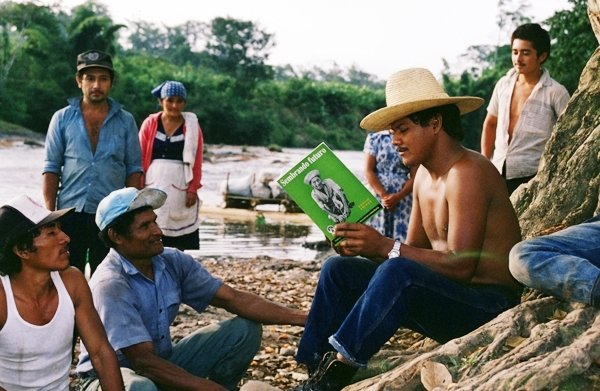
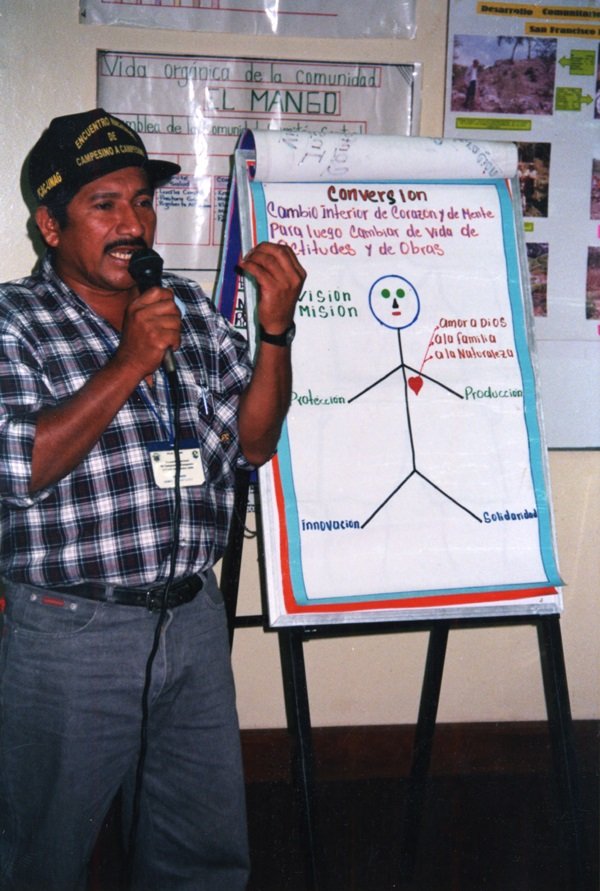
This gives your a glimpse into the field-based learning process that campesinos have been developing for over 30 years in Mexico. As they say "the proof is in the pudding," or in this case "the proof is in the number of pollinators."
The loss of natural pollinators in central Mexico is a reflection of a larger, ecosystems breakdown that began in the late 1960s with the Green Revolution.
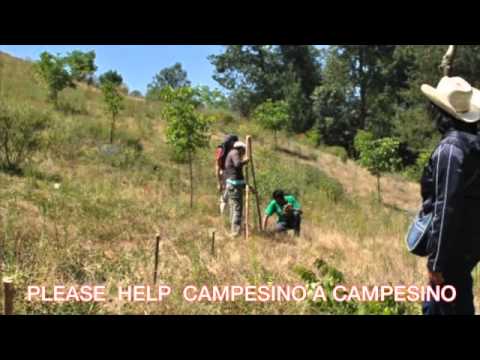
This year over 150 farming families will improve their yields, strengthen ecosystem resiliency and restore pollinator habitat on more than 300 acres of farmland in dozens of Mexican watersheds. Using the time-tested Campesino a Campesino methodology, they’ll also share their knowledge with more than 400 other farmers in nearby villages. The Farmer-to-Farmer Pollinator Restoration Project is the latest development in a decades-long struggle for farmer-led sustainable agriculture in Mesoamerica.
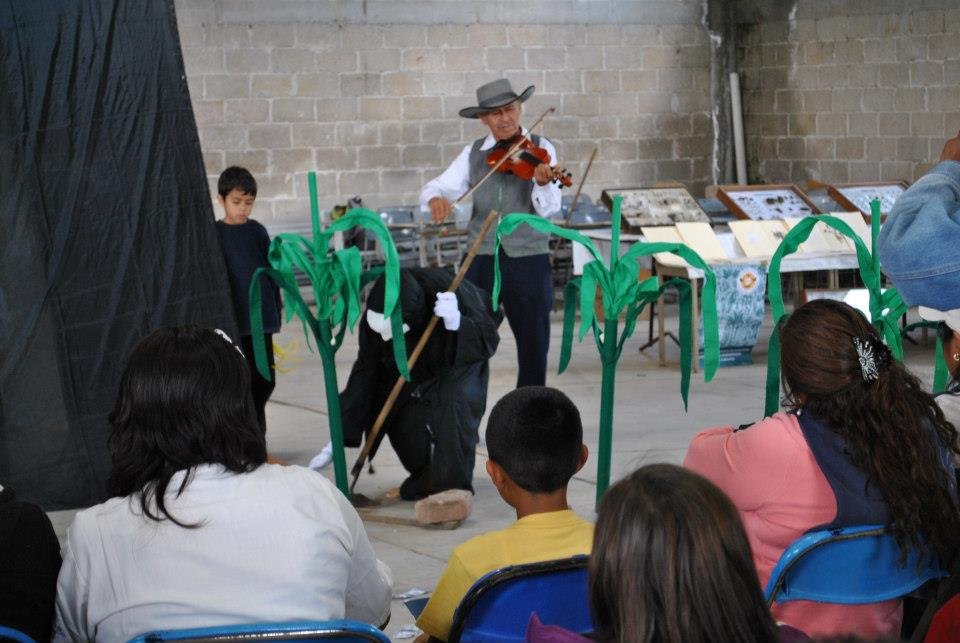
For our partners in Mexico, RICDA (The Indigenous Farmers Agroecology Network of Mexico) conserving natural pollinators is part and parcel of a larger campaign for peasant livelihoods based on agroecology, indigenous knowledge and food sovereignty: the democratic control over their food system. Aware of the importance of building alliances, RICDA organizes in the tianguis (farmers markets), giving workshops, informational materials and selling “pollinator friendly” products to a growing base of loyal consumers. RICDA members are active in the “Sin Maiz no Hay Pais” (Without Corn there is no Country) campaign and coordinate with the international peasant federation Via Campesina to lobby for agrarian reforms that protect smallholders and native seeds.
This pollinator work is just one piece of the continual farmer-to-farmer education which has been taking place in Mexico for the past 35 years.
The farmers of RICDA know that to conserve pollinators they need to be environmentally and economically sustainable. They also need to exercise political power to defend their livelihoods from a global food regime determined to push them off the land and out of the market. The farmers resist, in part because they wish to maintain their livelihoods, their culture and their way of life. They also resist because there is nowhere else for them to go. There are no jobs in the countryside or the cities. The costs and dangers of migrating to “El Norte” (US and Canada) for work are too great.
“We have to stay on the land,” says Manuel “Manolo” Moran of the Tonantlal farmers group in San Luis Coyotzingo, Puebla, “It is the only way to survive. But we need to make a better living, too, for our children—and for our land—to have a future. We can save the pollinators, but who is going to save us? We can’t do it all alone.”
Project reports on GlobalGiving are posted directly to globalgiving.org by Project Leaders as they are completed, generally every 3-4 months. To protect the integrity of these documents, GlobalGiving does not alter them; therefore you may find some language or formatting issues.
If you donate to this project or have donated to this project, you can receive an email when this project posts a report. You can also subscribe for reports without donating.