By Eric Holt-Gimenez | Executive Director and Project leader
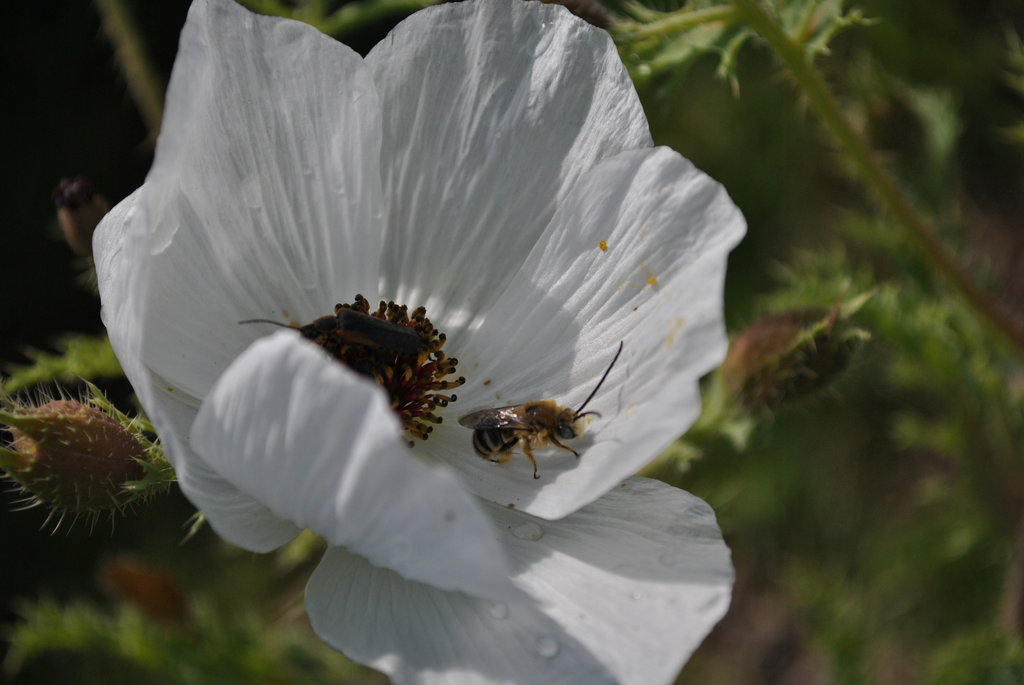
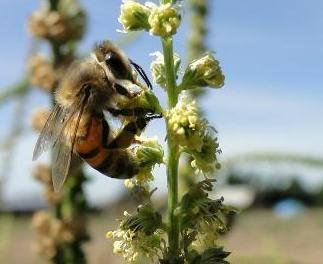
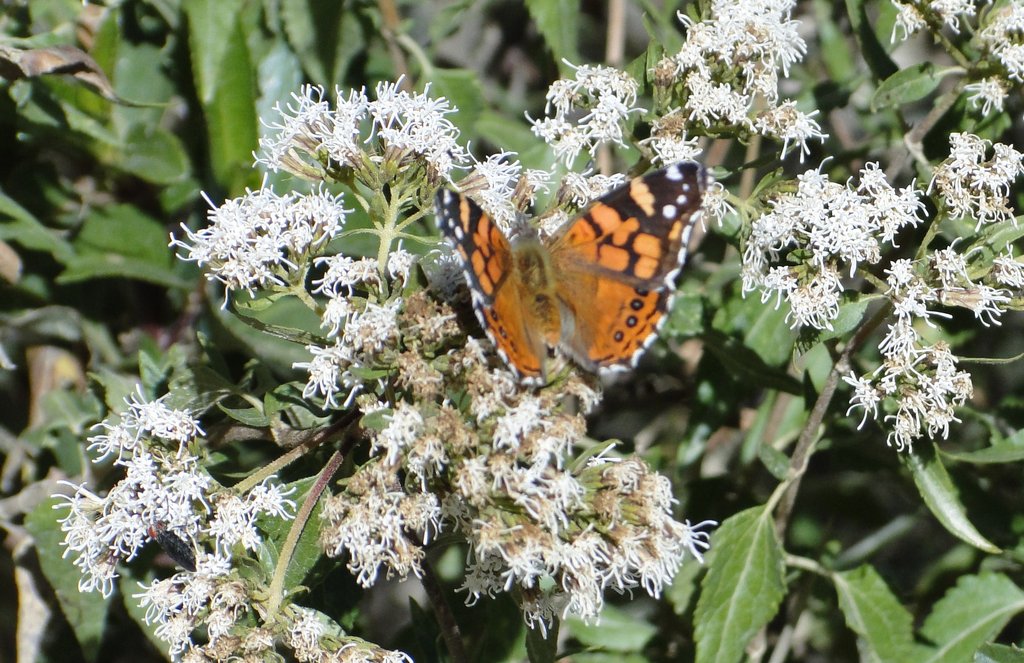
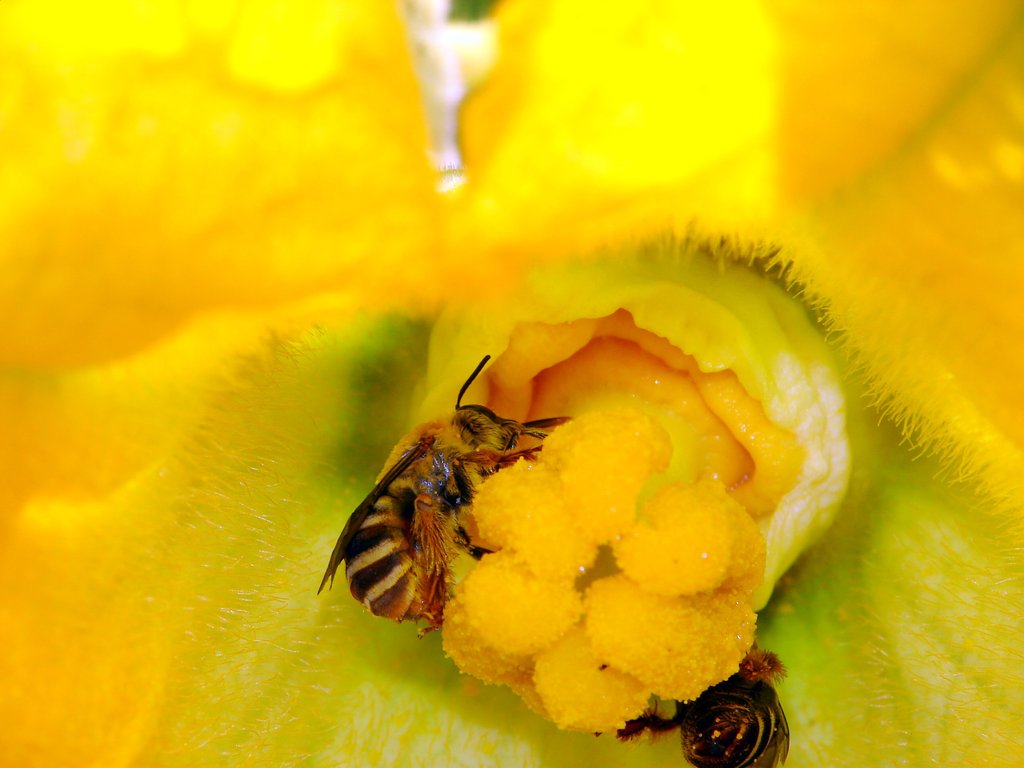
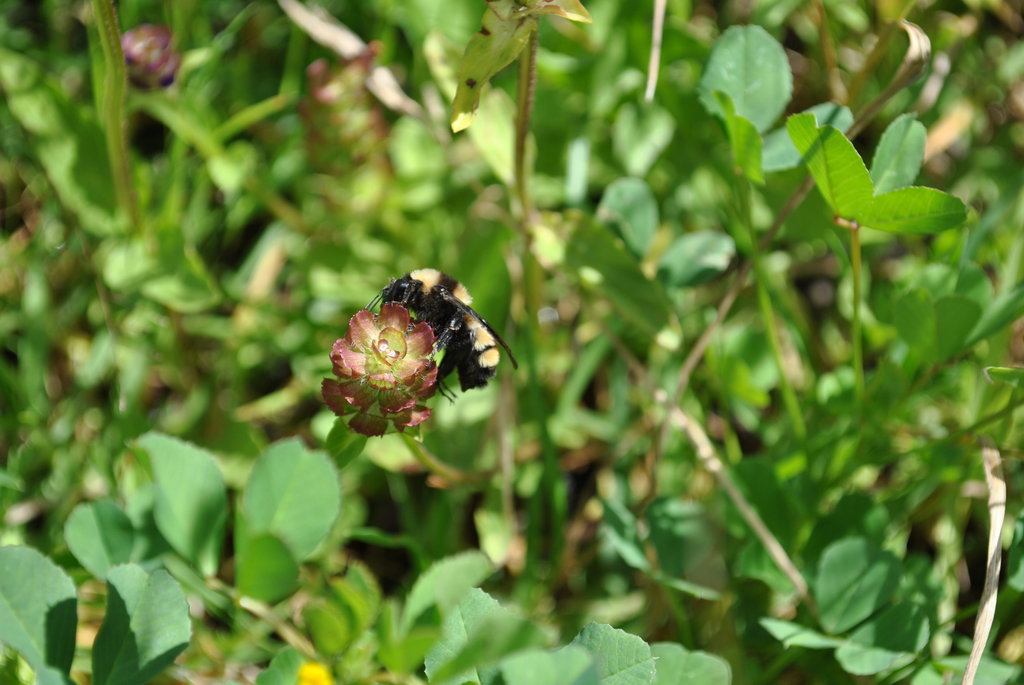
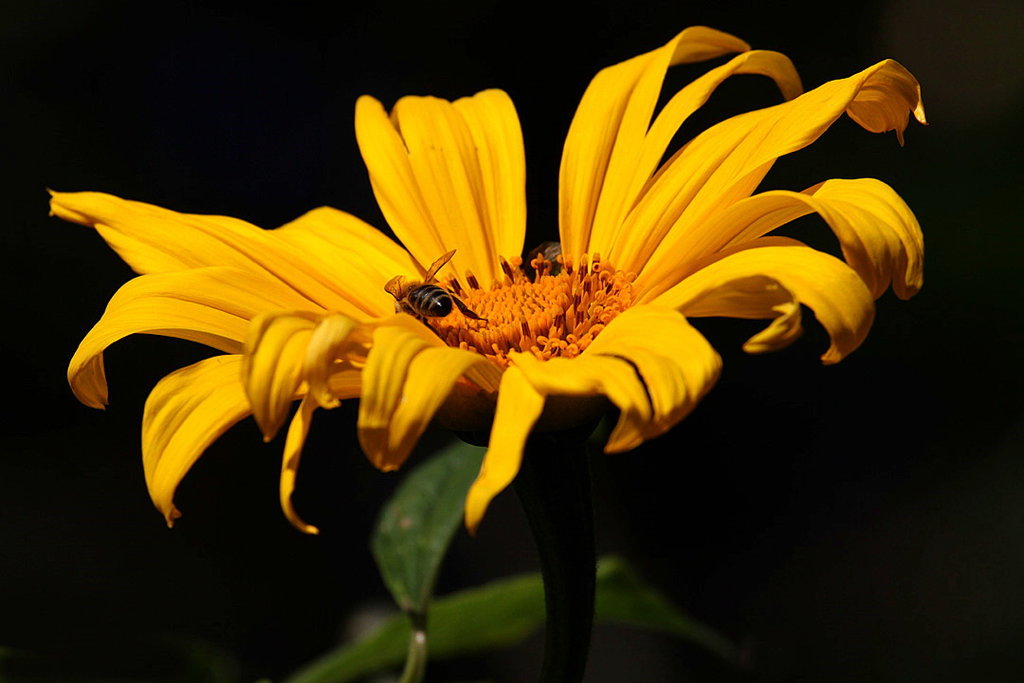
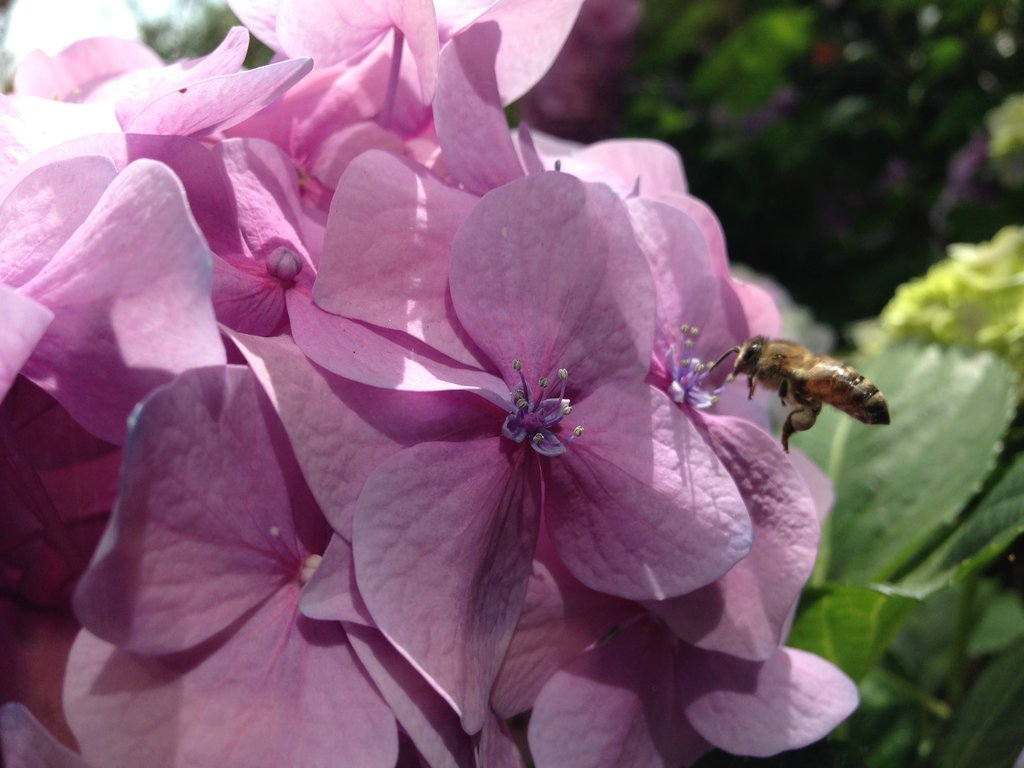
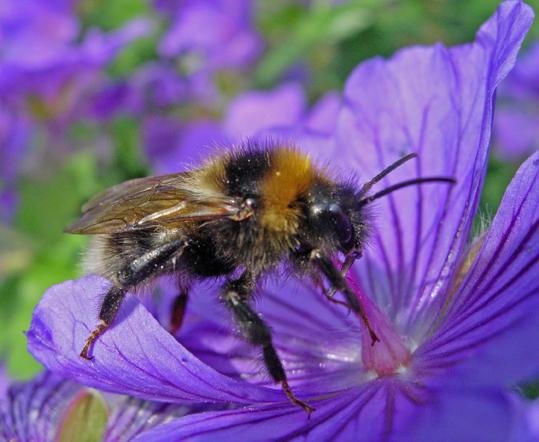
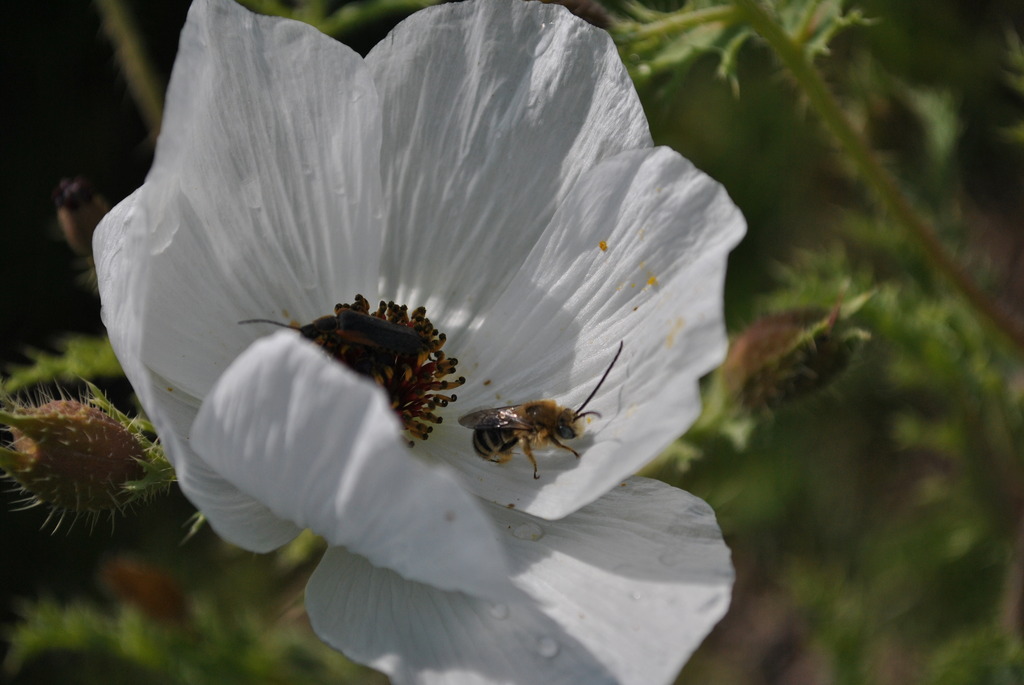
There is an urgent need to set aside sections of land for pollinator habitat all across North and Central America. One third of our farm crops require pollinators (bees, birds, butterflies and bats) to cross pollinate fruits and vegetables.
Every year since 2006 annual honeybee colony losses in the United States have averaged 30 percent. Some veteran beekeepers are now losing all of their bee hives year after year. The U.S. Department of Agriculture estimates that honeybee colony survival rates are now too low to meet pollination demands of U.S. agricultural crops.
This loss reduces crop yields, puts farmworkers out of work and farmers out of business, and most importantly, raises the cost of food and reduces the range of foods available.
The urgency of doing something to save bees has reached the halls of the U.S. Congress where Rep. John Conyers Jr. and Rep. Earl Blumenauer have introduced a bill to impose a two-year ban on the use of insecticides suspected of contributing to the death of bees. In addition to banning the use of these insecticides, it is equally important to set aside and restore habitat to nurture pollinators.
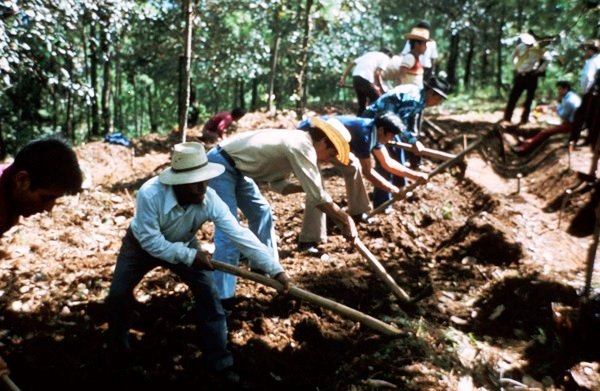
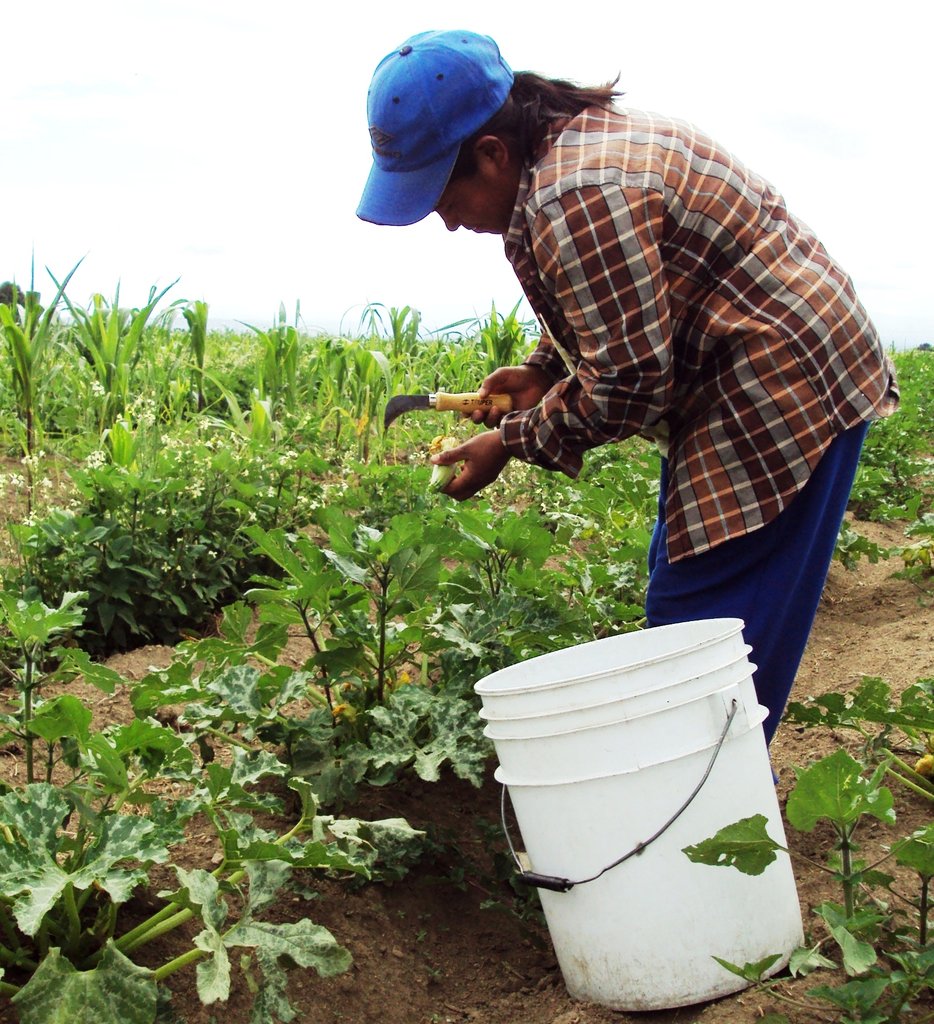
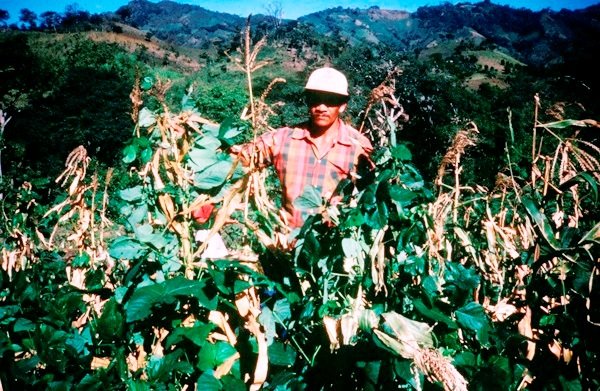
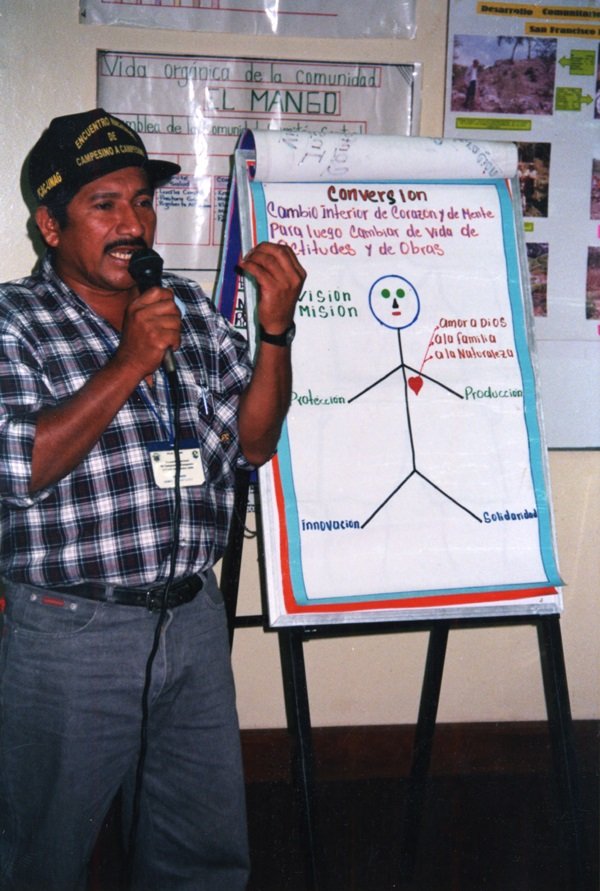
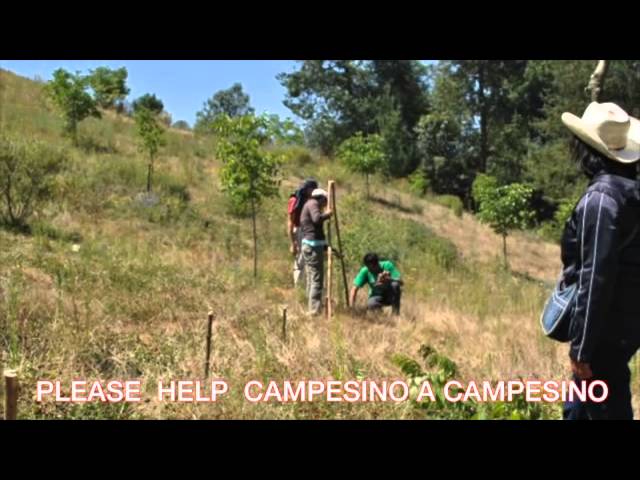
The bee crisis is also hitting Mexico. Food First's project in Mexico is working to restore 300 acres of pollinator habitat. This will increase the amount of basic grains and vegetables grown on smallholder farms in the states of Oaxaca, Guerrero, Tlaxcala and Puebla. These states have been selected because the Campesino a Campesino (Farmer-to-Farmer) Movement is most active there.
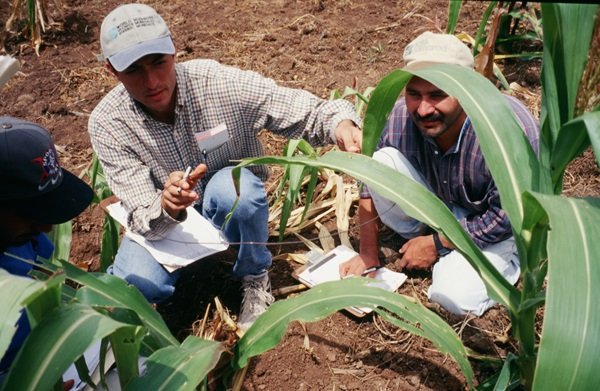
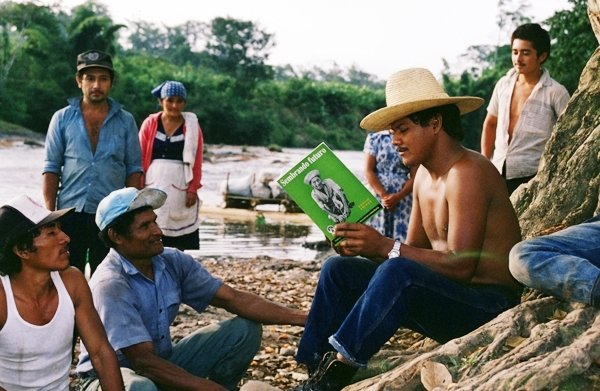
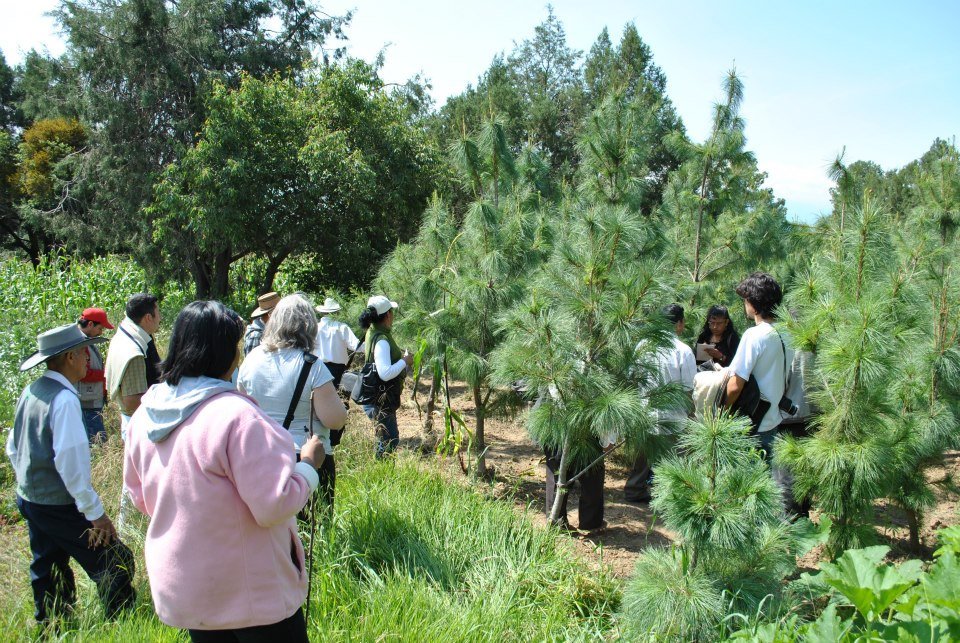
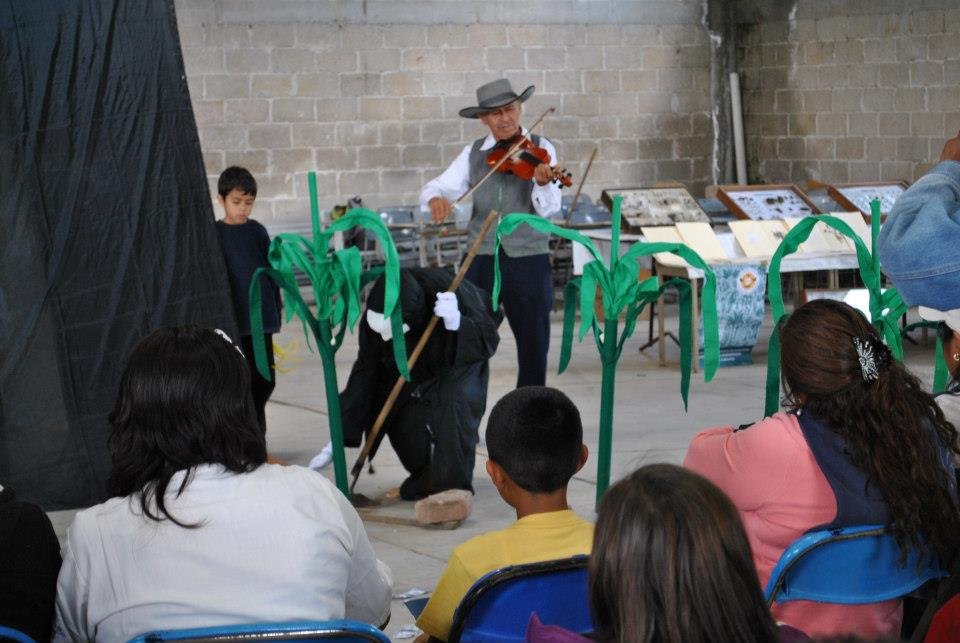
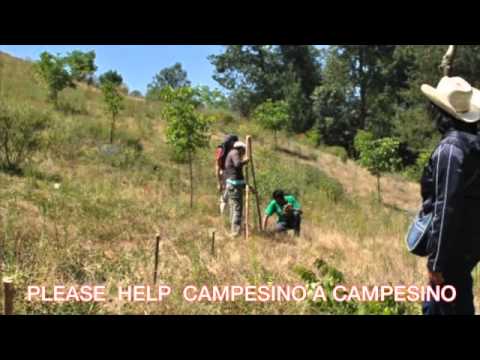
Farmers are already working together in local farmer-to-farmer teams to set up habitat reserves on 300 acres of peasant farmland on 150 farms, as well as working to improve the ecosystems of dozens of watersheds. Campesino a Campesino field demonstrations are already allowing these farmers to show more than 400 other farmers in nearby villages how to set aside their own restoration areas. Once these pollinator restoration practices are established within the Campesino a Campesino movement, they will spread throughout Central America with farmers continuing to teach other farmers.
Our campaign funding progress has been steady. As we move into spring planting season, your donation now will help us with our goal of having at least one farmer to farmer field demonstration in each of the four states we are working in during the coming month.
Please consider a donation now. You can also help by sharing information with your facebook and twitter networks using the links at the bottom of the donation page.
Project reports on GlobalGiving are posted directly to globalgiving.org by Project Leaders as they are completed, generally every 3-4 months. To protect the integrity of these documents, GlobalGiving does not alter them; therefore you may find some language or formatting issues.
If you donate to this project or have donated to this project, you can receive an email when this project posts a report. You can also subscribe for reports without donating.