By Tom Philpott | Reporter, Mother Jones Magazine
Monarch Butterflies Can Survive the World's Most Amazing Migration--But GMOs Are Wiping Them Out
Why should we care if Monarchs are declining?
Tom Philpott of Mother Jones Magazine in an Jan 30, 2014 story tells us the story of this important pollinator. Read the original story.
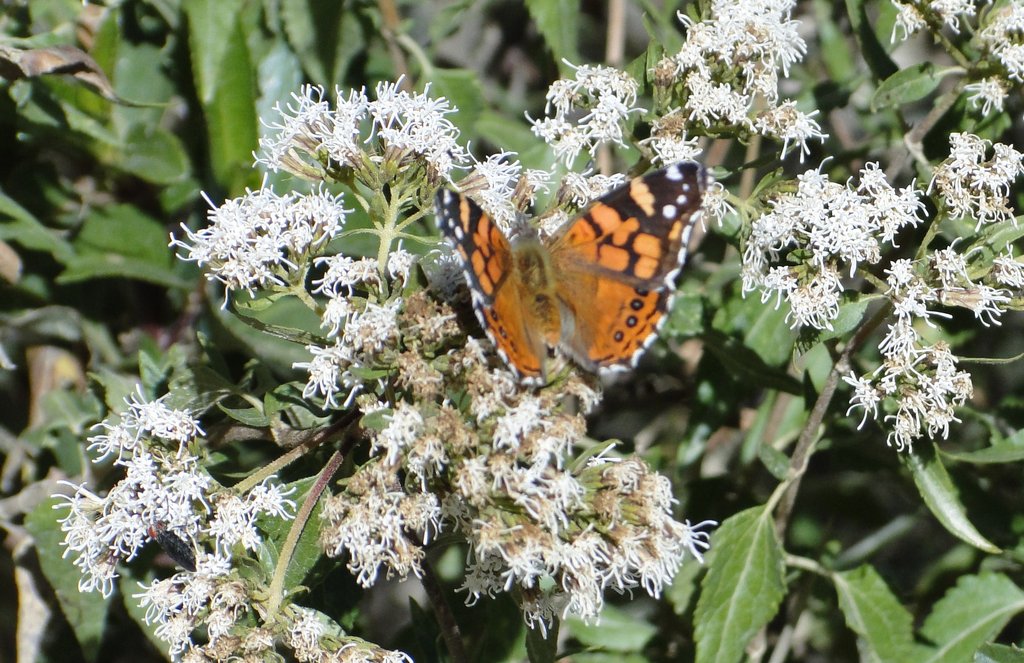
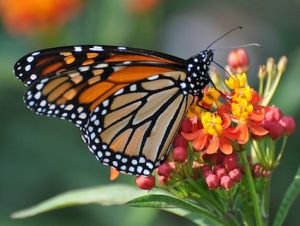
The monarch butterfly is a magnificent and unique beast—the globe's only butterfly species that embarks on an annual round-trip migration spanning thousands of miles, from the northern US and Canada to central Mexico. And monarchs aren't just a gorgeous bug; they're also pollinators, meaning they help keep land-based ecosystems humming. Their populations have been plunging for years, and the number of them hibernating in Mexico last year hit an all-time low, reports University of Minnesota ecologist Karen Oberhauser. Why? Here's Oberhauser:
"Tragically, much of their breeding habitat in this region [the US and Canada] has been lost to changing agricultural practices, primarily the exploding adoption of genetically modified, herbicide-tolerant crops in the late 20th and early 21st centuries ... These crops allow post-emergence treatment with herbicides, and have resulted in the extermination of milkweed from agricultural habitats."
Their argument is powerful. Monarchs lay their eggs on one particular kind of plant: the milkweed. And when the eggs hatch, the caterpillars feed exclusively on the weed. Milkweed is common throughout the Midwest, and has long thrived at the edges of corn fields. But when Monsanto rolled out its "Roundup Ready" seeds in 1996, which grew into plants that could thrive amid lashings of its flagship Roundup herbicide, the Midwest's ecology changed. As farmers regularly doused ever-expanding swaths of land with Roundup without having to worry about the hurting their crops, milkweed no longer thrived—and as a result, the charismatic butterfly whose caterpillars require it can no longer thrive, either.
The researchers estimate that the amount of milkweed in in the Midwest plunged by 58 percent from 1999 to 2010, pressured mainly by the expansion of Roundup Ready genetically engineered crops. Over the same period, monarch egg production in the regions sank by 81 percent. And it turns out that monarchs tend to lay more eggs milkweeds that sprout up in and around cultivated fields. So when farmers snuff out the milkweeds with Roundup, they're exerting a disproportionate effect on monarchs.
Now, there are no doubt other pressures facing the monarch, including habitat loss in Mexico, but it's undeniable that when you drastically reduce egg-laying habitat and caterpillar food in one big go, you're going to harm a butterfly species.
Of course, this is not the first time scientific research has implicated GMO crops as a threat to monarch butterflies. Besides Roundup Ready, Monsanto has succeeded in commercializing one other trait: what's known as Bt, which it uses in corn and cotton seeds. So-called Bt crops have been engineered to express the toxic-to-bugs gene of the Bacillus thuringiensis bacteria.

Habitat, sweet habitat: A monarch caterpillar lounges on a milkweed leaf. : sankax/Flickr
Back in 1999, Cornell researchers published a paper in Nature expressing concern that that pollen from Bt-engineered corn would drift onto milkweed and poison monarchs. In their lab tests, they found that when monarch caterpillars fed on milkweed dusted with pollen from Bt crops, they consumed less food, developed more slowly, and died at much higher rates than the control group.
The paper generated a lot of controversy and got activist groups charged up. But in 2005, a USDA study found that Bt corn wasn't a threat to the popular butterfly after all. The researchers concluded that in the Midwest's cornfields, not enough Bt pollen was accumulating on milkweed to have an effect.
Well, whether or not Bt-infused pollen hurts monarchs, largely wiping out milkweed with Roundup makes the debate largely academic. Monarch caterpillars can only be exposed to the pollen when they're crawling about on milkweed leaves. Trouble is, they can't exist unless they're crawling about on milkweed leaves.
The story here is about more than the decline of a butterfly species. It's also about the unintended consequences of subjecting millions of acres of our best farmland to a single chemical-dependent technology, one literally designed to wipe out plant biodiversity in farm fields. We know about the plight of the monarch only because it's a fascinating, beloved creature that attracts scrutiny from researchers. What else are we sacrificing to industrial agriculture ramped up by genetic engineering?
#####
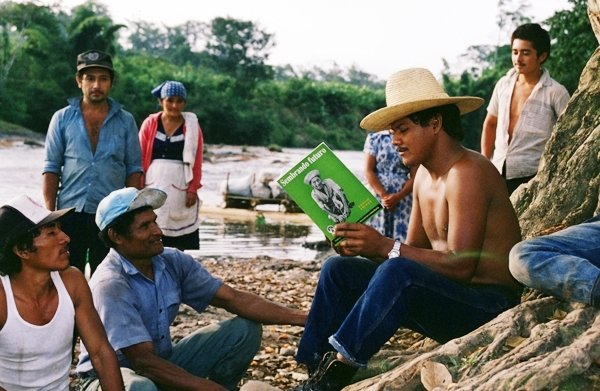
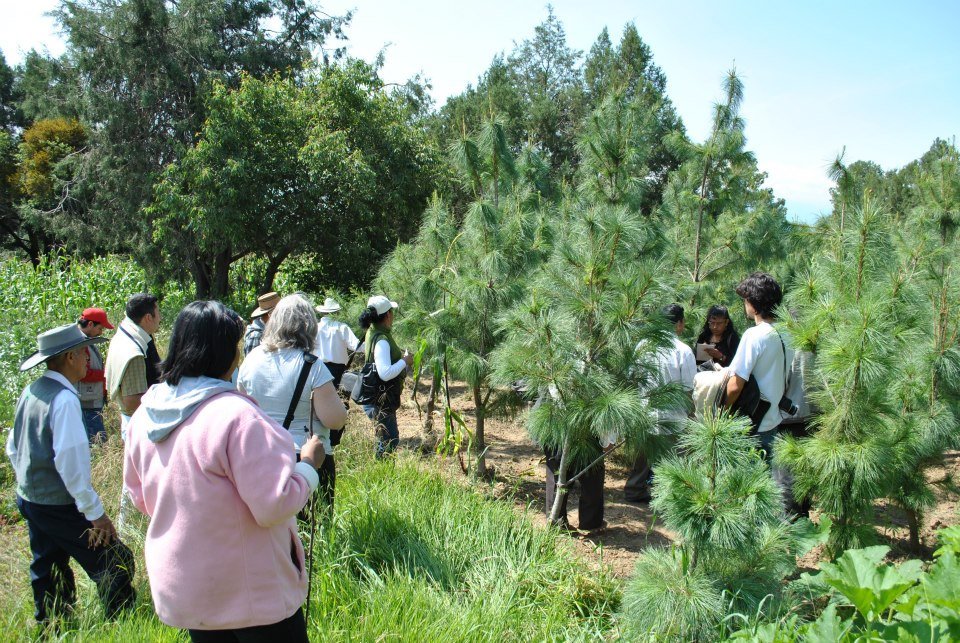
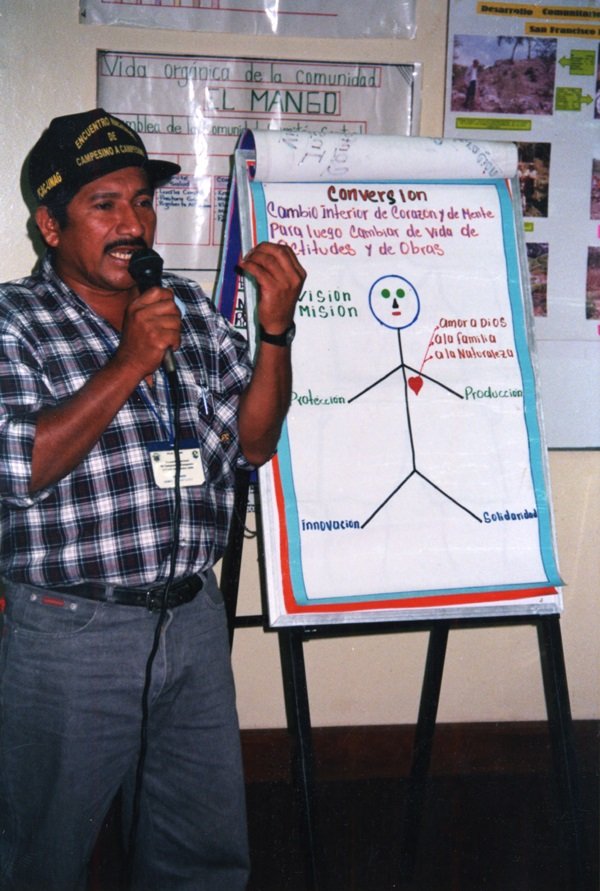
Food First's Bring Back Bees Pollinator project focuses on restoring habitat on small farms throughout Mexico. If American and Canadian industrial farming practices are killing Monarchs that return to Mexico each year, it is more important than ever to nurture the native polliinators of Mexico (the bats, birds and bees). Your funding of this project is important. Won't you now reach out to tell your friends about how Mexico's small farmers are saving the pollinators that improve their vegetable and fruit production.
Project reports on GlobalGiving are posted directly to globalgiving.org by Project Leaders as they are completed, generally every 3-4 months. To protect the integrity of these documents, GlobalGiving does not alter them; therefore you may find some language or formatting issues.
If you donate to this project or have donated to this project, you can receive an email when this project posts a report. You can also subscribe for reports without donating.