Bring Back Bees to Mexico's Degraded Farmlands

by Food First/Institute for Food and Development Policy
Play Video
Bring Back Bees to Mexico's Degraded Farmlands

Project Report | Dec 17, 2013
Honey Bee Colony Collapse

By Eric Holt-Gimenez | Executive Director of Food First and Project Lead

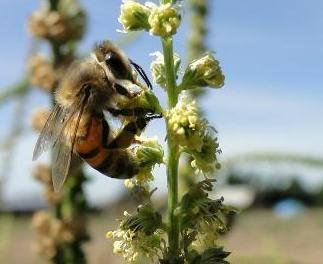
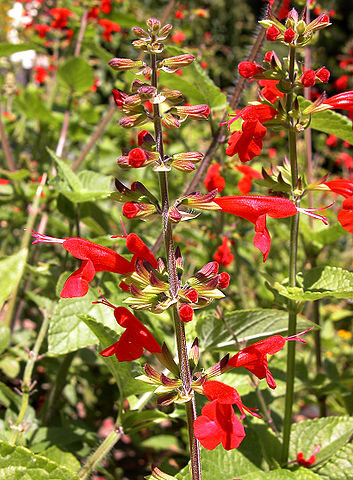
Scarlet Sage
Scarlet Sage

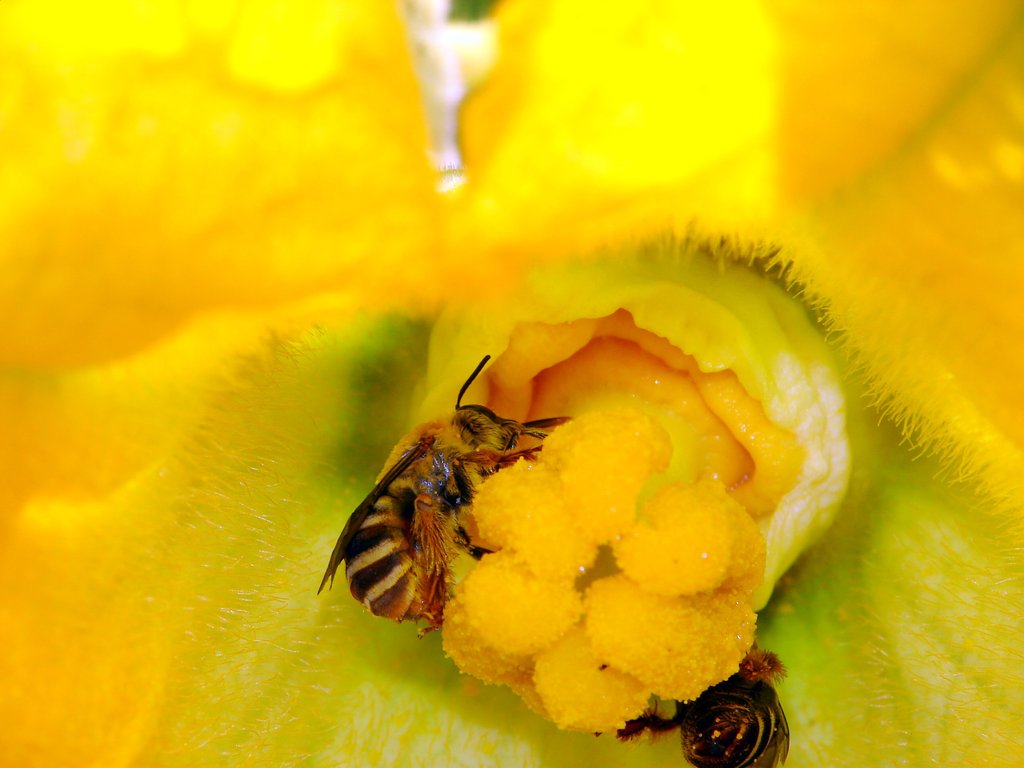
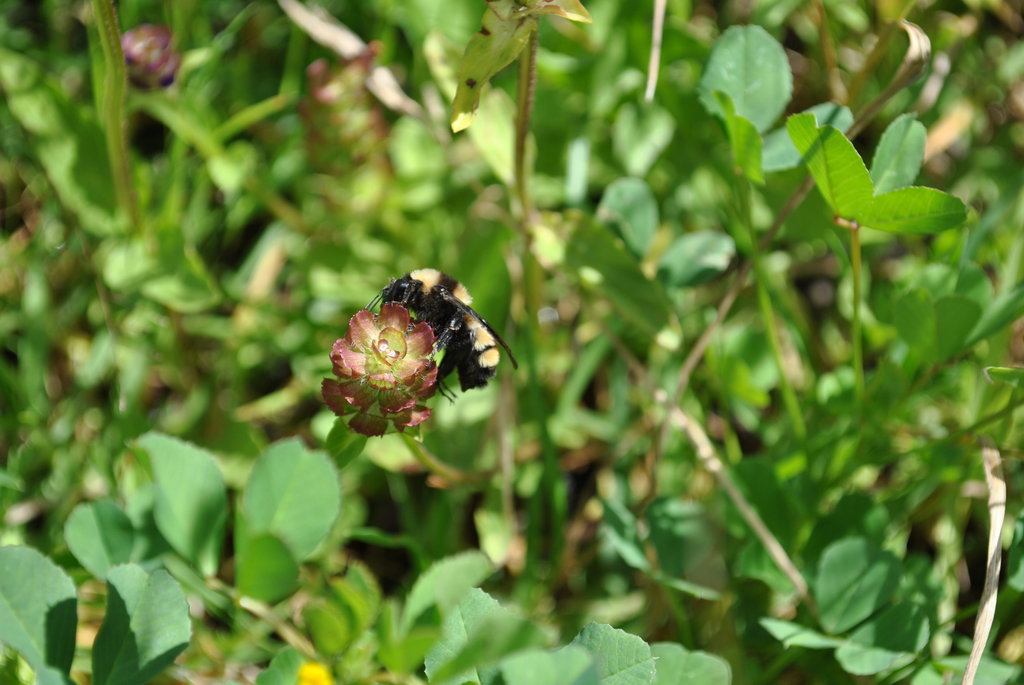
Birds, bees and butterflies know no borders. What we spray on plants here in the U.S. affects the survival of bees and bee pollination in Mexico as well as in the US.  One third of all the food we eat requires pollination by a bee, bird, butterfly or bat. And increasingly more of the food Americans eat is grown in Mexico.

Here are some things you can do to help preserve our honey bees, wild bees, and butterflies.

1) If you must spray your plants, use biological oils and herbal repellents or coconut oil soaps; not pesticides. Common U.S. poisons include Merit, Aloft, Arena, Flagship, Combat and Termidor. Read the Label. Better yet, just don't buy any chemical pesticides. They are deadly poison to our pollinators.

2) Plant brightly colored flowering annuals and perennials that bloom at different times to attract pollinators.

3) Donate to Food First's Mexico Bring Back the Bees campaign to help restore pollinator-friendly habitat at http://www.globalgiving.org/projects/bring-back-bees-and-birds-to-mexicos-degraded-lands/

 4) Demand that the US EPA ban brands that contain these chemicals that have already been banned in the Europe--Acetamiprid, Clothianidin, Dinotefuran, Imidacloprid and Thiamethoxam. 

Sign this petition which will be given to the EPA Chief, Gina McCarthy: http://save-bees.org/

5) Educate friends and family about the importance of bees. butterflies, bats and birds in pollinating our food. Forward this e-mail to friends.


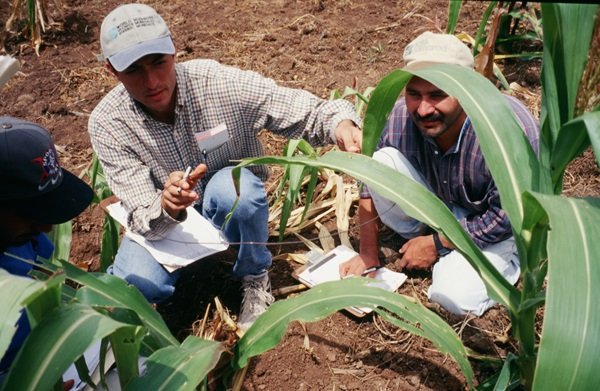
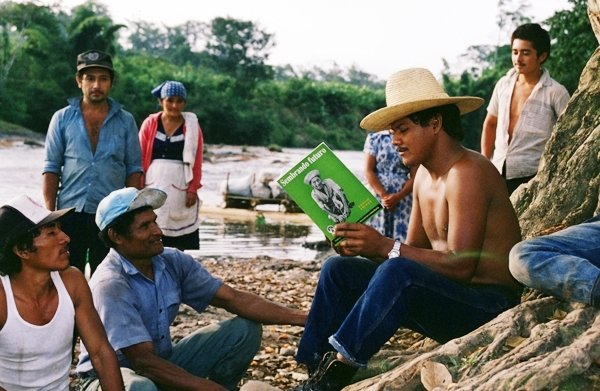
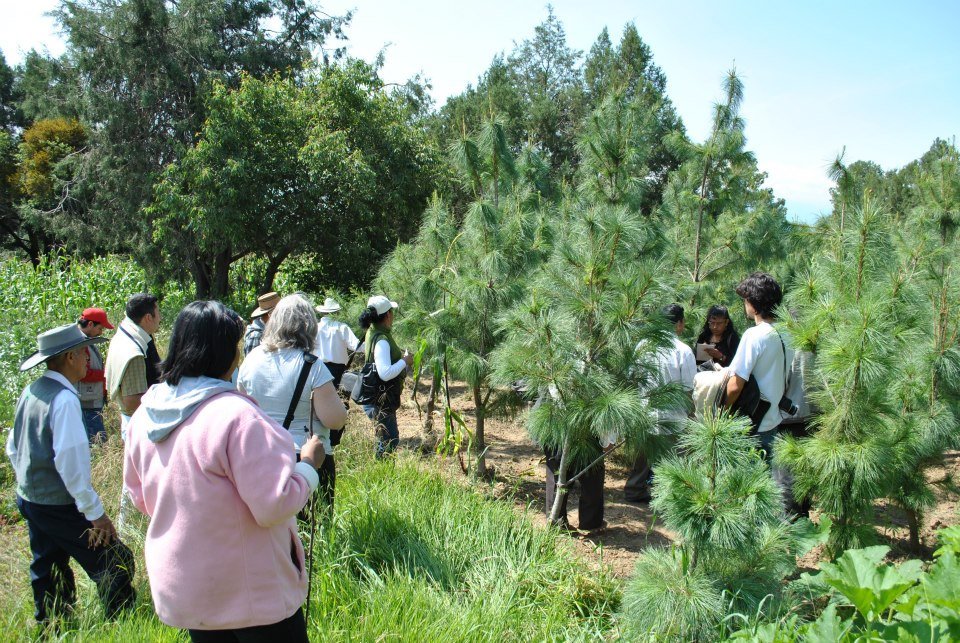
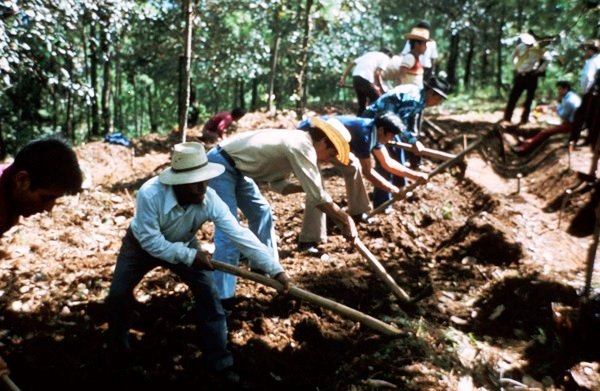
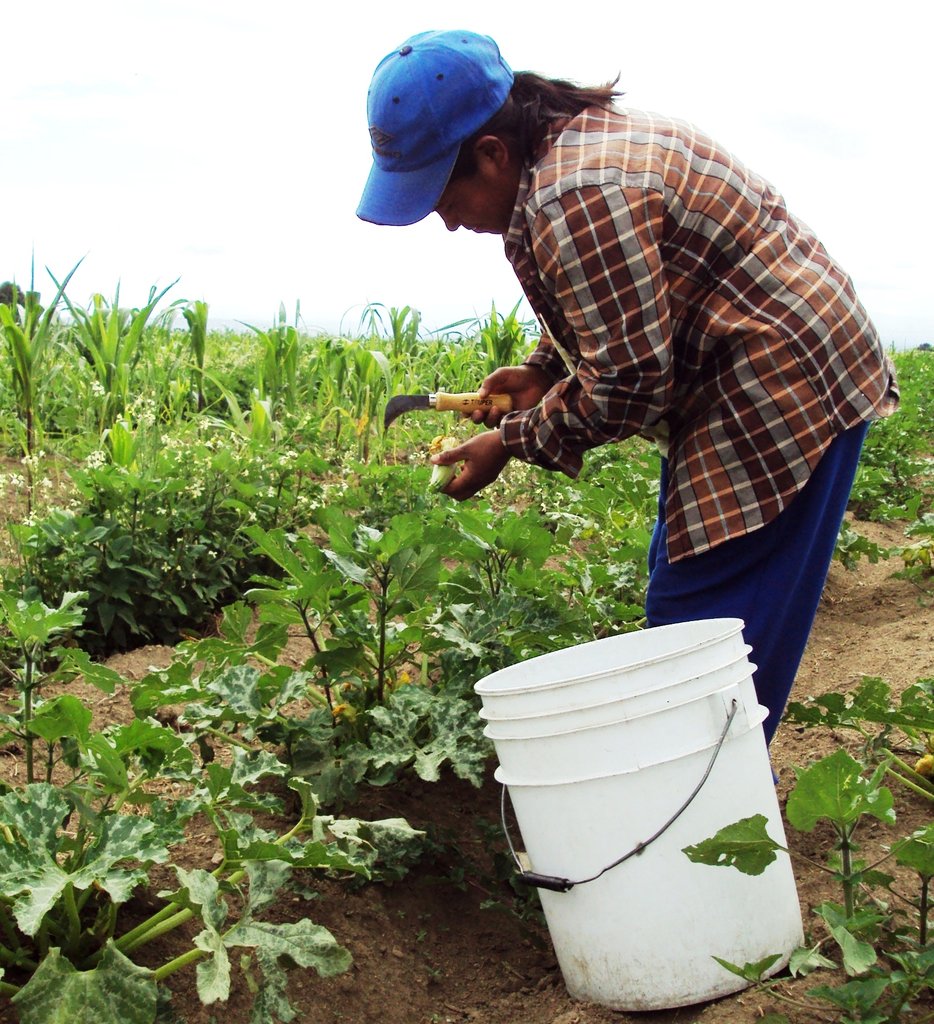
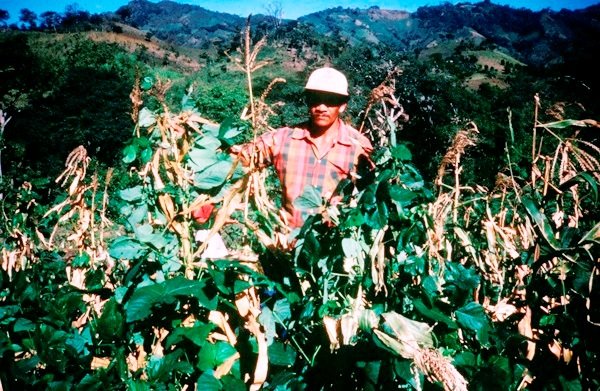
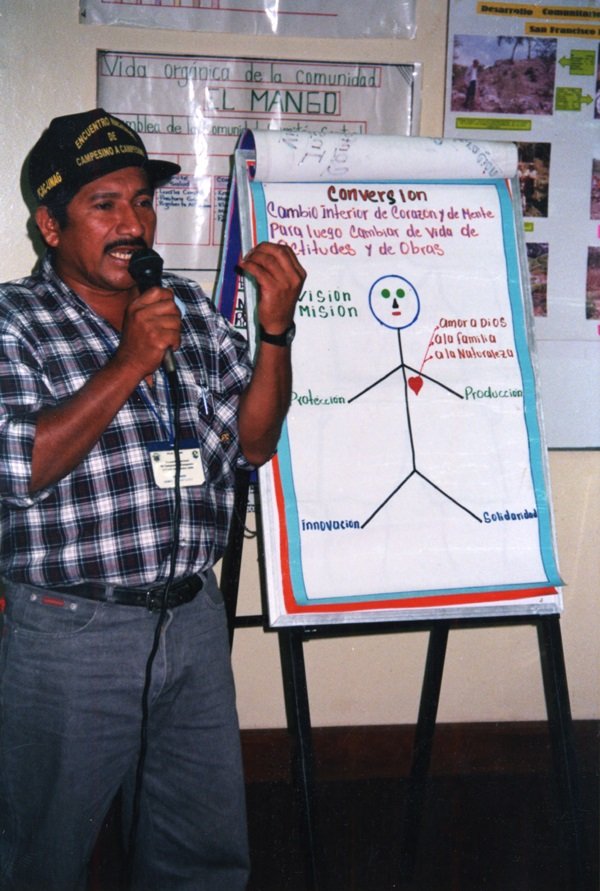
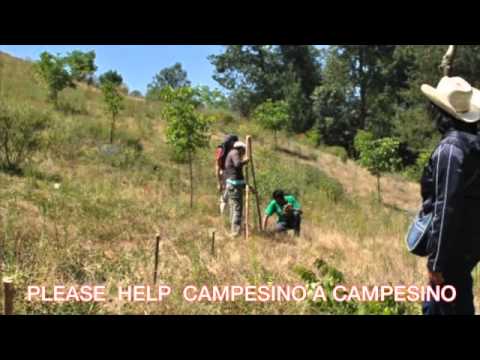
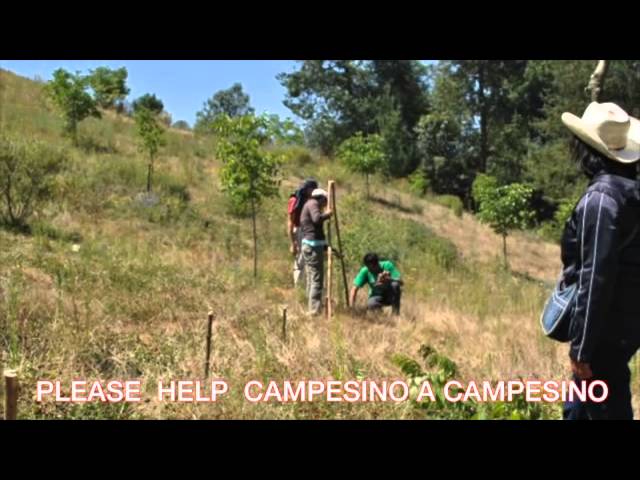
The Farmers of the Campesino a Campesino Movement in Latin America have been conserving pollinator habitat through agroecological restoration for years. These farmers teach other farmers how to identify natural pollinators, restore their natural habitat and eliminate pesticides and herbicides so that pollinators can thrive; thus allowing them to grow more food.

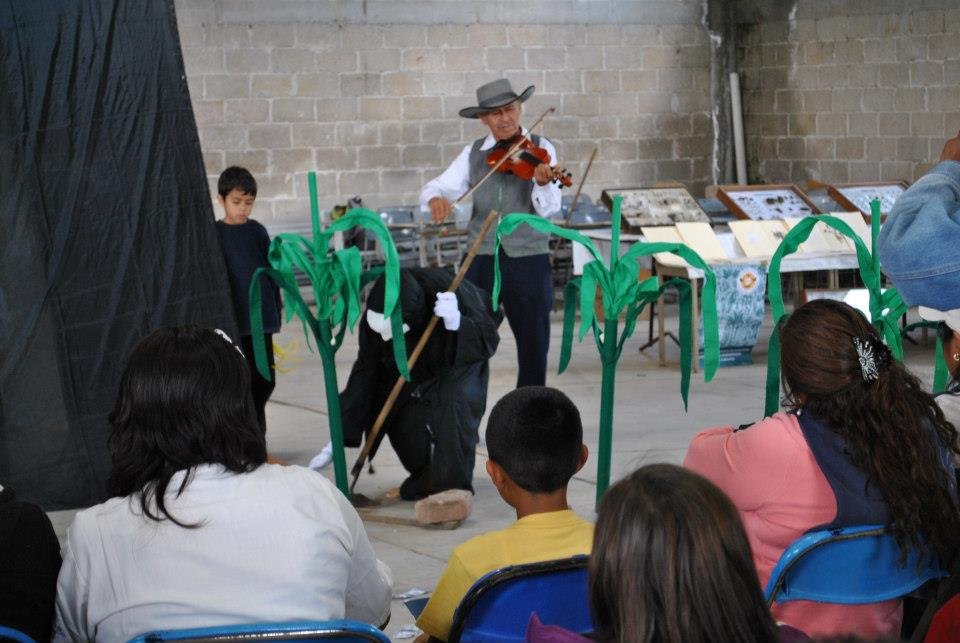
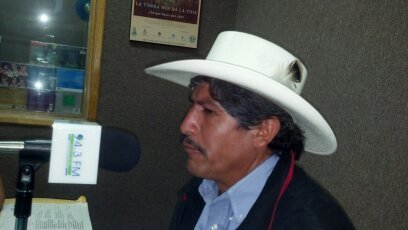
But these farmers need our help. Once we understand how critical the problem of pollinator disappearance is, we realize how vitally important the work of the farmers is as they work to save pollinators. Food First's Pollinator work with farmers in Mexico brings back bees (and butterflies, birds, and bats) by reaching people through radio shows, farmers market demonstrations, field demonstrations, workshops and community supported agriculture. Please support this farmer-led campaign to save pollinators.

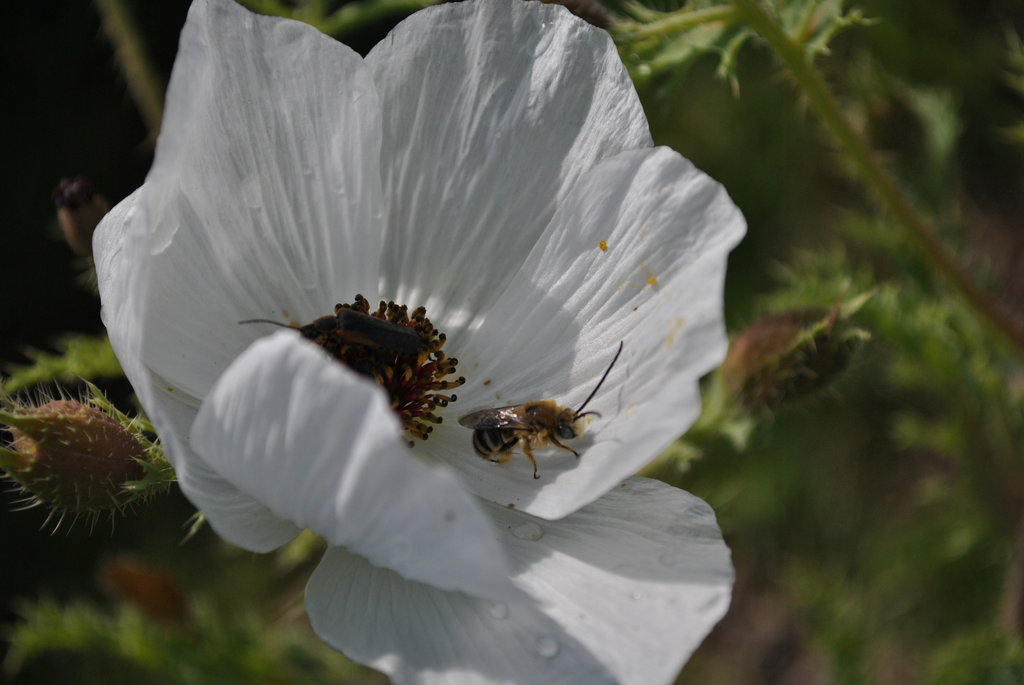
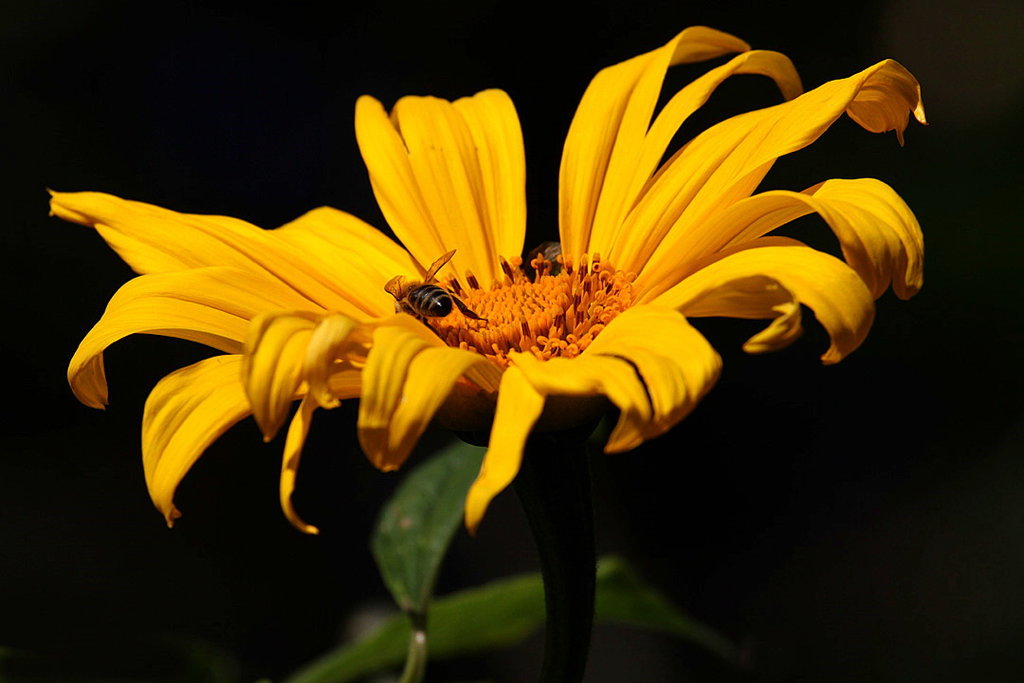
Sunflower
Sunflower
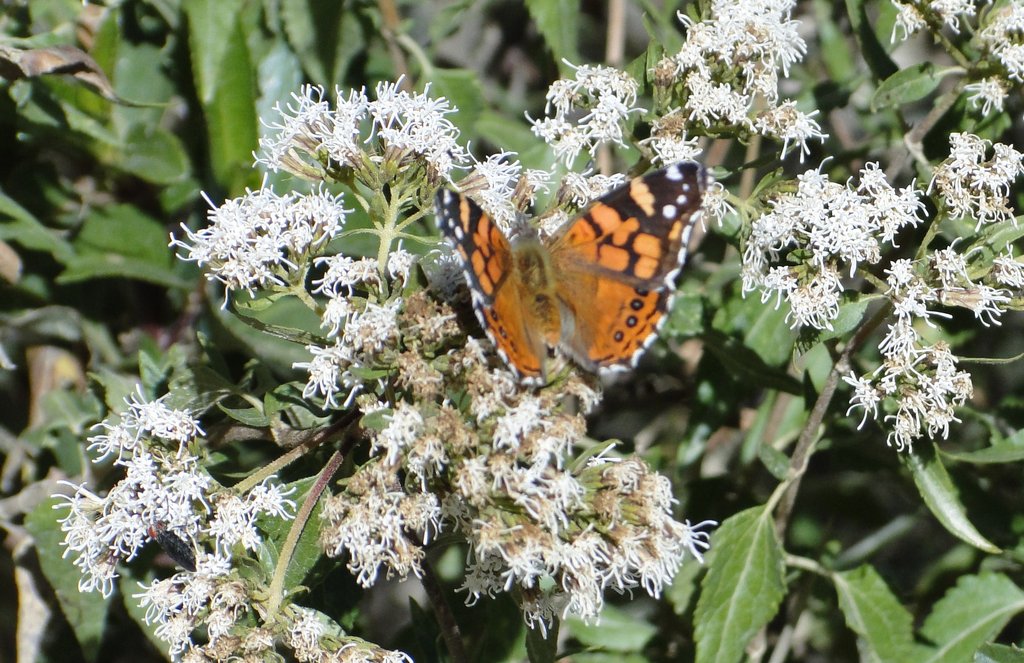
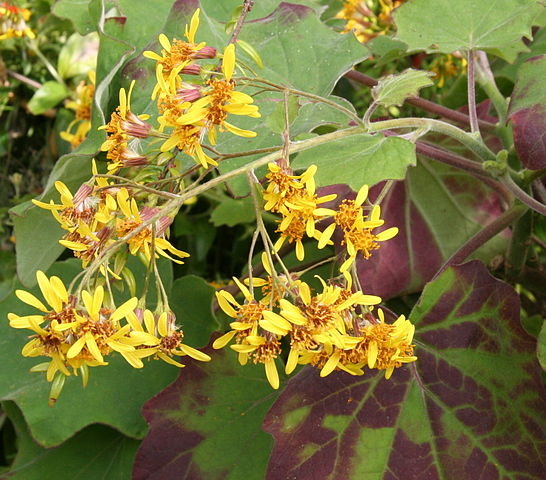
Velvet Groundsel
Velvet Groundsel

Attachments: Share on Twitter Share on Facebook

About Project Reports

Project reports on GlobalGiving are posted directly to globalgiving.org by Project Leaders as they are completed, generally every 3-4 months. To protect the integrity of these documents, GlobalGiving does not alter them; therefore you may find some language or formatting issues.

If you donate to this project or have donated to this project, you can receive an email when this project posts a report. You can also subscribe for reports without donating.

Sign up for updates

Organization Information

Food First/Institute for Food and Development Policy

Location: Oakland, CA - USA
Website:
Facebook: Facebook Page
X / Twitter: Profile
Food First/Institute for Food and Development Policy
Eric Holt-Gimenez
Project Leader:
Eric Holt-Gimenez
Executive Director
Oakland , CA United States

Funded Project!

Combined with other sources of funding, this project raised enough money to fund the outlined activities and is no longer accepting donations.
   

Still want to help?

Find another project in Mexico or in Climate Action that needs your help.
Find a Project

Learn more about GlobalGiving

Teenage Science Students
Vetting +
Due Diligence

Snorkeler
Our
Impact

Woman Holding a Gift Card
Give
Gift Cards

Young Girl with a Bicycle
GlobalGiving
Guarantee

Get incredible stories, promotions, and matching offers in your inbox

WARNING: Javascript is currently disabled or is not available in your browser. GlobalGiving makes extensive use of Javascript and will not function properly with Javascript disabled. Please enable Javascript and refresh this page.