Project Report
| Oct 28, 2013
The Beauty of Pollination - Wings of Life
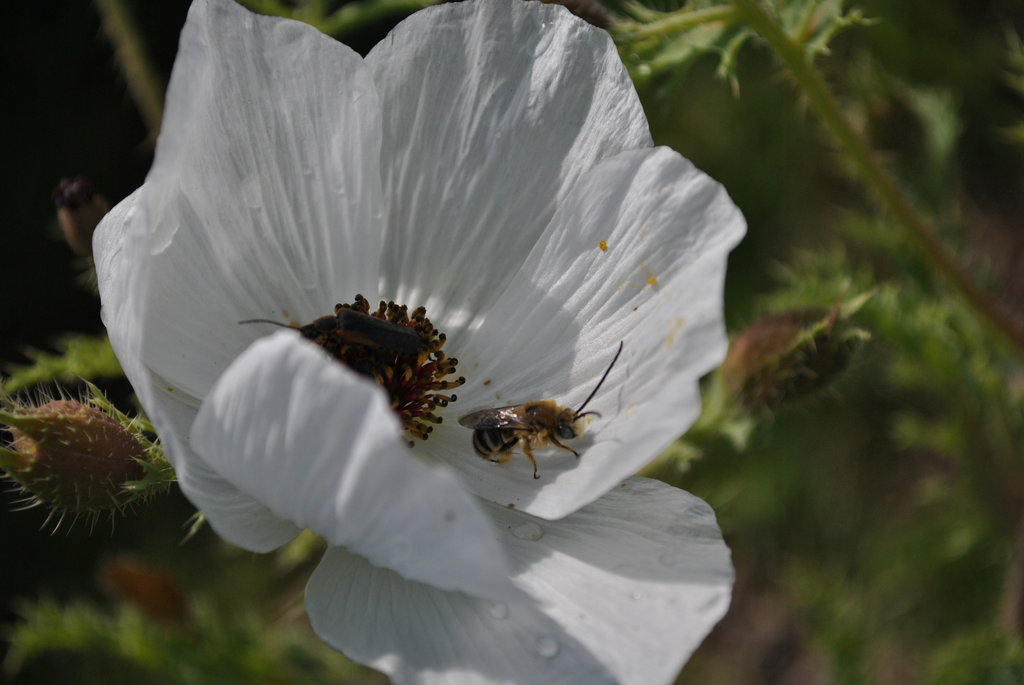
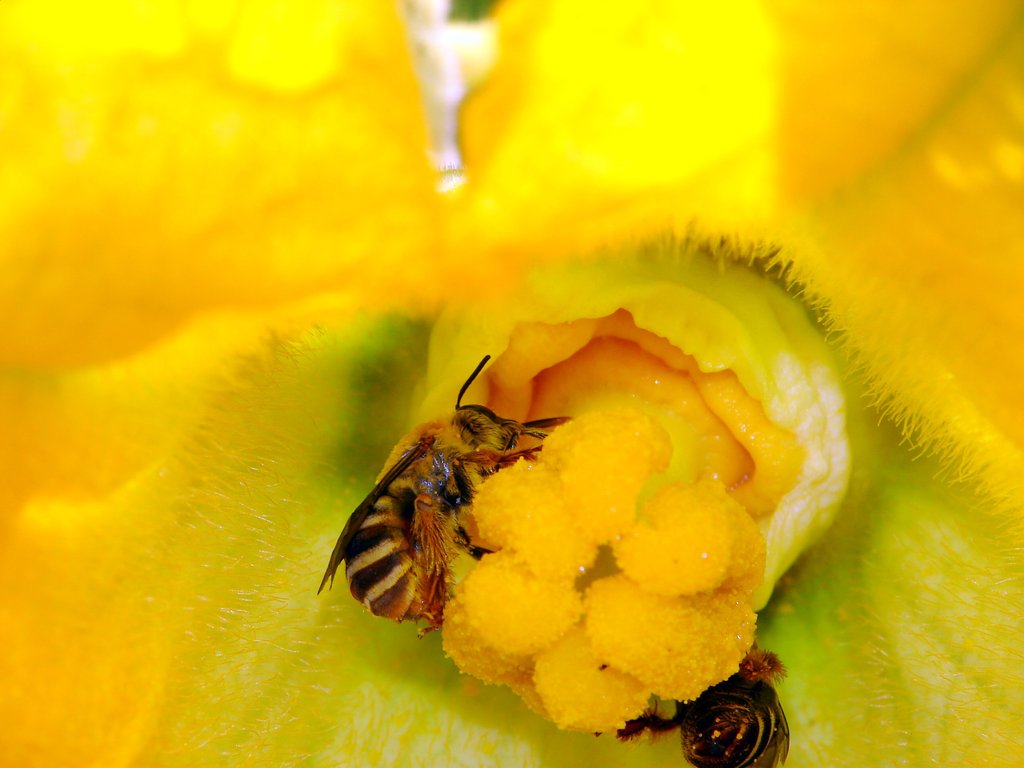
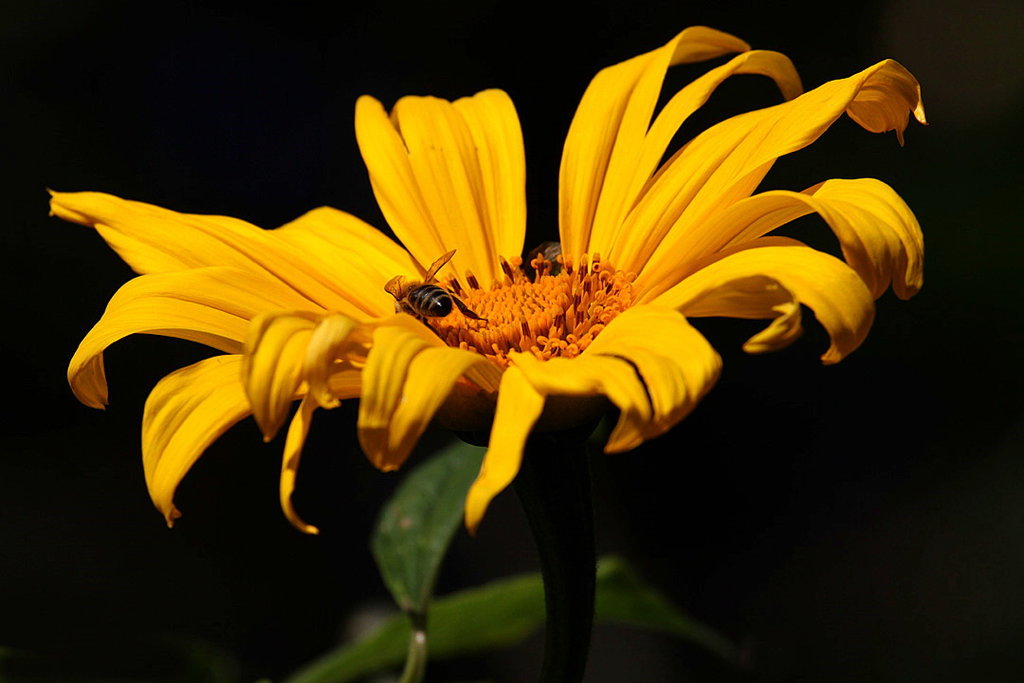
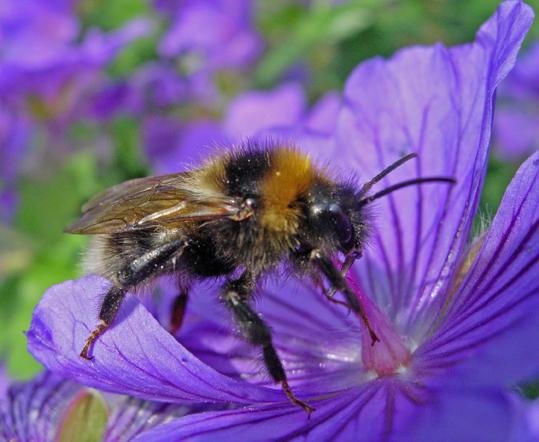
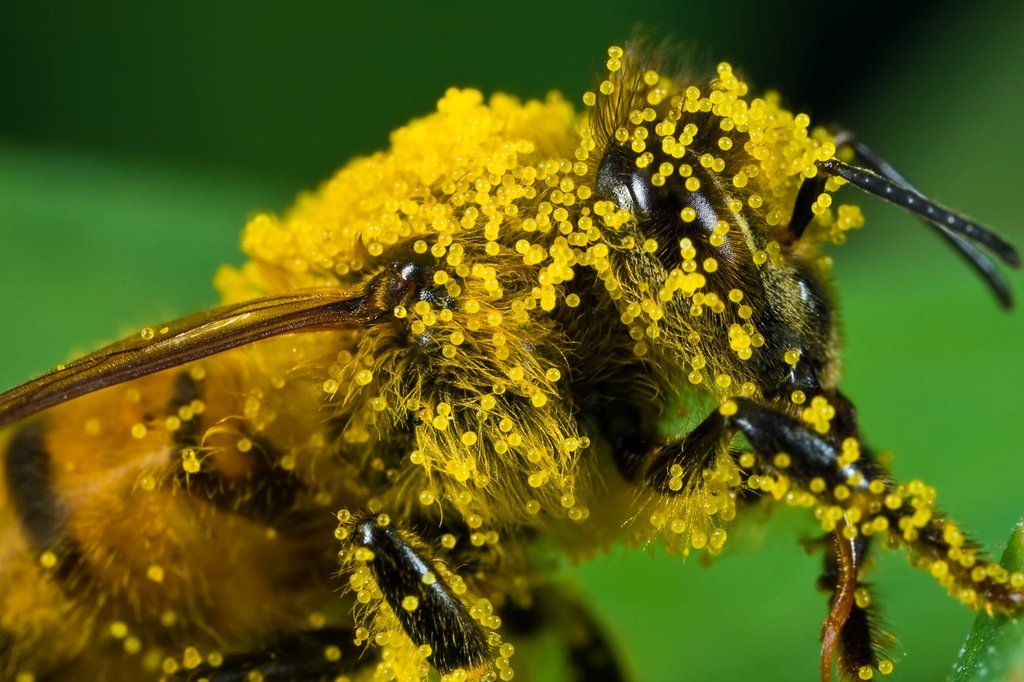
![Bee covered in pollen]()
Bee covered in pollen
Filmmaker, Louie Schwartzberg has spent a lifetime filming time lapsed photos of flowers and the birds, butterflies, bees and bats that ensure the survival of both those flowers and our human species. One third of the food we eat requires animal and insect pollinators traveling from plant to plant in order to produce and reproduce.
'Nature had invented reproduction as mechanism for life to move forward as a life force that passes right through us and makes us a link in the evolution of life.' – Louie Schwartsberg
Are you taking the small things in life for granted? Pollination, for instance?
There is an estimated seven billion people living on the planet right now. We’re living in the best and worst of times. We communicate across thousands of miles on the Internet. We sit on a chair over the deepest seas, five and a half kilometres above the surface of the Earth. We stand in the midst of life’s awe and mystery.
At the very same time, there’s an economic crisis, war and famine, we’re losing eco-systems, and both humans and natural resources are being unnecessarily depleted and exploited. One particular aspect of this exploitation is its impact on the balance and imbalance of food - of which pollination is critical. Pollination leads to the creation of new seeds that grow into new plants. It is a vital source of food production in addition to human livelihoods.
It all begins with a flower. Flowering plants have male parts called stamens that produce a sticky powder called pollen. They also have a female part called the pistil. The top of the pistil is called the stigma, it is also often sticky. Seeds are made at the base of the pistil, in the ovule.
To be pollinated, pollen must be moved from the male parts to the female parts, otherwise from the stamen to the stigma. When pollen from a plant pollinates itself, it is called self-pollination. When pollen is transferred to a different plant, it is called cross-pollination. Cross-pollination produces stronger plants. It is important to note that the plants must be of the same species. For example, only pollen from an apple tree can pollinate another apple tree. Pollen from a daisy or a rose would not work.
It is only the pollinated plants that can produce fruit or seeds. Without pollination, the plants cannot reproduce. No pollination equals no fertilisation which alas, results in: no food (at least not real food).
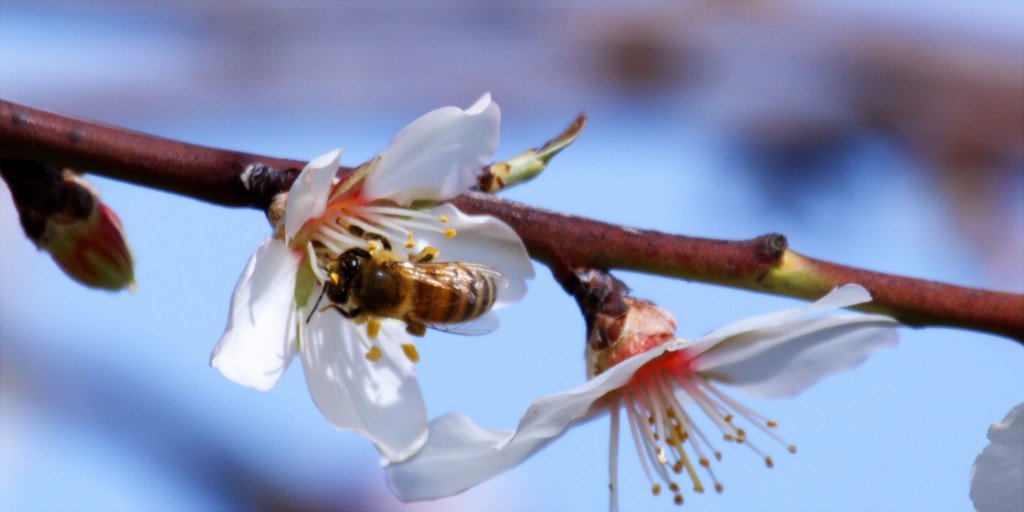
Plants can be pollinated by humans, but plants aren’t relying on humans for this. The bigger job comes accidentally from creatures who are looking for food from the plant. As they creep inside the plant for a taste of its nectar, the pollen lands on their bodies and when they visit another plant for more food, the pollen rubs off and that plant becomes pollinated.
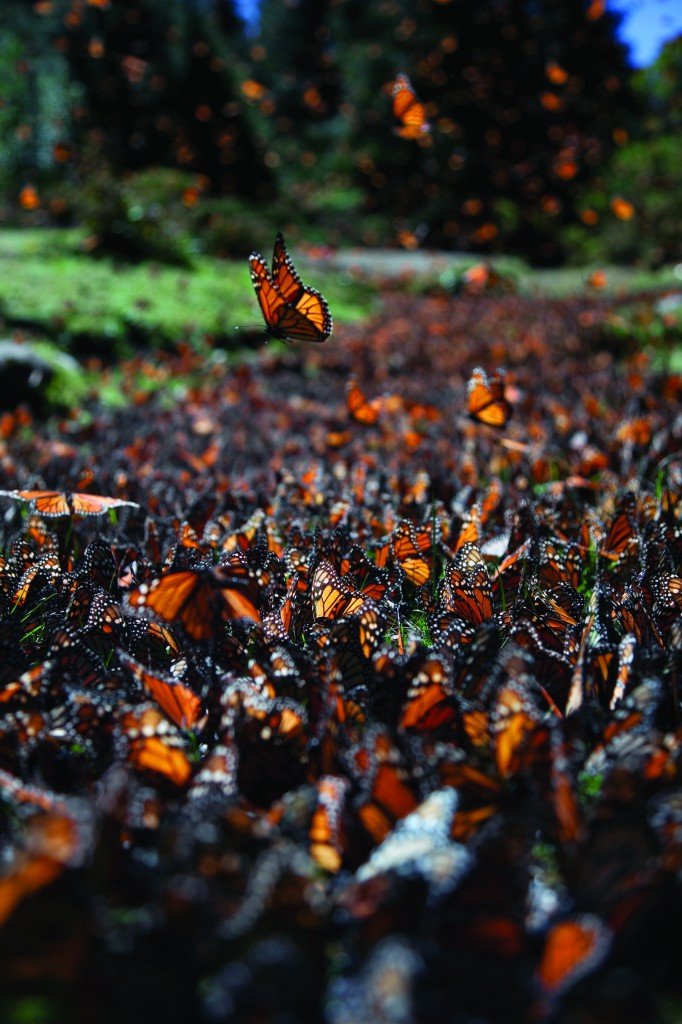
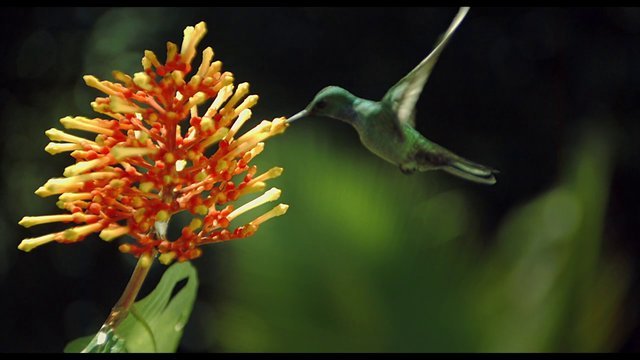
Pollinators include - bees, butterflies, moths, flies, hummingbirds, most insects and vertebrates, humans, water and wind. Most experts say insects play the biggest role.
According to a source, more than 200,000 animal species serve as pollinators. Pollination is responsible for providing humans with a wide variety of food - mainly fruits, vegetables and flowers. The pollinator can sometimes be predicted by a plant’s colour, fragrance or shape, but just imagine how that one pollinator impacts the thousands upon thousands of ecosystems around it. And to just think, the plants strive to be a source of nourishment for others so that they can continue to exist. It’s all about food.
According to Wikipedia, in 2000 Drs. Roger Morse and Nicholas Calderone of Cornell University, attempted to quantify the effects of just one pollinator, the Western honey bee, on only United States food crops. Their calculations estimated a figure of US $14.6 billion in food crop value.
'At least one-third of the world’s agricultural crops depends upon pollination provided by bees.'
Filmmaker Louie Schwartzberg shares a short piece revealing the intricate world of pollen and pollinators with stunning high-speed images from his film 'Wings of Life,' inspired by the disappearing of one of nature’s important pollinators, the honeybee. This video made me high on life. I hope it will elevate you too.
-- 'Think... of the world that you carry inside you.' - Rainer Maria Rilke
Please share this beautiful story with friends via facebook and twitter. Send them to http://www.globalgiving.org/projects/bring-back-bees-and-birds-to-mexicos-degraded-lands/
You can watch a clip from this documentary, Wings of Life on YouTube. And don't forget to come back here to Global Giving and chip in the help Mexican farmers build and preserve pollinator sanctuaries on their farms.
You can also watch Schwartzberg's 2011 TED talk at http://www.ted.com/talks/louie_schwartzberg_the_hidden_beauty_of_pollination.html
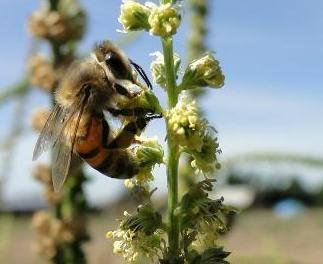
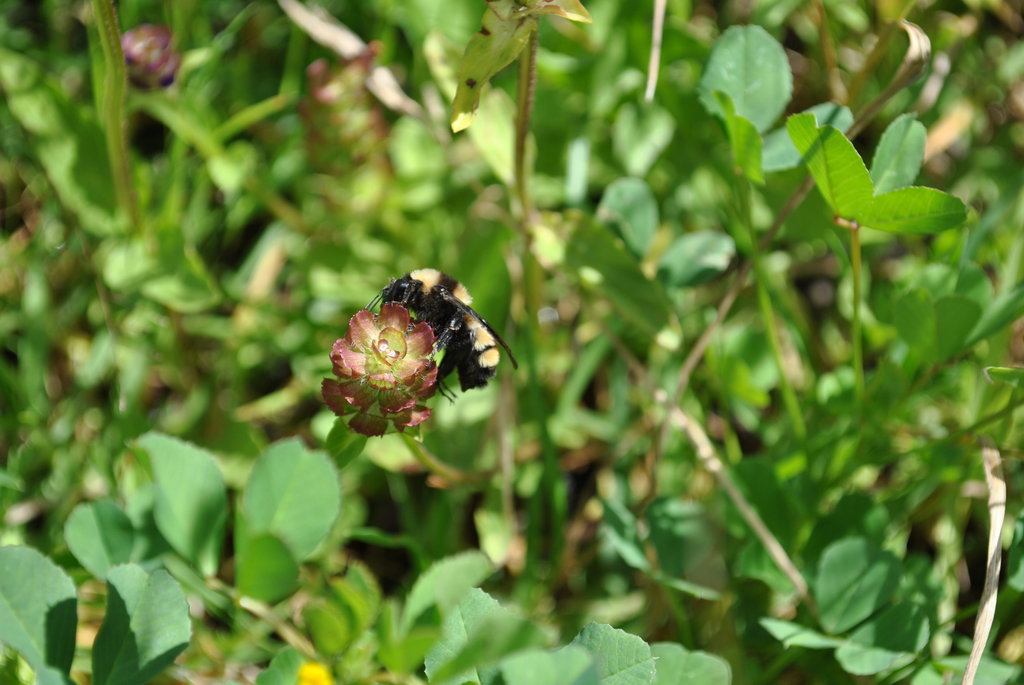
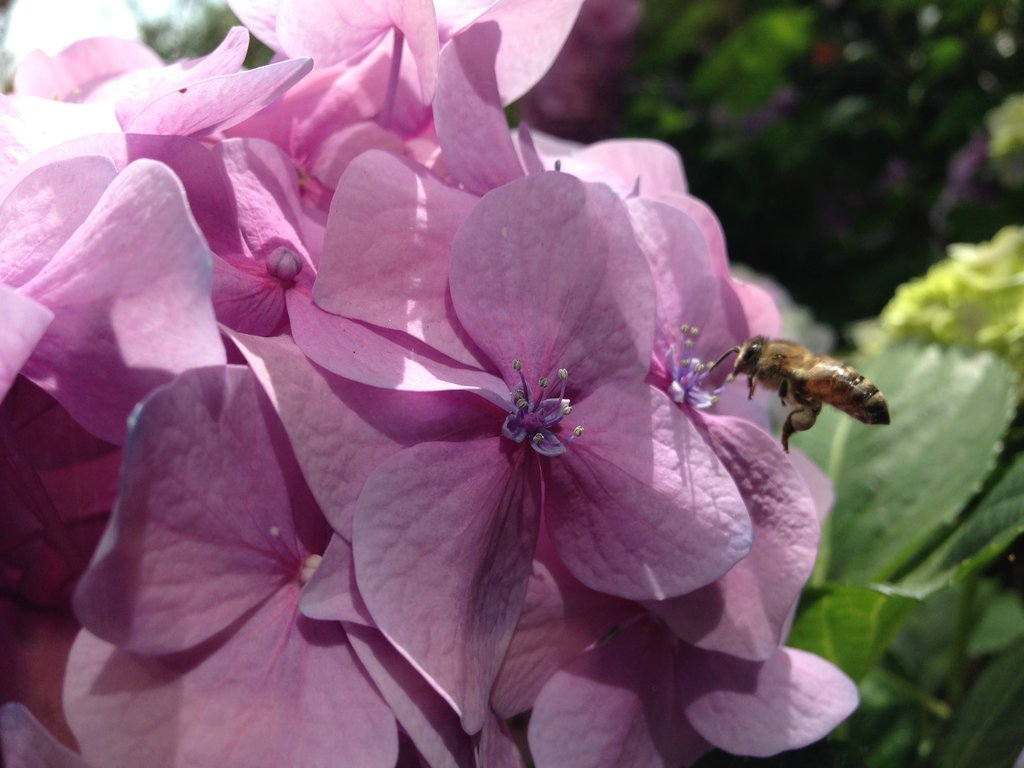
![Bee on fruit tree flower]()
Bee on fruit tree flower
![Monarchs in Michoacan, Mexico]()
Monarchs in Michoacan, Mexico
![Hummingbird pollination]()
Hummingbird pollination
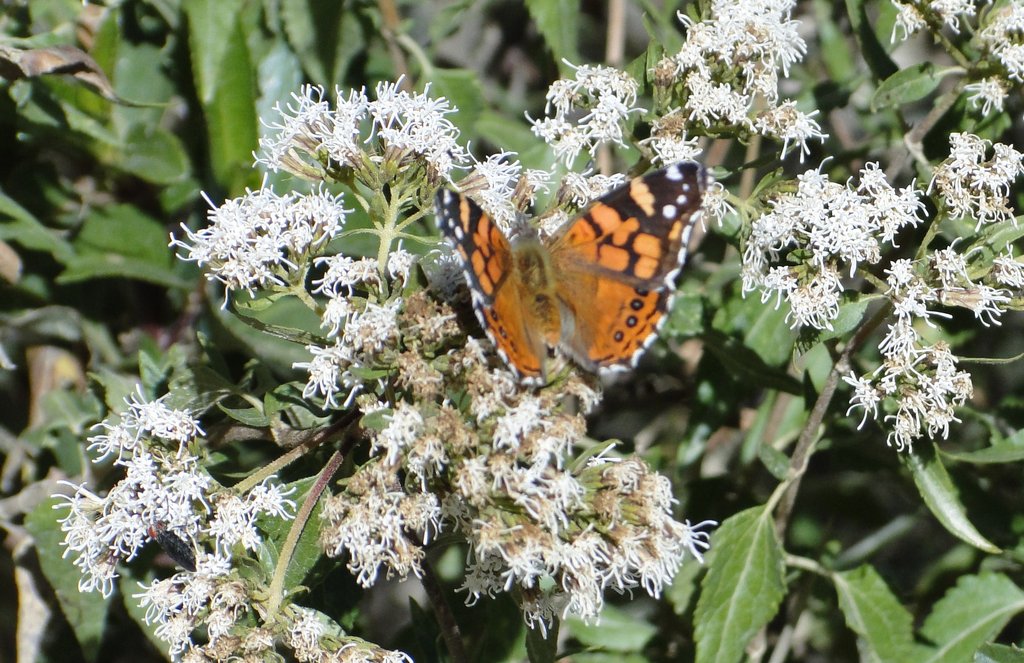
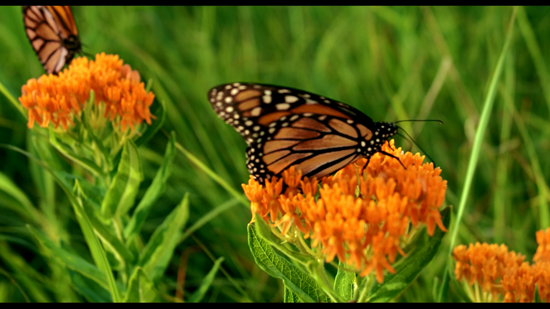
![Butterfly pollination]()
Butterfly pollination
![Share on Twitter]()
![Share on Facebook]()