By Janet Cook | Project Leader
KEEPING THE PROMISE TO THE KAFUBU VALLEY
Keeping promises made to constituents is a challenge faced by politicians, by artists to patrons, and by companies to consumers. But it is not a challenge confronting the organizers of Break the Near-starvation Cycle for Congolese Farmers. Members of the Congolese NGO CTD, which oversees the work to break the near-starvation cycle among farmers in the Kafubu Valley of the Democratic Republic of Congo, have not only kept their original promise to improve the lives of the poorest of the poor; they have taught the people how to lift themselves far beyond their modest dreams.
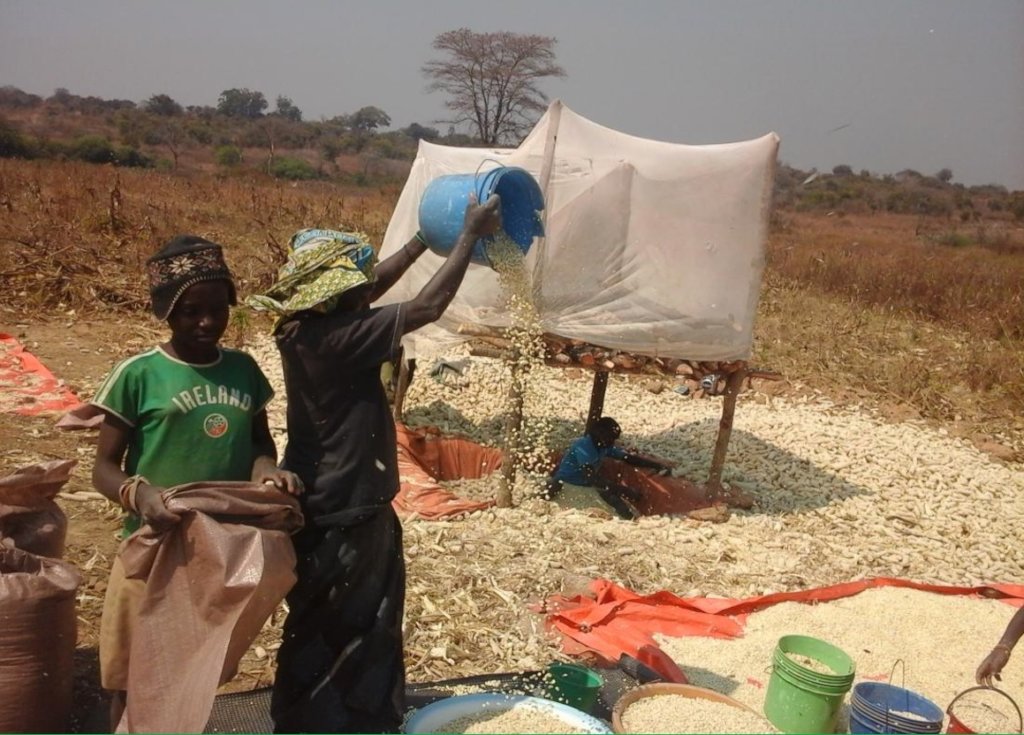
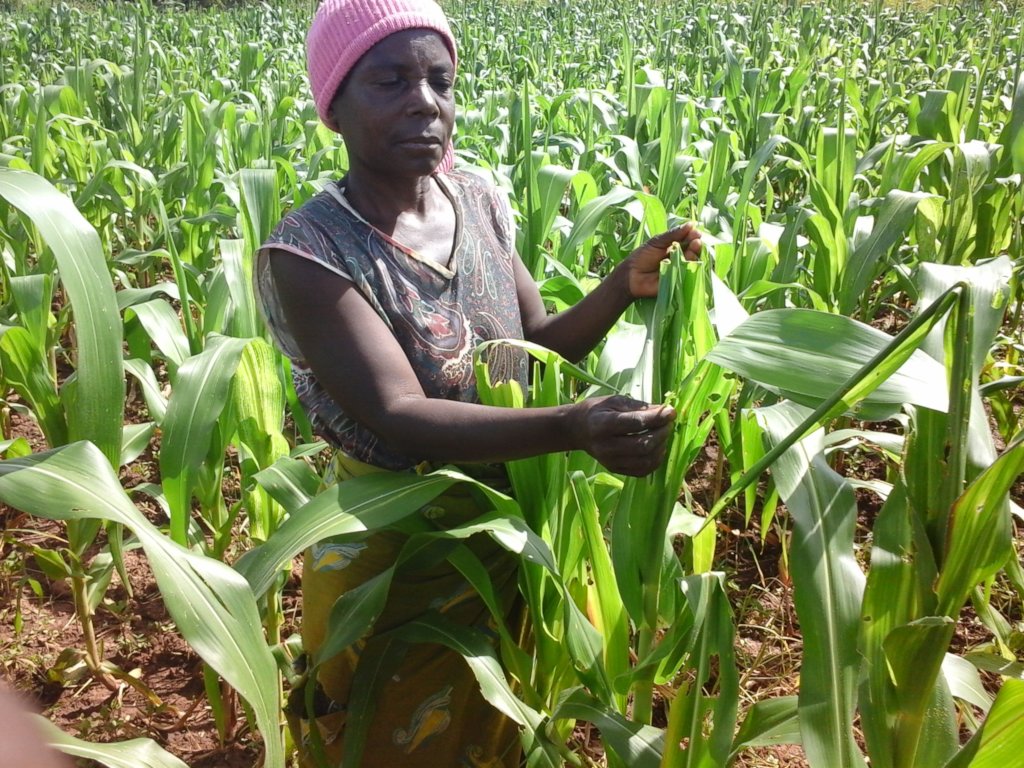
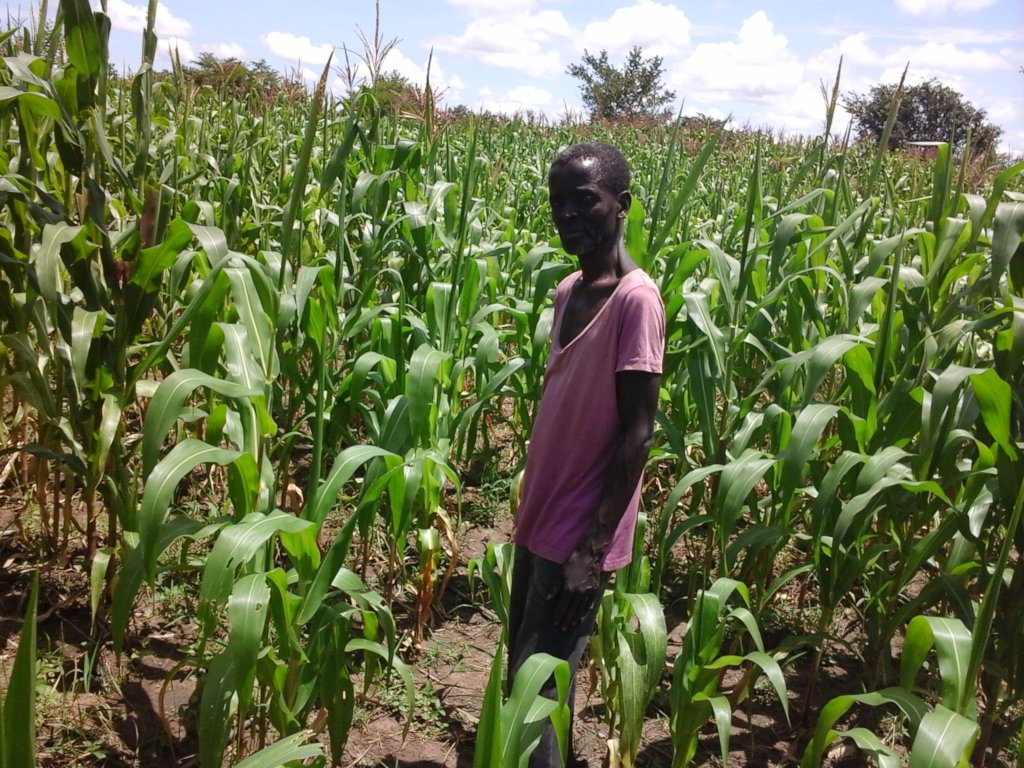
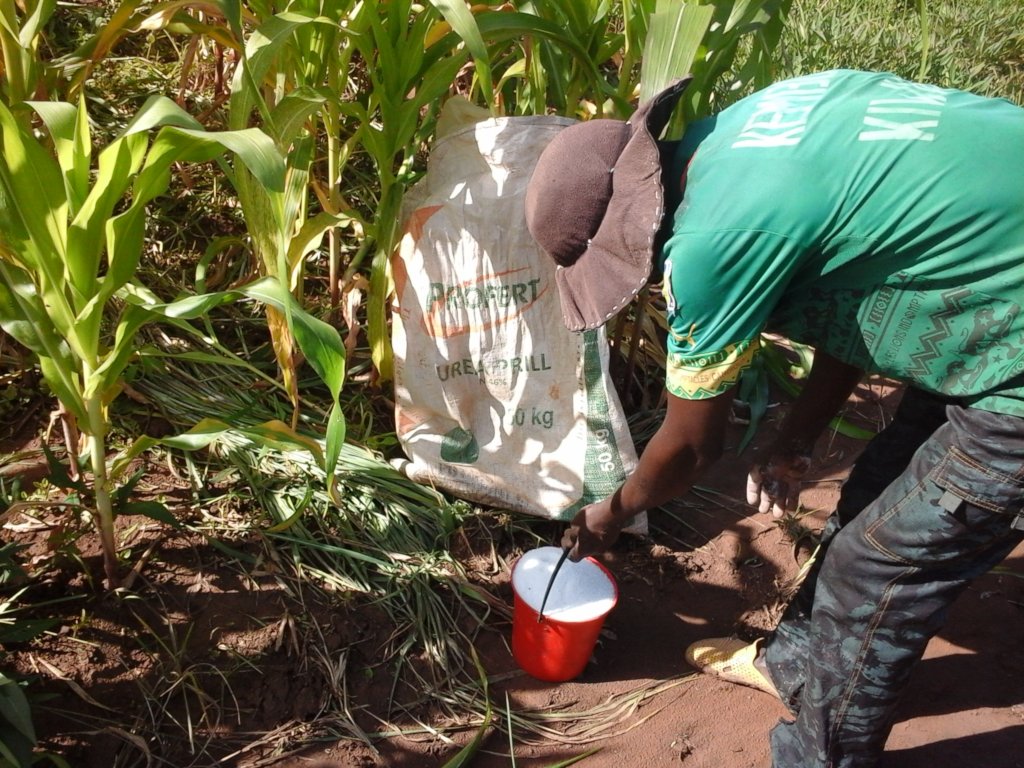
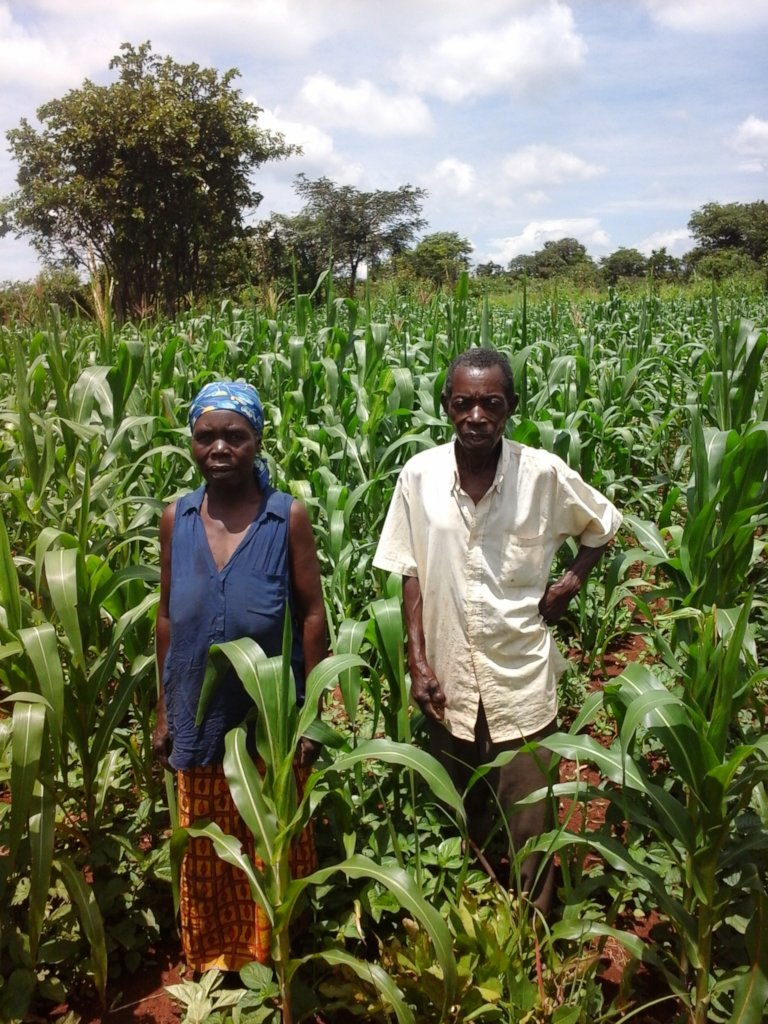
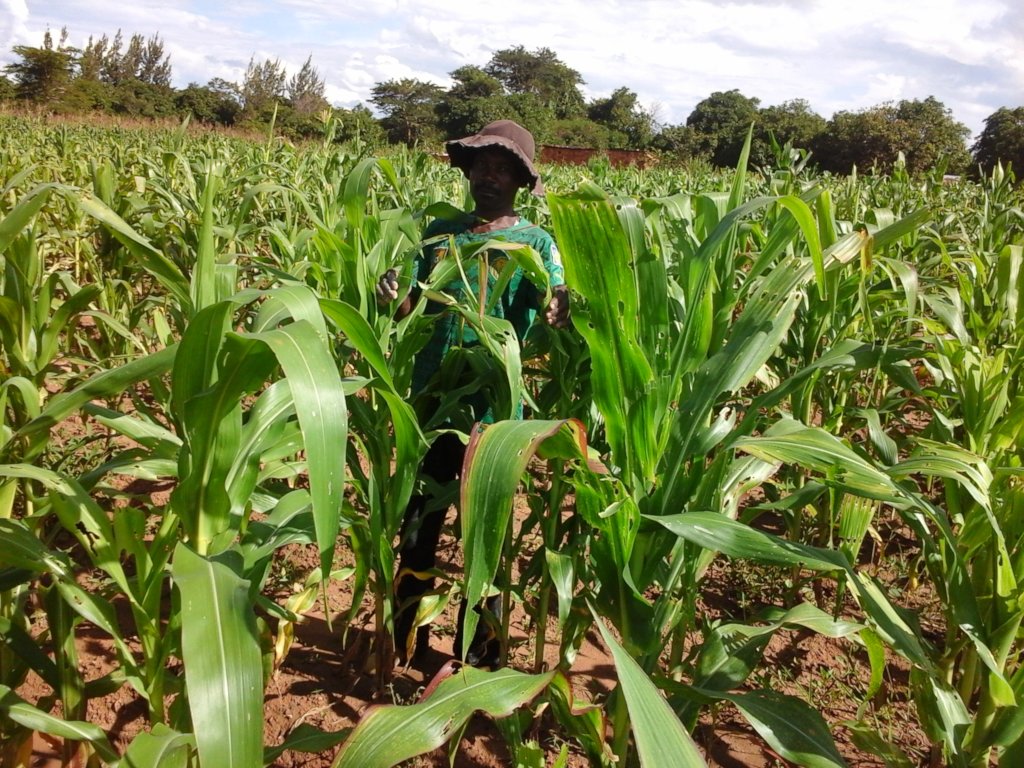
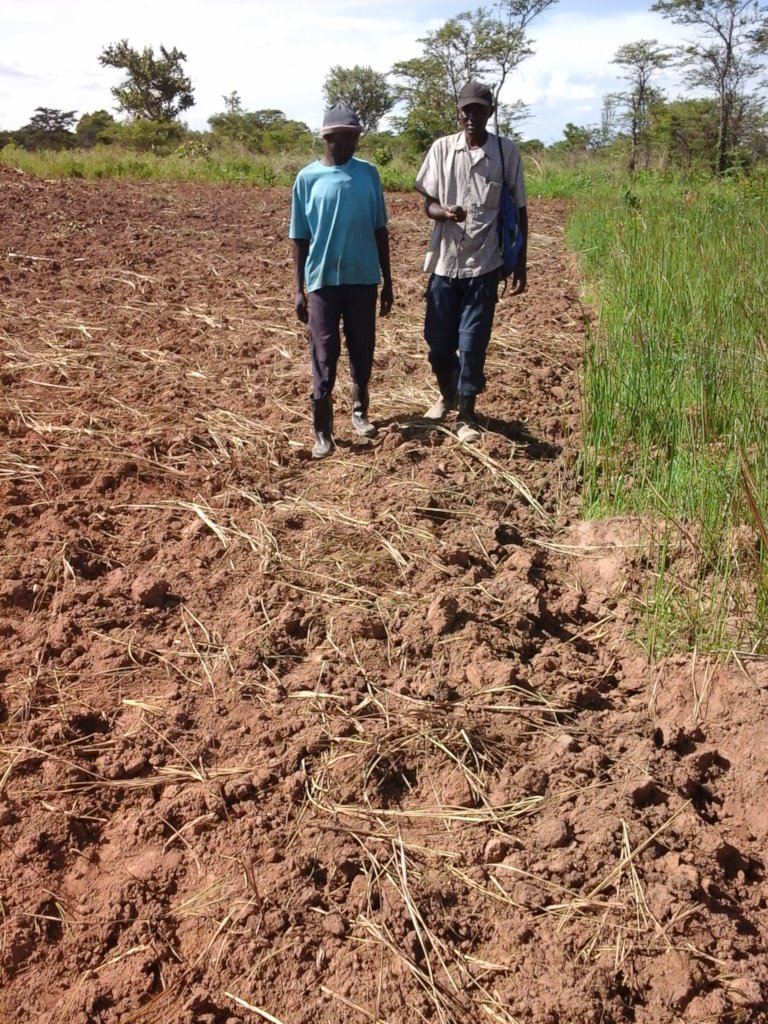
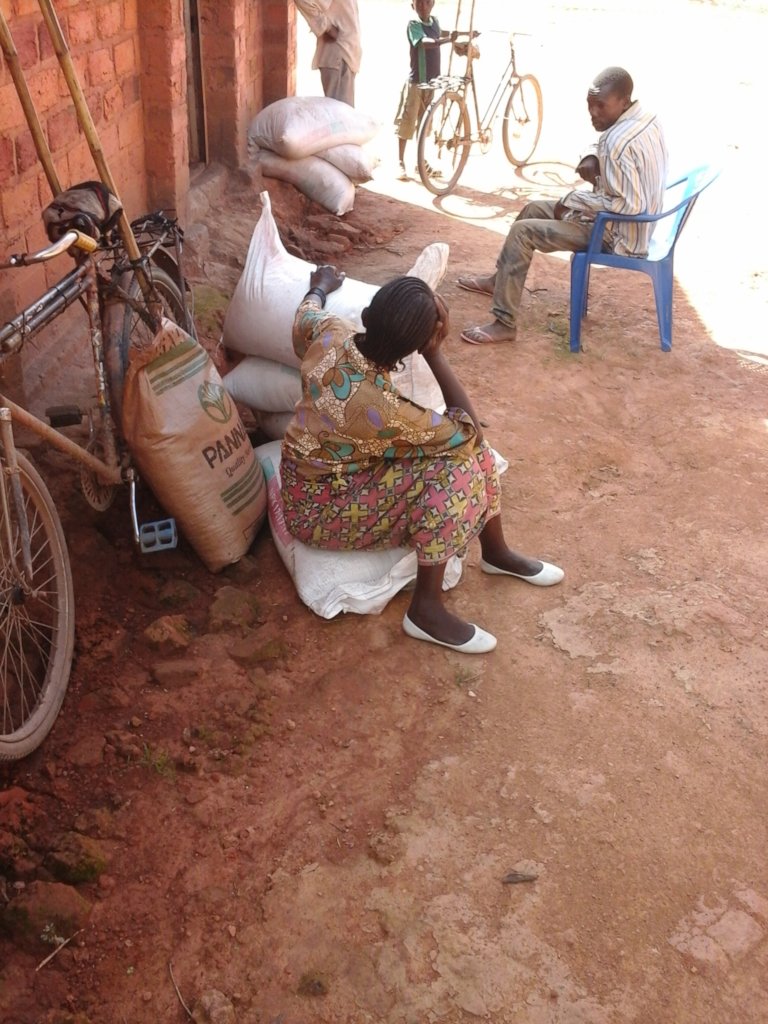
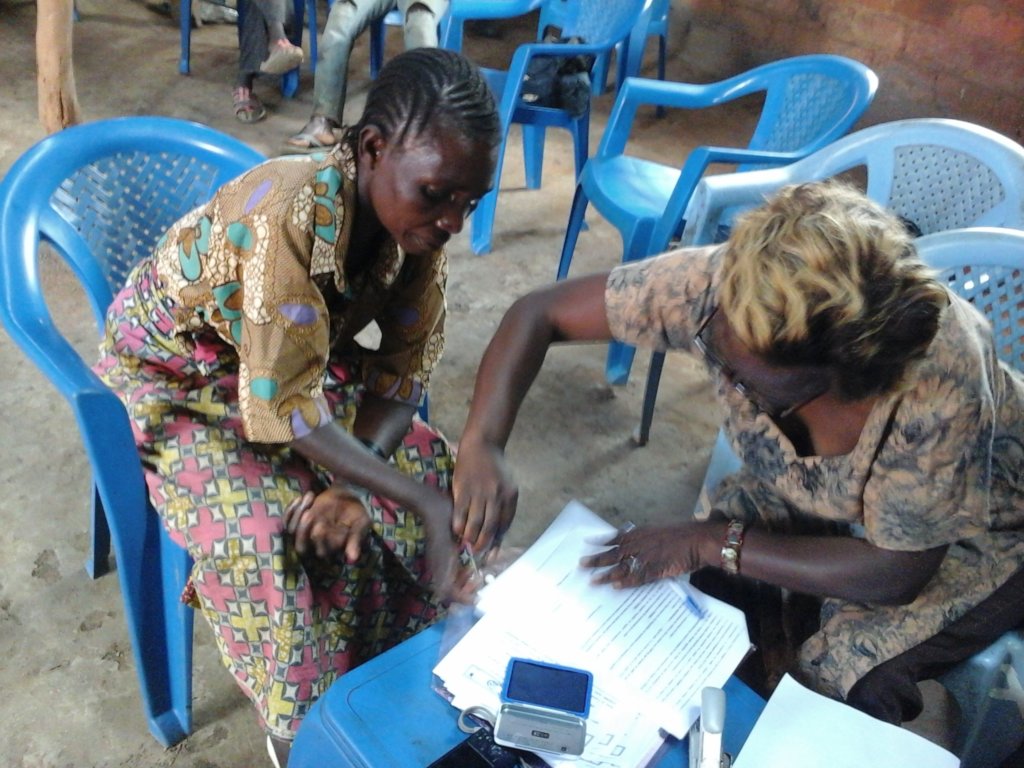
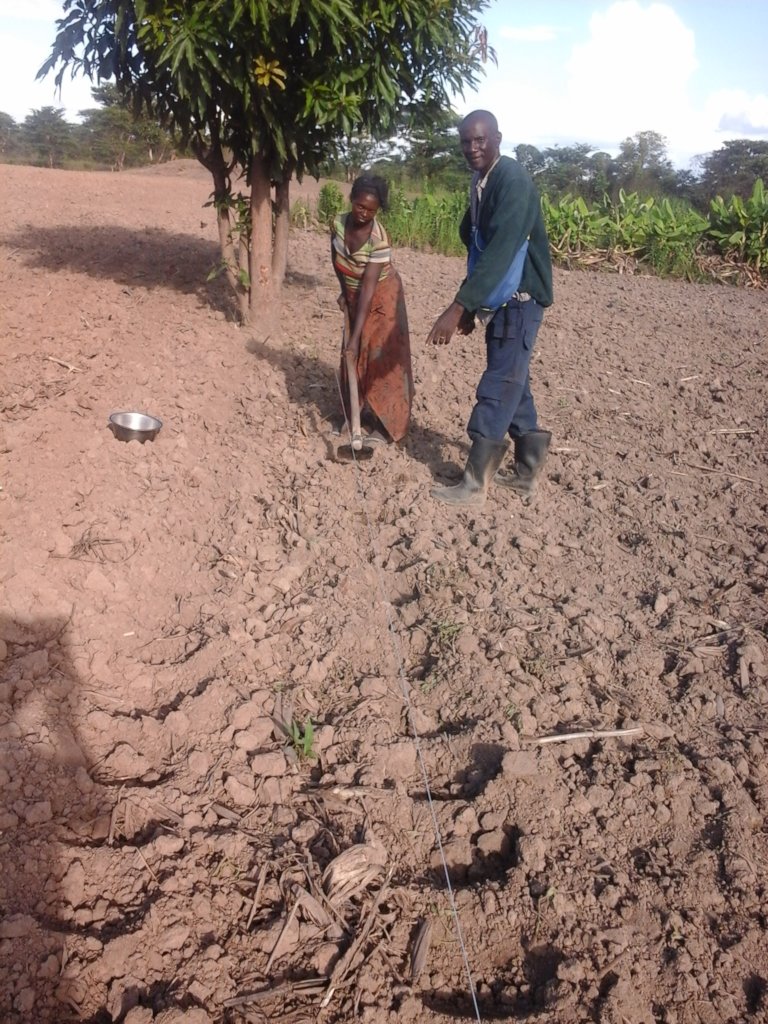
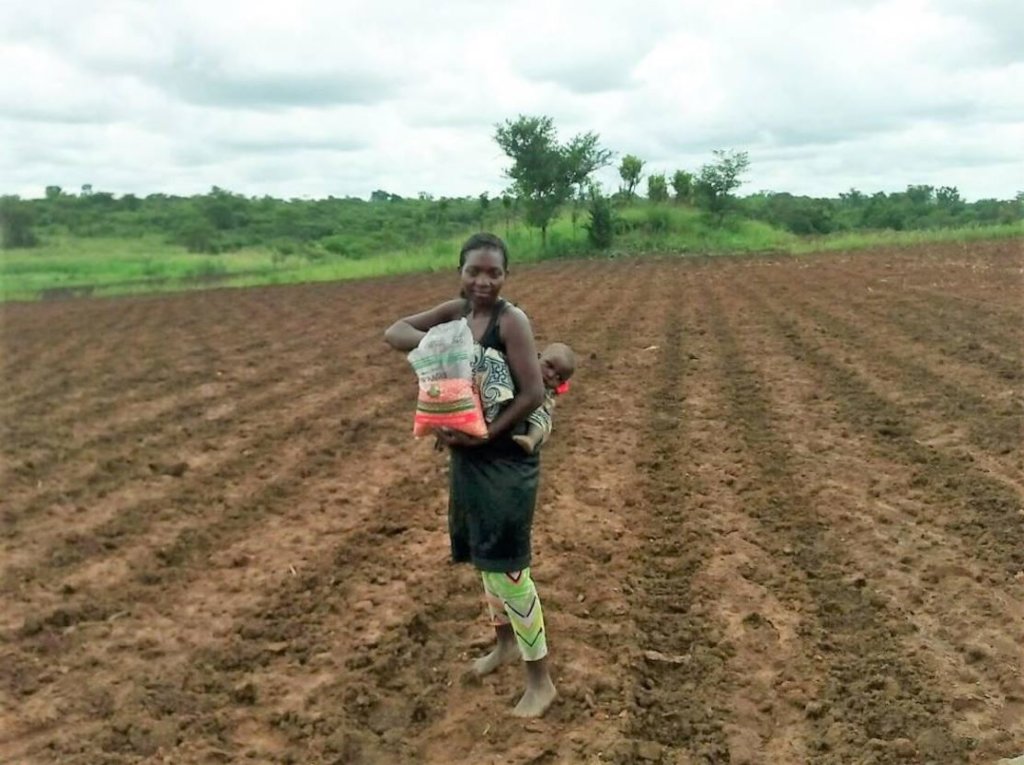
Four years ago, agronomists taught farm families how to lay out and prepare their fields for optimal production. Families were supplied with excellent corn seed, certified for the highlands south of the equator. Fertilizer was distributed. Skills, common to experienced farmers in developed countries, were taught to the families. The results were astounding! A 400% increase in corn production was achieved. Starvation no longer threatened the five villages in the Kafubu Valley. Families learned how to package and sell surplus corn. Extra money was used to repair roofs, build better homes of homemade clay bricks, repay loans, and pay tuition enabling children to attend school.
However, a longer than usual dry season the second year prevented the corn seedlings from growing strong before the heavy rains descended. Exceptionally powerful rains washed many of the small plants away. Would this lead to another cycle of near-starvation? No! The volunteer agronomists helped the families plant cabbage, beans, and other marketable vegetables. Again, the volunteers showed the families how to grow and sell the extra produce and keep the remaining corn plants growing until harvest. They learned many more farming skills that year and survived the terrible weather.
These new horticulture skills will change the lives of these people for generations to come. No longer will they be victims of bad weather, insect invasions, poor seed, and a limited diet. They are becoming self-reliant, teaching each other agriculture skills, and providing for their families with dignity and hope.
Your donations pay for the seed, fertilizer, equipment (shovels, bags for produce, etc.), transportation to market, and gasoline for the volunteer agronomist’s motor bikes. An extra beautiful blessing---hoped for in the original plan, but not guaranteed---a very high percentage of the farmers are paying back for the seed and fertilizer and equipment! This, added to your donations, enable the volunteers to expand the program. We are preparing for the fourth planting season. Whatever the weather brings, these families have the skills to not only survive, but THRIVE! A promise is kept.
Project reports on GlobalGiving are posted directly to globalgiving.org by Project Leaders as they are completed, generally every 3-4 months. To protect the integrity of these documents, GlobalGiving does not alter them; therefore you may find some language or formatting issues.
If you donate to this project or have donated to this project, you can receive an email when this project posts a report. You can also subscribe for reports without donating.