By Cressida Evans | Volunteer Consultant
Dear Friends and Supporters,
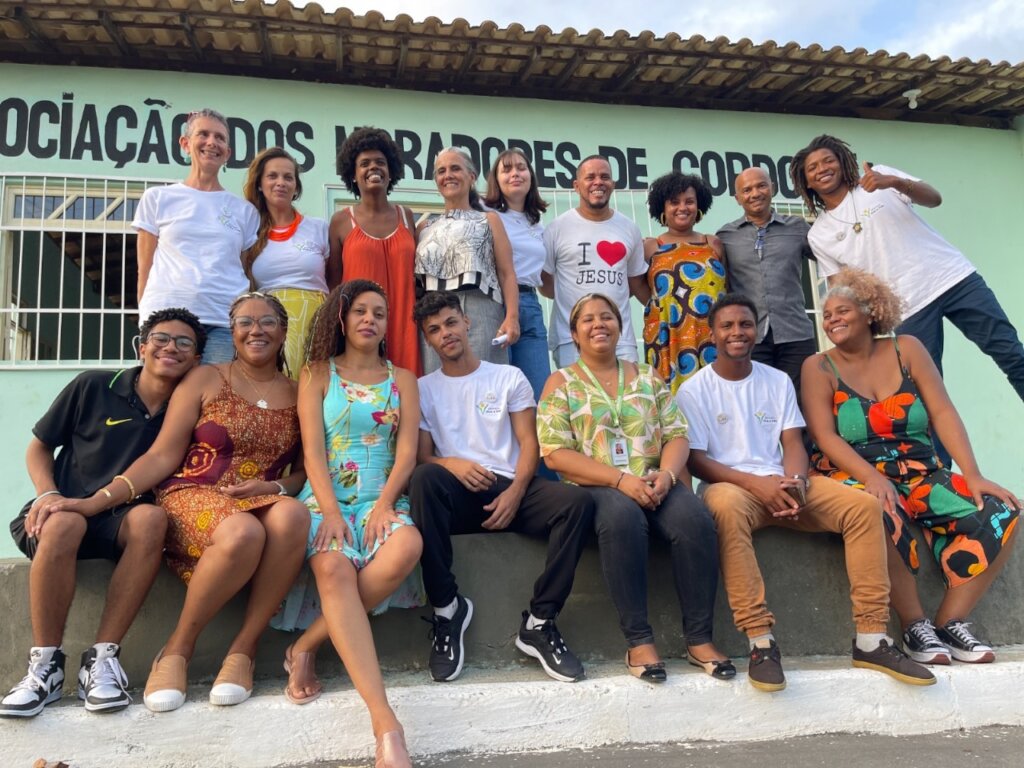
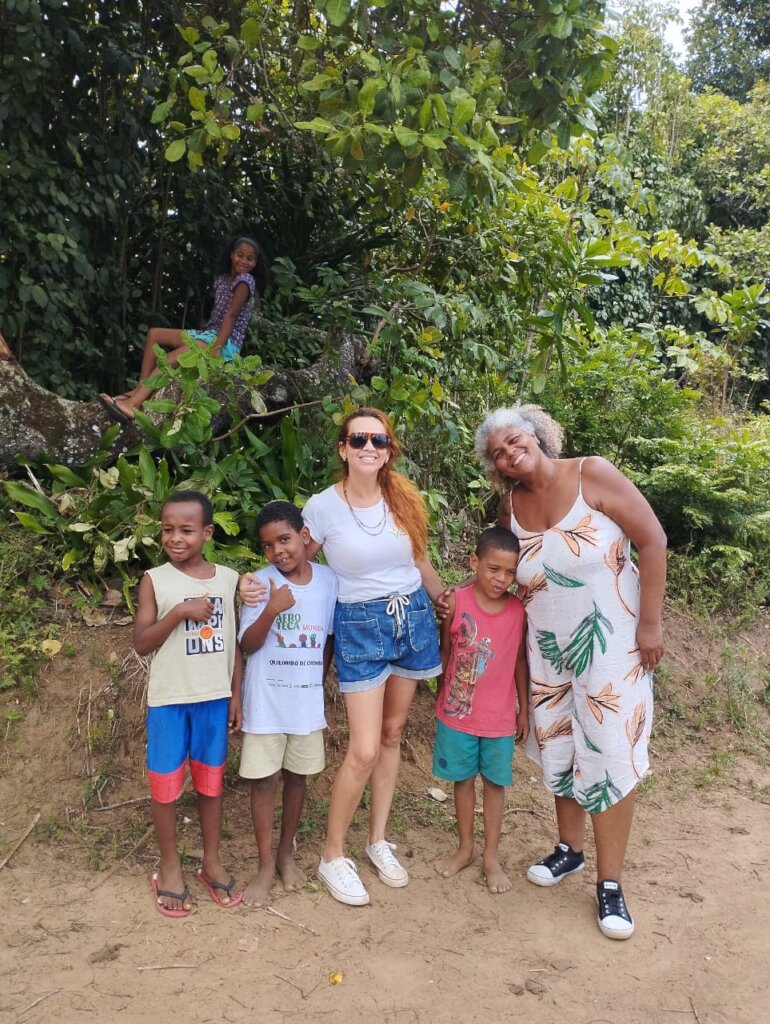
Things have been moving forward at Viva and Vida, with more activities to strengthen the Afroteca Muvuca. Since our last report, we have continued to expand our educational, cultural and community initiatives in the Cordoaria Quilombo, strengthening our ties with children, families, schools and institutional partners. Beyond our workshops and cultural activities, we continue reaffirming our commitment to anti-racist education, valuing the quilombo community, and building a sense of belonging, self-esteem and identity for the children and teenagers.
None of this would be possible without the support of each and every one of you, who believe in the transformative power of reading, culture and community education, so THANK YOU!
I – AFROTECA MUVUCA
Regular workshops and expansion of activities
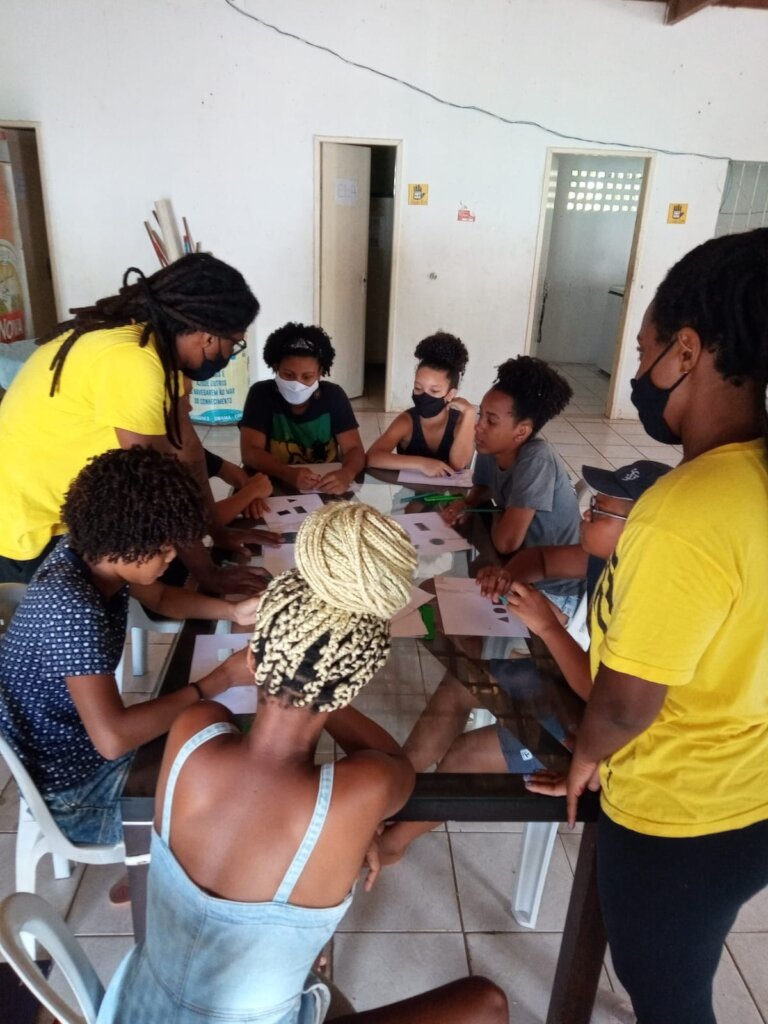
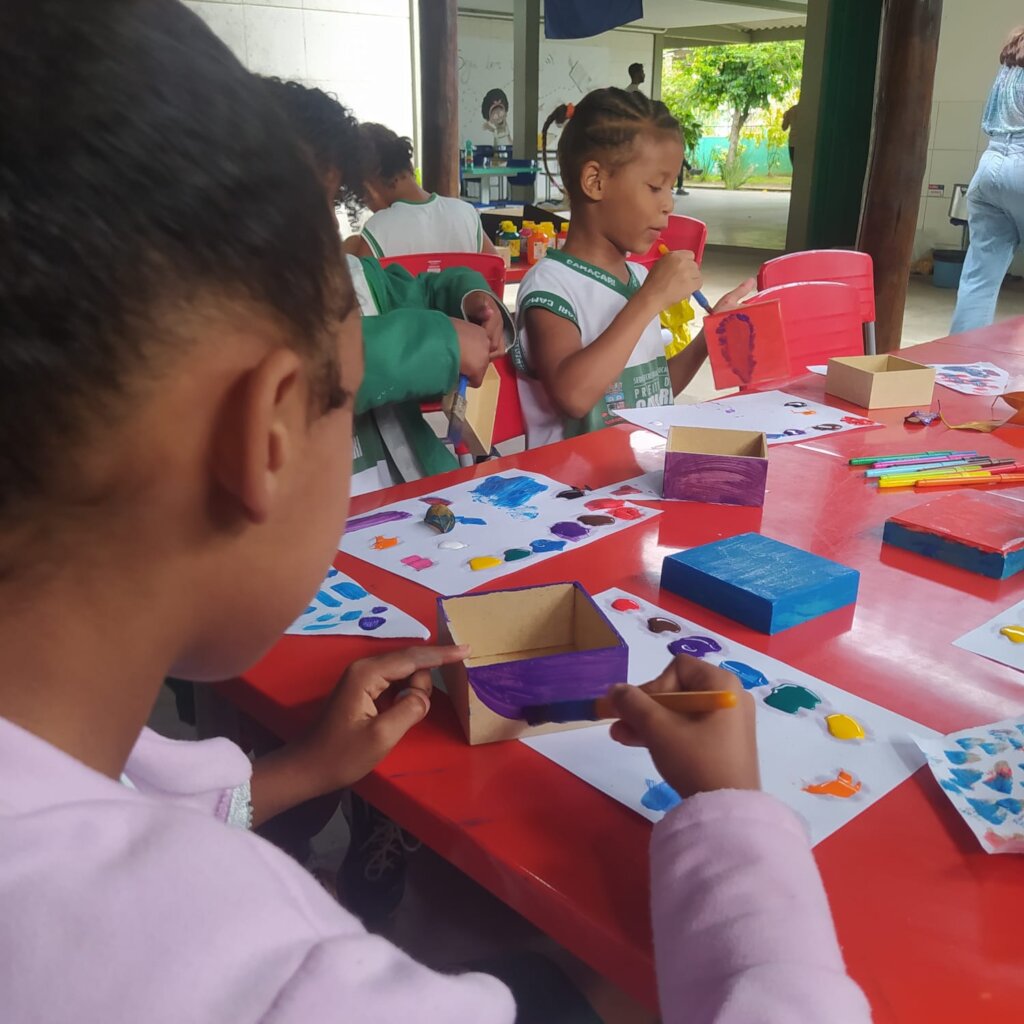
The Afroteca Muvuca workshops continue to take place weekly, from Tuesday to Thursday, in morning and afternoon sessions, working with all the year groups at the Cordoaria Quilombola School Center. This semester, we have expanded our educational initiatives, working directly with grades 2 through 5 and with elementary school students. This represents an important step in our educational work, allowing us to support children from early childhood through the early years of basic education. All these activities are based on anti-racist methodologies, an appreciation of Quilombola culture, and encouraging reading, creativity, and the collective construction of knowledge.
Territory, Belonging, and Identity
Since February the workshops have focused primarily on the territory in which the children live and how it contributes to the development of their identity and sense of belonging.
We have explored themes, such as:
• the natural environment surrounding the community;
• family and ancestral stories;
• an appreciation of traditional knowledge;
• the collective memory of the quilombo;
• the pride of living in and belonging to the quilombo territory.
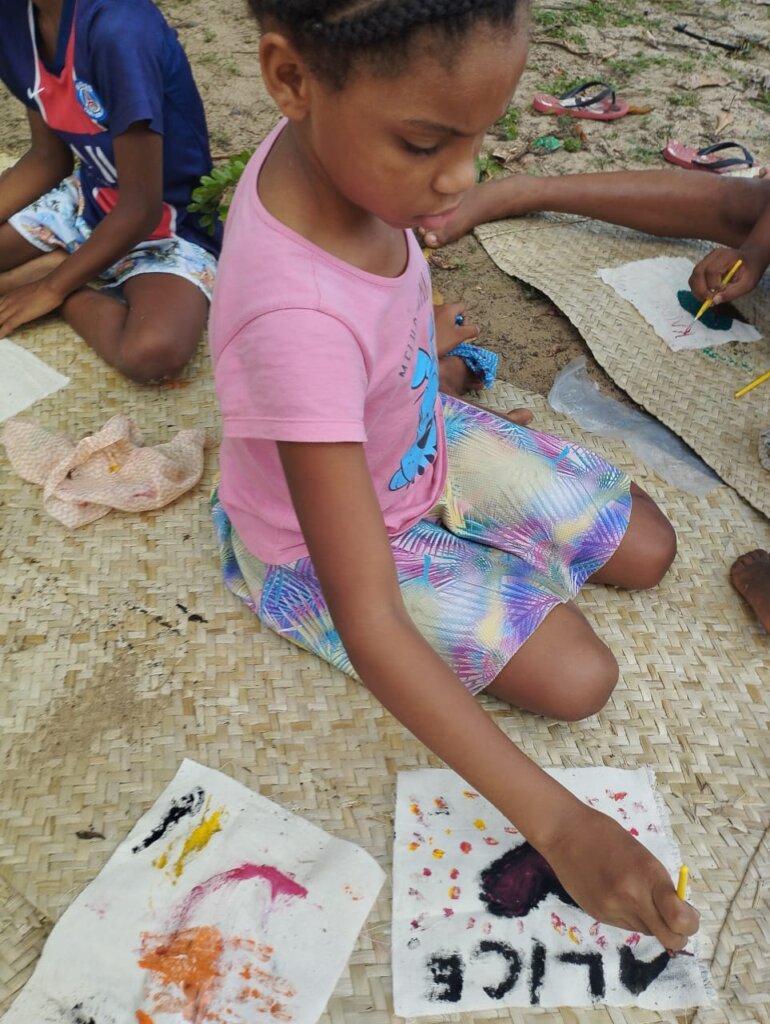
Through conversations, artistic activities, reading, drawings, games, and group projects, the children have been able to reflect on who they are, who came before them, and the importance of preserving their history and culture. We have realized that by strengthening the children’s connection to their local community and roots, we are also strengthening their self-esteem, emotional security, and appreciation of their Black and Quilombola identity.
Reading and Anti-Racist Literature
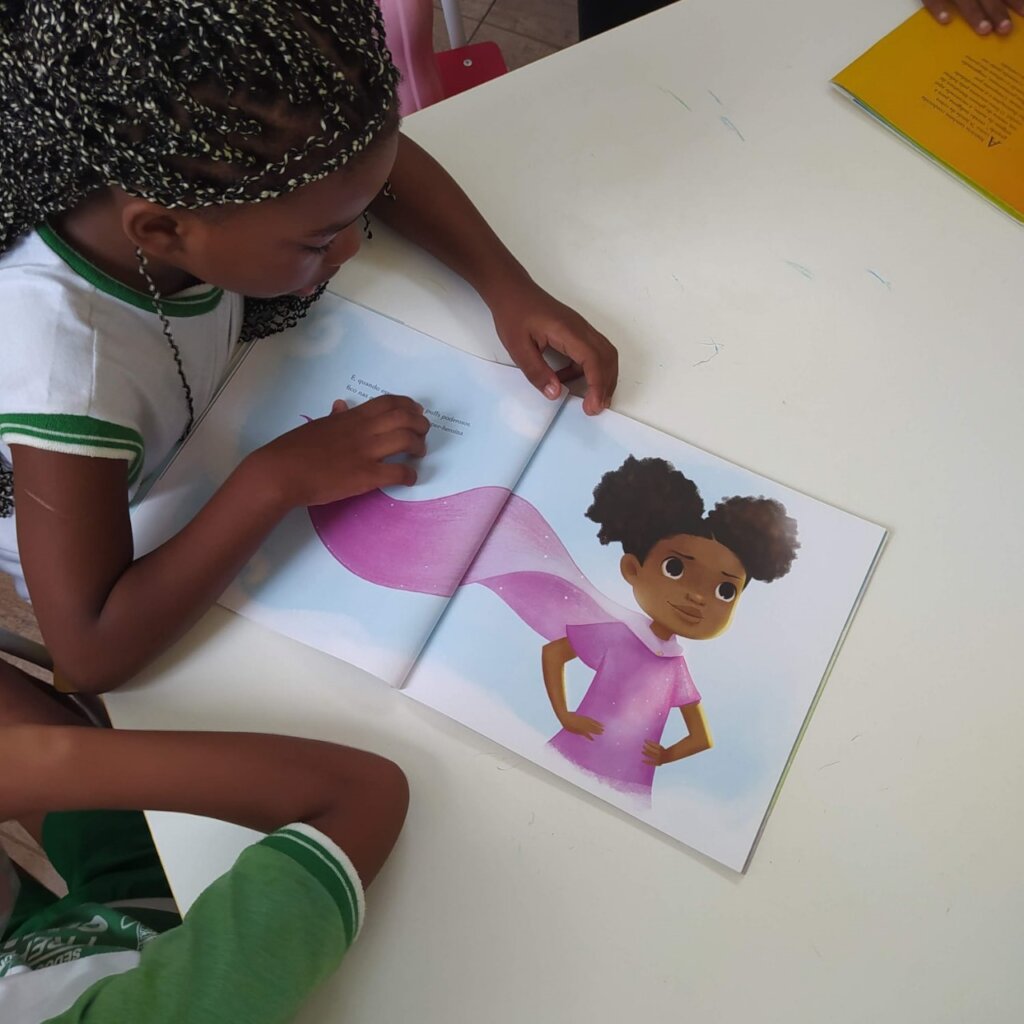
Literature remains one of the primary educational tools at Afroteca Muvuca. Over the past few months, we have been working with books that foster imagination, emotional connection, celebrate Black identity, and provide a sensitive perspective on the world and our community.
Among the books explored in the workshops and reading circles are:
Dudu and Grandma’s Mirror, by Joelma Queiroz;
From My Window, by Otávio Junior;
Earth, by Carol Fernandes and Yuri de Francco;
Morning, by Carla Pinto Bittencourt;
These readings are always accompanied by discussions, artistic projects, and playful activities that help the children connect the stories to their own experiences.
The Mobile Afroteca
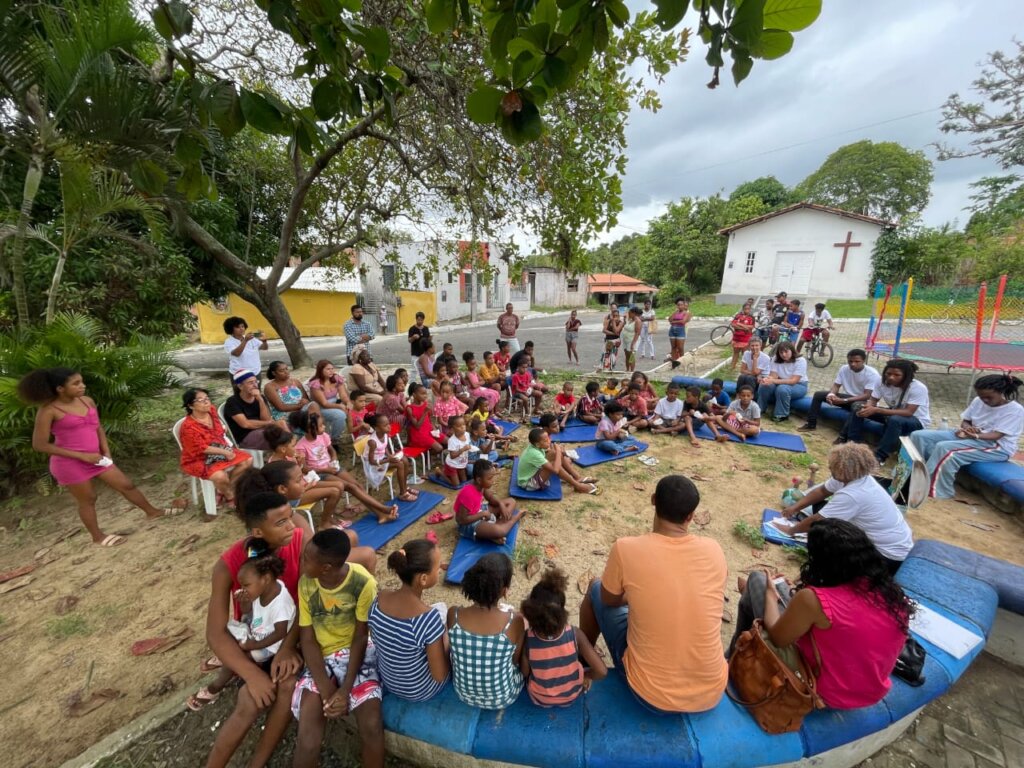
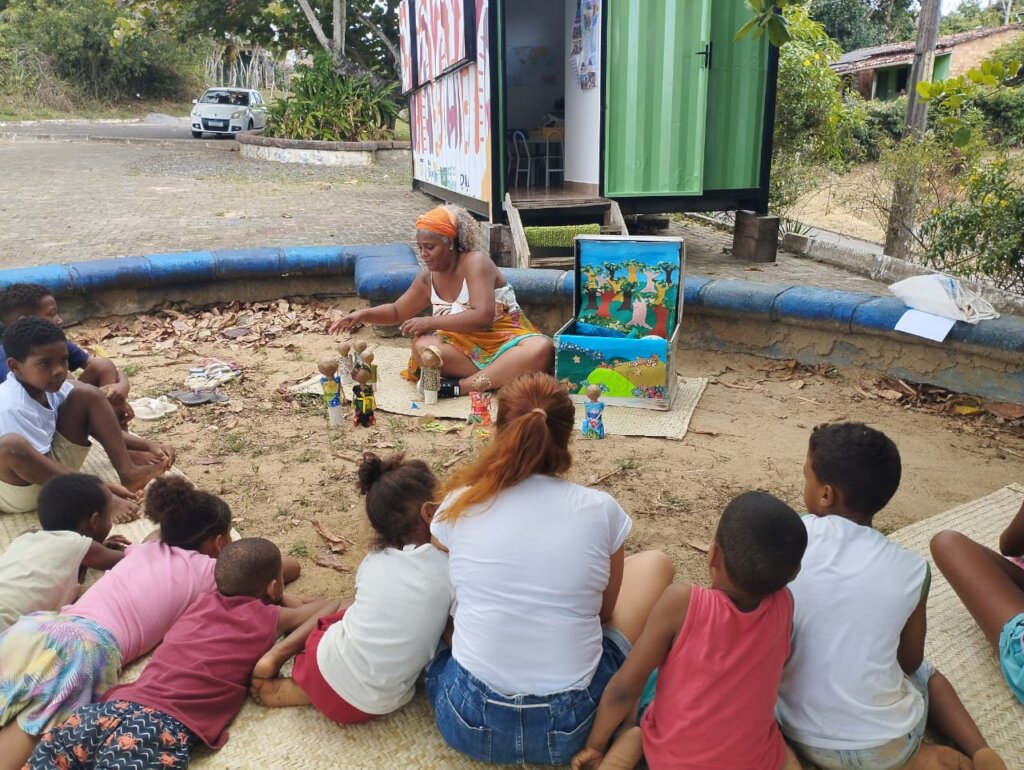
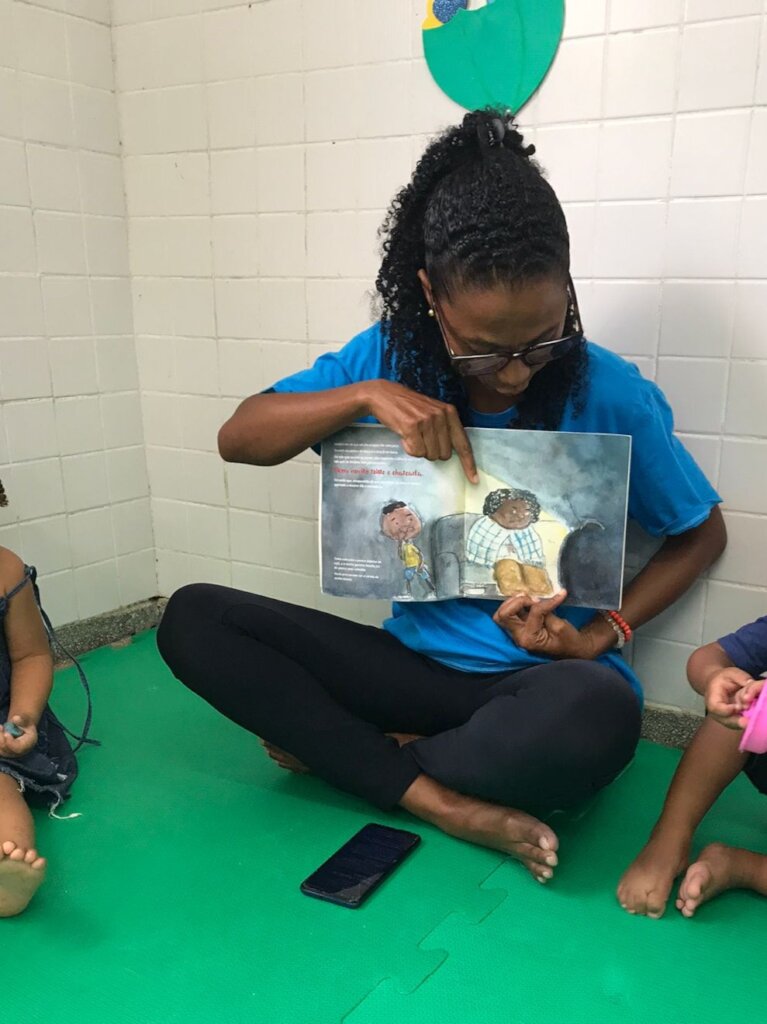
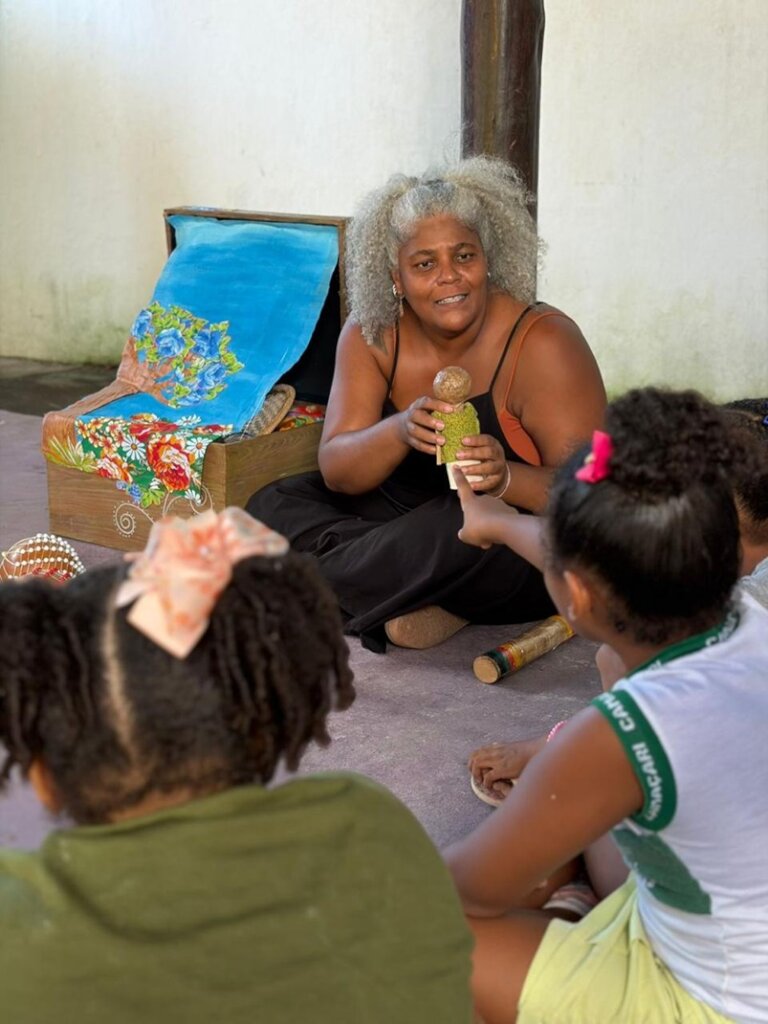
Other very special moments this semester have occurred with the Mobile Afroteca. We took our storyteller, Maju, to the Maclina Maria da Glória Municipal School, where she shared Afro-Brazilian literature and activities to encourage reading with local children and read the story ‘Mama Panya’s Pancakes’ aloud, prompting reflections on solidarity, community, sharing, and collective living.
The Mobile Afroteca grew out of a desire to spread literature beyond our center in the quilombo, reaching other children and strengthening anti-racist education networks in different settings.
Community Library
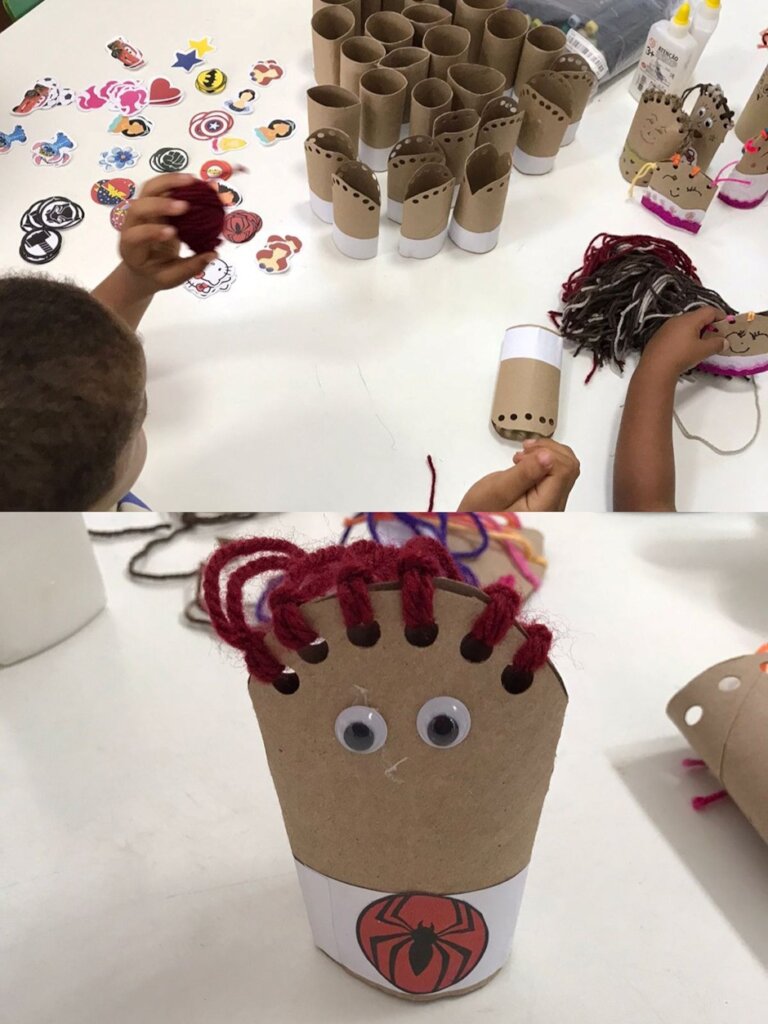
Our community library remains open on Saturdays, welcoming children and families from the community for reading, socializing, and cultural activities. In addition to encouraging reading, the space is a safe environment for exchange, creativity, and strengthening community bonds. During this period, we have welcomed volunteers to our Saturday workshops to lead activities creating toys from recycled materials, fostering creativity, environmental awareness, and group play.
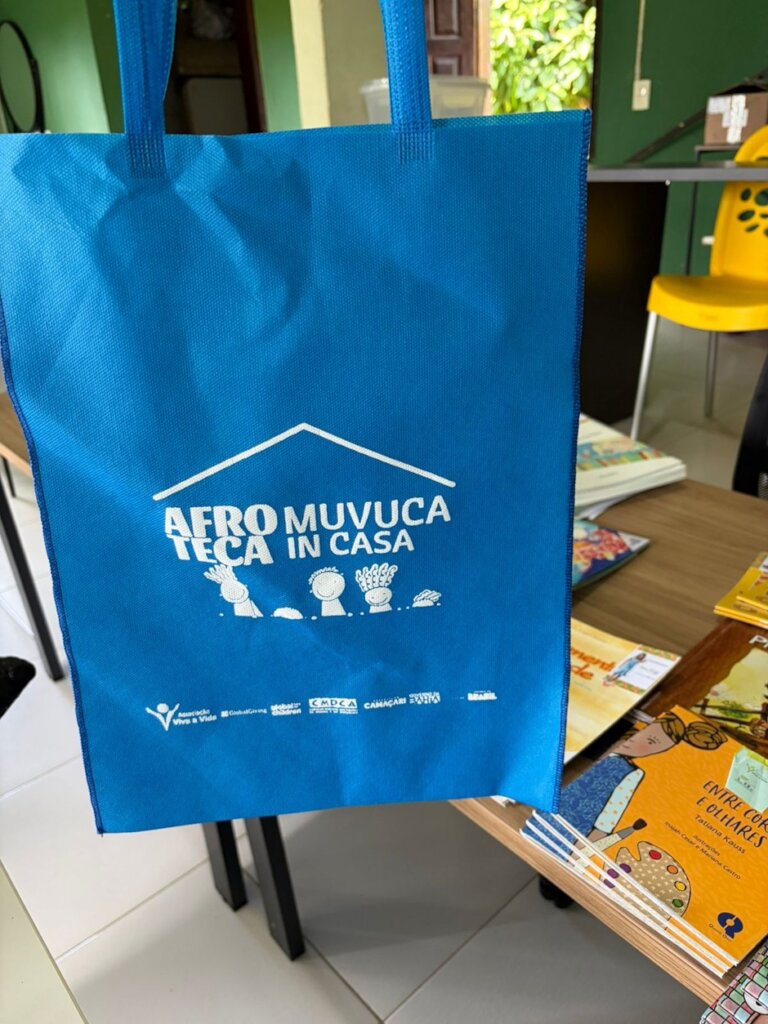
We continue developing our Literary Bag project, one of the Afroteca Muvuca’s most important initiatives to strengthen the connection between reading, family, and community. The Literary Bag serves as a bridge between the Afroteca and the children’s homes: each week, participants take books home, with suggestions for reading and sharing as a family, encouraging moments of affection, listening, and collective growth through literature.
This year, the project has earned a “new look.” We have produced new Literary Bags, which we will start distributing to children and families later this month, further strengthening the sense of belonging and care for the project. This initiative demonstrates the importance of bringing families closer to the world of reading and making books a part of children’s daily lives beyond the workshop setting.
II – FAMILIES AND THE COMMUNITY
Meetings with Families
Starting in May, we will begin a new project phase meeting families from the quilombo. These meetings will feature storytelling, conversation circles, and discussions about reading, childhood, child development, and strengthening family bonds. We believe that bringing families closer to children’s literary experiences is essential to strengthening their education and building a network of collective care around childhood.
IFBA Student Visit
We welcomed students from the IFBA Camaçari Campus to our headquarters. They visited Afroteca Muvuca to learn more about our history, our methodologies, and the project’s impact on the Quilombo community. The meeting provided an important opportunity to exchange knowledge and strengthen the connections between public education, the local area, and community initiatives.
III – TRAINING AND INSTITUTIONAL DEVELOPMENT
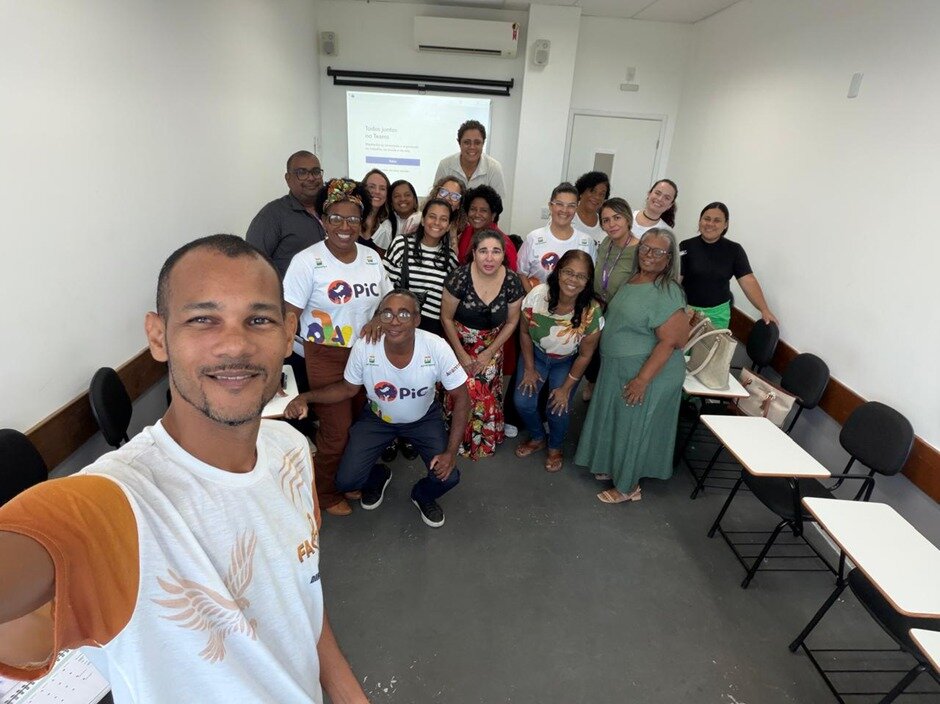
PIC Training Program – Early Childhood Citizenship
This semester we have been participating in the PIC – Early Childhood Citizenship training program, conducted in partnership with AVANTE. The training aims to conduct a survey on the state of early childhood in the municipality of Camaçari, where our offices are located. Participating in this process is extremely relevant to us, since it broadens our perspective on public policies focused on children, strengthens our capacity to act in the region, and contributes to planning activities that are even more aligned with the real needs of Quilombola children and families. Furthermore, participation in the PIC strengthens our networking efforts and reinforces Viva a Vida’s commitment to defending the rights of children in early childhood.
Quilombola Traditional Knowledge Course
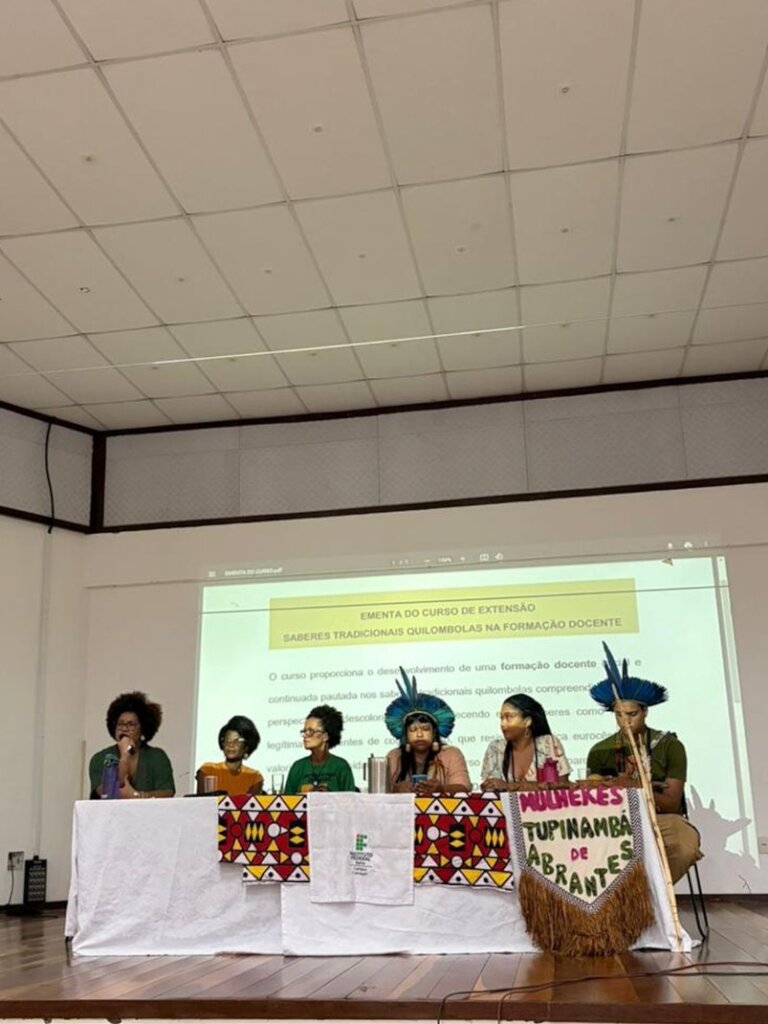
Our team is also participating in the Traditional Quilombola Knowledge Course, organized by the Nego Bispo School in partnership with IFBA Camaçari. This training has been essential for enhancing our reflections about ancestry, territory, memory, Quilombola education, and an appreciation of traditional knowledge. Participating in it directly strengthens our educational and cultural practices, allowing our team to develop activities that are linked to the context and knowledge of the Quilombola community. It also represents an important movement to value education built upon the experiences and knowledge of Black and traditional communities.
IV – COMMUNITY CONNECTIONS
Education, culture, and community mobilization
We continue to strengthen Viva a Vida’s presence within the community through cultural and educational activities, as well as social mobilization initiatives. Workshops, reading circles, storytelling sessions, and community gatherings serve as spaces for listening, socializing, and collective empowerment. We are working hard to encourage families to get involved in the Afroteca Muvuca activities, especially during the cultural events held on Saturdays and in initiatives focused on reading and child development. Such involvement strengthens the bond between the community, children, and education, reaffirming the importance of community initiatives in the care and upbringing of children.
V – INSTITUTIONAL WORK
Strengthening our Team and Networks
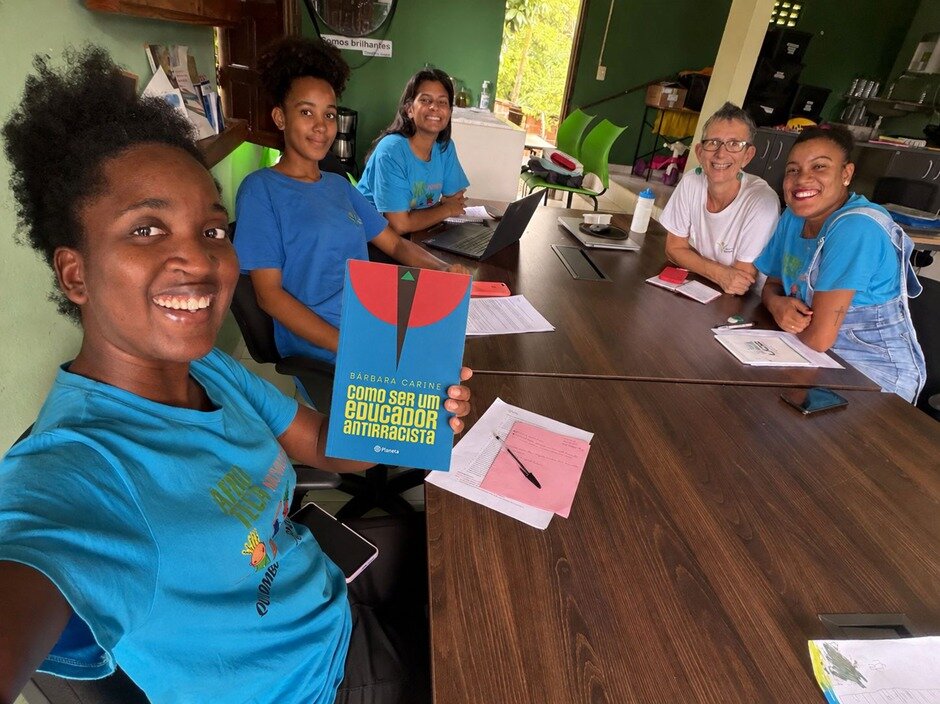
We continue to strengthen our institutional ties, expand partnerships, and invest in ongoing staff training. Throughout this period, our team has been involved in group reading and discussion of the book ‘How to Be an Anti-Racist Educator’ by Bárbara Carine. These sessions have been extremely important in deepening the team’s educational reflections, broadening our understanding of anti-racist educational practices, and ensuring that our activities are increasingly aligned with our commitment to valuing Black and Quilombola identities. In addition to deepening discussions on education, structural racism, and childhood, the collective reading process strengthens teamwork, promotes active listening and the exchange of experiences between educators, and directly contributes to the development of methodologies that are more sensitive, aware of, and connected to the reality of the children and families served by Afroteca Muvuca.
Team members participate in meetings, courses, institutional visits, and training programs, helping to establish Viva a Vida as a leader in anti-racist education, literature, and community empowerment within the quilombola territory. We also invest in building support and collaboration networks that enable the continuity and expansion of Afroteca Muvuca’s initiatives.
THANK YOU!
All of this is only possible thanks to the support of individuals and organizations who believe in the power of education, literature, and culture as tools for social transformation. Every workshop held, every book shared, every child welcomed, and every family involved in this process is the result of a collective effort built with great care, resilience, and hope. We remain deeply grateful for your partnership.
With love, From Viva a Vida
Project reports on GlobalGiving are posted directly to globalgiving.org by Project Leaders as they are completed, generally every 3-4 months. To protect the integrity of these documents, GlobalGiving does not alter them; therefore you may find some language or formatting issues.
If you donate to this project or have donated to this project, you can receive an email when this project posts a report. You can also subscribe for reports without donating.



Support this important cause by creating a personalized fundraising page.
Start a Fundraiser