By Jettie Word | Director
Dear Friends,
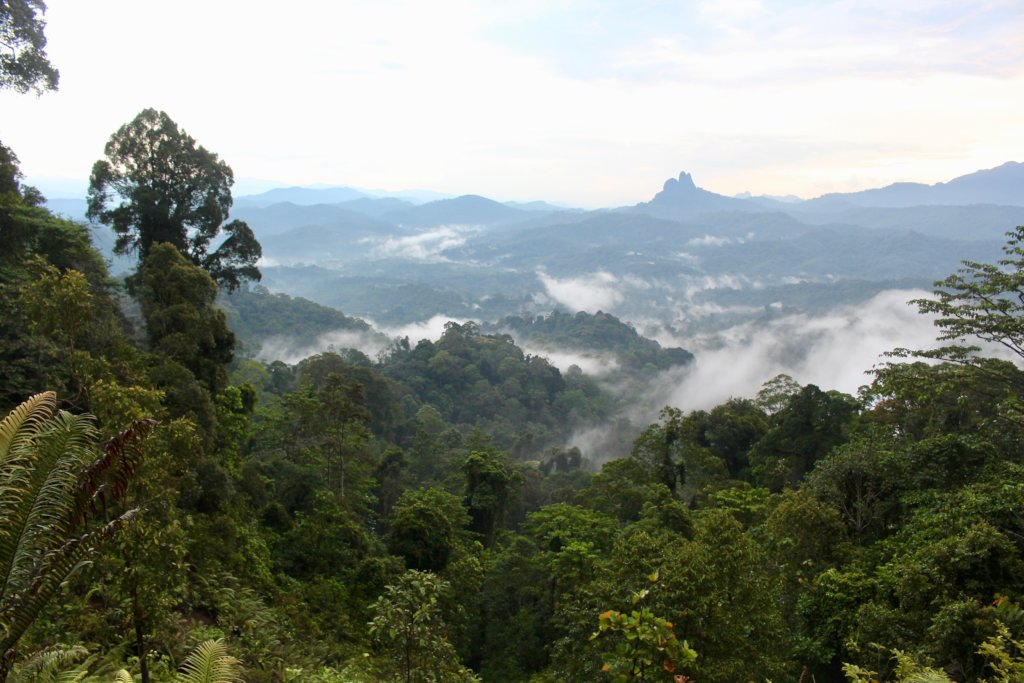
Ten years ago, Indigenous communities in Sarawak achieved one of the most significant environmental victories in Southeast Asia: the cancellation of the Baram Dam. After years of blockades, organizing, and international advocacy, communities forced the government to abandon a project that would have displaced thousands and flooded vast areas of rainforest.
A decade later, that victory remains a powerful reminder of what coordinated, community-led resistance can achieve. But it also raises a pressing question: has anything fundamentally changed?
Today, Sarawak Energy is calling for proposals to develop a new wave of cascading dams across five rivers in the state. Framed as development, these projects risk repeating the same pattern—decisions made without transparency, and without the full participation of the Indigenous communities whose lands and livelihoods are at stake.
As new dam plans move forward, communities and civil society organizations are calling for early-stage transparency and the full implementation of Free, Prior and Informed Consent (FPIC). These early feasibility stages—often conducted out of public view—will determine whether forests and rivers are protected, or opened up to large-scale infrastructure.
The lesson from Baram is clear: when communities are informed, organized, and supported, they can shape the outcome. But without that, history risks repeating itself.
Strengthening Community Forest Monitoring
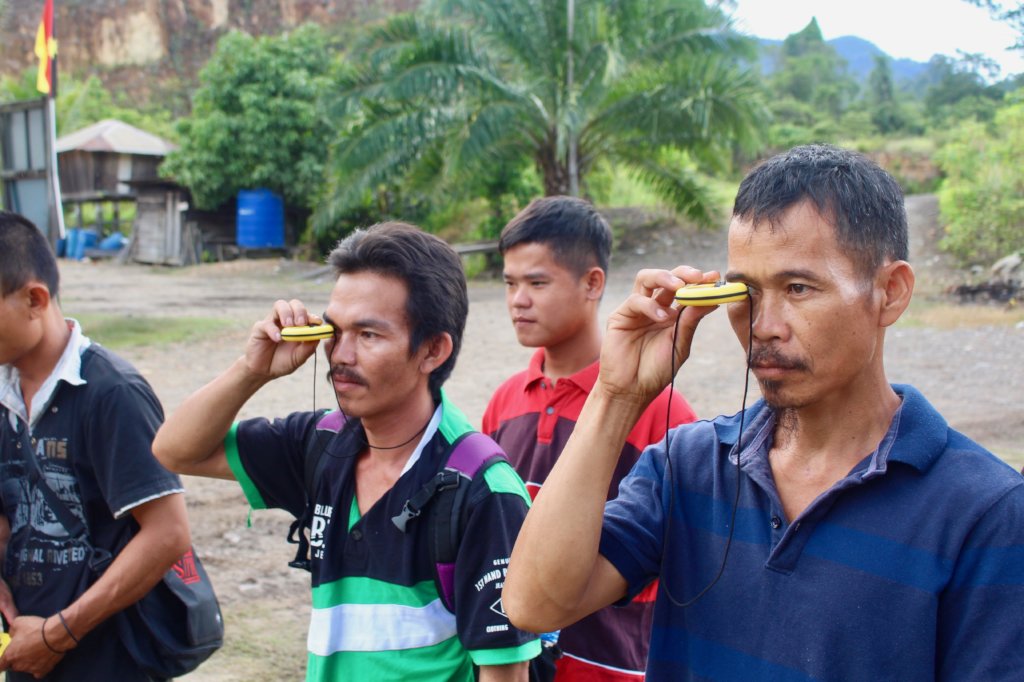
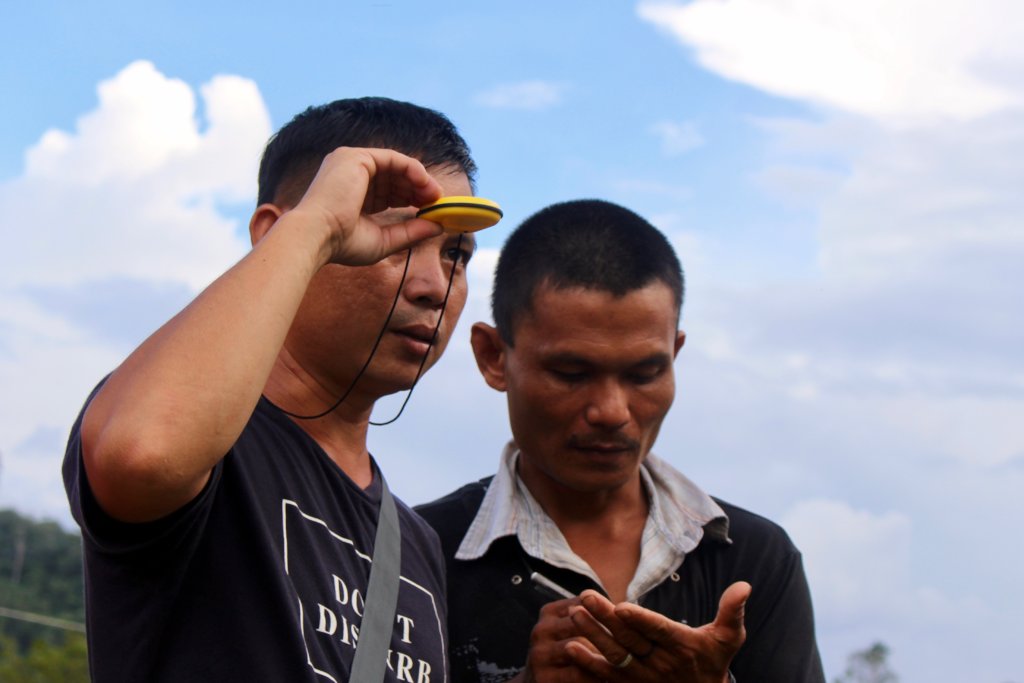
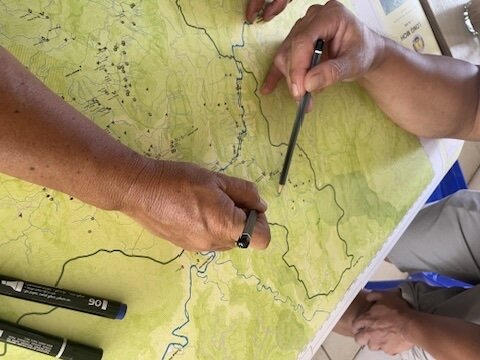
Alongside responding to emerging threats, we are continuing to invest in the long-term defense of Indigenous territories. This month, we supported a forest monitoring consultation with community partners in the Baram region, focused on strengthening local capacity to document and respond to incursions.
The consultation brought together community representatives to assess current monitoring practices, identify gaps, and refine tools for tracking logging activity, road expansion, and other threats to customary lands. Discussions focused on improving data collection methods, coordination across villages, and how monitoring evidence can be used more effectively in advocacy—whether through formal complaints, engagement with certification bodies, or direct negotiations with companies.
Community-led monitoring remains one of the most effective first lines of defense. It enables rapid response on the ground while also generating the evidence needed to challenge illegal or non-compliant operations at higher levels. As pressure on forests evolves—from logging to carbon projects to infrastructure—these systems will be critical in ensuring communities can continue to assert control over their territories.
Ongoing Land Rights Violations in Baram
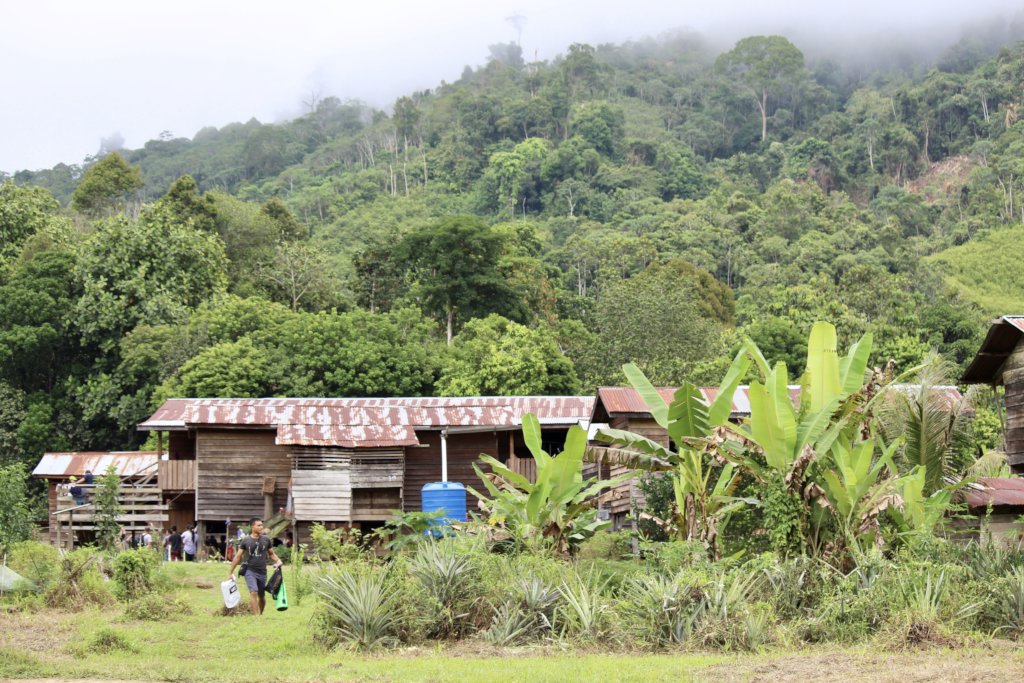
At the same time, structural injustices persist. In Baram, community members recently reported that timber harvested for the construction of a Penan family home was confiscated by the Forest Department—despite being for personal, non-commercial use on ancestral land.
This stands in stark contrast to the continued approval of large-scale logging operations in the same region. The incident highlights a broader pattern: Indigenous communities are penalized for subsistence use of their forests, while industrial extraction proceeds with state backing.
Such cases underscore the urgent need for legal recognition of Native Customary Rights and for governance systems that distinguish between community use and commercial exploitation.
Looking Ahead
Ten years after Baram, the stakes remain high. New dam proposals, ongoing land rights violations, and shifting forms of resource extraction all point to a familiar reality: Indigenous communities are still being forced to defend their lands against externally driven development.
But the foundation built over decades of resistance is strong. From blockades to monitoring systems to international advocacy, communities continue to adapt and lead.
Your support makes this work possible—strengthening community-led protection of forests, amplifying Indigenous voices, and ensuring that the next generation of struggles is met with even greater resilience.
In solidarity,
The Borneo Project Team
Project reports on GlobalGiving are posted directly to globalgiving.org by Project Leaders as they are completed, generally every 3-4 months. To protect the integrity of these documents, GlobalGiving does not alter them; therefore you may find some language or formatting issues.
If you donate to this project or have donated to this project, you can receive an email when this project posts a report. You can also subscribe for reports without donating.



Support this important cause by creating a personalized fundraising page.
Start a Fundraiser