By Jonathan Contreras | Field Biologist
The sea turtle season in Pacuare has officially begun! Since late February, when the first research assistants arrived, our team has been working intensively to ensure a successful start to the nesting season.
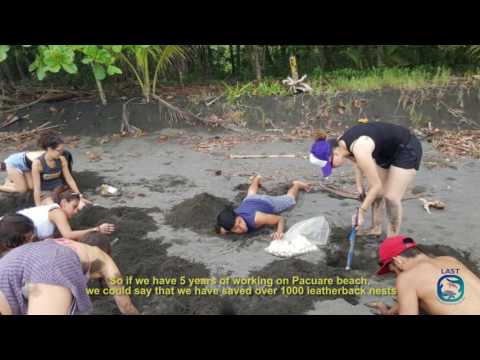
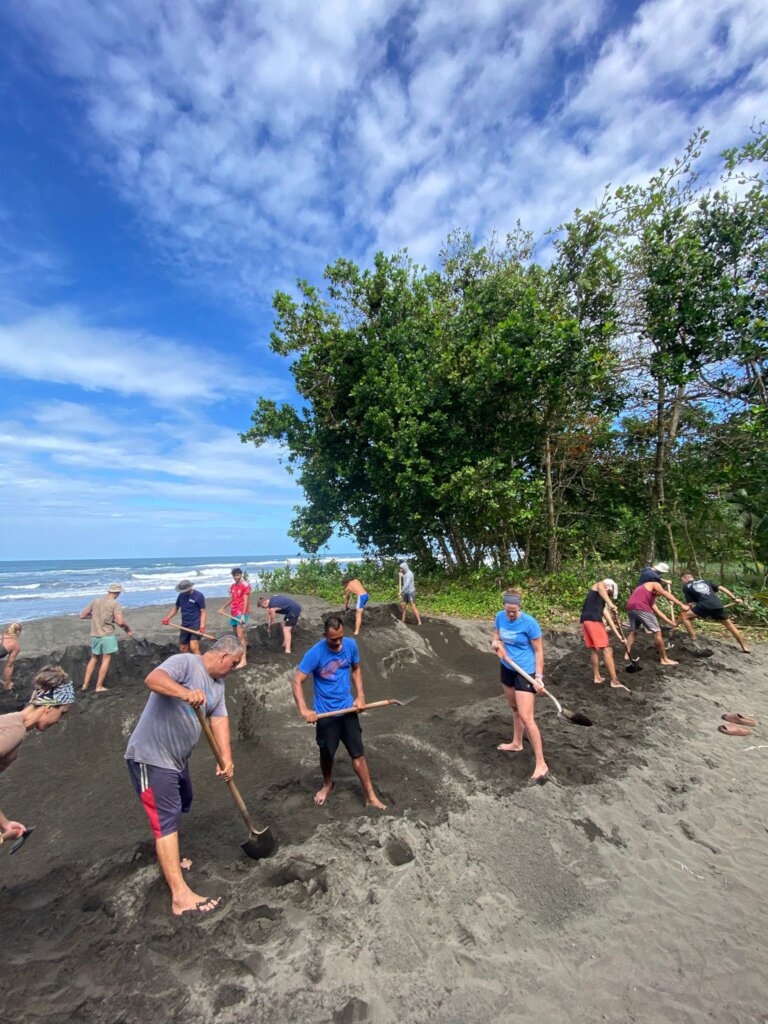
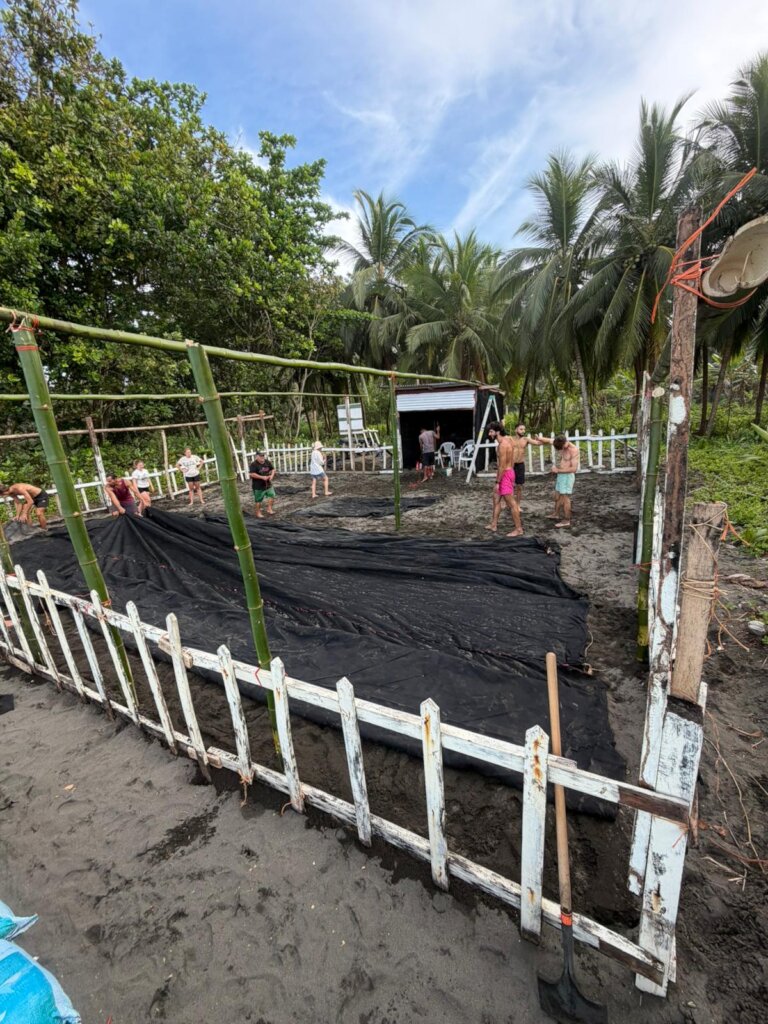
During March, we combined nightly beach patrols with one of the most demanding and important tasks of the year: the construction of our hatchery, which will house the sea turtle nests we are able to rescue throughout the season. This process required an enormous physical effort and many hours of work, as it involves completely removing the sand from the hatchery area, sifting and disinfecting it, and then carefully placing it back.
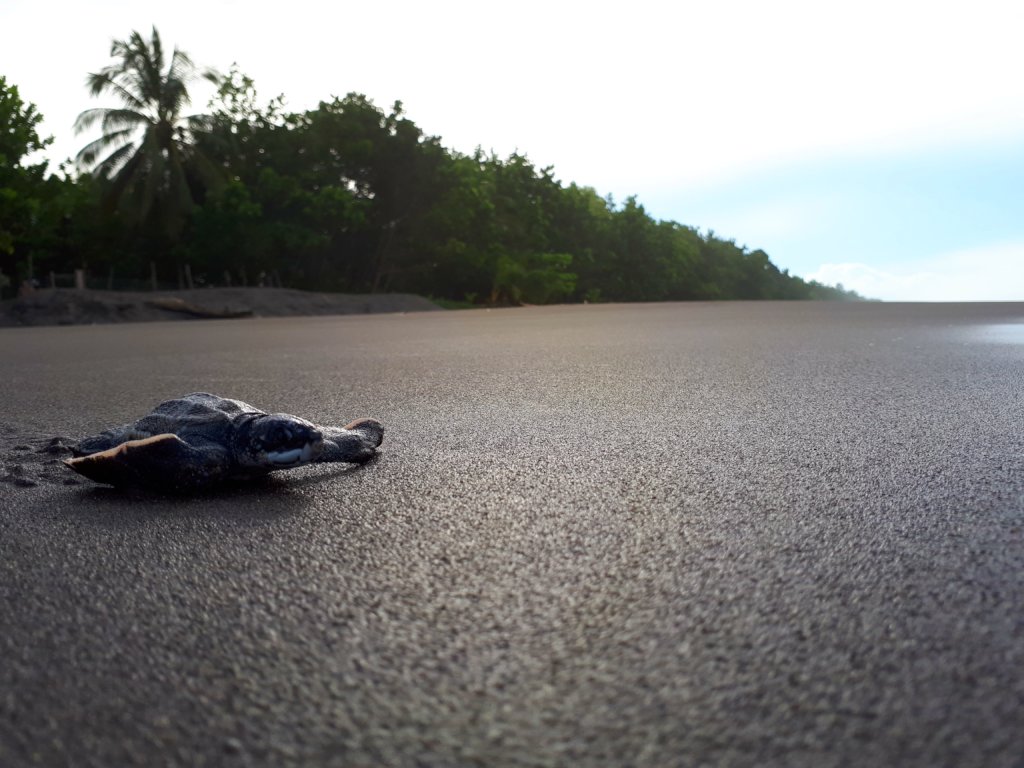
Despite the complexity of this task, the commitment of our staff and volunteers was extraordinary, and we managed to finish the hatchery during the first days of April, just in time to receive the first nests of the season. Thanks to this effort, we have already managed to protect more than 30 leatherback turtle nests inside the hatchery, in addition to 11 other nests that were relocated directly on the beach before the hatchery construction was completed.
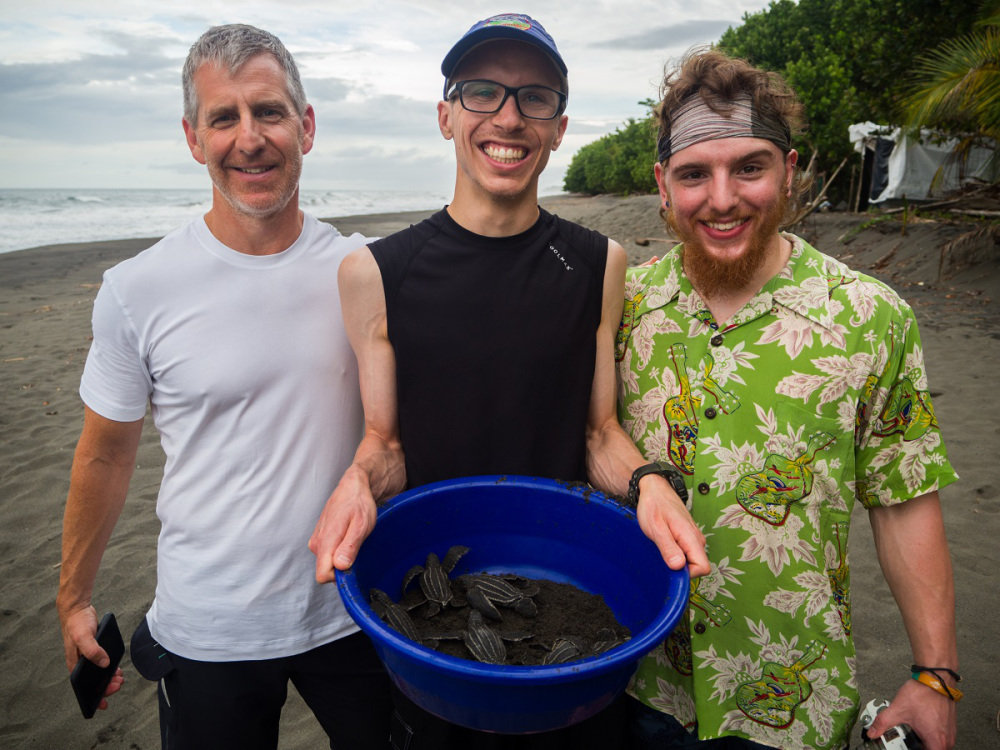
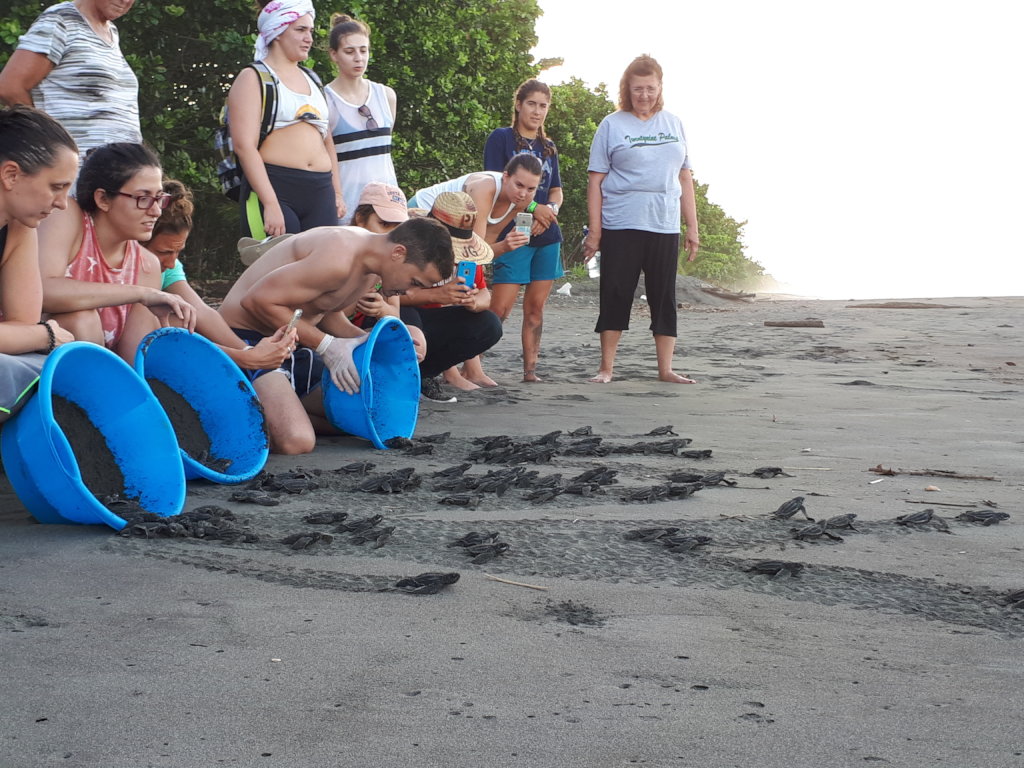
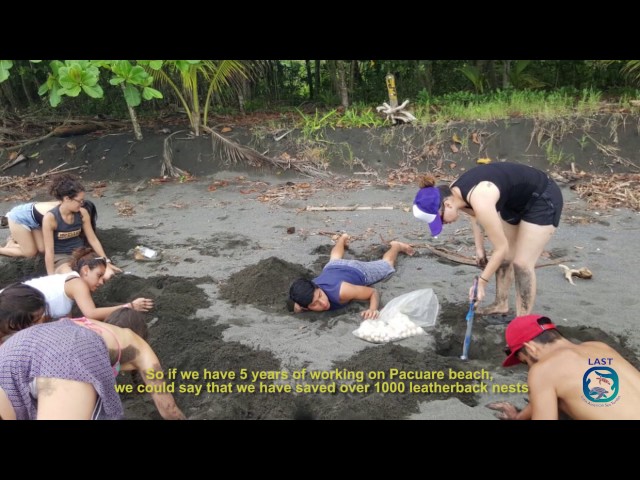
None of this would have been possible without the support and dedication of our volunteers, who bravely chose to leave their countries and travel thousands of kilometers to join sea turtle conservation efforts in Costa Rica. Thanks to their hard work and commitment, hundreds of potential hatchlings from the nests they helped us rescue will now have a better chance of reaching the ocean.
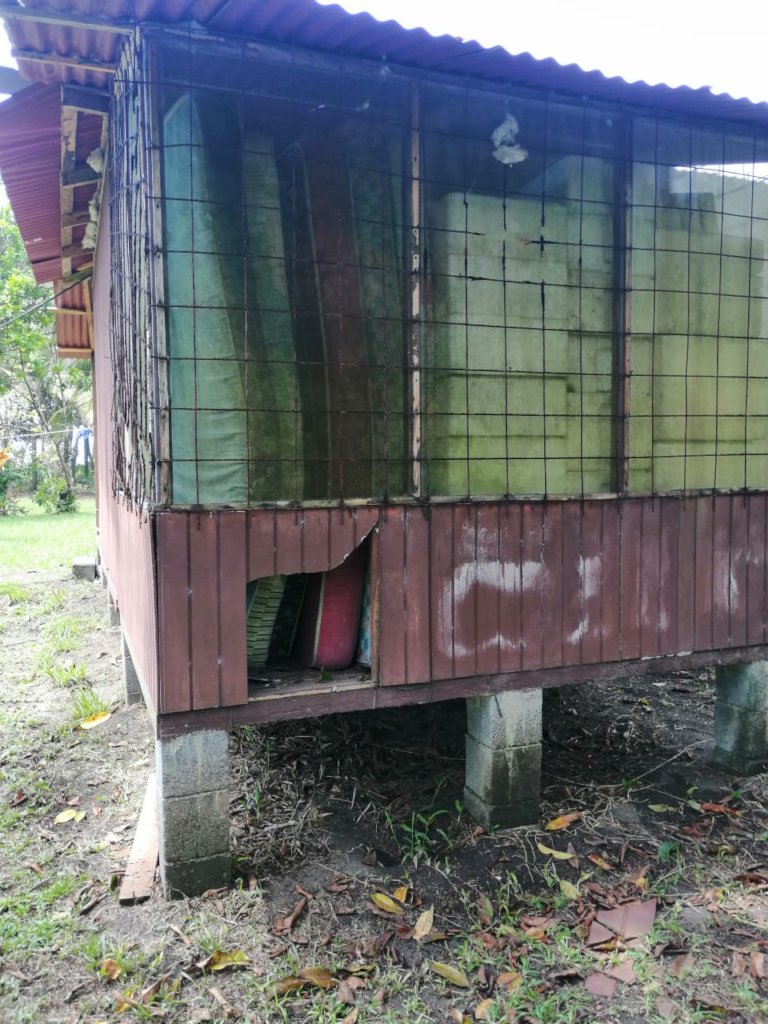
This year, we also made an important decision to improve working conditions at the station by installing Starlink satellite internet. With this tool, we aim to improve communication and coordination in a remote area like Pacuare. However, this also represents a new challenge, as the station depends entirely on solar panels and batteries for electricity. The system’s high energy consumption requires us to carefully manage the available power in order to ensure the operation of all our essential equipment during daily conservation work.
Another major challenge we have faced has been nest poaching. As happens every year, we continue encountering illegal poachers on the beach who reach the turtles before we do and steal their eggs. This season, there was even an isolated incident in which a poacher intercepted one of our patrols and took the bag of eggs while they were heading to the hatchery to relocate the nest. Fortunately, the situation did not escalate further, but this incident clearly reflects the serious problem faced at Pacuare Beach, where sea turtle eggs continue to be illegally taken to be sold or exchanged for drugs, without any regard for the enormous damage this causes to the conservation of these threatened species.
Despite these challenges, our team continues working every night to locate and protect as many nests as possible from threats such as poaching and erosion. During the past few weeks, the season has shown consistent leatherback turtle activity on the beach, keeping our patrols active night after night.
The support we receive from people like you makes it possible to keep these efforts going. Your donation helps us purchase hatchery materials and patrol equipment, maintain our solar panel system, provide food for our staff, and increase the number of nests we are able to save on this beach. Thank you for being part of this effort and helping thousands of small turtles have a better chance of reaching the ocean.
Links:
Project reports on GlobalGiving are posted directly to globalgiving.org by Project Leaders as they are completed, generally every 3-4 months. To protect the integrity of these documents, GlobalGiving does not alter them; therefore you may find some language or formatting issues.
If you donate to this project or have donated to this project, you can receive an email when this project posts a report. You can also subscribe for reports without donating.



Support this important cause by creating a personalized fundraising page.
Start a Fundraiser