By Mariam Ait Hfid | Program Manager
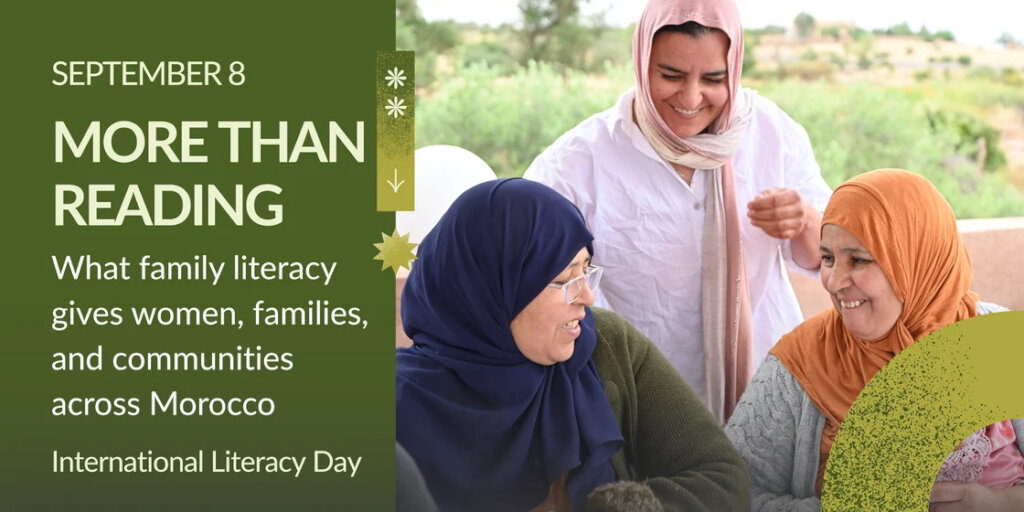
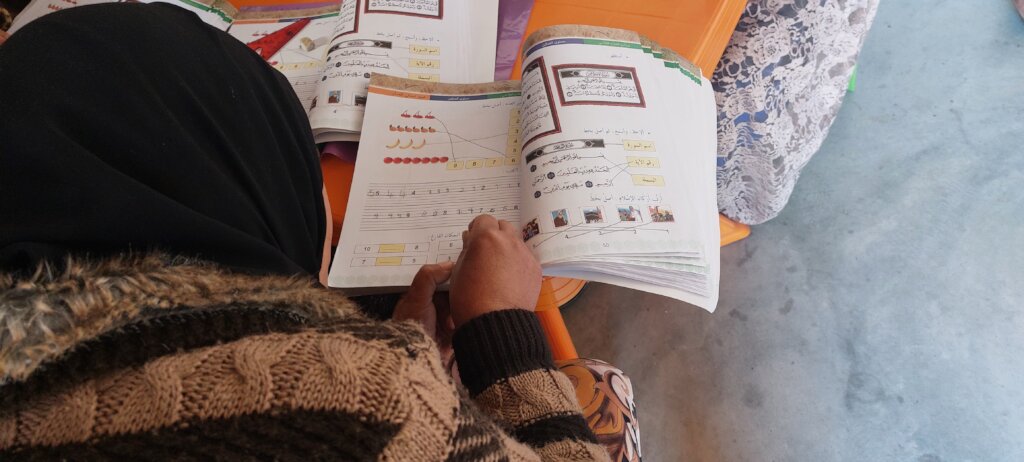
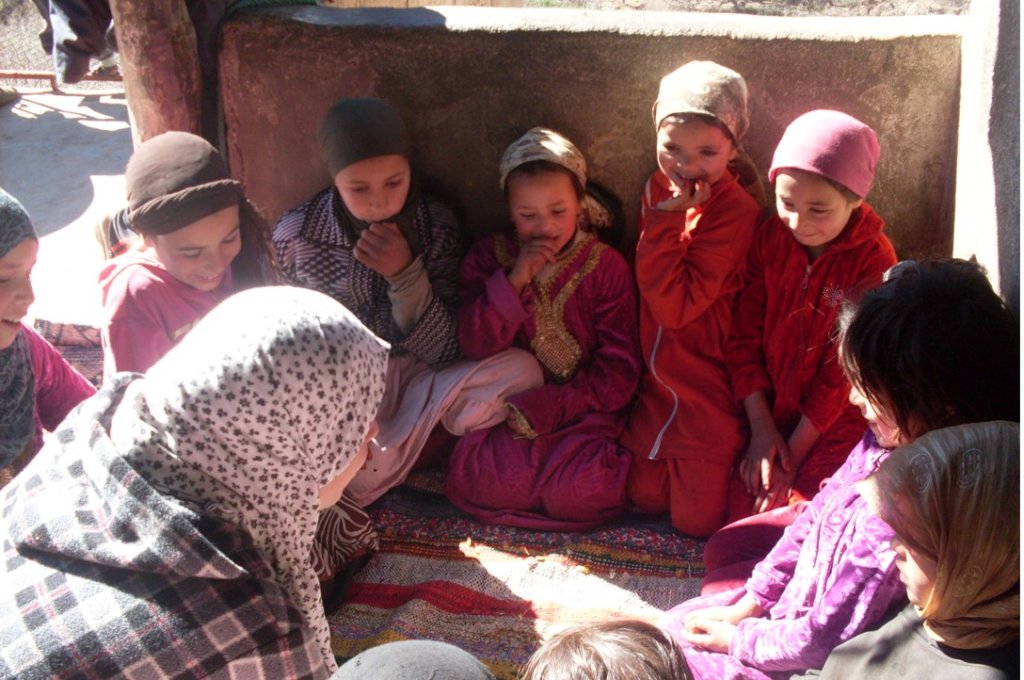
September 8th is International Literacy Day. Hundreds of millions of adults worldwide cannot read a bill, a bus number, or a text message. At the High Atlas Foundation, family literacy classes are changing that with rural Moroccan women.
Why Women Want to Learn
The most common reason women give for wanting to learn to read is practical: they want to run a cooperative or business, and that requires reading and writing. But it’s rarely the only reason. Facilitators also hear women say they want literacy to help their children with homework, to text and communicate on a smartphone, or to read the Quran on their own.
One woman, who spoke Arabic fluently but couldn’t read numbers, used to stay home rather than risk taking the wrong bus. She can read the numbers now after taking literacy classes.
Along the way, literacy classes end up teaching skills that go beyond reading itself, like checking food expiration dates or basic numeracy. Women say they put these skills to use right away, outside of class, in their own houses and communities.
Before Class Even Starts
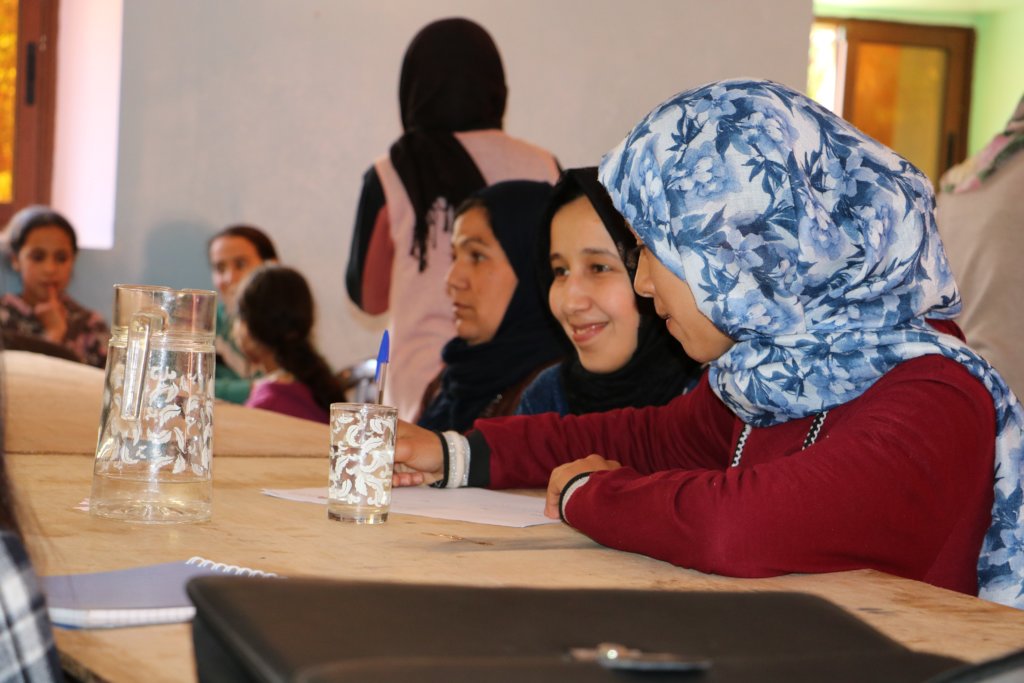
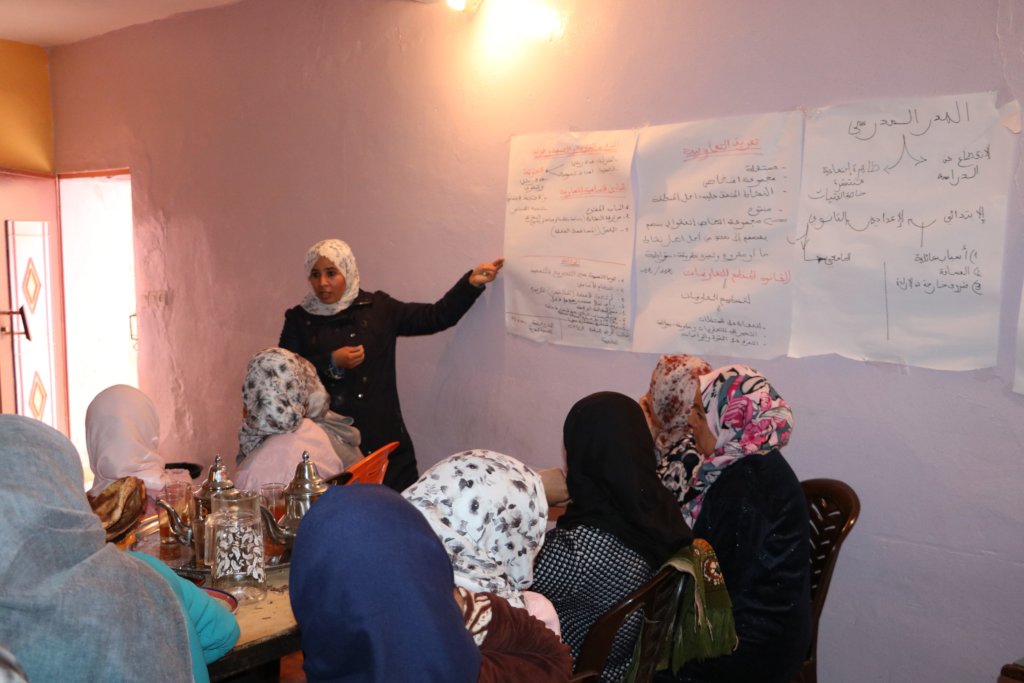
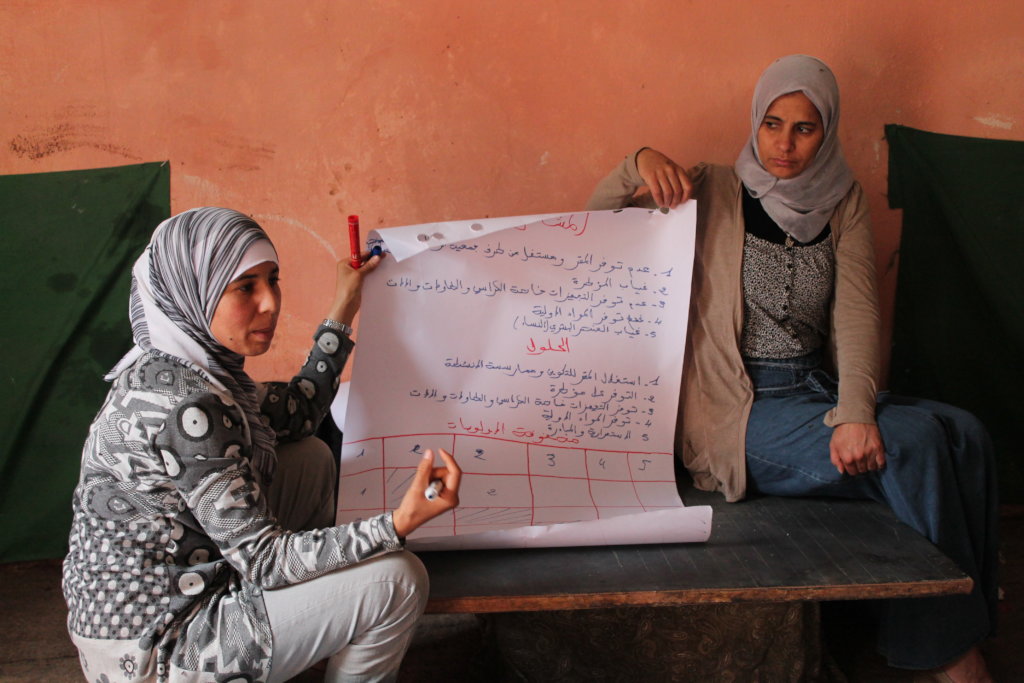
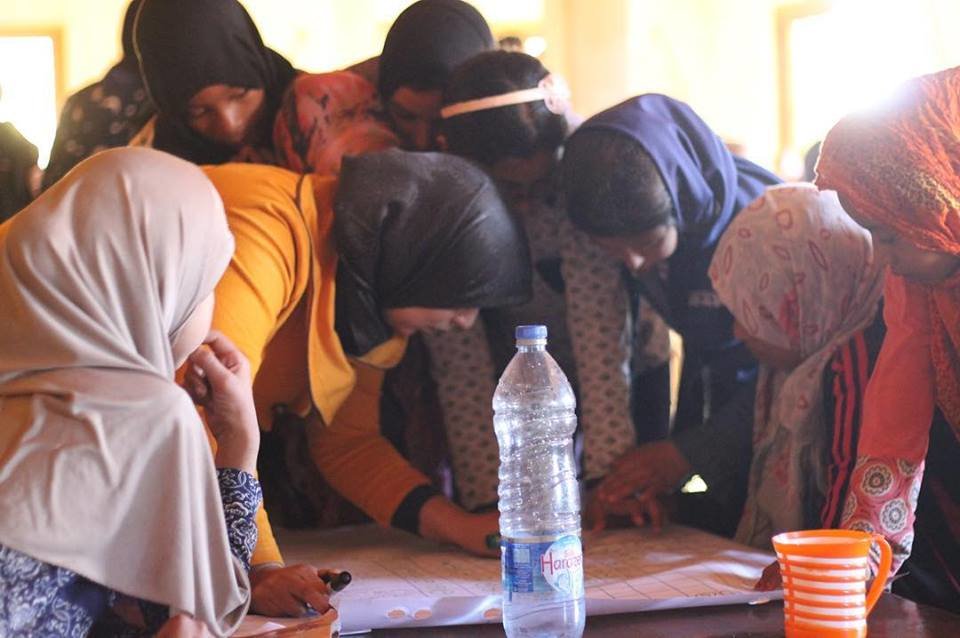
In IMAGINE workshops, illiteracy often surfaces before any literacy-specific activity does. A woman is handed a pen for an exercise, sometimes one that doesn’t even require writing, and she hands it back: “I can’t do this, I don’t know how to read or write.” Sometimes she asks her child to hold the pen instead.
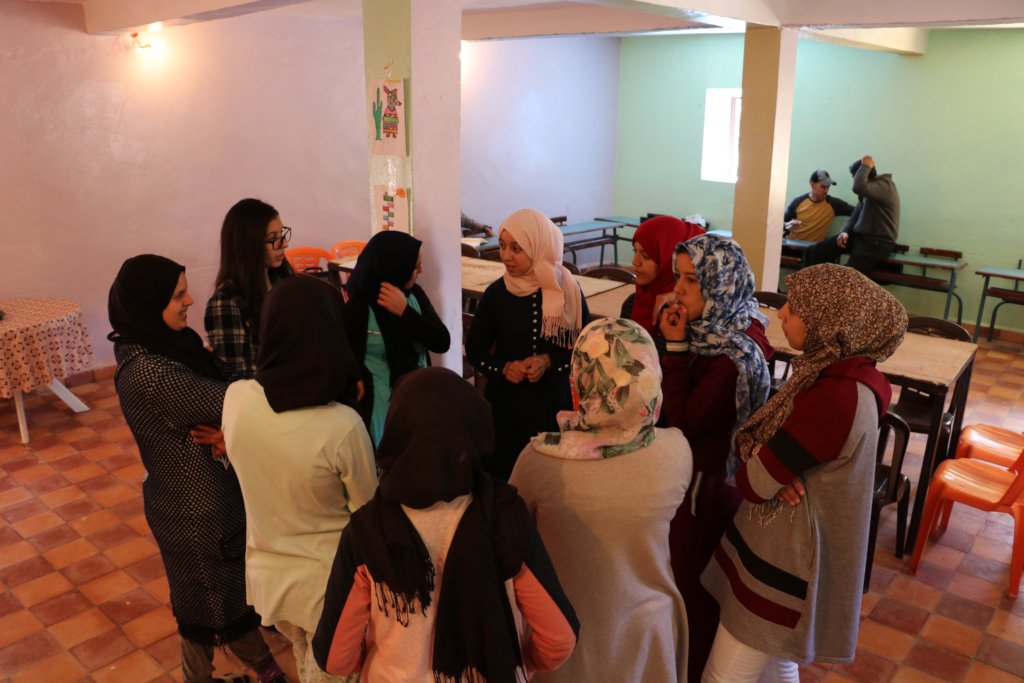
This happens no matter what the actual task is, whether it’s drawing a diagram, signing an attendance sheet, or sketching out a goal. If a woman can’t read, she often assumes from the start that she can’t take part. Facilitators of the IMAGINE experience say this is especially common in new communities, where admitting you never learned to read still feels shameful. Most women only say it out loud once they feel like they are in a safe, judgement-free space.
The scale of it is significant. In many workshops, more than 80% of participants never learned to read, having left school around age seven or eight. Younger women usually know the basics, while older women often do not. Some arrive at these workshops hopeful about the opportunity in front of them, only to lose confidence once the conversation turns to ideas they can’t follow because they can’t read.
What Actually Changes
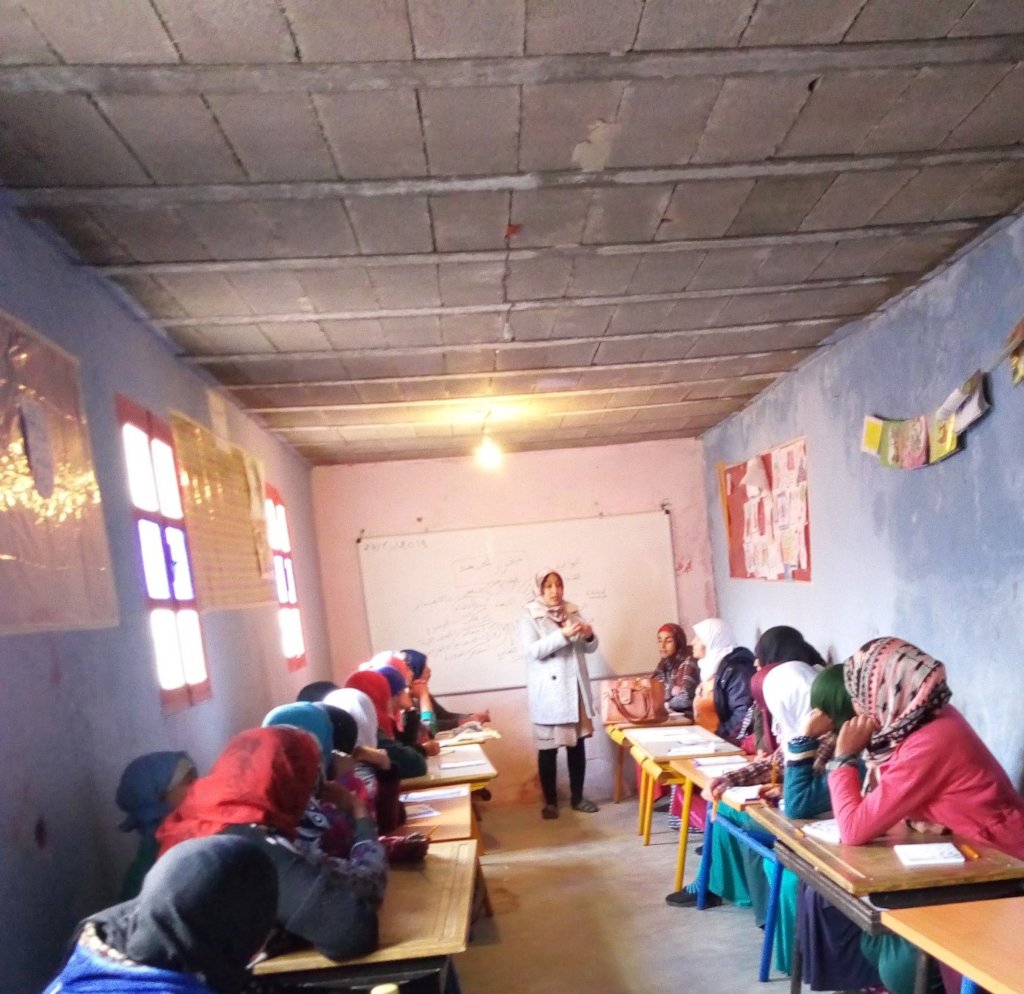
When literacy classes first begin, much of the work is about confidence.
Women who have spent years saying “I can't” need a safe space to discover that they can. Gradually, the changes become visible.
One participant, Amal, proudly shared that she can now write her full name after months of practice. Aicha celebrated being able to read a clock independently for the first time, giving her greater control over her daily schedule.
For Mina, the greatest reward has been helping her children with their schoolwork. The experience became even more meaningful when her daughter told her, "Mama, now you are a student like me."
That family dimension is intentional. HAF's Family Literacy approach connects literacy and numeracy with empowerment, parenting, and wider opportunities for women and their families.
Together, these achievements represent far more than academic progress. They reflect growing self-confidence, stronger connections within families, and a greater sense of participation in community life.
A Partnership In Action
In Mohammedia, partnership has helped turn community priorities into opportunities for women.
Through HAF's work with local communities, women are able to build skills, strengthen their confidence, and pursue opportunities that respond to their own goals.
This International Literacy Day, we are especially grateful for the role that committed partners play in creating spaces where women can learn and build toward a more independent future.
A Class That Kept Going On Their Own
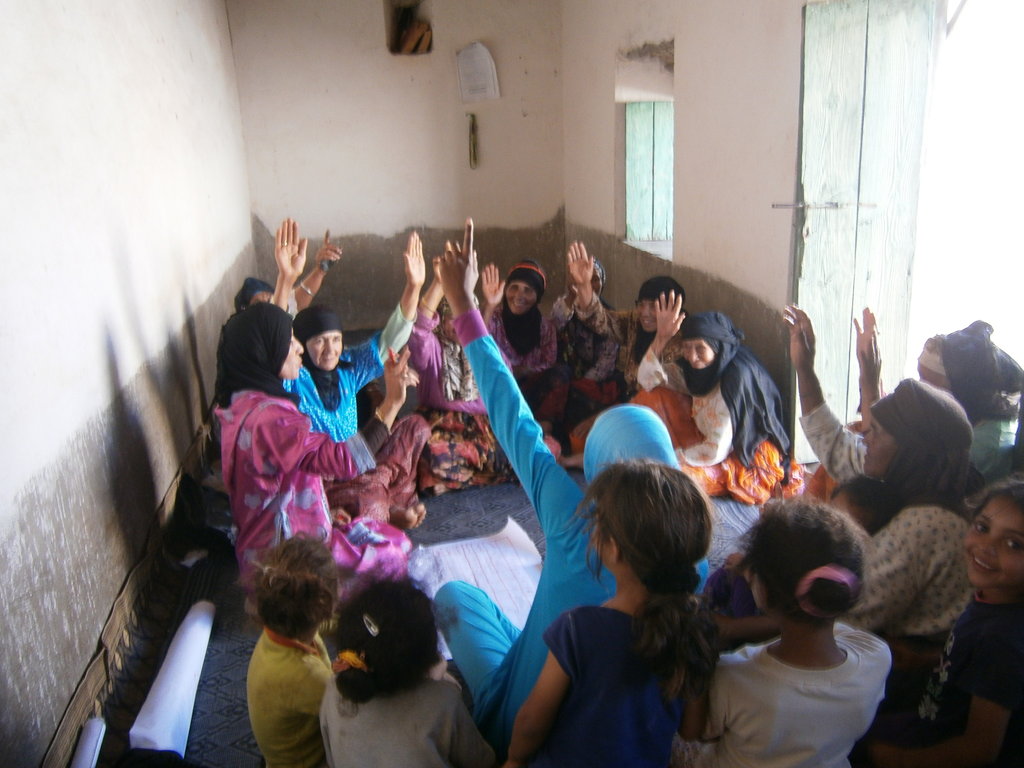
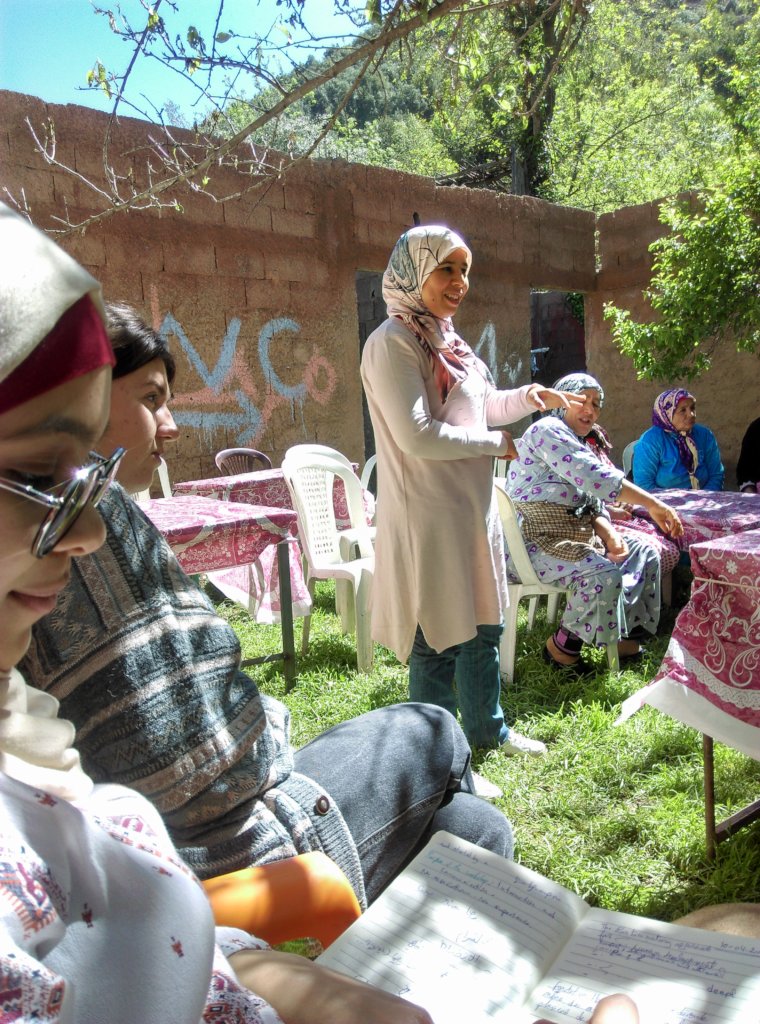
In Achbarou village, a literacy class that started around four years ago is still meeting every week, two years after initial funding behind it ran out. No one is required to attend, and no one is paid to teach it anymore, yet the classes kept going because the group’s carpet cooperative business kept growing. Members had the need to read invoices and track sales to run it, so the class simply became a normal part of their week rather than something tied to a program.
Why Literacy?
When making the case for family literacy over other kinds of urgent priorities like tree planting, waste management, or cultural preservation, the answer is clear: literacy is foundational. Most other training and workshops around any topic depend on people being able to read and write the material in front of them, so without it, those programs have less to build on. There is also an effect on confidence. Knowing how to read means a woman can manage her own affairs instead of depending on someone else to read for her.
This September 8th, the point worth remembering is simple. For the women in these programs, literacy was never just about reading. It is the skill that everything else depends on: their businesses, their children, and their independence.
Project reports on GlobalGiving are posted directly to globalgiving.org by Project Leaders as they are completed, generally every 3-4 months. To protect the integrity of these documents, GlobalGiving does not alter them; therefore you may find some language or formatting issues.
If you donate to this project or have donated to this project, you can receive an email when this project posts a report. You can also subscribe for reports without donating.



Support this important cause by creating a personalized fundraising page.
Start a Fundraiser