By Mary Roper | HAF Intern and UVA Student
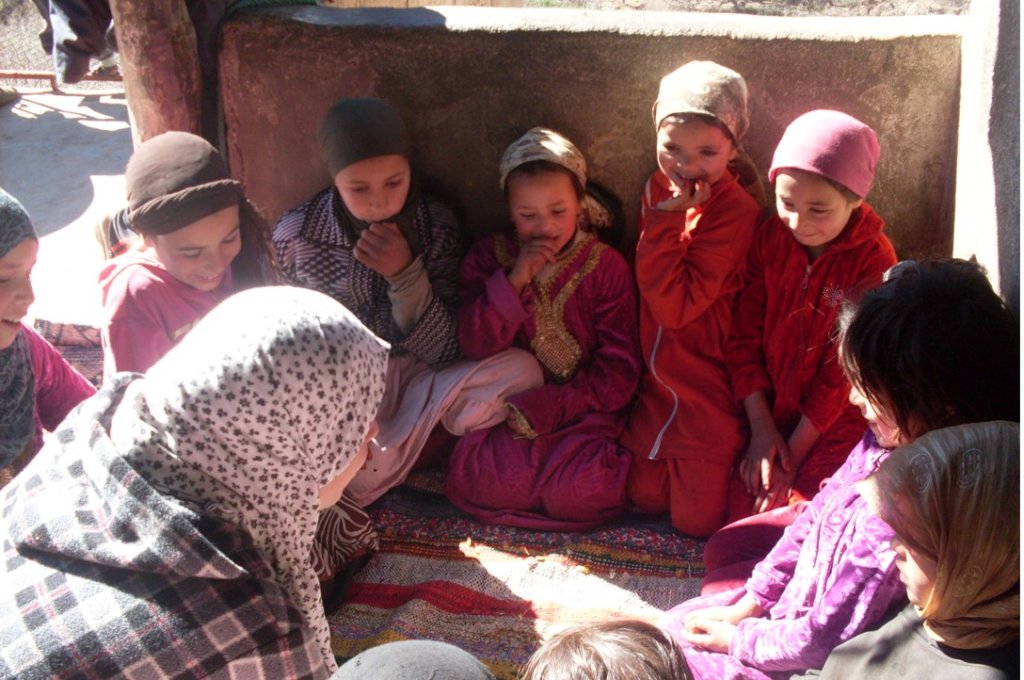
While opponents of Morocco’s newly established National Agency for Child Protection (ANPE) doubt its capacity, its creation has engineered momentum for Moroccan Child Protection Centers (CPEs) to integrate developmentally backed research into clear standards of care for their youth. Across Morocco, youth are placed by court order in one of 20 CPEs when their physical or emotional security is threatened or when they commit an offense against the law. However, despite intended purposes and potential to support and reintegrate these youth, the system has historically provided unstandardized nutritional, educational, and psychosocial care across different CPEs.
ANPE introduces distinct groups of child protection facilities as well as new standards for facilities across the board. Closed centers, for youth in conflict with the law, will fully restrict youth’s engagement with the outside world, while open centers, for youth placed in CPEs because of unsafe home environments, will provide residents opportunities to participate in outside programs while still being supervised by the agency. More generally, proponents of this newly established agency say it could unify child protection services and establish more consistent standards.
However, opponents worry that the agency is too punitive and does not provide enough support for centers to reach new standards for care, thus not actually ensuring consistent, durable protection for kids across Morocco. That being said, regardless of the agency’s validity, with its establishment Morocco has the opportunity to both reshape and standardize the priorities of their Child Protection Centers as closed and open systems take shape. Standardizing a priority on adolescent autonomy in both systems responds to adolescent development literature and invites the most productive change for CPEs.
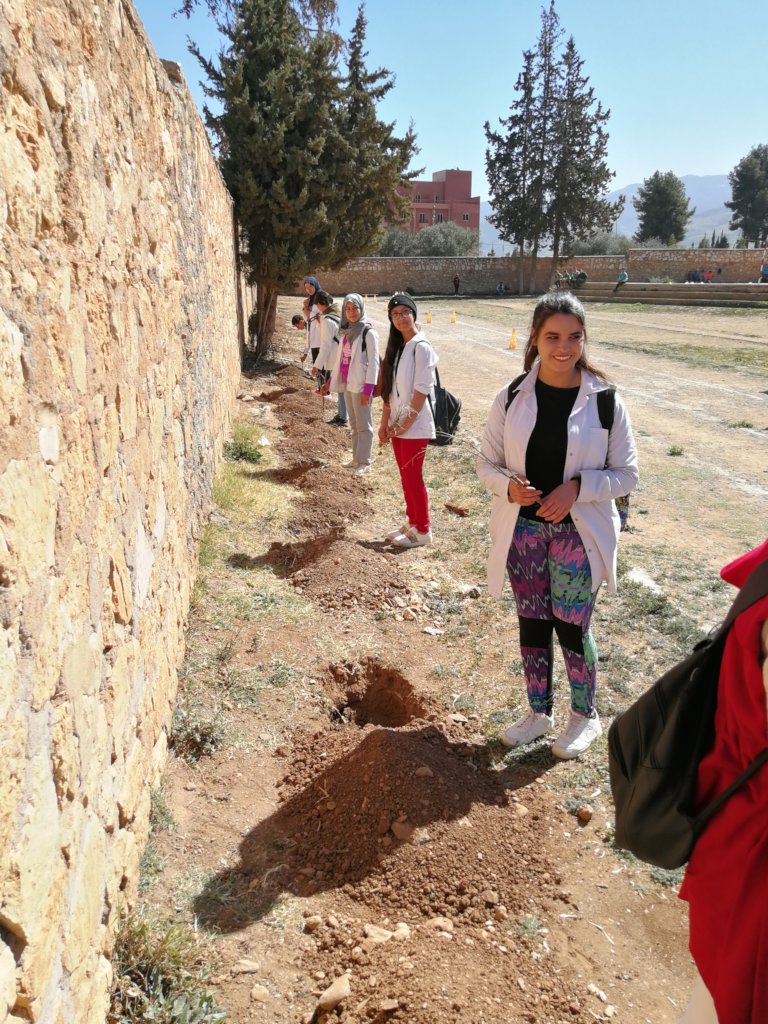
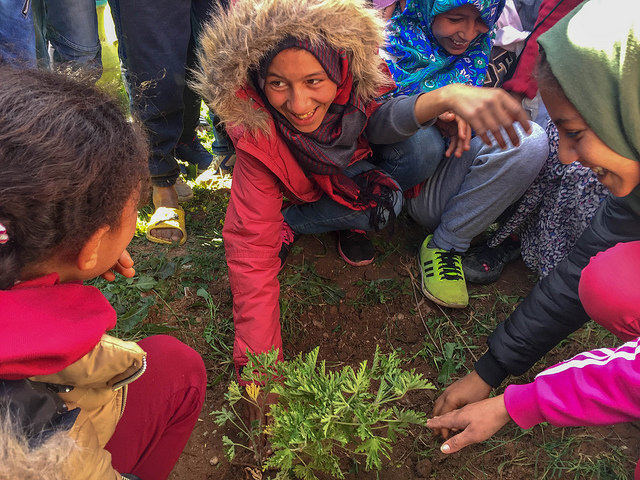
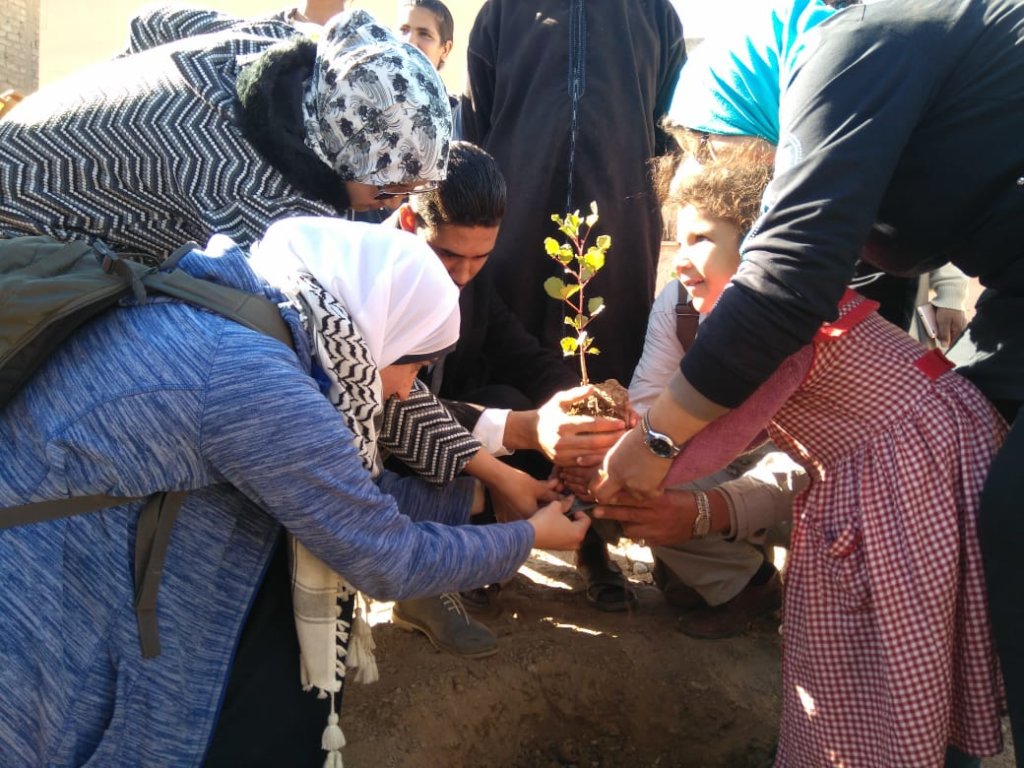
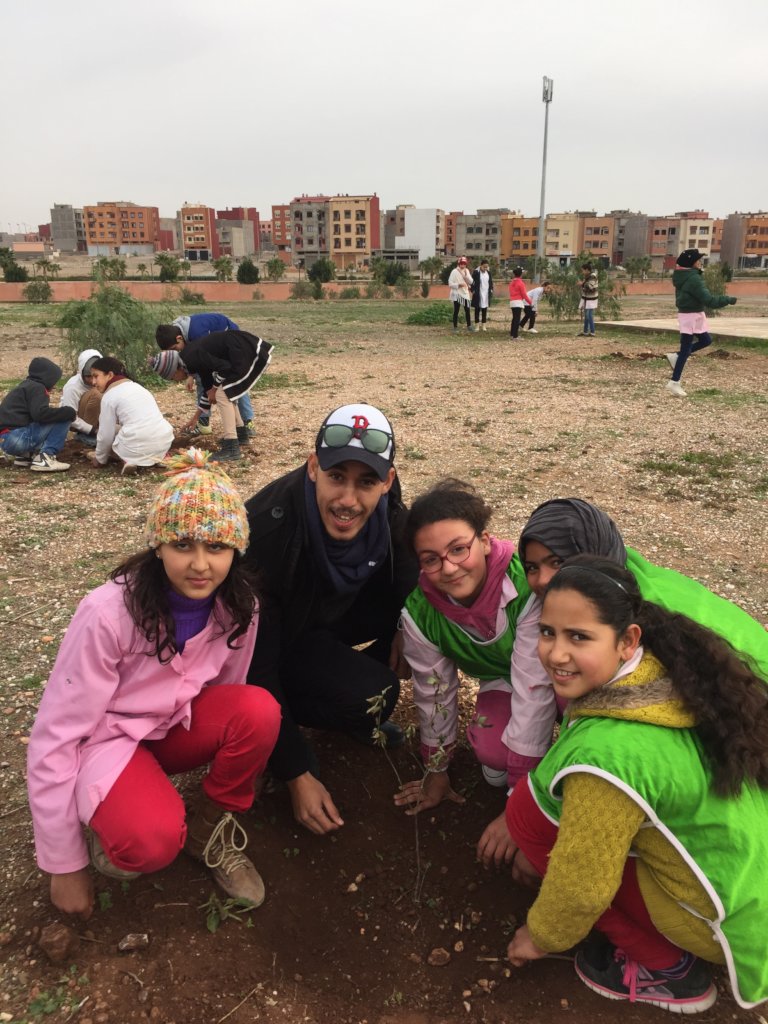
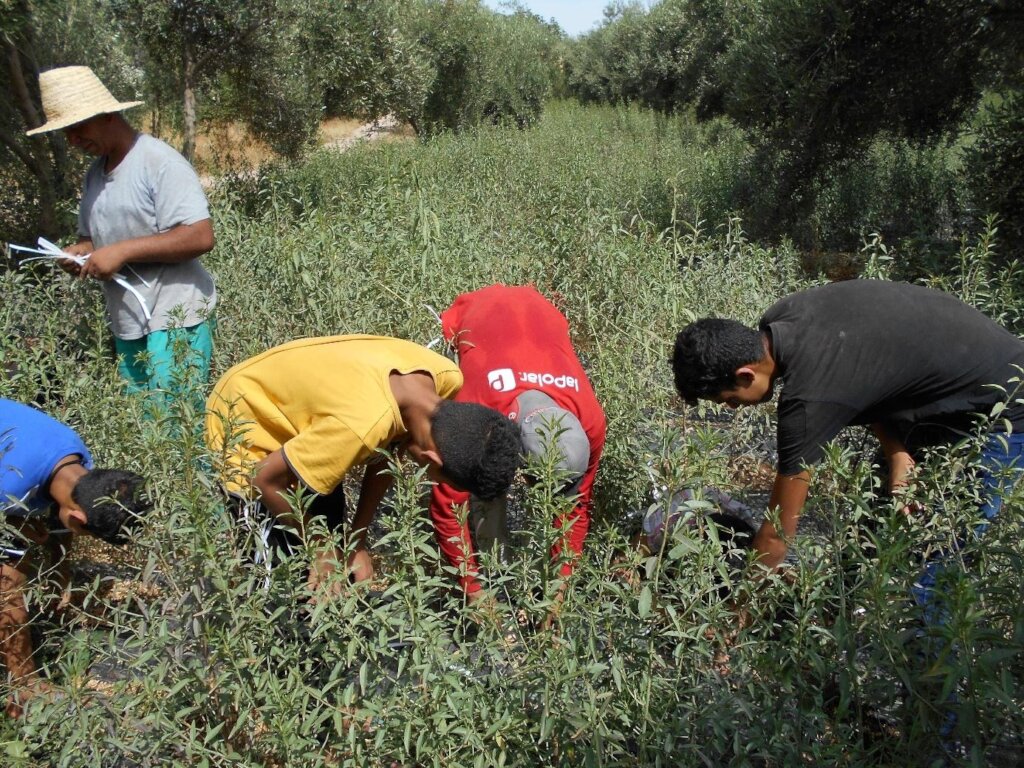
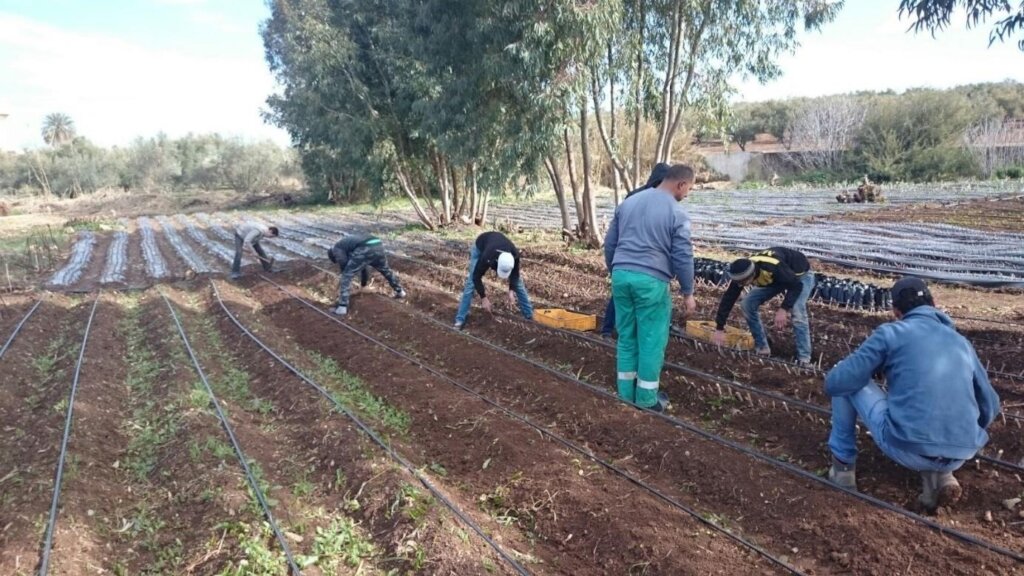
Back in the late 2010s, the High Atlas Foundation (HAF) opened tree nurseries inside child protection centers in Fez and Oujda. Aligning with HAF’s mission to connect participatory development and climate-aware farming in Morocco, the tree nurseries invited youth in CPEs to learn farming skills and care for the trees before they were sent to be planted outside the CPE in farms around Morocco, where youth saw their work come to fruition. This program established adolescent autonomy by providing teens with a consequential role to play now as well as a vision for their future with new agriculture skills. In response to the program, youth were filled with excitement about their growing trees.
Understanding why HAF’s tree nursery program was so impactful for these youth requires taking a developmental approach to understanding adolescence. Cognitively, adolescents’ brains are more capable of refuting rules from authority figures previously accepted as black-and-white and more attuned to their relationships with peers. These shifts produce normative levels of conflict with authority figures, even in the most developmentally-attuned environments. However, in many environments (like CPEs, for example), despite adolescents progressively acquiring the emotional, cognitive, and practical skills required for adulthood throughout puberty, they do not acquire the opportunities of adulthood at the same rate.
In such isolation from the “real world”, deviancy becomes a tool for teens to appear adult. In other words, although cognitive shifts of puberty may make adolescent rule-breaking somewhat normative, the expression of these shifts in particularly maladaptive forms ultimately takes shape in response to environments that isolate adolescents despite their growing need for autonomy. Adolescent integration into broader Moroccan communities must be a priority of Moroccan CPEs housing adolescents, lest they fail to effectively address adolescent deviance and support the healthy development of Morocco’s most vulnerable youth. HAF’s tree nursery program was effective in helping CPE youth because it integrated the adolescents with their communities in response to their growing need for autonomy.
Regrettably, HAF’s programs in the CPEs have since ended. Nevertheless, ANPE can invite more programs like it as officials create this new dual system by making it clear that adolescent autonomy is a top priority and a necessary step to achieving the centers’ goals in both closed and open systems. In the proposed open system, ANPE should establish clear measures of how these open systems are fostering adolescent autonomy, and then hold open systems accountable to these standards via consistent monitoring. In the closed systems, ANPE should work to implement programs via government resources or via outside organizers (like HAF, for example) that can maintain adolescent integration even as these teens are removed from their communities.
Without providing autonomy opportunities for adolescents in both the closed and open systems, child protection centers are recreating the environments that led to adolescents coming into their care. Interventions and programs that give adolescents in CPEs more autonomy are necessary to ensure money spent on CPEs is indeed addressing – rather than furthering or ignoring – adolescent deviance.
--------
Mary Roper is a fourth year student at the University of Virginia studying Youth and Social Innovation and Psychology. She is interning with the High Atlas Foundation in Marrakech, Morocco over the summer.
Project reports on GlobalGiving are posted directly to globalgiving.org by Project Leaders as they are completed, generally every 3-4 months. To protect the integrity of these documents, GlobalGiving does not alter them; therefore you may find some language or formatting issues.
If you donate to this project or have donated to this project, you can receive an email when this project posts a report. You can also subscribe for reports without donating.



Support this important cause by creating a personalized fundraising page.
Start a Fundraiser