By Nicole Kallmeyer | Writer and Researcher
Project review
The legendary Nelson Mandela once said: “Overcoming poverty is not a task of charity, it is an act of justice.” By supporting Plan’s work to alleviate poverty among children and families in Senegal, you are offering a hand up, rather than a hand-out. You are helping girls, boys, women and men realize their fundamental human rights to education, work, and a standard of living that upholds health and dignity.
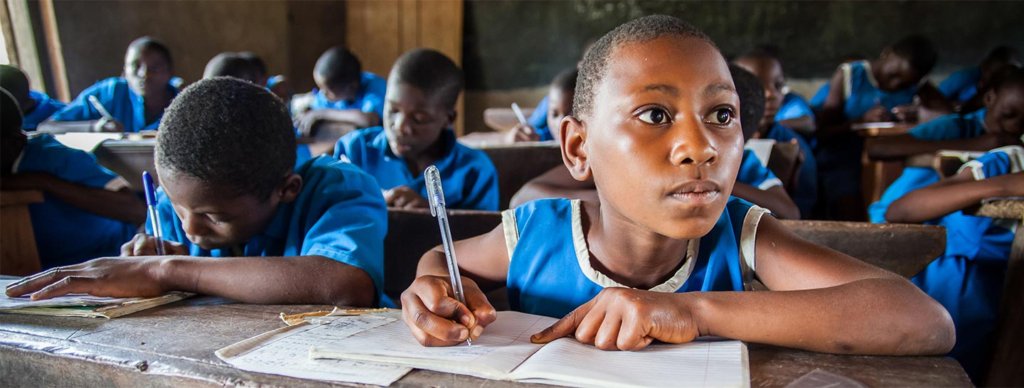
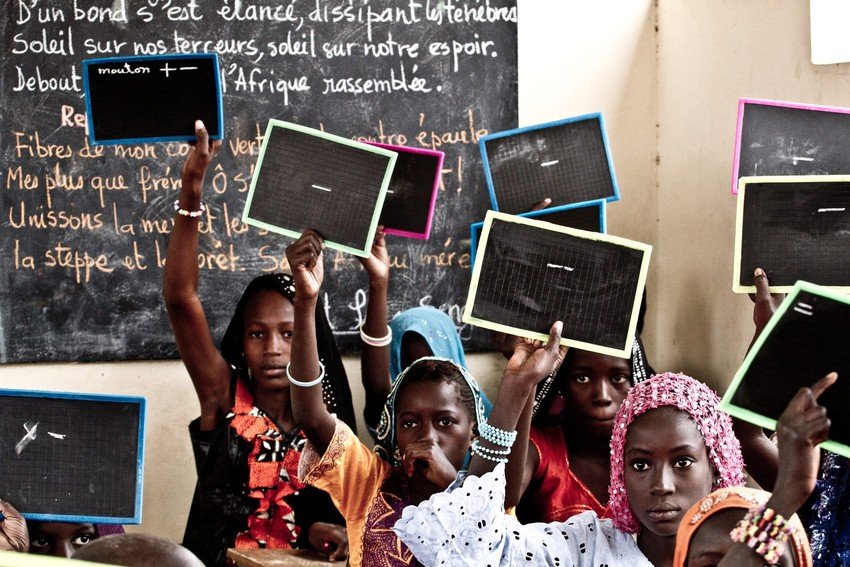
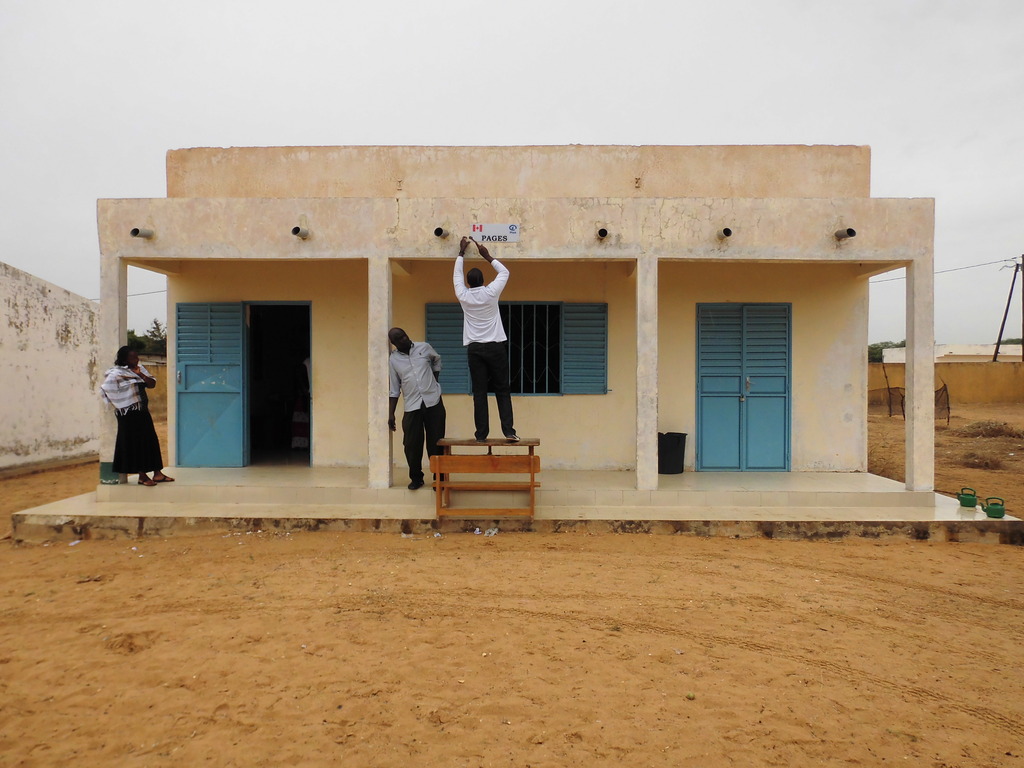
The five-year project you have supported in Senegal is now in its fourth year of implementation. Since the project’s inception, new classrooms, latrines, water points, and playgrounds have been built across 60 schools in three regions of Senegal (Thies, Saint Louis and Kaolak) to improve the quality of education and maintain high enrollment and retention rates. In addition, thousands of women are augmenting their assets and livelihoods with loans from Village Savings and Loan Associations. With greater economic security, parents are better able to support their children’s education, nutrition, and health care.
Quality education
As reported in the last project update, all new classrooms, latrines, water points, and playgrounds have been completed, thanks to your support. While new infrastructure provides the framework for academic, physical, and social development, competent and motivated teachers determine the extent to which students succeed and advance. Over the course of the project, more than 400 teachers and school directors have been trained on classroom management, school management, and leadership. The training will help teachers adopt teaching methods that incorporate principles of child-rights and gender equality, ensuring that girls and boys get equal attention and protection at school. More than 700 local government education staff have been trained on similar subjects so they can monitor and evaluate the extent to which schools are successfully integrating child rights and gender equality into their lessons and code of conduct. Mothers of students from 15 project-supported schools were also trained over the past year. By learning about gender and child rights, mothers can help monitor their children’s learning at school, and promote gender equality in their homes.
As a result of training, all 60 schools involved in the project have developed a code of ethics and regulations that are read and discussed in classes at the beginning of the school year. The code includes attitudes and behaviour that promote safe, clean, and gender-sensitive schools.
School gardens
Over the past year, nine project-supported schools began cultivating their gardens after 45 community members (including students, teachers, school directors, and village chiefs) were trained on gardening techniques. The 35 gardens that were formerly established in Year Two are continuing to flourish with communities taking ownership over their growth and maintenance. In addition to producing nutritional vegetables for the students, the gardens serve as education resources, enabling children to enhance their knowledge of science, biology, and language. Students also learn which crops are ideal for their environment, and how to cook these crops in order to optimize nutrients for healthy development. Some of the gardens’ crops are sold to generate income for school infrastructure and new gardening tools.
Building on the success of their own garden, the school management committee in Ngayene Sabakh took the initiative to support gardening activities in the six surrounding schools outside their community. This self-initiated sharing of expertise is a testament to the community’s motivation to expand the benefits of school gardens throughout the region.
Thank you
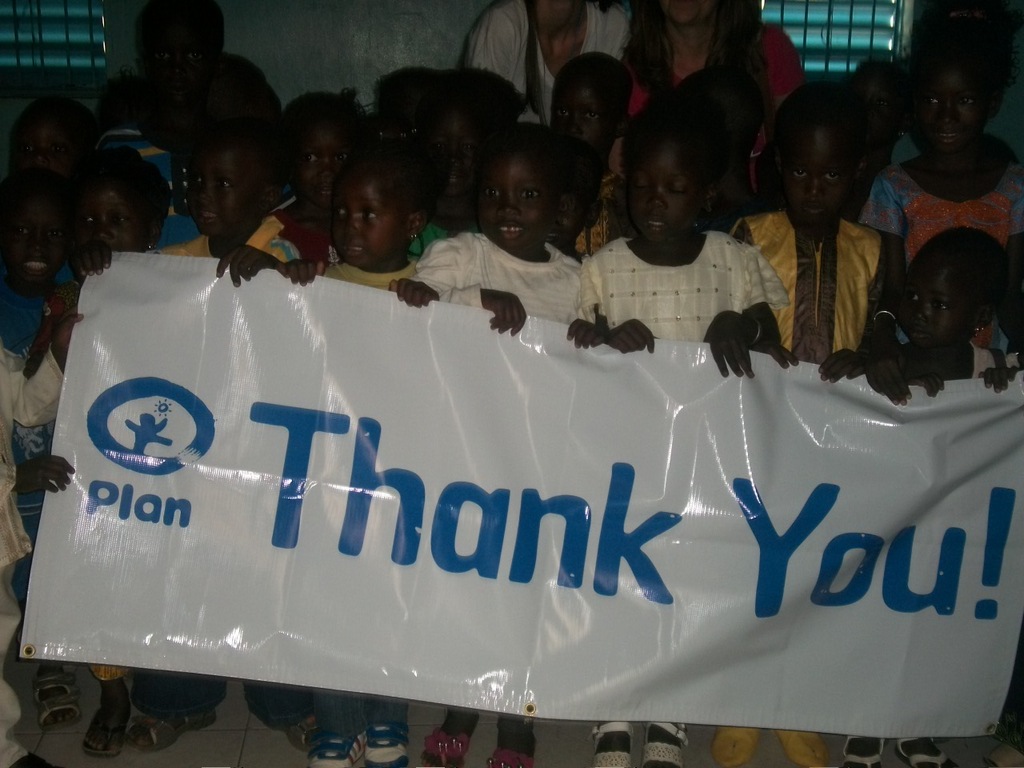
Over the past three years, Plan has worked with students, teachers and community members to create learning environments that offer quality education and protection. None of this transformational work would be possible without your generous support and concern for children and their families in Senegal.
Project reports on GlobalGiving are posted directly to globalgiving.org by Project Leaders as they are completed, generally every 3-4 months. To protect the integrity of these documents, GlobalGiving does not alter them; therefore you may find some language or formatting issues.
If you donate to this project or have donated to this project, you can receive an email when this project posts a report. You can also subscribe for reports without donating.