By Ajuda de Mae | Ajuda de Mae
BABY ROOM REPORT 2025
Academic Years 2024/2025 and 2025/2026 (1st Term)
BABY ROOM
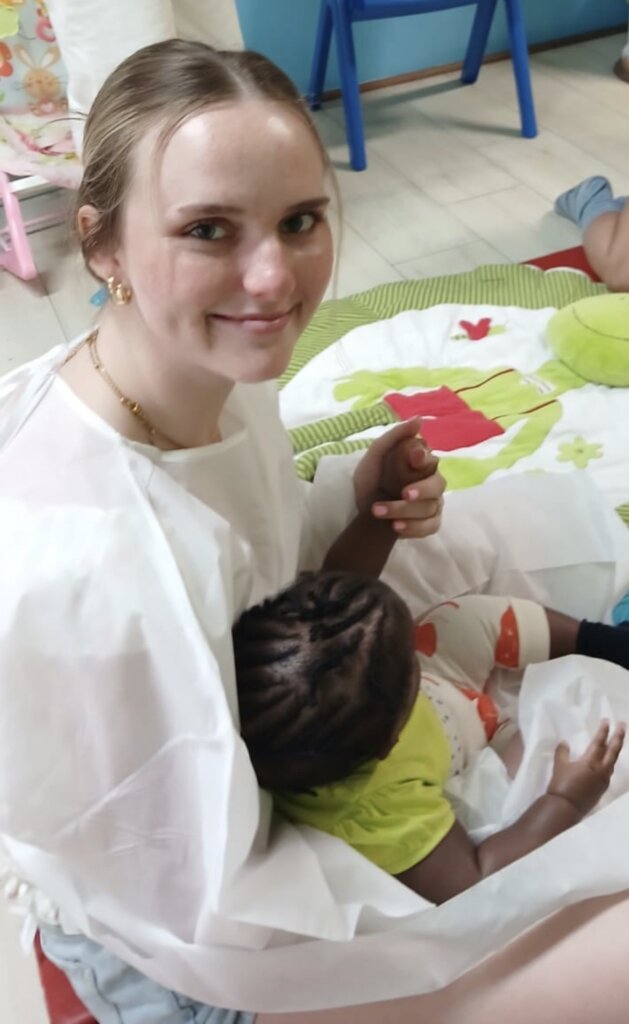
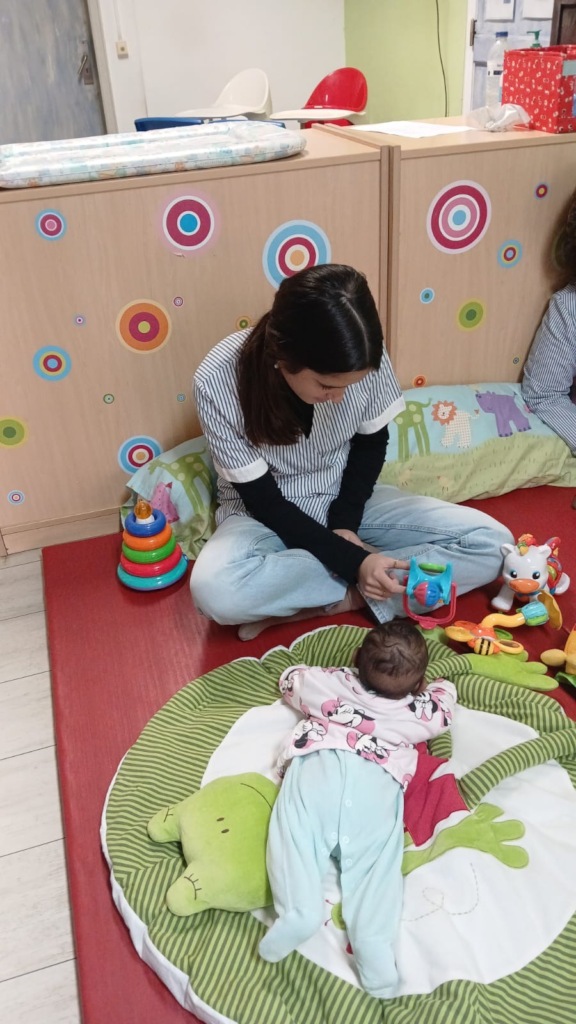
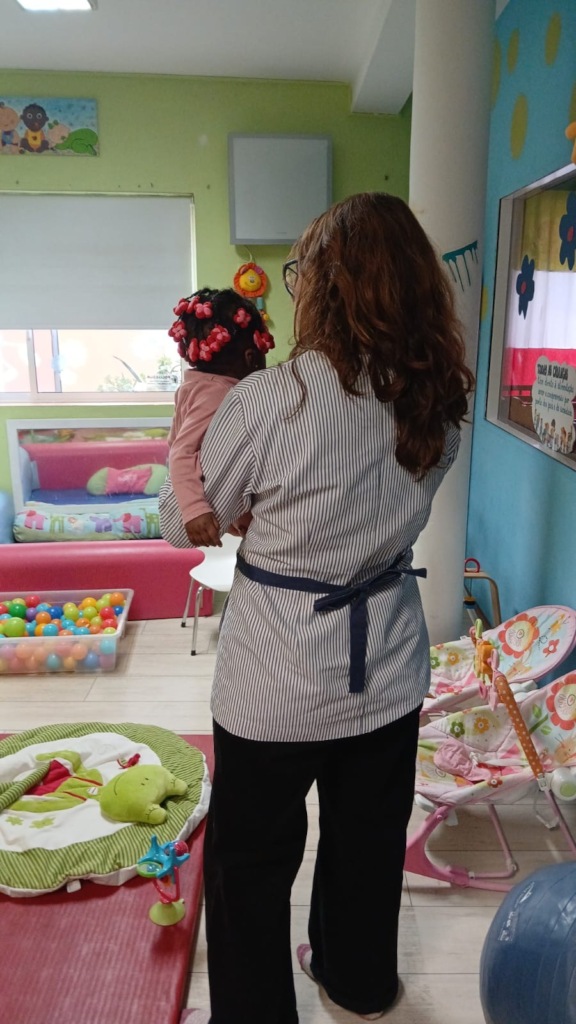
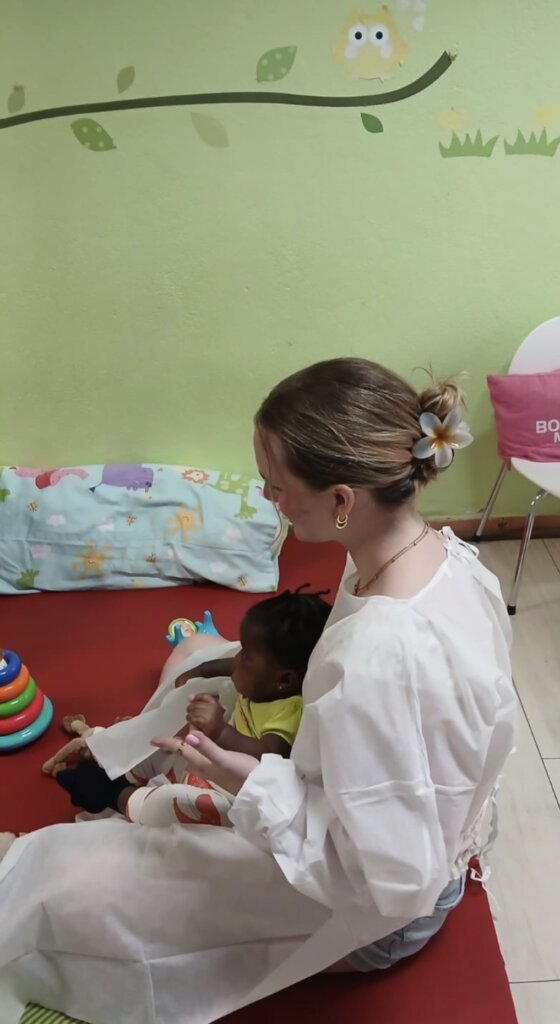
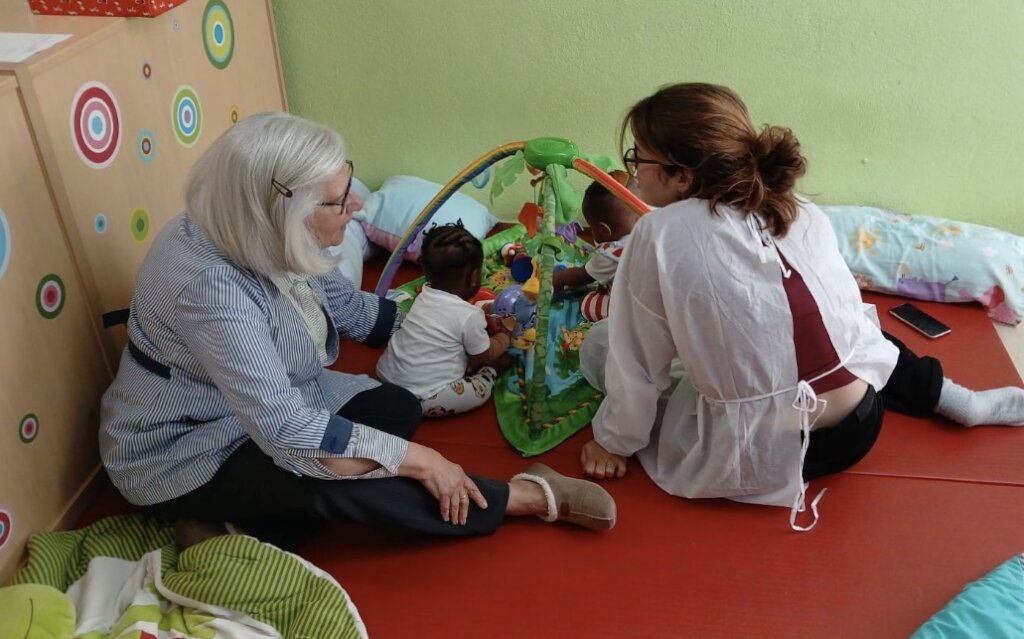
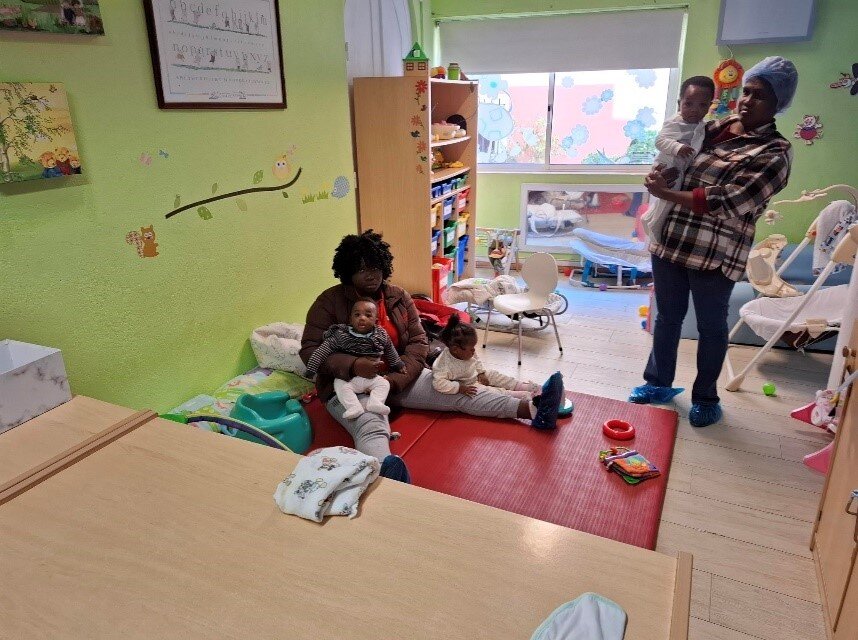
Created within the scope of the School of Mothers project of Ajuda de Mãe, the Baby Room aims to ensure the well-being, safety and healthy development of the babies of the young mothers integrated in Distance Learning.
The Baby Room is a space of care, stimulation and support, allowing mothers to attend online classes and continue their academic journey while maintaining proximity and connection with their babies.
This space also promotes:
The Baby Room operates in close articulation with the Ajuda de Mãe technical team, allowing personalized and continuous support for both mothers and babies.
ACADEMIC YEAR 2024/2025
During the 2024/2025 academic year, the Baby Room supported the babies of the students integrated in the School of Mothers project.
Throughout the school year, 9 babies were monitored, aged between newborn and 12 months.
Babies’ Ages
Age
Number of babies
Up to 3 months
4
Between 3 and 6 months
2
Between 6 and 9 months
2
Between 9 and 12 months
1
The babies remained daily in the Baby Room while their mothers attended online classes through Distance Learning.
The integration process was carried out gradually, respecting the individual needs of each baby and ensuring appropriate adaptation periods.
During this period, the following were ensured:
The Baby Room team always sought to create a safe, welcoming and emotionally stable environment, promoting the harmonious development of the babies.
BABIES’ DEVELOPMENT AND DAILY ROUTINES
Throughout the academic year, a positive evolution in the babies’ overall development was observed.
The established routines proved to be essential in promoting feelings of safety and emotional stability.
Several developmental areas were stimulated, namely:
Motor Development
Sensory Development
Cognitive Development and Language
Social and Emotional Development
The individual pace of each baby was always respected, promoting interventions adjusted to their specific needs.
MOTHERS’ PARTICIPATION AND PARENTAL SUPPORT
The proximity between the Baby Room and the mothers proved essential in strengthening the mother-baby relationship.
Throughout the school year, young mothers actively participated in several daily care moments, namely:
This close monitoring allowed the mothers to develop greater confidence in their parental skills.
The articulation between the technical team and the young mothers also enabled:
The evolution observed throughout the year demonstrated a significant increase in the mothers’ autonomy and confidence in caring for their babies.
ACADEMIC YEAR 2025/2026
In the current academic year 2025/2026, the Baby Room continues to support the children of the students integrated in the School of Mothers project.
At the present moment, 7 babies and 4 pregnant teenagers are being monitored by the institution.
Babies’ Ages
Age
Number of babies
Up to 3 months
1
Between 3 and 6 months
2
Between 6 and 9 months
1
Between 9 and 12 months
2
Over 12 months
1
The Baby Room continues to prioritize the promotion of children’s well-being through individualized and personalized support adjusted to each child’s needs.
Early stimulation activities, bonding promotion and parental support continue to be developed.
The technical team also continues to monitor the babies’ development, identifying specific needs and promoting adequate responses whenever necessary.
ACTIVITIES AND DYNAMICS DEVELOPED
During the academic years under analysis, several activities were organized with the babies and their mothers in order to promote child development and strengthen emotional bonds.
Activities Developed
These activities provided important moments of interaction, learning and emotional development.
A positive evolution was also observed in the interaction between mothers and babies, as well as in the mothers’ involvement in daily care routines.
PROPOSALS FOR IMPROVEMENT
In order to continuously improve the functioning of the Baby Room, the following proposals are considered important:
The continuity of this project remains essential to ensure the well-being of the babies and to allow young mothers to continue their academic journey with safety and stability.
Report prepared based on the structure and institutional information of the School of Mothers project of Ajuda de Mãe.2026
Project reports on GlobalGiving are posted directly to globalgiving.org by Project Leaders as they are completed, generally every 3-4 months. To protect the integrity of these documents, GlobalGiving does not alter them; therefore you may find some language or formatting issues.
If you donate to this project or have donated to this project, you can receive an email when this project posts a report. You can also subscribe for reports without donating.



Support this important cause by creating a personalized fundraising page.
Start a Fundraiser