By Cesar Pajares | Communications Coordinator
Dear Friends and Supporters,
We hope this update finds you well. In the Peruvian Amazon, the past few months have been a period of field labor, encounters, and shared achievements alongside Indigenous families and allied organizations on our path toward regeneration.
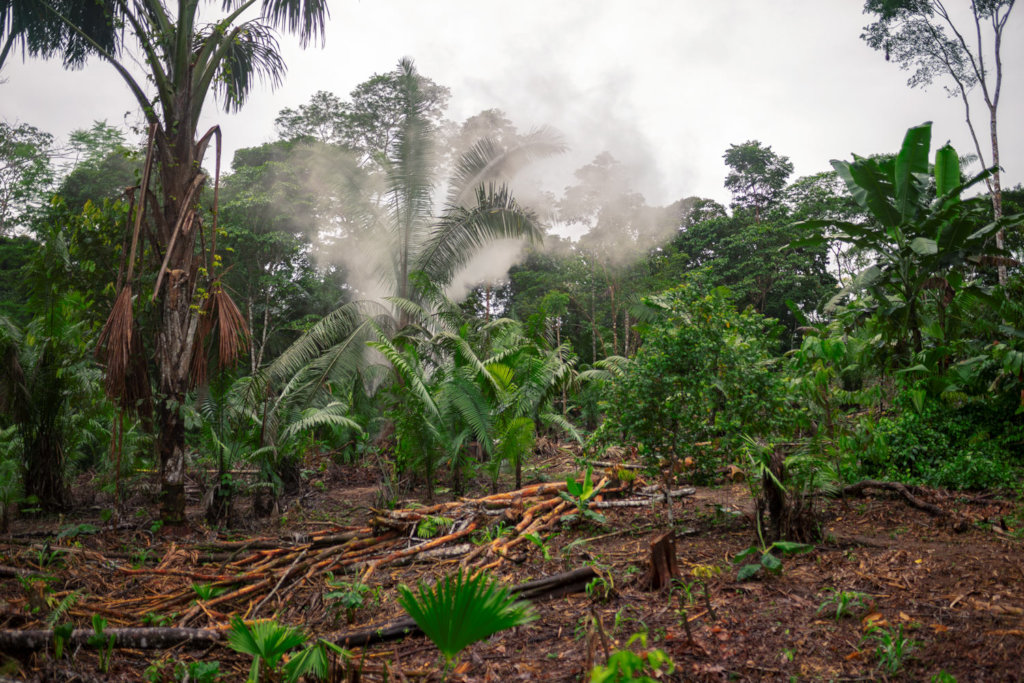
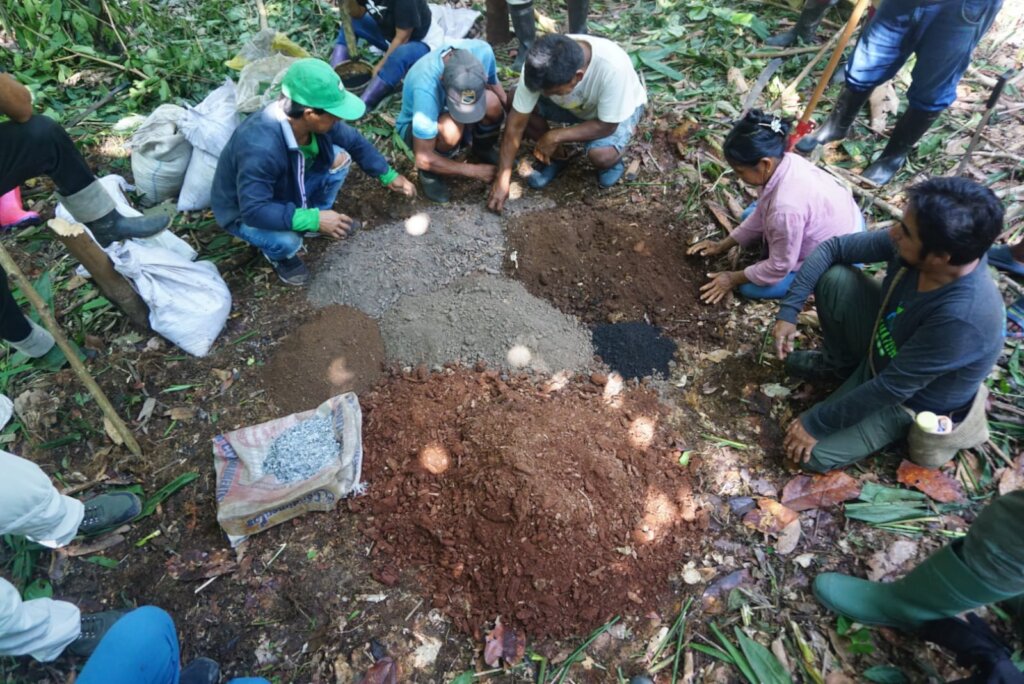
In April, we participated in creating a dynamic agroforestry plot in the Bora community of Pucaurquillo, within the Ampiyacu River basin. This gathering brought together Kukama, Maijuna, Bora, and Murui promoters for three days of work on land ceded by the local curaca to establish a demonstration plot. The main crop here is rosewood (Aniba rosaeodora), a native species that was driven near extinction last century due to high demand in the international perfumery industry. During this activity, Zauro, a promoter from Camino Verde, invited us to join in the traditional preparation of mambe; the community's curaca joined the group around the fire to share local stories and invited us to gather inside their communal maloca next time.
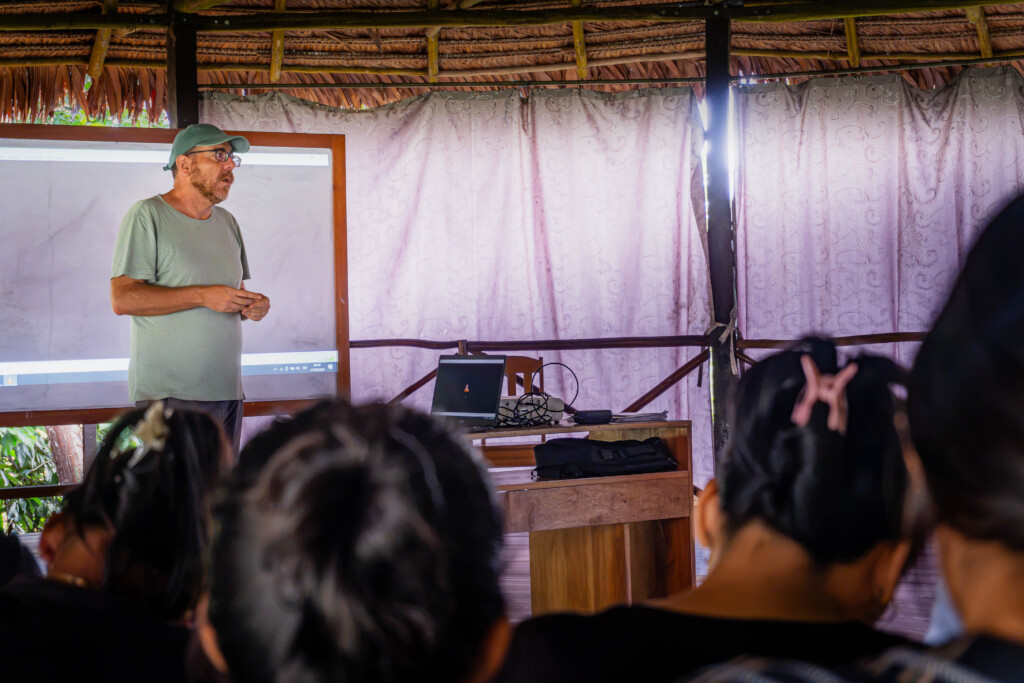
In May, we welcomed Fortunato Velázquez for a dynamic agroforestry technical assistance run, visiting different chacras across several communities alongside Chaikuni’s high-altitude pruning team. We started with a talk at our Chaikuni Permaculture Center, where he followed up on our progress and provided key recommendations for our various agroforestry plots. Right after, we headed to Pucaurquillo with Camino Verde promoters to tour the newly created plot and check on the progress of our rosewood reforestation. Upon seeing us return, the Bora curaca renewed his invitation to the maloca. That night, around the bonfire, we shared stories and songs, and we agreed to support the community in renewing their maloca. The inauguration took place in August.
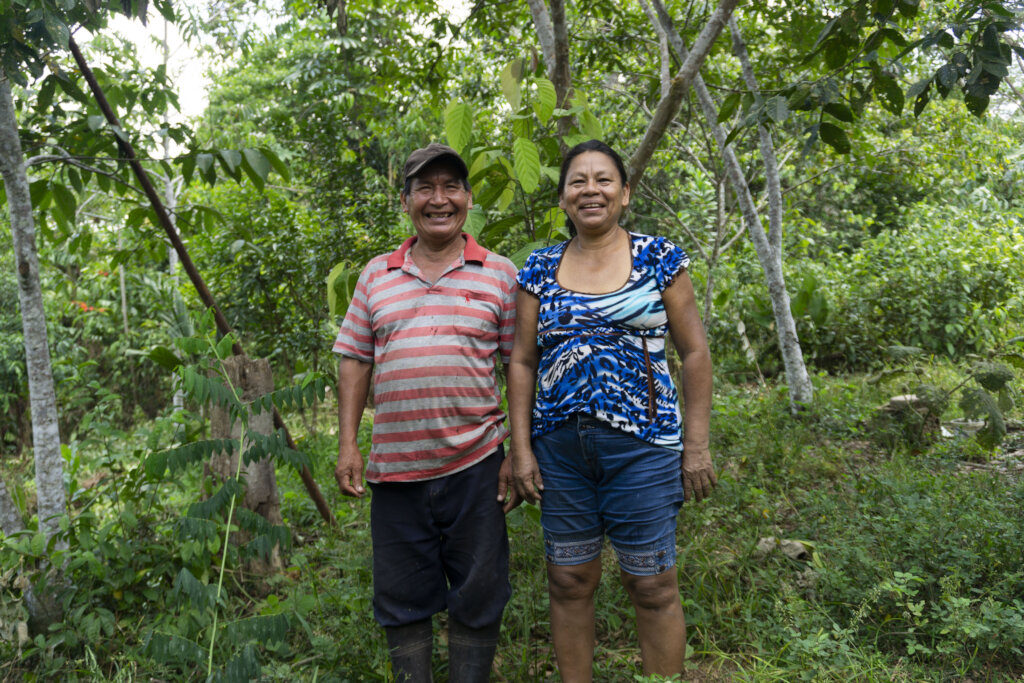
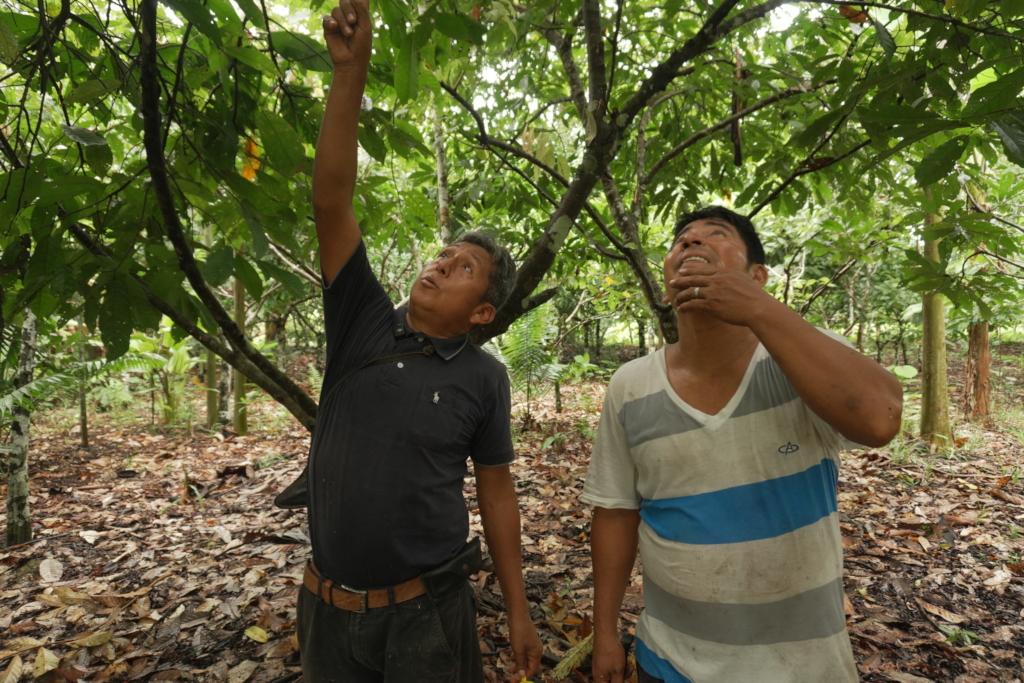
The journey continued down to the Marañón River basin, where Fortunato toured the family chacras already implementing agroforestry systems. In Shapajilla, we visited the plot of our Kukama sister Mari Luz Canaquiri, who has successfully focused her crop on cacao. In Parinari, we checked out the space managed by Emilsen and Diomedes, which focuses on macambo production. Finally, in Atenas, we visited Ronald Mori’s plot, which stood out for showing the greatest progress in agroforestry in the area.
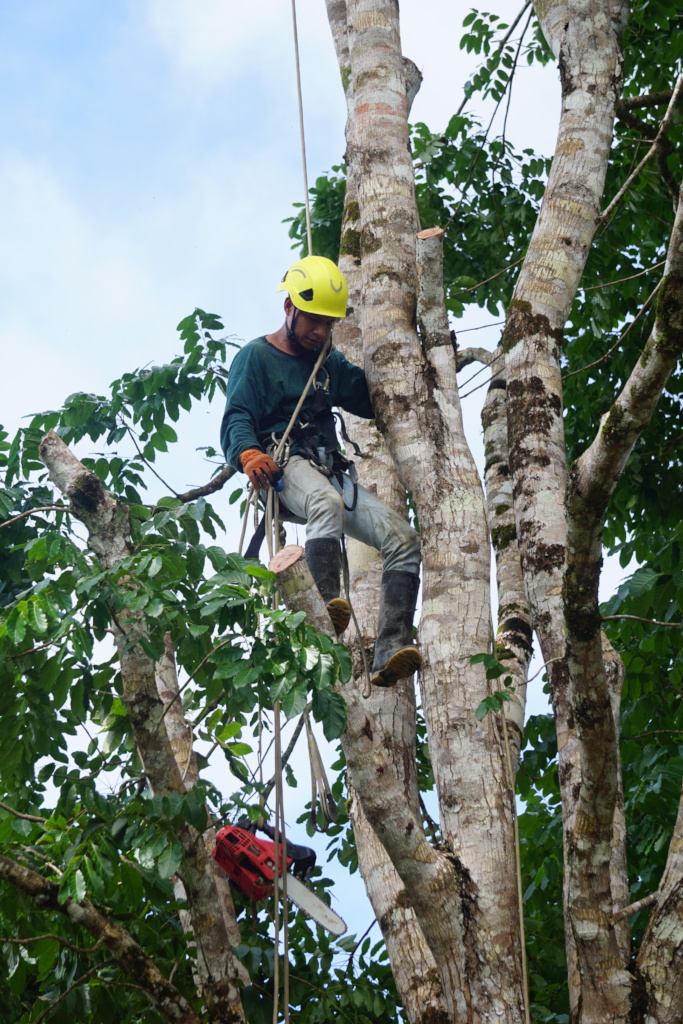
Faced with the technical need for canopy pruning, our high-altitude pruning team, Jorge Guzmán and René Padilla, climbed trees towering over 40 meters without hesitation to make the necessary management cuts. In Pucaurquillo, they worked on tornillo trees, while in the Marañón, they pruned mango and mahogany trees. The run concluded with the seminar "Regenerative Agroforestry for Amazonian Ecosystems," organized alongside the "Mi Amazonas" native plant nursery, Camino Verde, and the College of Engineers of Peru, drawing a full auditorium that reflects local interest in this sustainable alternative. It was an extensive journey spanning several days and long trips across the Amazon and Marañón rivers, but it was highly rewarding.
In June, we held the first dynamic agroforestry workshop designed for Indigenous primary education students from FORMABIAP. The workshop began with a visit to the Chaikuni Center, where students reviewed our demonstration plots, stingless native beekeeping, and our biocosmetics shop, where they were amazed by the transformation of Amazonian products. We then moved to their facilities on the outskirts of Iquitos for a collaborative design session. The youth, representing various ethnic groups, identified the native plants of their territories, promoting intercultural exchange. These workshops will continue in the coming months as they begin installing their own chacras.
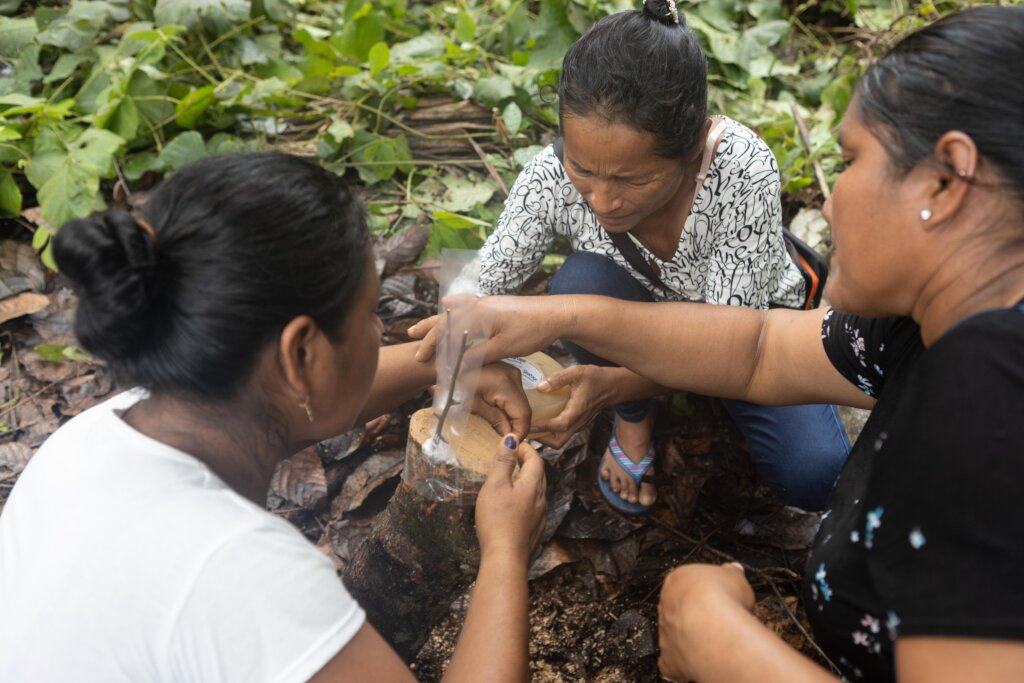
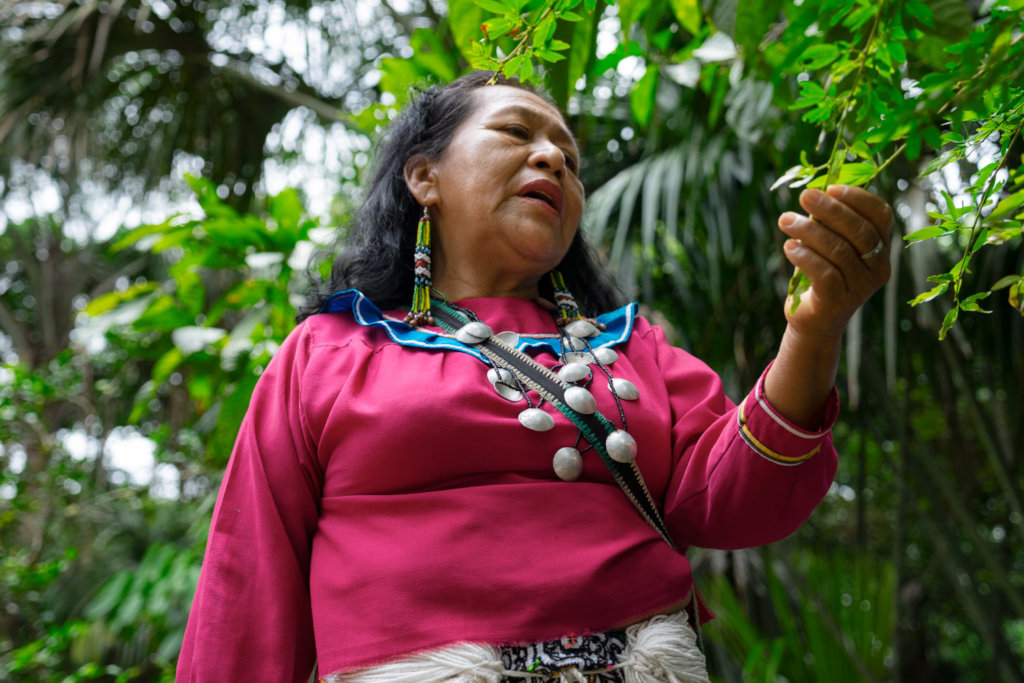
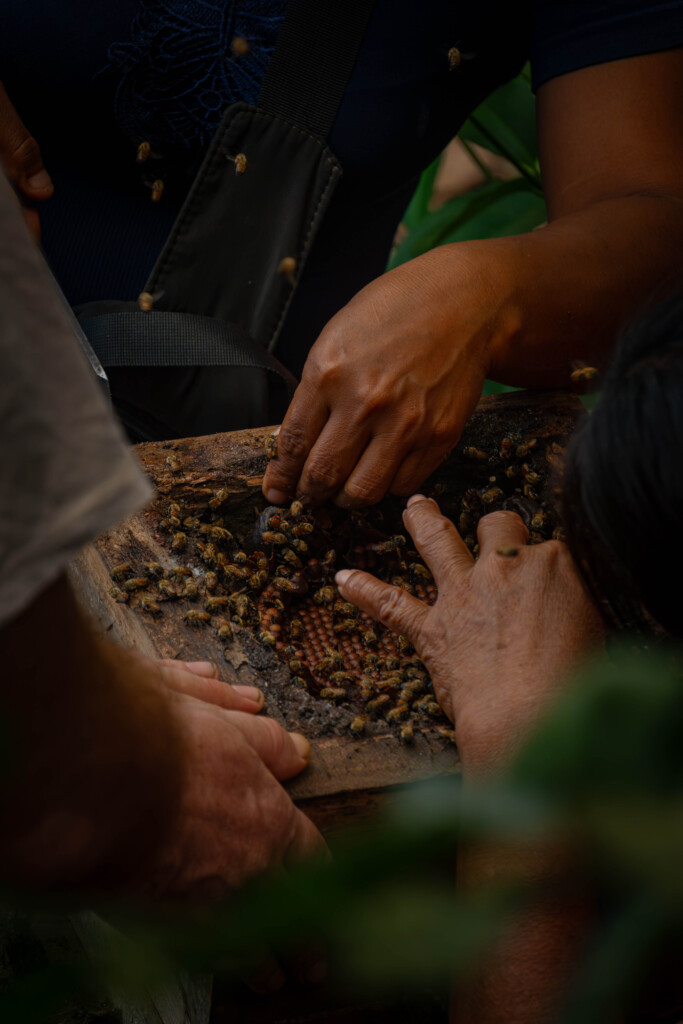
Also in June, we held a three-day training workshop for community promoters in meliponiculture. We counted on Gimena Cariajano, a young Achuar woman who was part of the Indigenous Youth Leading the Amazon's Future Project and now serves as a coordinator at One Planet, alongside support from Camino Verde. This visit also filled the Chaikuni Center with immense joy. The gathering brought together our Kukama sisters from the Huaynakana Kamatohuara Kana women's federation, along with maijuna, matsés, quichwa, bora, and murui promoters who traveled from very remote corners of the Amazon.
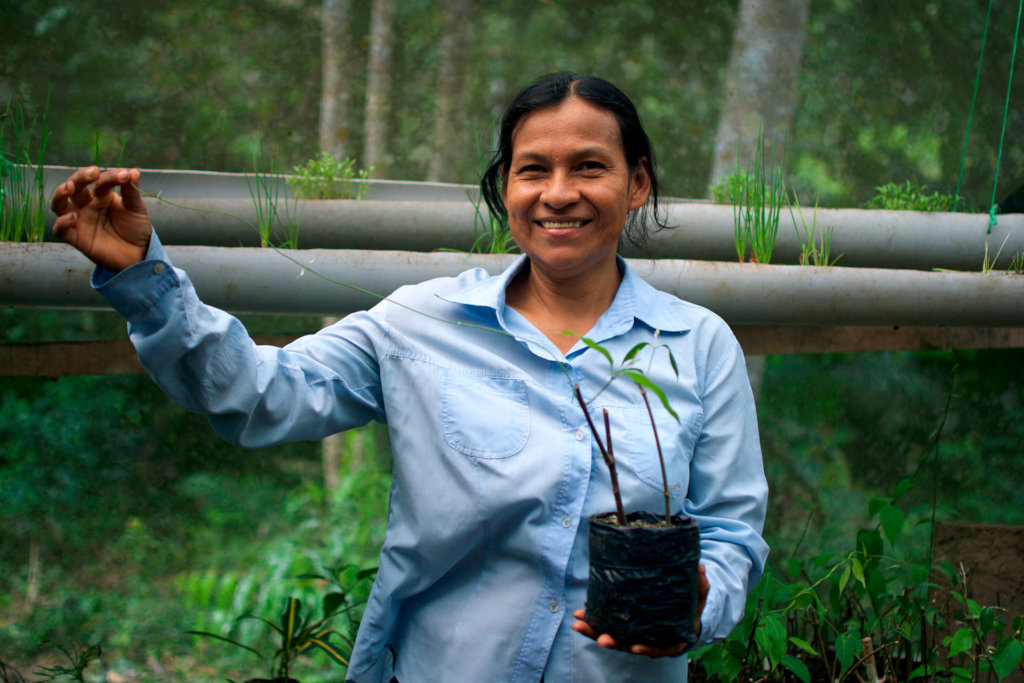
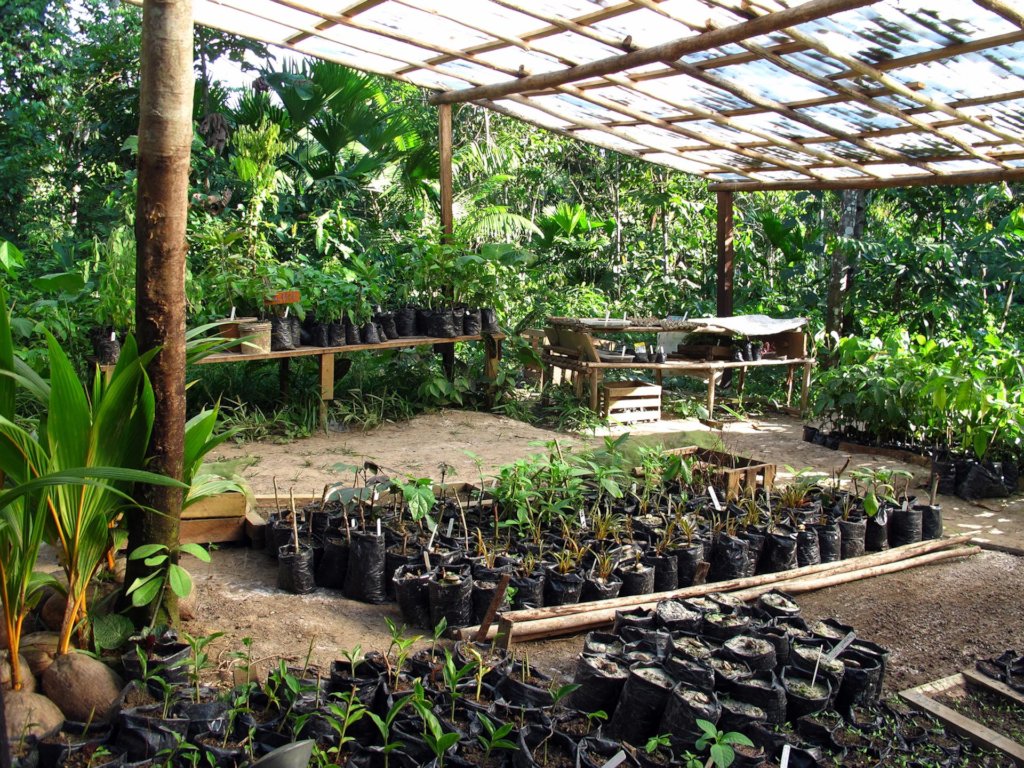
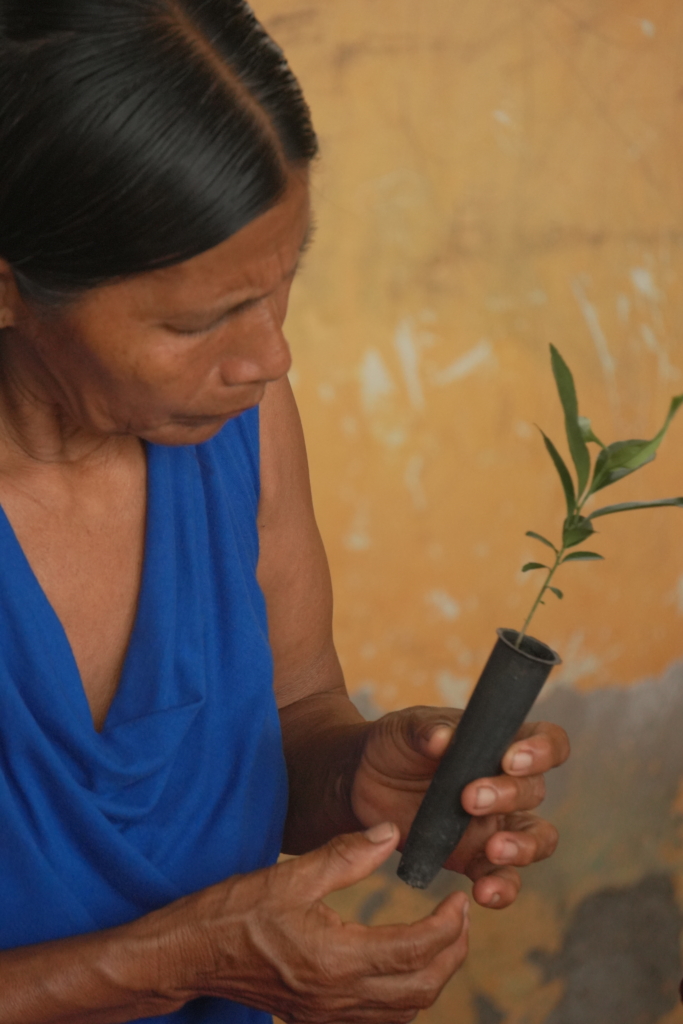
Building on this, we returned to the Marañón basin in July for field technical accompaniment visits to the communities of San Juan, Shapajilla, Tangarana, and Atenas. This run included our second technical visit to San Roque, a community that formally joined this process during the current year. In close collaboration with our ally, the "Mi Amazonas" native plant nursery, we distributed native plants such as chuchuhuasi and rosewood, while simultaneously monitoring and following up on native bee nests in each participating community.
We are deeply grateful to our partner communities, allies, and supporters around the world who make this shared path of regeneration possible.
With gratitude,
The Chaikuni Team
Links:
Project reports on GlobalGiving are posted directly to globalgiving.org by Project Leaders as they are completed, generally every 3-4 months. To protect the integrity of these documents, GlobalGiving does not alter them; therefore you may find some language or formatting issues.
If you donate to this project or have donated to this project, you can receive an email when this project posts a report. You can also subscribe for reports without donating.



Support this important cause by creating a personalized fundraising page.
Start a Fundraiser