By Aishwarya Menon | Consultant, Business Development
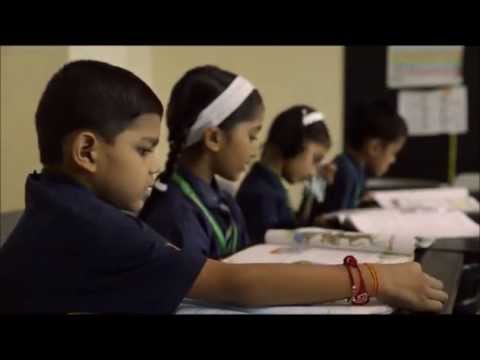
Set up in November 2016, Gati is a consortium of Atma that aims to develop and disseminate best practice and address mutual challenges in the education for persons with disabilities. As of March 2017, it is a cohort of 25 members conducting the platform through bi-monthly meetings and exposure visits, that aim to address challenges focused on the needs of specifically, students with intellectual disabilities and mental or developmental disorders.
Globally, 98% of children with disabilities do not have access to the education they need.
Relative to mainstream education, the special education sector receives little attention, even while students with special needs face often greater barriers to access and learning.
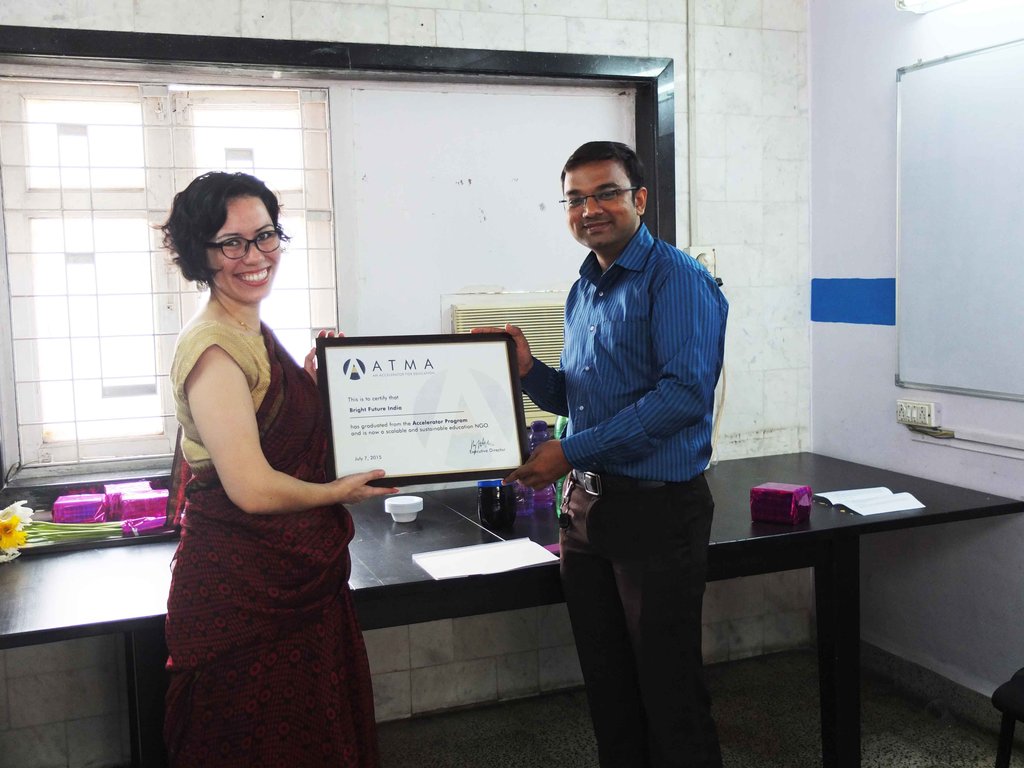
Over the last three years, Atma’s Accelerator Programme has worked with 14 organisations in the special education sector, who have collectively reached over 3500 children with special needs (CWSN). The initial four such organisations that we worked with showed excellent ability to grow and sustain their reach; these successful partnerships drove Atma to expand our work to a further ten organisations in SE.
Some common features we identified across this new cohort included:
Zooming out to the sector of players who take up education for PWD, we found evidence to support:
Overview of activities
(i) Bi-monthly meetings
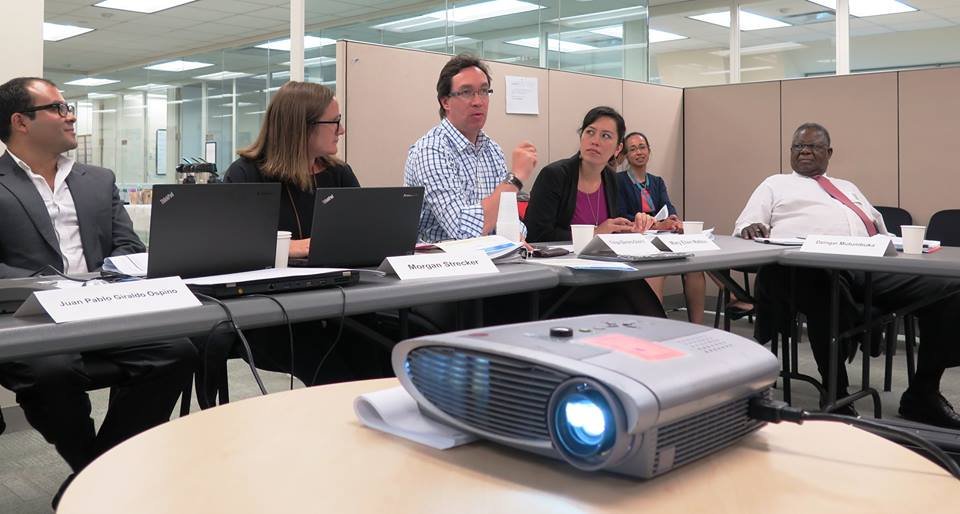
These are meant to be a prime point of interface between stakeholders involved with Gati. Organised and facilitated by Atma, each Bimonthly builds on the preceding agenda on 1-2 focus areas (of 3, mentioned earlier). The meeting focuses on showcasing best practice from players in the disability space, which is followed by a discussion on its suitability to the space and to the cohort’s organisations.
Outputs:
(ii) Exposure visits
The function of exposure visits is to allow educators to see firsthand how other educators work. Visits are organised both to sites of Consortium members and to high-income schools that operate “without” resource constraints. This will increase exposure to both local best practices and some international best practices.
Outputs:
(iii) Working groups
Working groups will be formed around key topics identified by the Consortium group. Each working group is expected to research solutions, identify locally-appropriate solutions, articulate research and recommendations in writing and/or move towards actions. Atma will aid in the writing process.
Outputs:
Project reports on GlobalGiving are posted directly to globalgiving.org by Project Leaders as they are completed, generally every 3-4 months. To protect the integrity of these documents, GlobalGiving does not alter them; therefore you may find some language or formatting issues.
If you donate to this project or have donated to this project, you can receive an email when this project posts a report. You can also subscribe for reports without donating.