By Kristine Pearson | Chief Executive
Zambian women have a rich and long tradition of women’s listening groups. After World War II, the BBC broadcast programmes of interest to women across Southern Africa, and these were especially popular in Zambia.
Today Zambian women are still keen listeners of radio programmes. However, barriers like the high levels of poverty in many rural areas coupled with the cost of batteries makes listening unaffordable to the poorest. In addition, electricity is non-existent in many places. Even in urban townships, if a family is hooked up to the grid, they may not be able to pay for electricity or a radio set.
Although rural areas are the primary destination for our Lifeplayers, which are loaded with the National Food and Nutrition Commission’s First 1,000 Days content, we have found many urban women who are just as keen to listen. To our surprise, not only did their children share the same issues of stunting as in rural areas, but mothers in urban areas are more likely to be faced with two temptations not as common in rural settings – tobacco and alcohol. Both cigarettes and alcohol, mainly beer, are readily available and cheap in townships; and both are highly detrimental to a women who is pregnant or nursing. Further, we found that urban women too had little information on nutrition and other aspects of the importance of the first 1,000 days from conception. We also met quite a few teenage mothers who had dropped out of school to have a baby and did not return to finish their education.
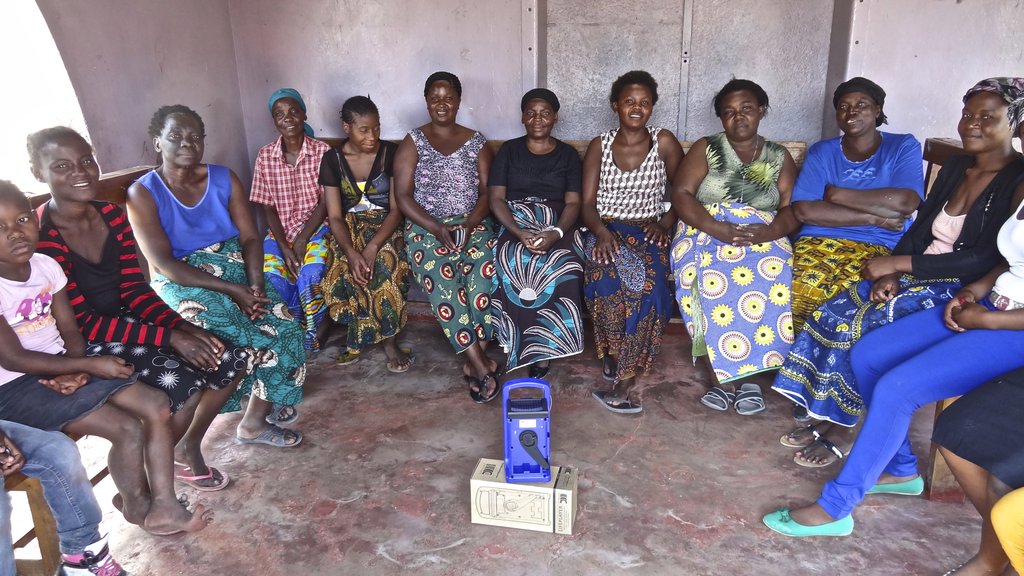
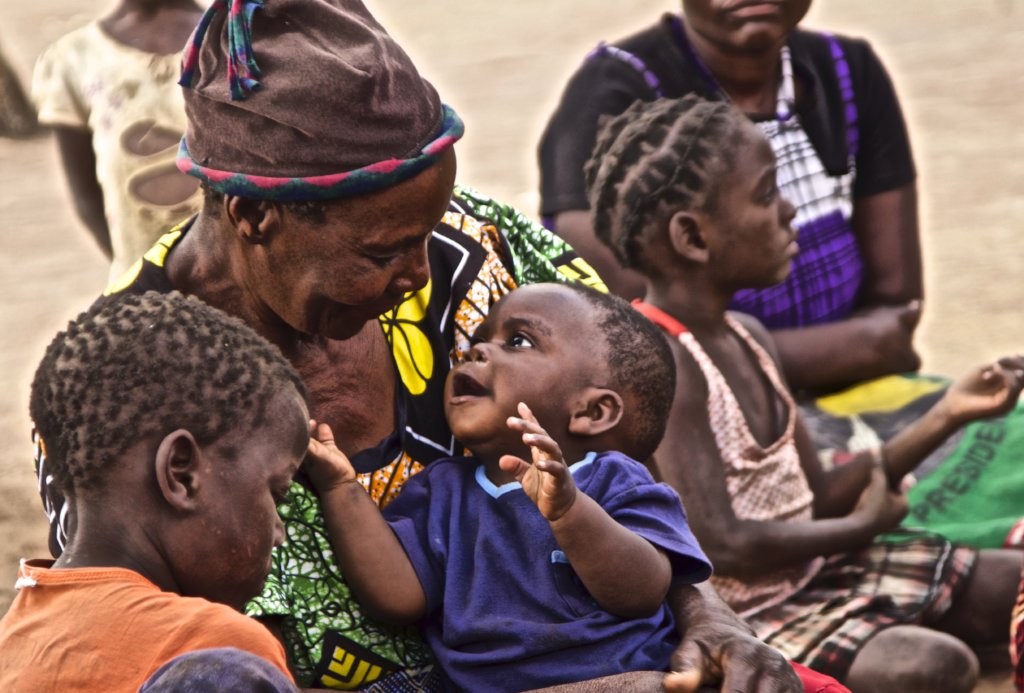
This listening group in an under-served Lusaka township comprises grannies looking after as many as eight children, and young mothers. Most of the women are looking after orphans and other vulnerable children without any government support. They told Lifeline that because the nutrition programmes were in Njanja, everyone in the group could understand them, even though it might not be their first or home language. Njanja is the most commonly spoken language in Zambia.
Eunice, the listening group leader said that they were very happy with the Lifeplayer, especially because they could meet to listen when it suited them and that they could record other radio programmes as well. “We have hard lives and have little time to learn anything new. We are happy to find new knowledge about maternal health and nutrition. Our group is mixed with young and old and we can all help each other. If we don’t help each other out, then who will? Most of us don’t have husbands and if we do, they don’t give us very much money.”
Zambia has one of the highest rates of childhood stunting in the world, due to under-nutrition, and so the education of mothers in the first 1,000 days from conception is absolutely vital. The messages that these listening groups hear focus on maternal nutrition and diet, taking iron tablets and folic acid during pregnancy, breastfeeding, using mosquito nets effectively and attending pre- and post-natal clinics, as well as encouraging healthy lifestyles.
Many more Lifeplayers are needed - and we sincerely hope that you will continue to support this initiative.
Project reports on GlobalGiving are posted directly to globalgiving.org by Project Leaders as they are completed, generally every 3-4 months. To protect the integrity of these documents, GlobalGiving does not alter them; therefore you may find some language or formatting issues.
If you donate to this project or have donated to this project, you can receive an email when this project posts a report. You can also subscribe for reports without donating.