By Karen Vollaire | Marketing and Communications Coordinator
We thought it might be helpful to give a bit of backgound information as to why Zambia has some of the highest rates of stunting in the world and why the1000 Days is truly a critical initiative.
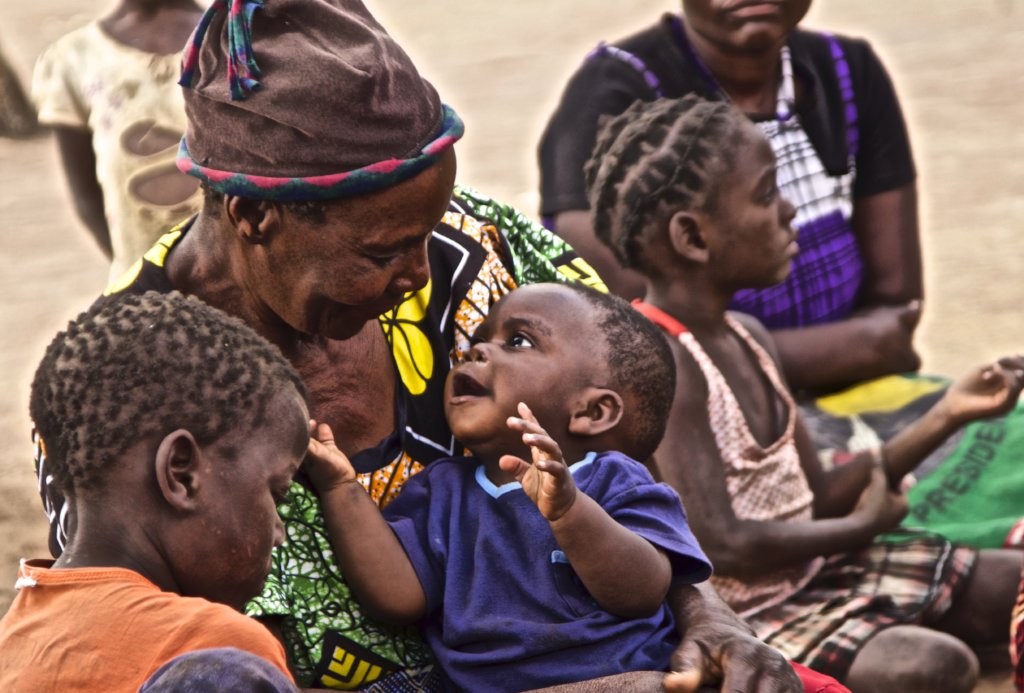
Zambia’s population is young. The median age is 16 with life expectancy for women at 54 and for men 51. Nearly 60% live in rural areas. Life in rural areas is hard. There are fewer schools and health facilities and infrastructure is less developed. Women are less likely to be educated and rates of illiteracy amongst women can be as high as 80%. The median age for first-time mothers is 19. Rural women have an average of six children each. Children are seen as a symbol of prestige.
The majority of rural women are subsistence farmers who grow mainly maize (corn). Variety is lacking in the family diet. This creates a perfect storm for stunting and under-nutrition. Micronutrient and Vitamiin A deficiencies are common, as is anaemia.
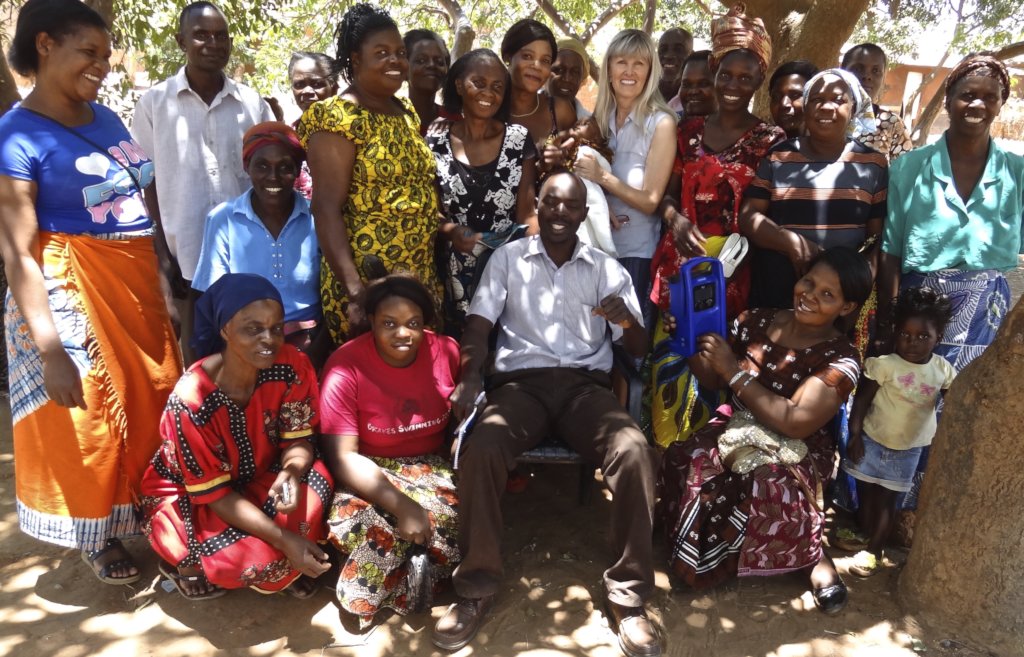
The 1000 Days of Motherhood initiative is a series of audio programmes that covers all aspects of maternal and child health and nutrition. Listener groups of mothers (and some fathers) meet weekly to listen to programmes and discuss what they’ve learned. The Bushes that Grow audio series is produced in seven local languages and in English.
NFNC are ambitiously scaling up and hoping for 300 more Lifeplayer units, according to the project lead Eustina Besa. Please continue supporting this wonderful, high-impact project.
Project reports on GlobalGiving are posted directly to globalgiving.org by Project Leaders as they are completed, generally every 3-4 months. To protect the integrity of these documents, GlobalGiving does not alter them; therefore you may find some language or formatting issues.
If you donate to this project or have donated to this project, you can receive an email when this project posts a report. You can also subscribe for reports without donating.