By Yu Jung Ho | Art Therapist
When I first met Lyam, he was a six-year-old boy on the autism spectrum who was unable to communicate through speech. He looked adorable, but his behaviors were often difficult for others to understand. If something did not happen the way he expected, he might cry loudly or hide under a table.
Restricted Play and Behaviour
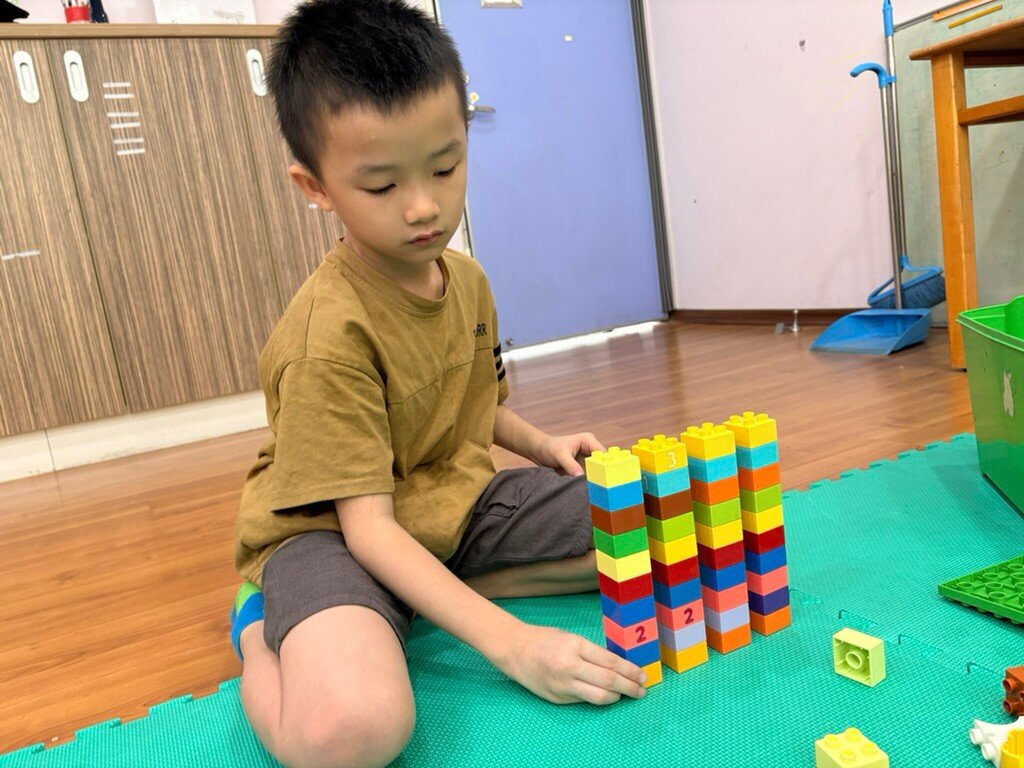
During the early art therapy sessions, Lyam repeated the same pattern over and over. He carefully built a tall tower with Duplo blocks, then quickly tore it apart, almost as if he believed he would be punished for leaving it standing. Sometimes he carried the tower beneath the table and hid with it.
For weeks, the same routine went on and the sessions with Lyam were not easy. Along the way, Lyam communicated in his own way such as pretending to cry, rocking his body, and repeatedly putting his shoes on and taking them off.
Feeling Safer Through Respect
As the sessions continued, I gradually learned more about his family. Lyam's parents were still figuring out the best ways to guide him, so their responses could sometimes differ. As a result, I focused on providing a more consistent and predictable experience during therapy.
When Lyam hid beneath the table, I did not immediately approach or ask him to come out. Instead, I gently called his name and playfully looked in other places first, allowing him to decide when he was ready to come out.
During play, Lyam repeatedly built the same tall tower, despite having many different blocks to choose from. Instead of asking him to change, I quietly built my own tower nearby, respecting his pace while gently introducing new possibilities. Over time, Lyam became willing to tidy up the blocks when the eight-minute alarm rang and moved on to another creative activity.
More Adventurous Play
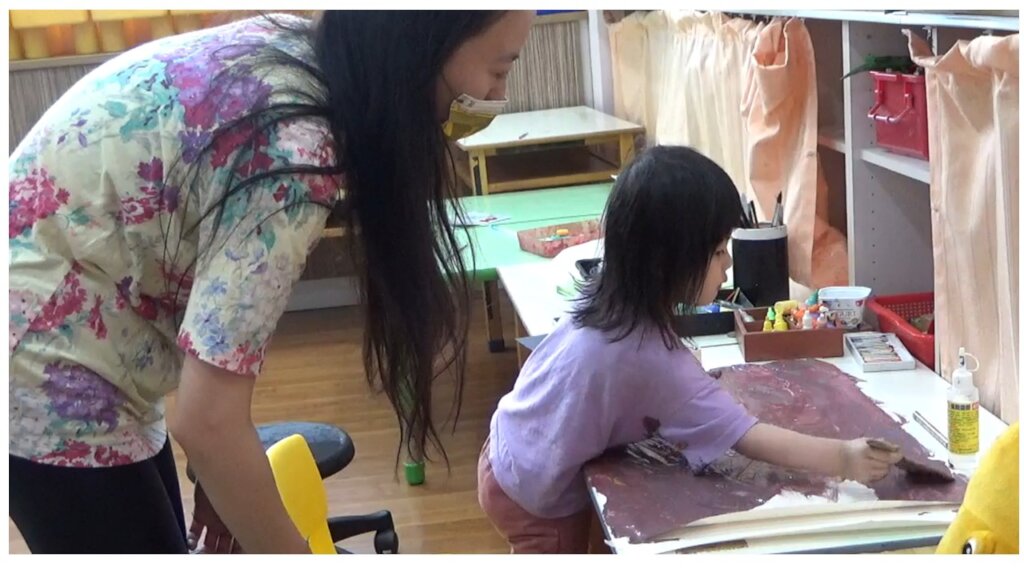
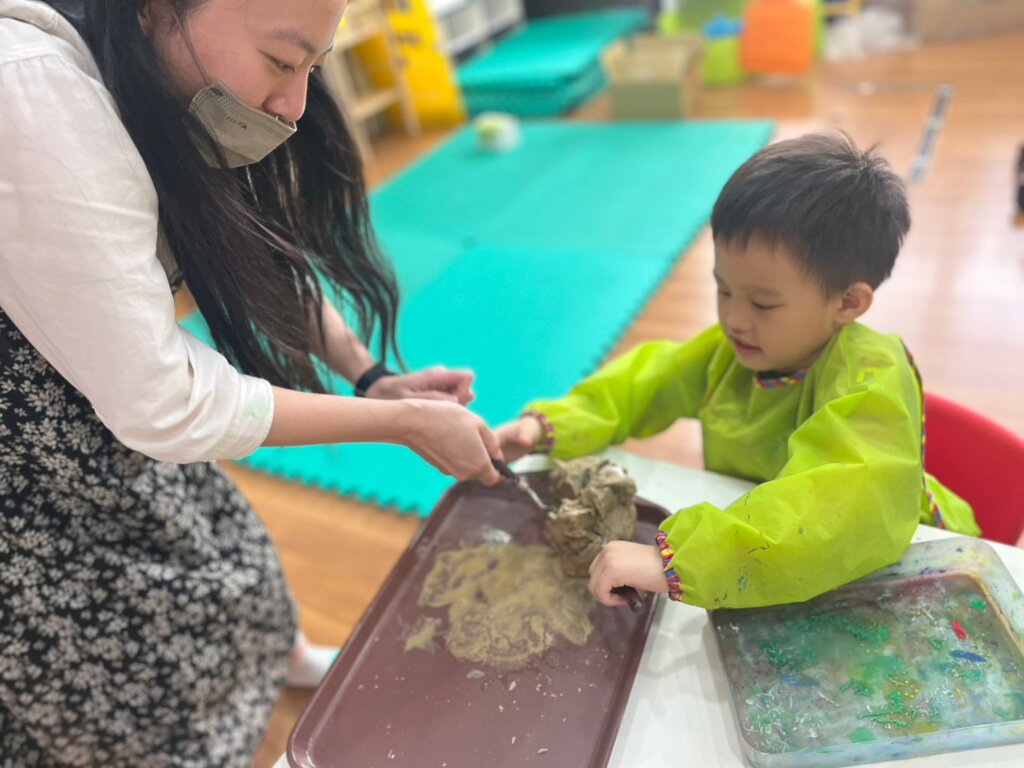
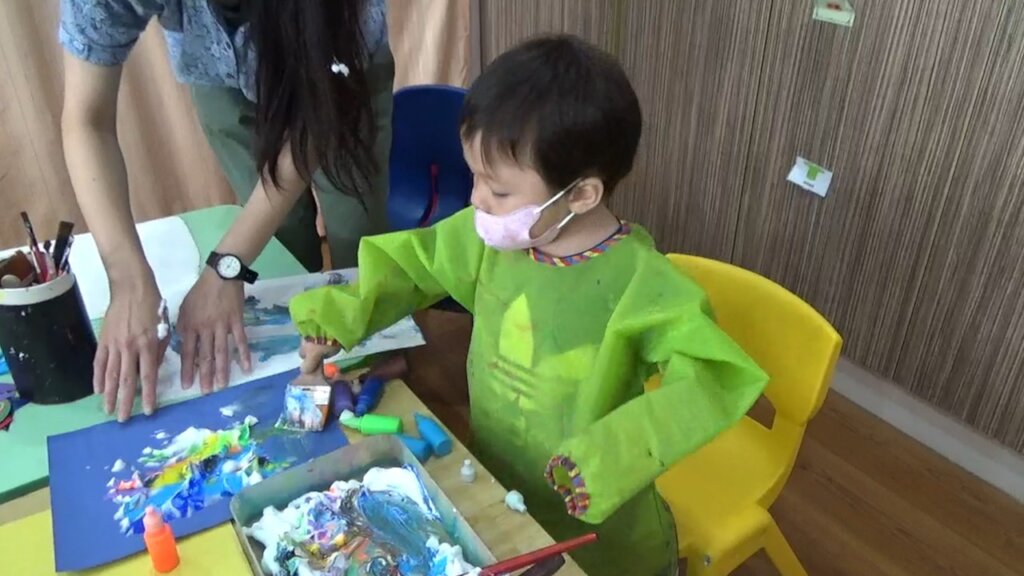
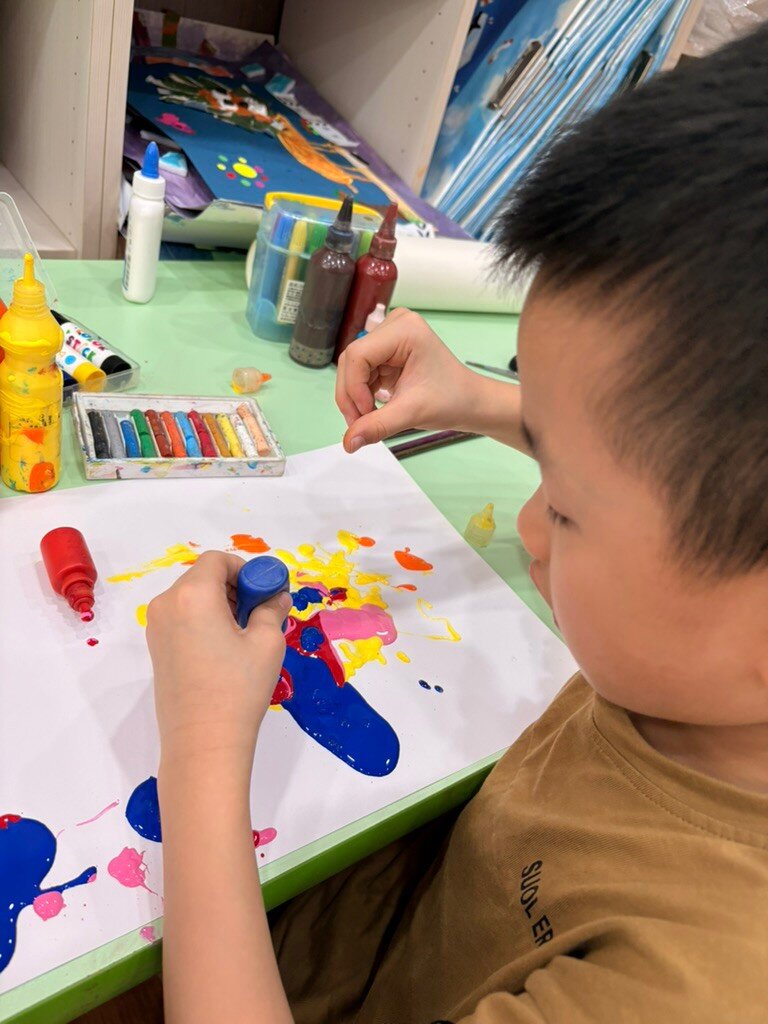
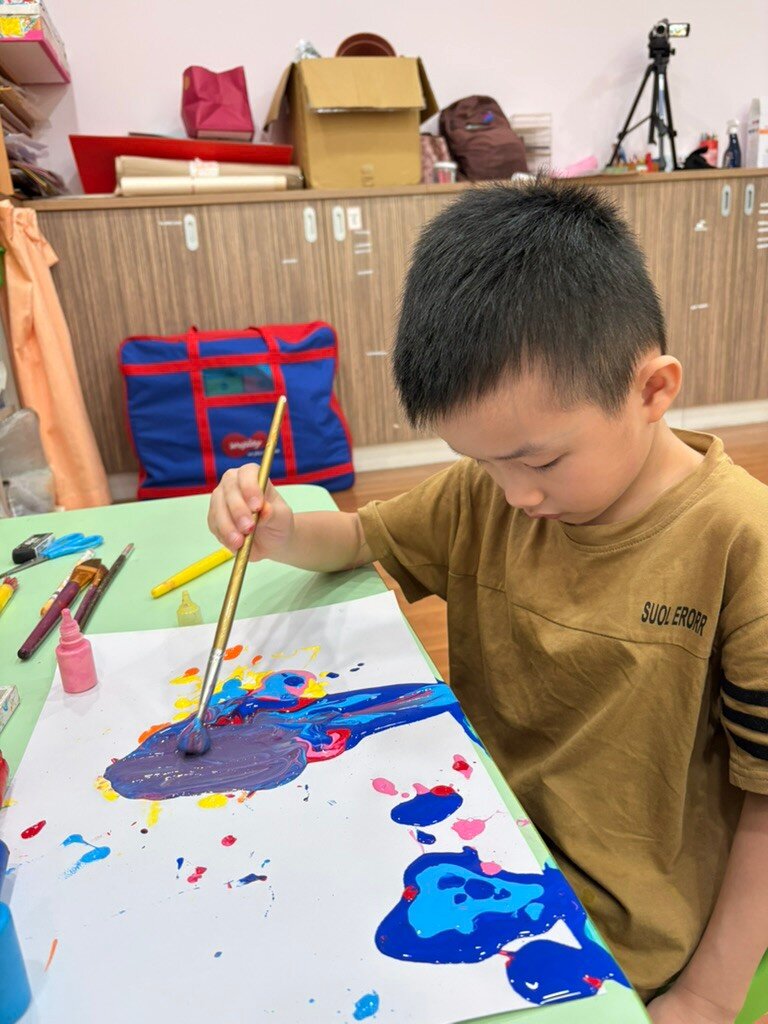
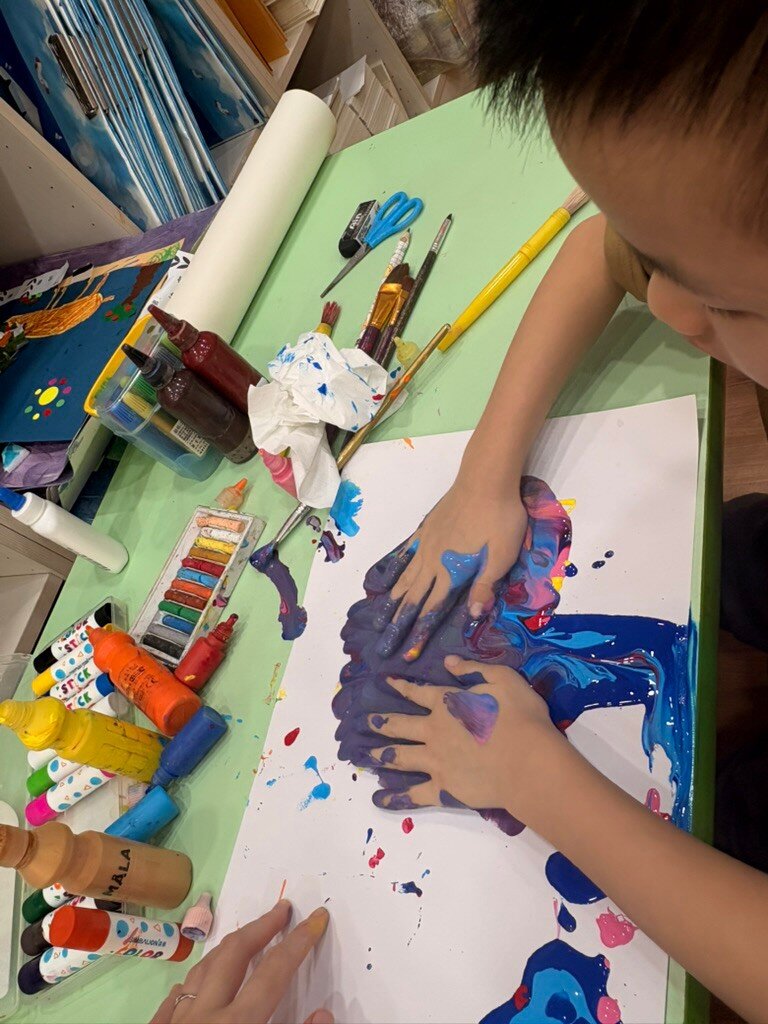
During the final third of the program, something began to change. Lyam reached for watercolor. As he painted, he appeared calmer and happier, even if the paint is unpredictable. The child who had once hidden beneath the table now seemed to feel safe enough to create something new. Progress like this rarely happens overnight. It grows through patience and a therapeutic relationship in which a child can gradually trust. Your support makes it possible for children like Lyam to experience these moments of growth.
Links:
Project reports on GlobalGiving are posted directly to globalgiving.org by Project Leaders as they are completed, generally every 3-4 months. To protect the integrity of these documents, GlobalGiving does not alter them; therefore you may find some language or formatting issues.
If you donate to this project or have donated to this project, you can receive an email when this project posts a report. You can also subscribe for reports without donating.



Support this important cause by creating a personalized fundraising page.
Start a Fundraiser