By Roberta Ward Smiley | CEO and Founder
Happy New Year, 2015! Thank you all for you generous support this past year. We look forward to serving you and our community again this year and have launched our new website at www.lrff.org for a start so please go check it out.
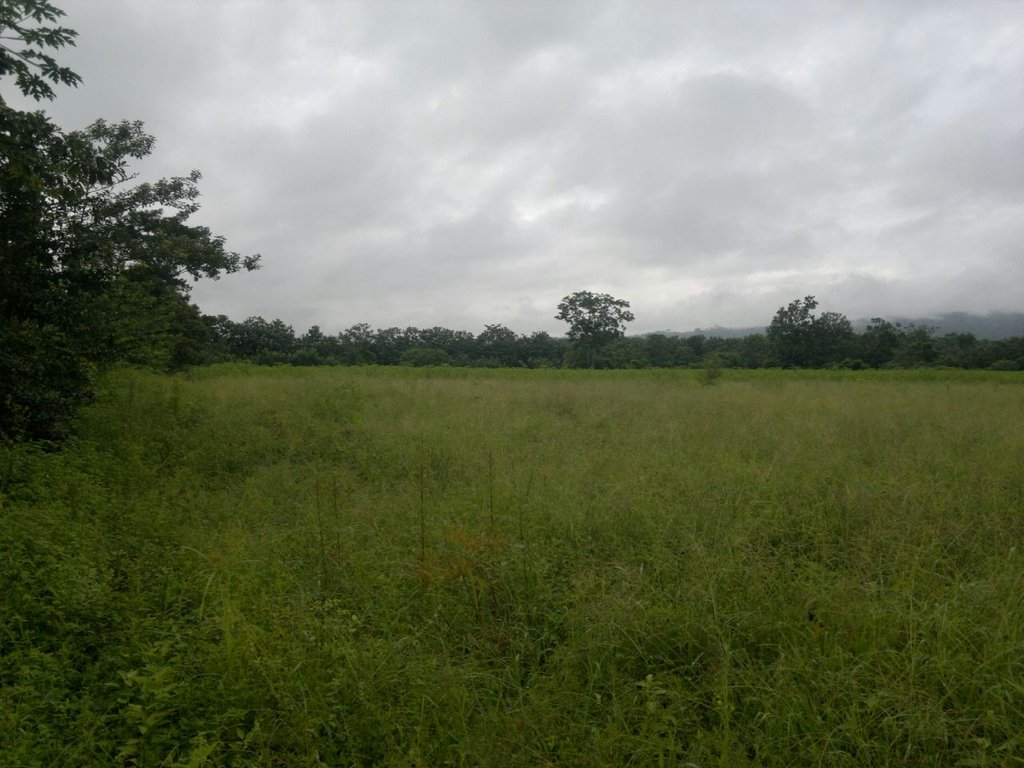
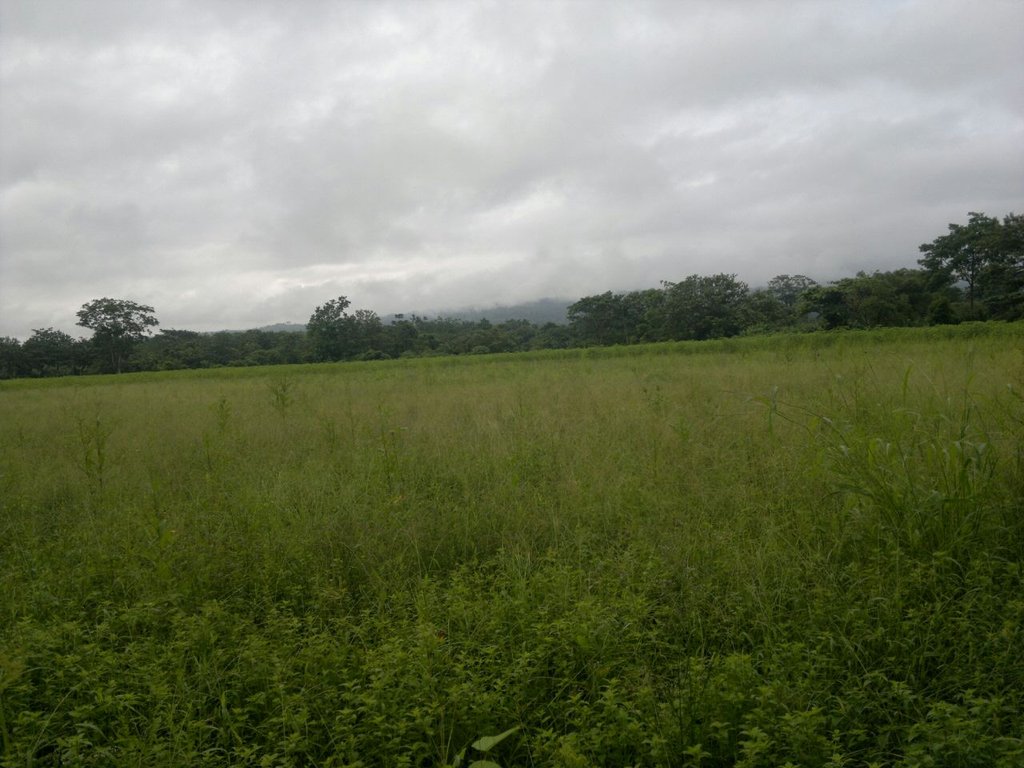
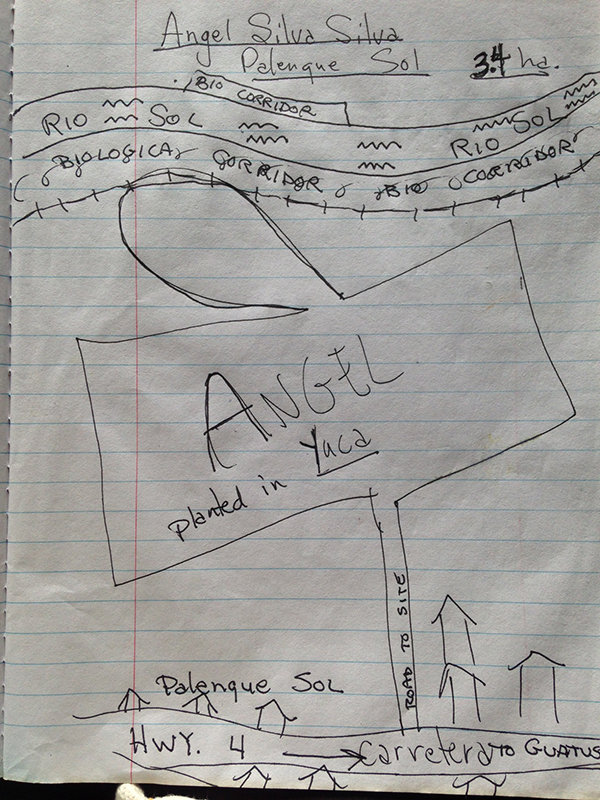
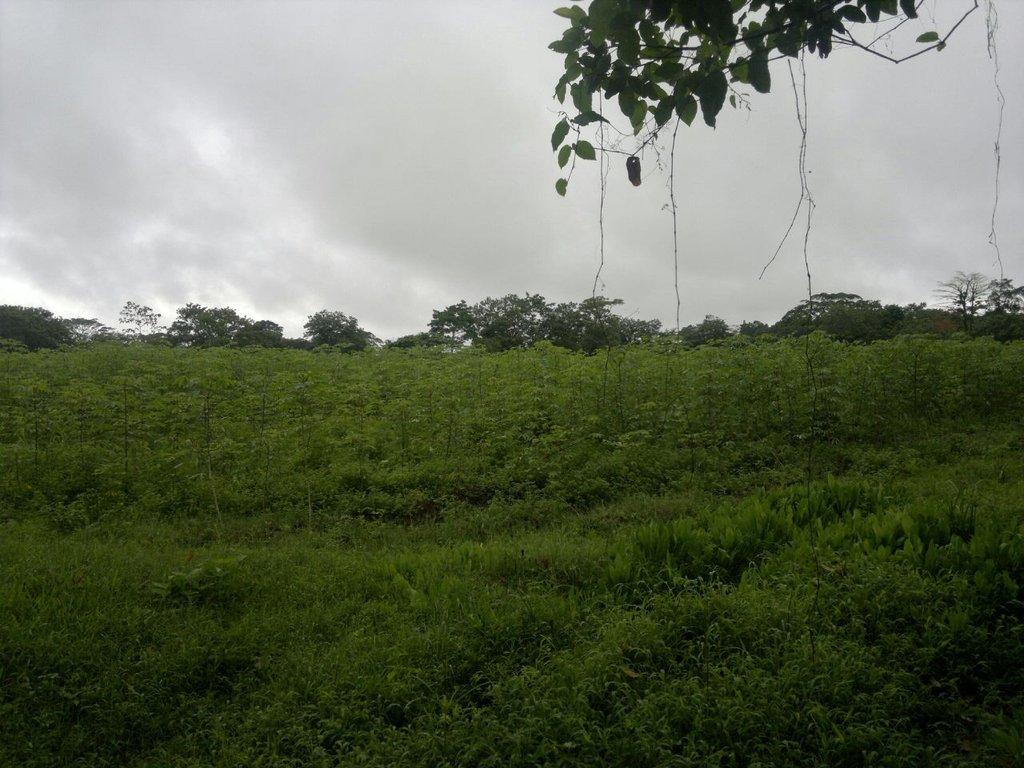
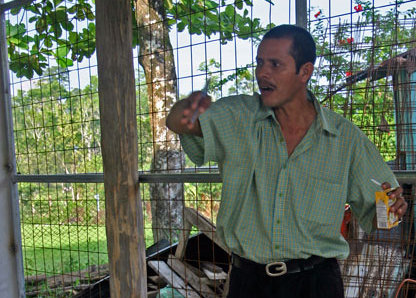
Just to give you an idea of some of the native fruits LRFF will plant with Angel Silva in his project, “Angel’s Fruit Forest” I decided to make this progress report an enticement, in the way of tropical fruits, to really get the juices (funds) flowing J This is such a great project and we’re hoping to plant it this year making it possible to begin harvesting some of the faster maturing varieties in two years, 2017. Be sure to see all of the photos of the different fruits for mouth-watering enticement. You might want to jump into some of these pics.
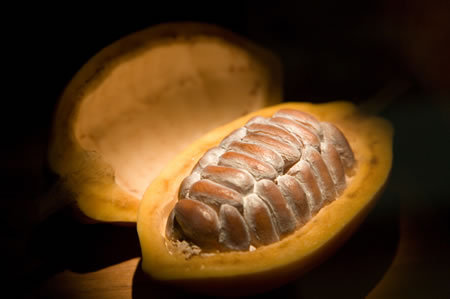
Angel already has over 1000 native cacao (chocolate) trees that will be planted in the project and the sooner the better because they’ve been sitting for more that a year now and getting root bound in their nursery bags. The Maleku use cacao as a sacred part of their ceremonies and drink it unsweetened. The pods are collected and a few of the seeds can be removed and eaten raw but not too many or you’ll be sorry later. Chocolate is used medicinally externally and consumed, YUM.
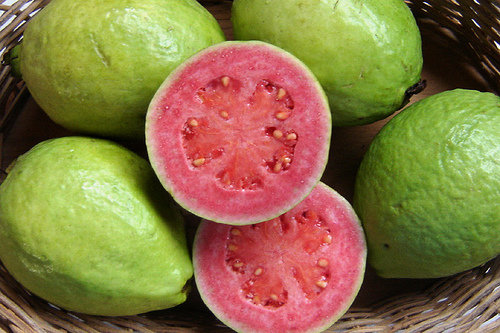
Guava, Guayaba in Spanish, is also used medicinally and the fruit eaten in a variety of ways. The leaves are used for medicine and we plant a lot of these already in our projects. In Costa Rica the fruit is used in jams, juices, sauces and eaten whole. The wildlife are crazy about them as well, birds, monkeys, squirrels, insects…
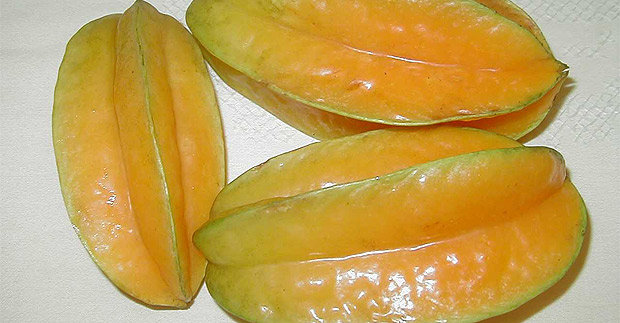
Star Fruit, Carambola in Spanish, is a small, bushy tree. The fruits are delicious and beautiful. The fruit is sour and acidic and it is used in natural drinks and cut crosswise makes a lovely garnish.
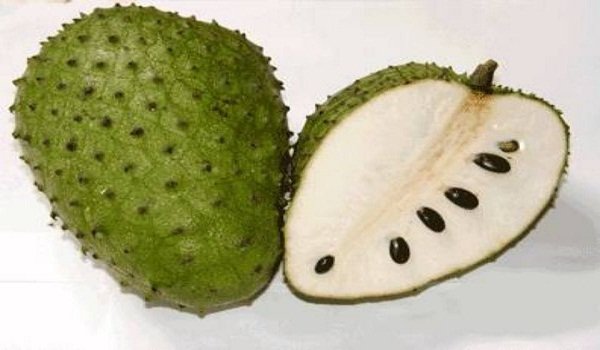
Soursop, Guanabana in Spanish, is a funny looking fruit that sprouts out of the trunk of the tree like cacao. The skin is bumpy and leathery but inside is the most luscious flesh you can imagine, creamy, white with large black seeds. Medicine made from the leaves and fruit is said to be 10,000 times more powerful in the treatment of cancer than chemotherapy.
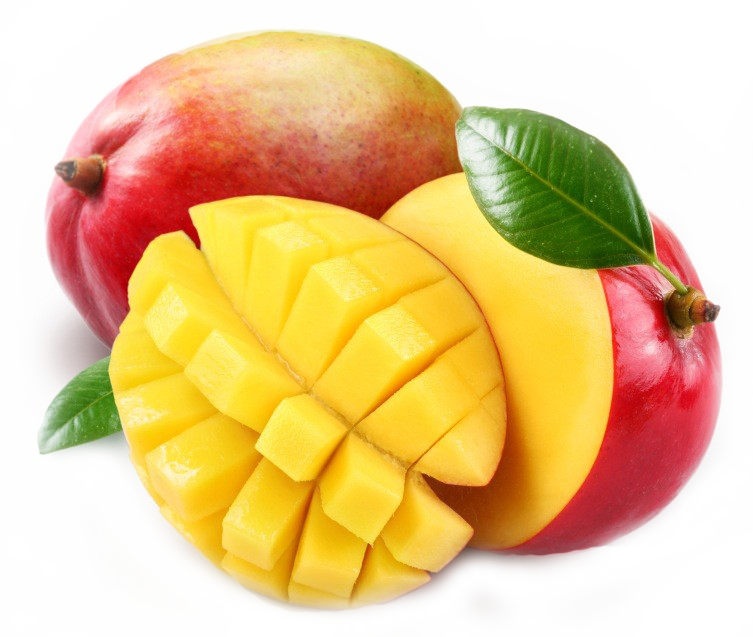
Mango is my favorite fruit, I don’t know about you. There are thousands of varieties in the world and many grown here in Costa Rica.
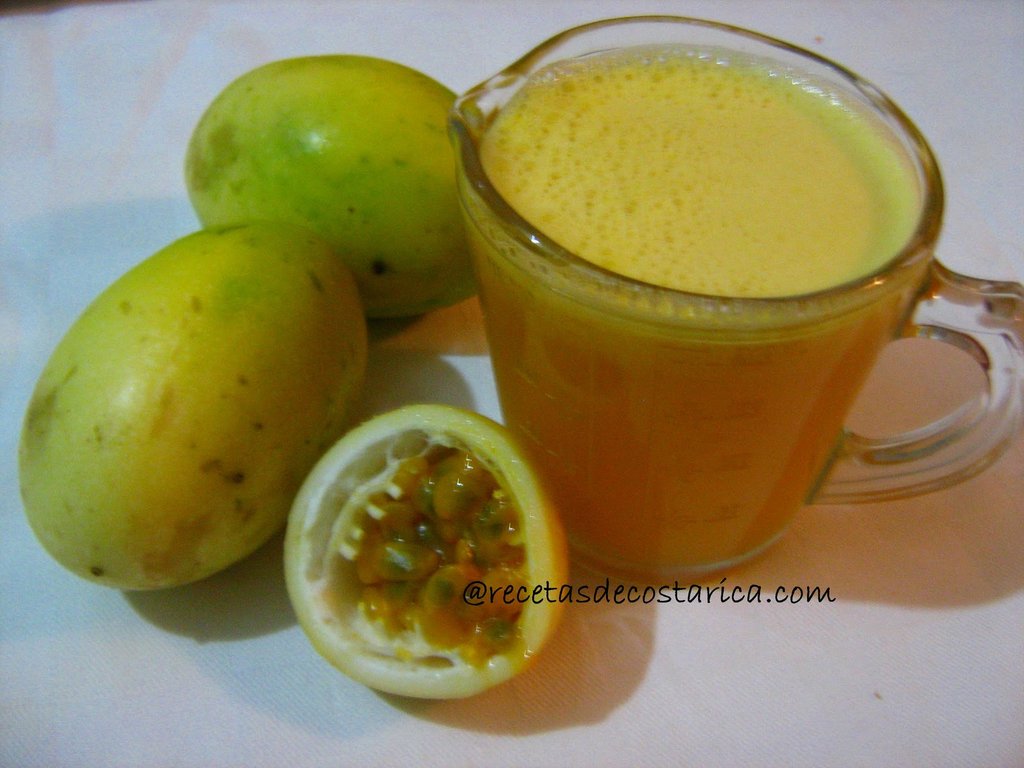
Passion fruit, Maracuya in Spanish, grows on a vine that will do great in the fruit forest habitat because it uses the trees to climb upon. The leaves are useful medicinally by making into a tea or tincture and ingesting as a sedative. The fruits, yellowish, ovoid pods filled with black seeds all enveloped in a bright orange pulp, can be eaten, seeds and all, by scooping them out of the pod with a teaspoon and are said to be a natural deworming medication if one eats one fruit this way each day. Mainly used for natural drinks, desserts and sauces.
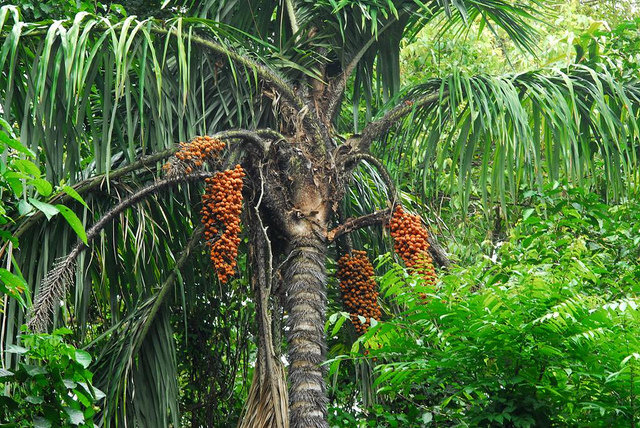
The Peach Palm, Pejibaye in Spanish, is a tall palm tree whose trunk is covered in long, super sharp spines. They do very well in the Maleku Reserve area and I can remember when we first came here in the 80’s when the Maleku people used to haul the big bunches of Pejibayes over the hill on the bus and set up in front of the bus station in central Tilaran where I live. It was very beautiful to see their smiling faces with all the bright fruits in the foreground.
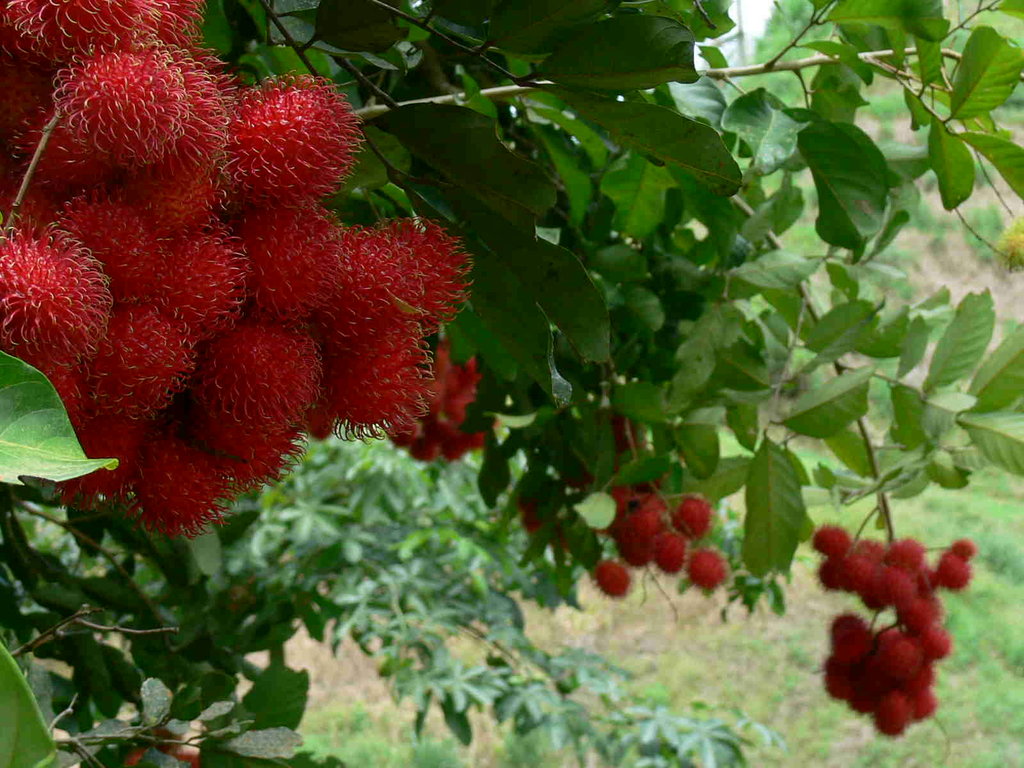
Lastly the amazing Rambutan, Mamon Chino in Spanish, it’s the first photo in this lineup. The strangest looking fruit but inside is a little juicy fruit, kind of like a grape with a large seed. A person can eat a lot of them and as you can see they grow prolifically in big bunches on the trees. I’ve even eaten them stewed, like prunes, in Jamaica.
Are you hungry yet...because this isn’t even half of the native tropical fruits we will plant in this project. You are hungry, mouth watering…well come on then, put out the word, share this project with your friends and on your social networks so we can…
GET PLANTING ANGEL’S FRUIT FOREST IN 2015!
Links:
Project reports on GlobalGiving are posted directly to globalgiving.org by Project Leaders as they are completed, generally every 3-4 months. To protect the integrity of these documents, GlobalGiving does not alter them; therefore you may find some language or formatting issues.
If you donate to this project or have donated to this project, you can receive an email when this project posts a report. You can also subscribe for reports without donating.