By Kathy Beerman and Ana Maria Rodriguez-Vivaldi | Kathy Beerman and Ana Maria Rodriguez-Vivaldi
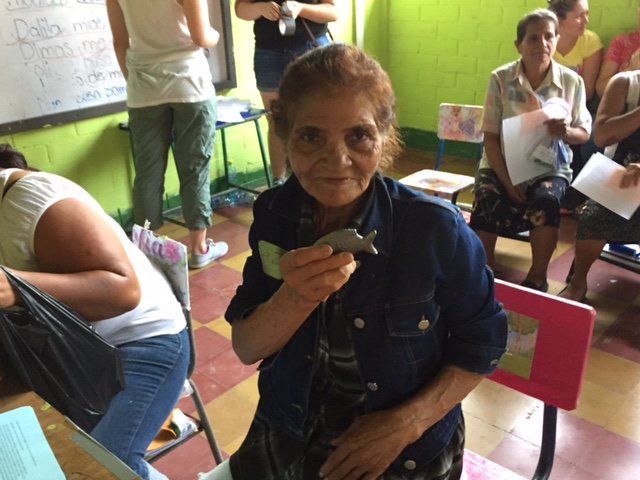
We are gearing up for our third year of the Lucky Iron Fish (LIF) Project in Guatemala. We previously reported that our study to assess the efficacy of the LIF in reversing iron deficiency anemia was a success. Just to recap; approximately 50 people returned during phase 2 of the study to have their iron status retested. Approximately 80% of these individuals were no longer anemic.
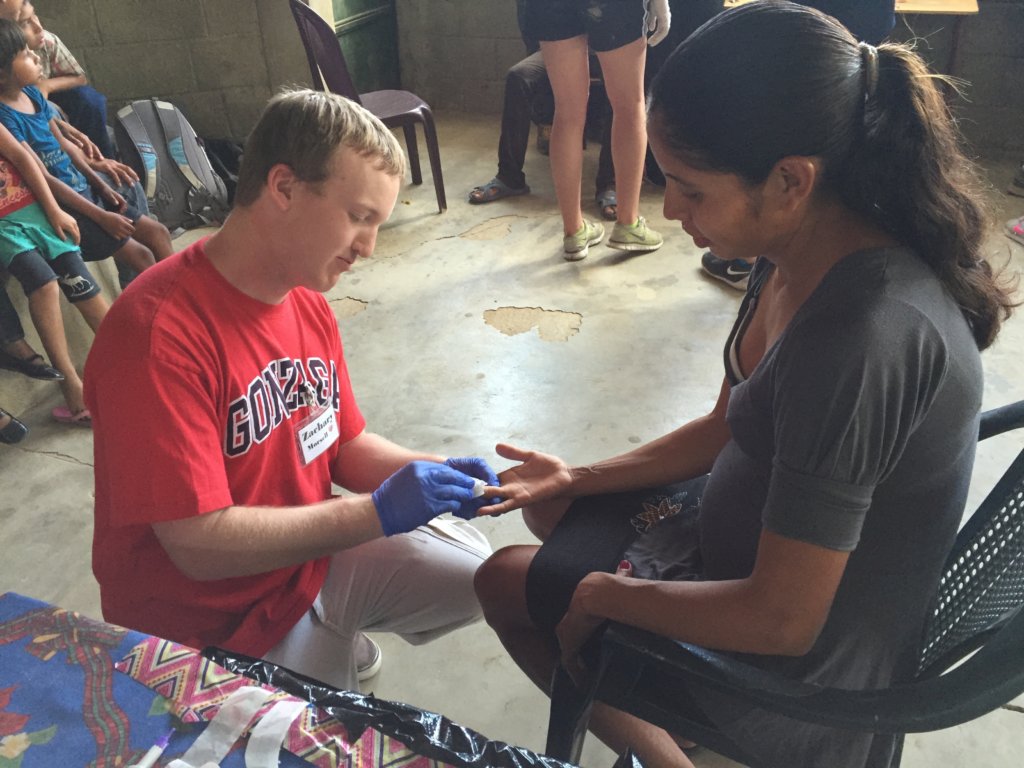
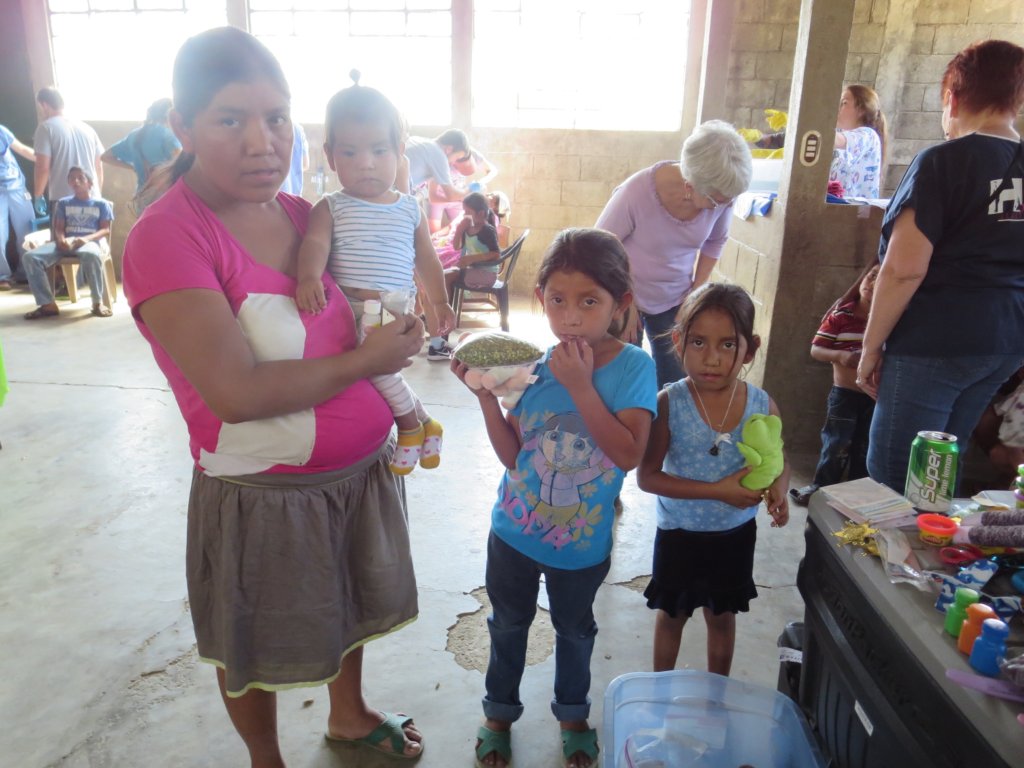
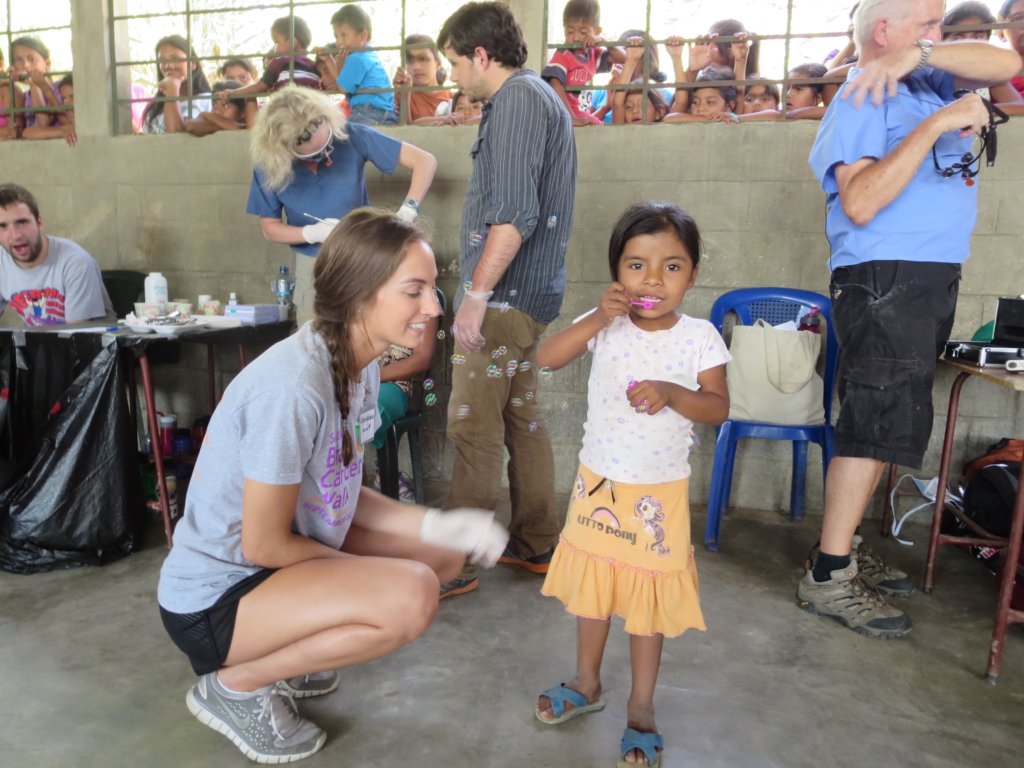
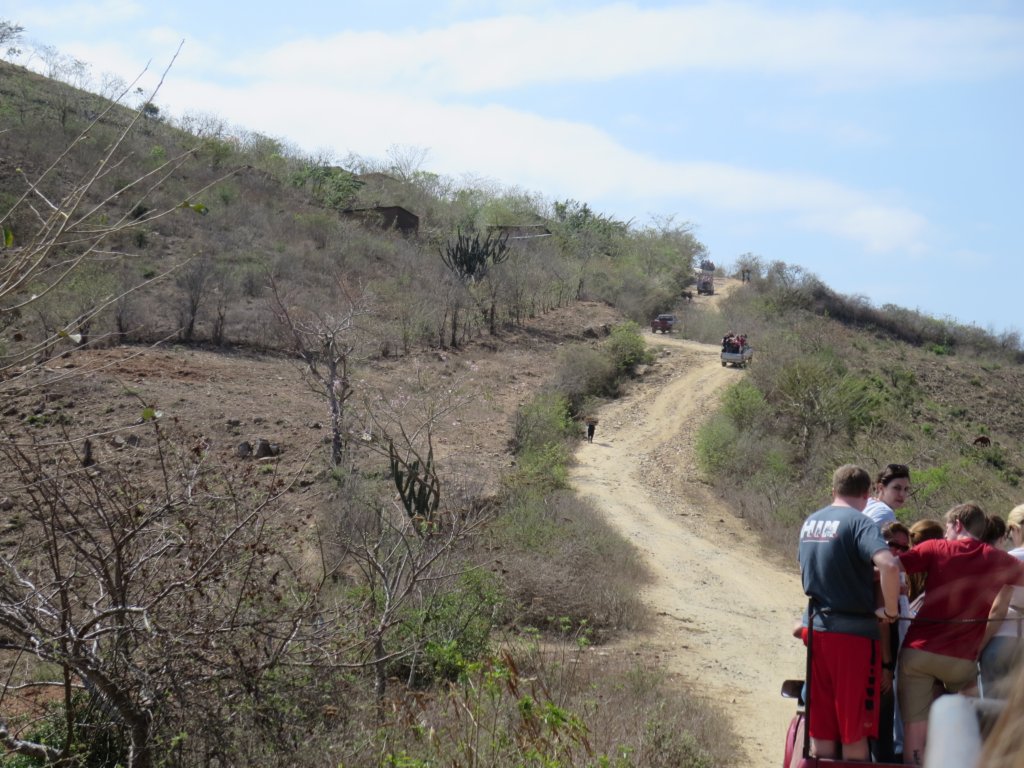
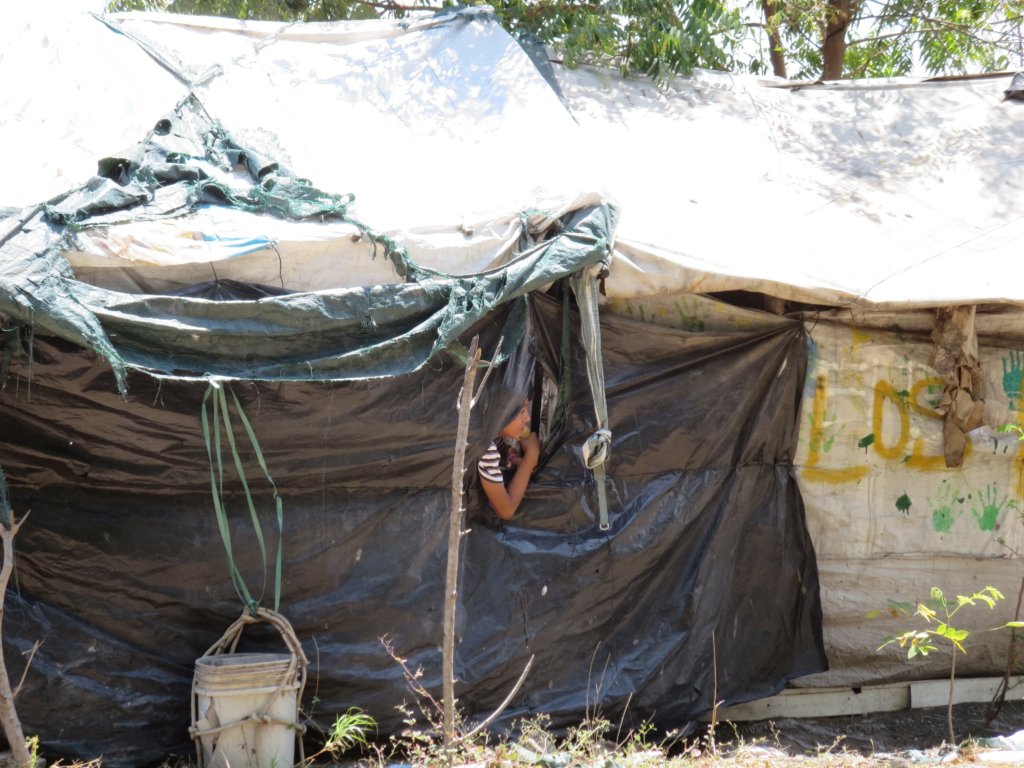
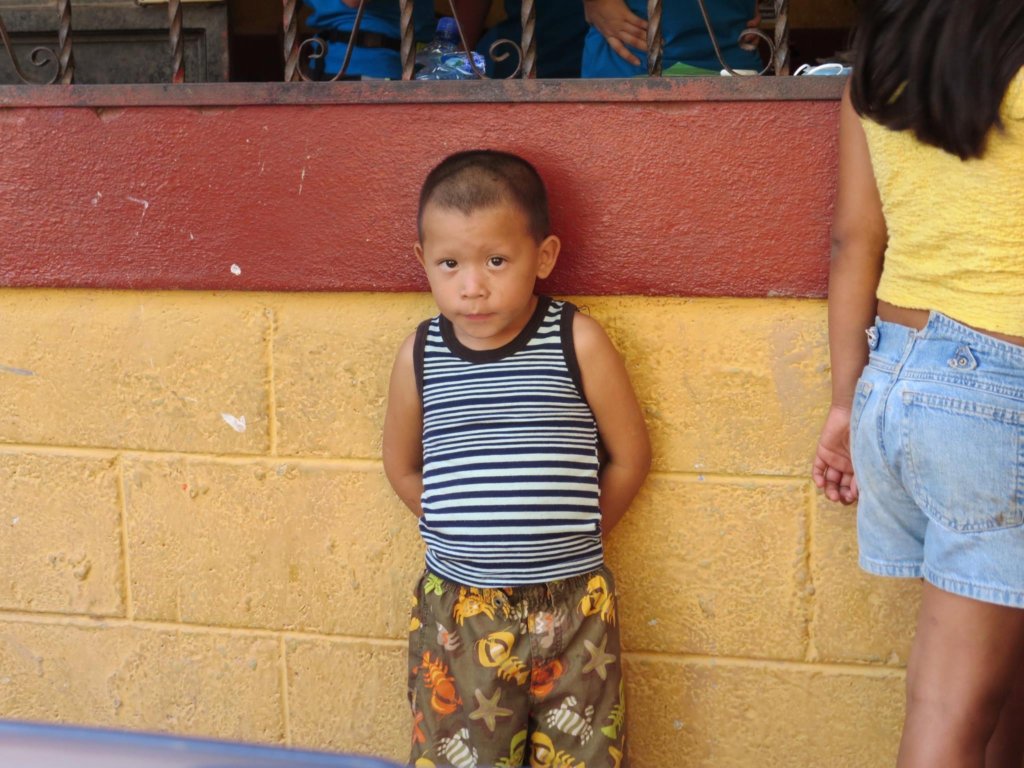
We have selected our new cohort of 25 students that will travel with us to Guatemala this year (March 2018). It is always exciting to visit new villages, see old friends that also travel to Guatemala donating their time/effort to Hearts in Motion, and to meet new people. Once again we will be screening for iron deficiency anemia and distributing LIF to those in need. Our goal is to create an “iron deficiency anemia map” of Guatemala so that we can better assess the prevalence of iron deficiency anemia and associated risk factors (i.e., age, sex, family size) and subsequently identify communities at greatest risk.
In addition, we will continue to screen for impaired glucose regulation (A1c), which is important given the high prevalence of type 2 diabetes in Guatemala. This year, we will also screen blood oxygen saturation levels. Because many people cook in their homes on open flames, air quality can be harmful to their lungs. As such, measuring oxygen saturation levels using a finger pulse oximeter will enable us to determine if indeed this is problematic.
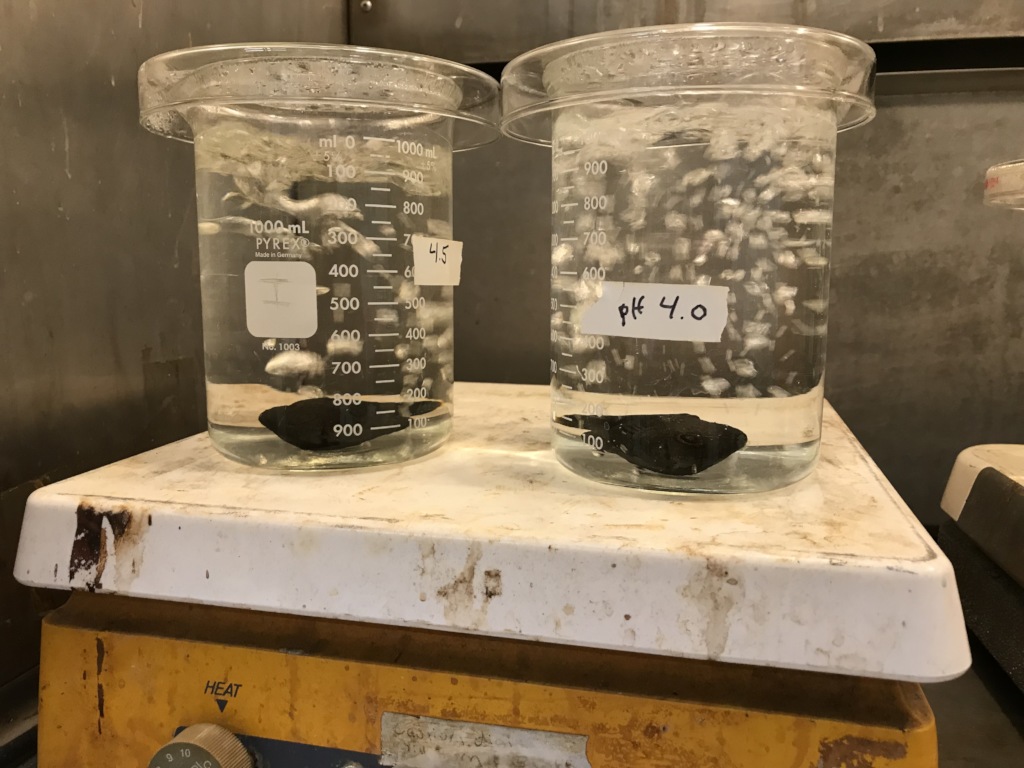
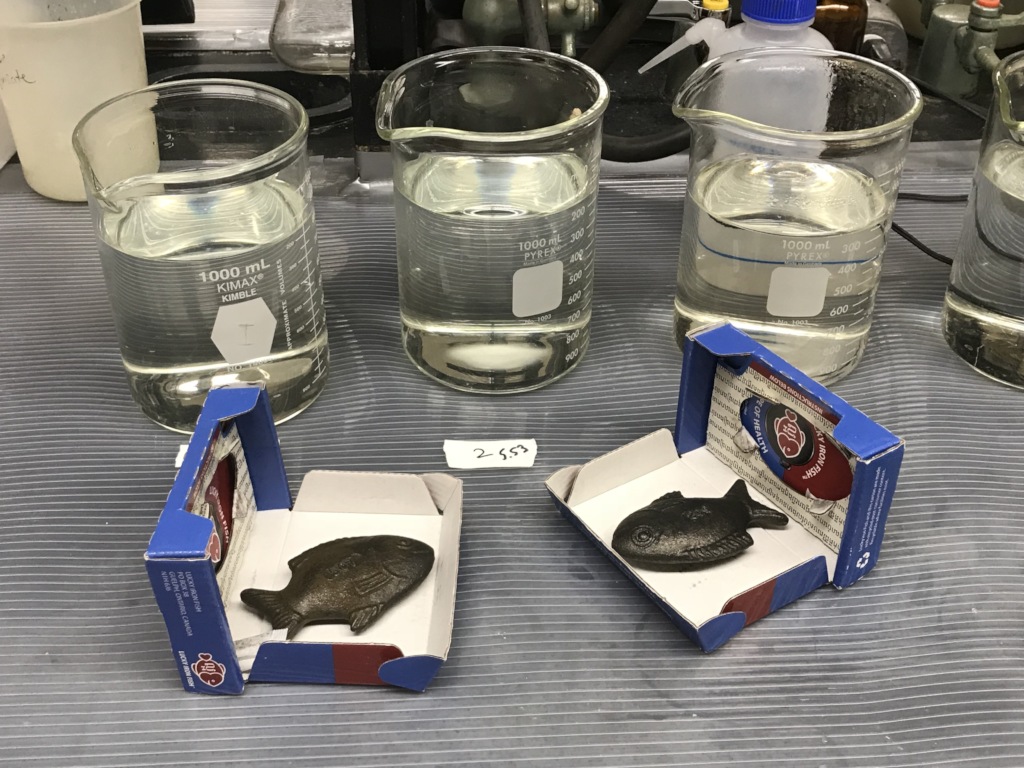
We are also working on a project (see photos) to determine how iron acidification and food preparation methods influence the release of iron from LIF. This will enable us to provide culturally appropriate instructions that will better reflect how foods are prepared regionally. For example, we will compare the effect of soaking beans in iron-enriched water vs. cooking beans in iron-enriched water. We are also discovering that acidification methods can greatly impact how much iron is released from LIF. It is important to standardize these procedures in order to gain the greatest benefit when using LIF in anemia mitigation efforts. We hope to finish this analysis by January 2018 and to share this information with others involved in similar projects.
Again, we thank all of you for your generous contributions that have supported this project. Please know that all donations go towards purchase of supplies that make the LIF project an on-going effort.
Best,
Kathy and Ana Maria
Program Co-directors
Project reports on GlobalGiving are posted directly to globalgiving.org by Project Leaders as they are completed, generally every 3-4 months. To protect the integrity of these documents, GlobalGiving does not alter them; therefore you may find some language or formatting issues.
If you donate to this project or have donated to this project, you can receive an email when this project posts a report. You can also subscribe for reports without donating.



Support this important cause by creating a personalized fundraising page.
Start a Fundraiser