By Kathy Beerman | Kathy Beerman and Ana Maria Rodriguez-Vivaldi
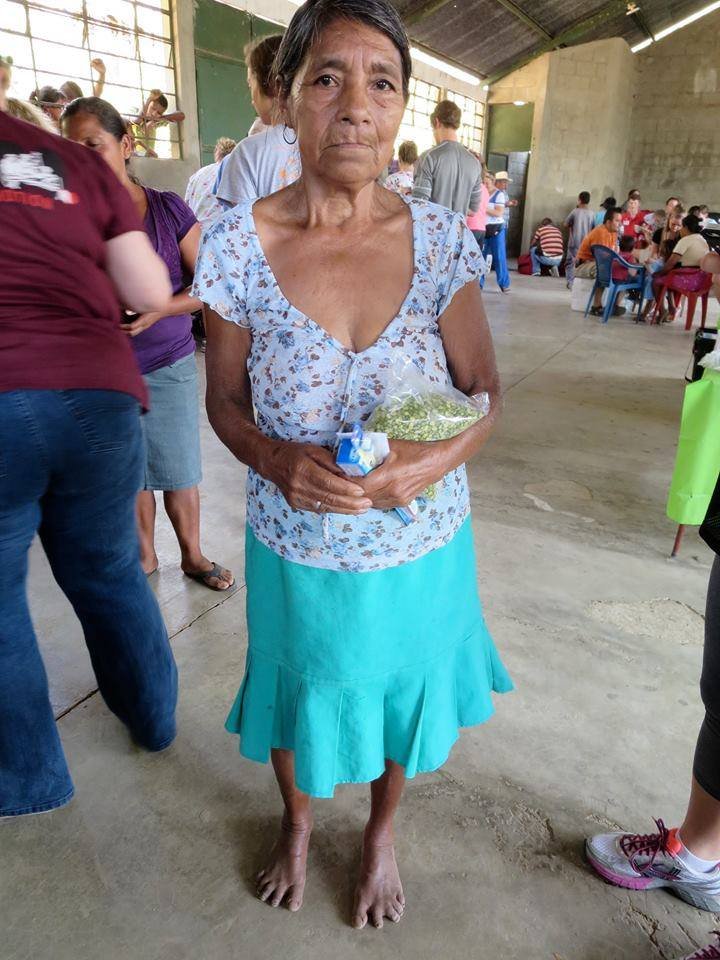
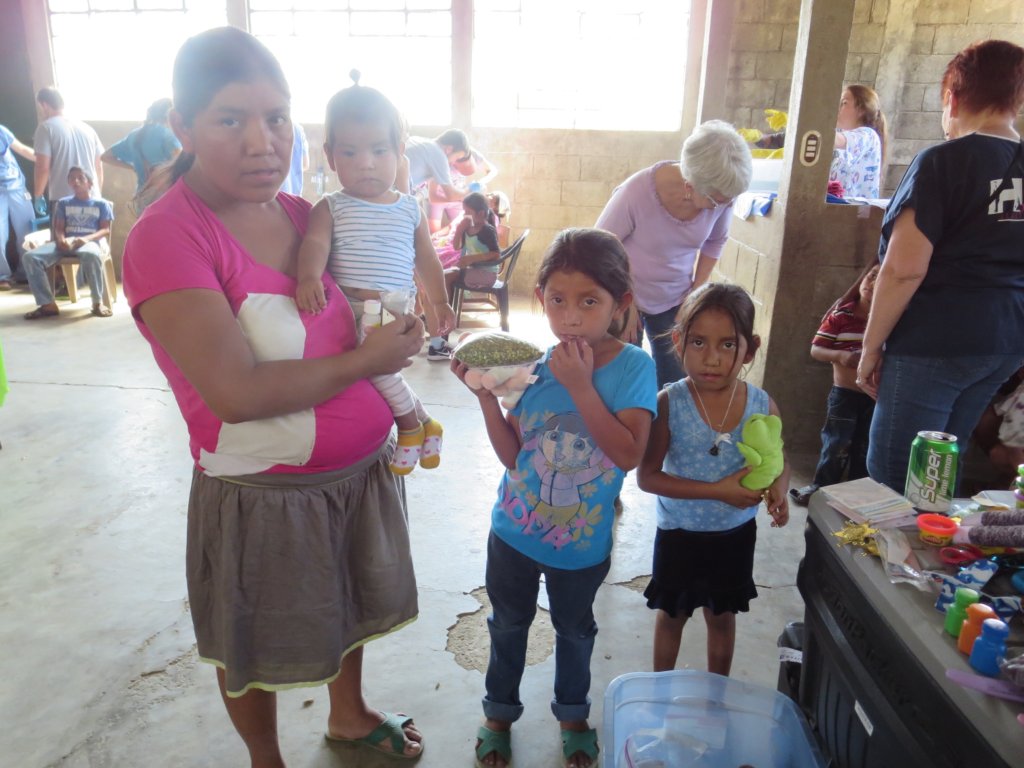
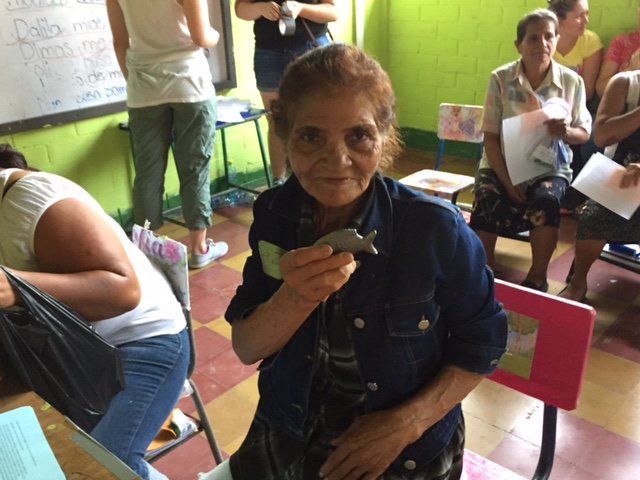
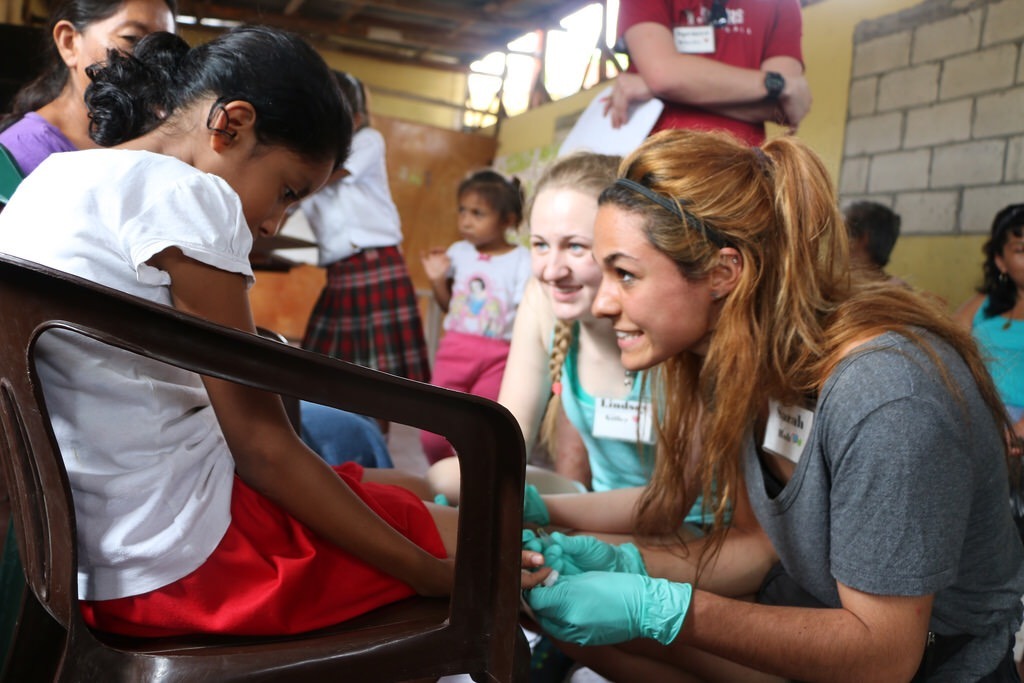
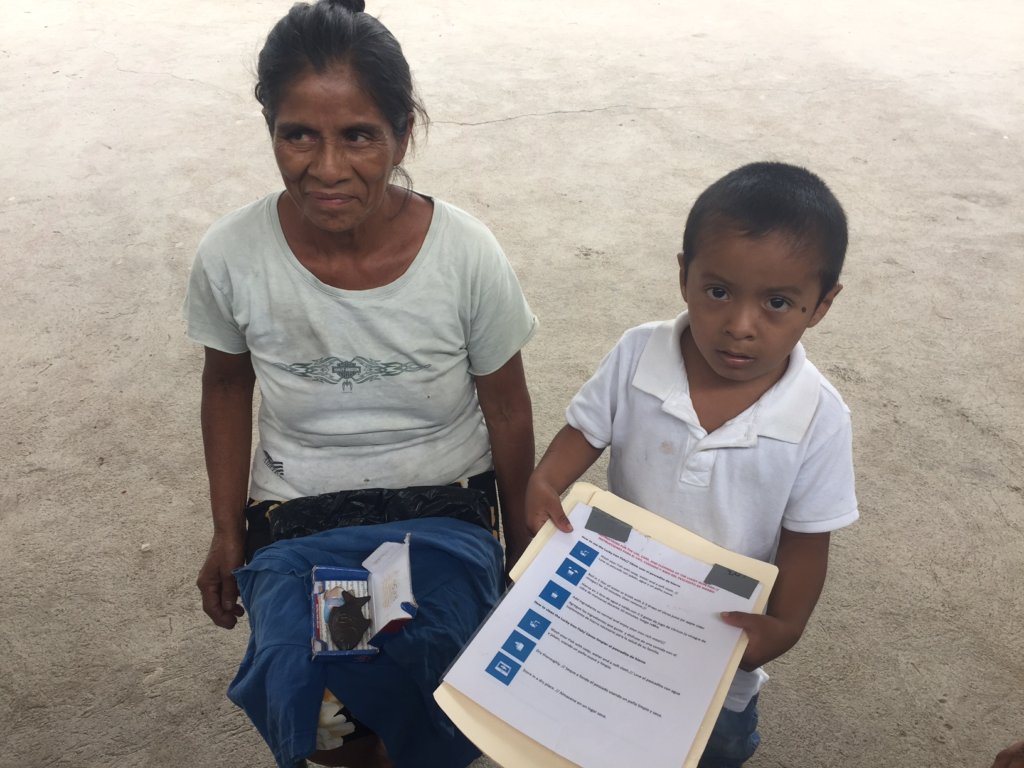
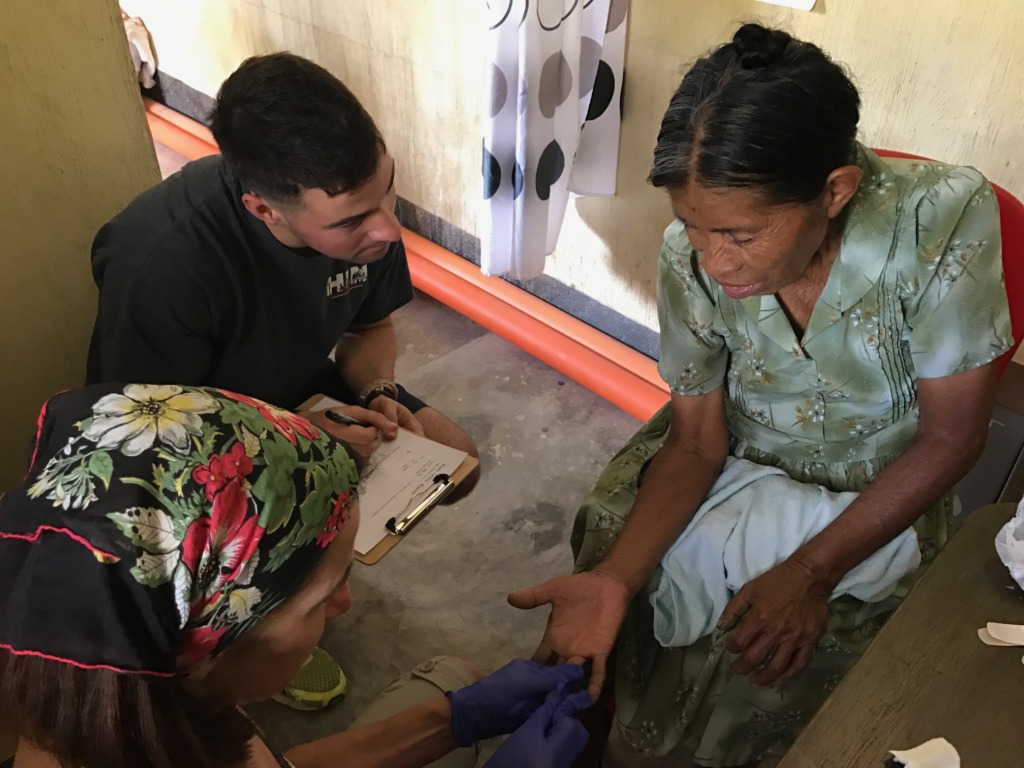
Phase 2 of the Lucky Iron Fish Project is complete. Returning to the villages where iron screenings were held last year (March 2016), we were able to retest iron status among those given a Lucky Iron Fish. Unfortunately, one village did not return for testing because it was rumored that the Lucky Iron Fish had “bad spirits” and subsequently discarded it. Therefore, our study population was reduced to approximately 140 individuals who had impaired iron status and were given a Lucky Iron Fish (March 2016, Phase 1). Approximately 60 people (43%) returned (March 2017) to be retested after using their Lucky Iron Fish for a period of 1 year. Although we have not completed our statistical analyses, it appears that those using the Lucky Iron Fish regularly (at least 4 times/week) had improved iron status. At least 80% of those retested and improved iron values. Our next report will include a detailed statistical analysis, which will provide a full examination of change between pre- and post-iron indices (hemoglobin and hematocrit).
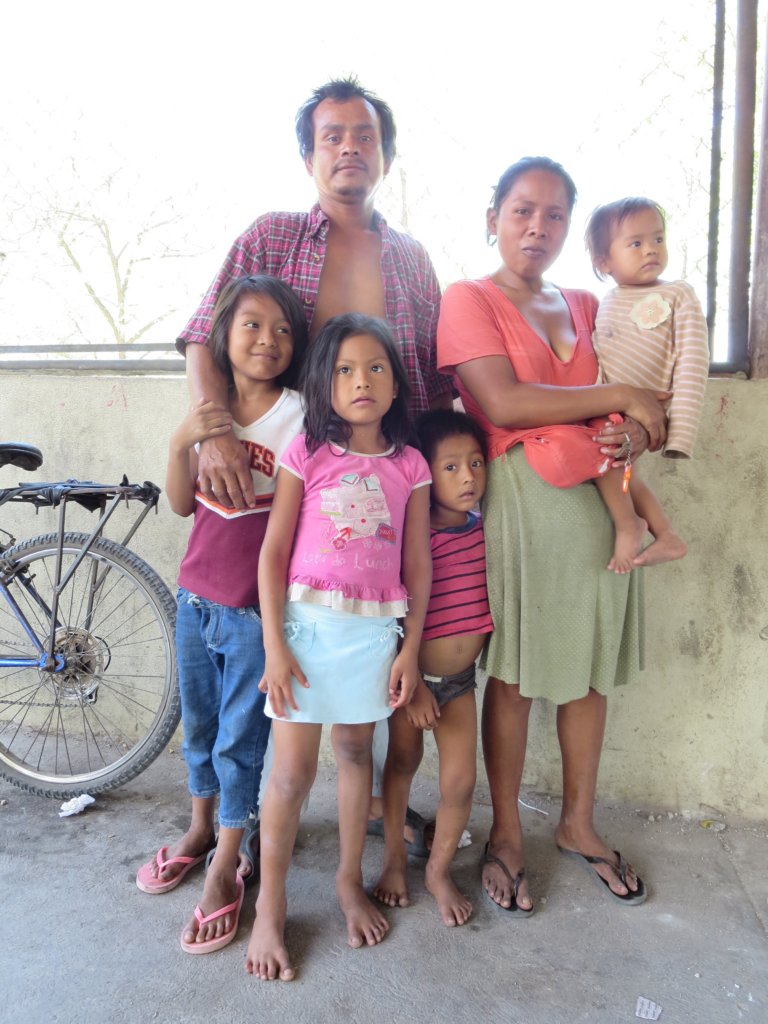
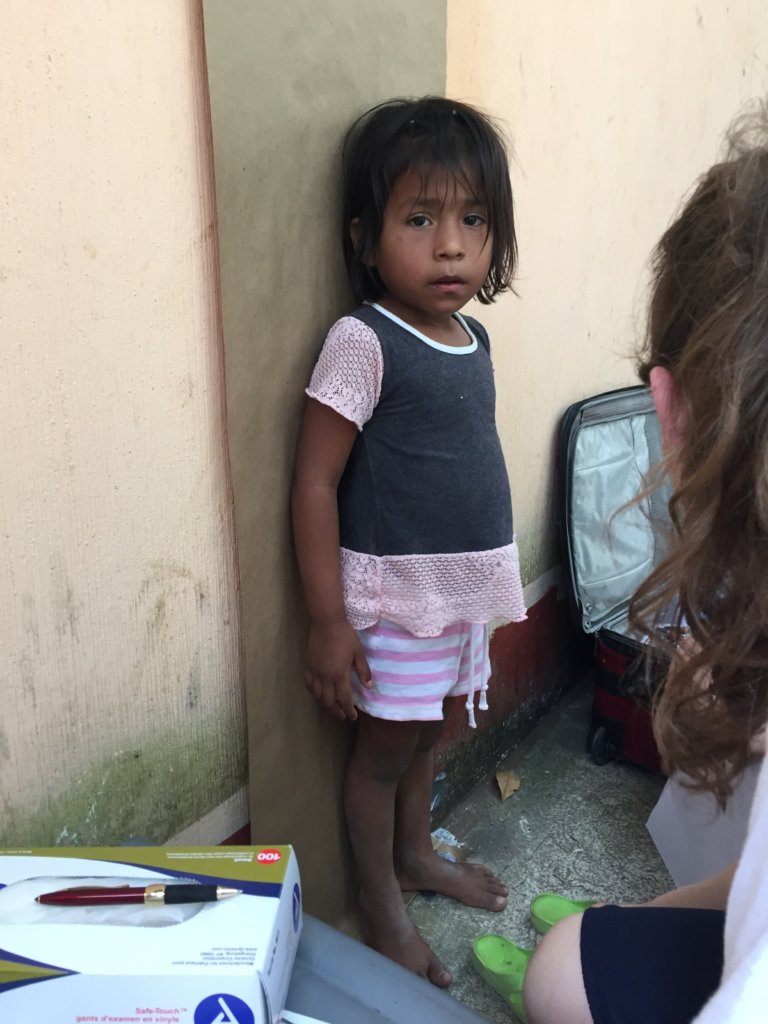
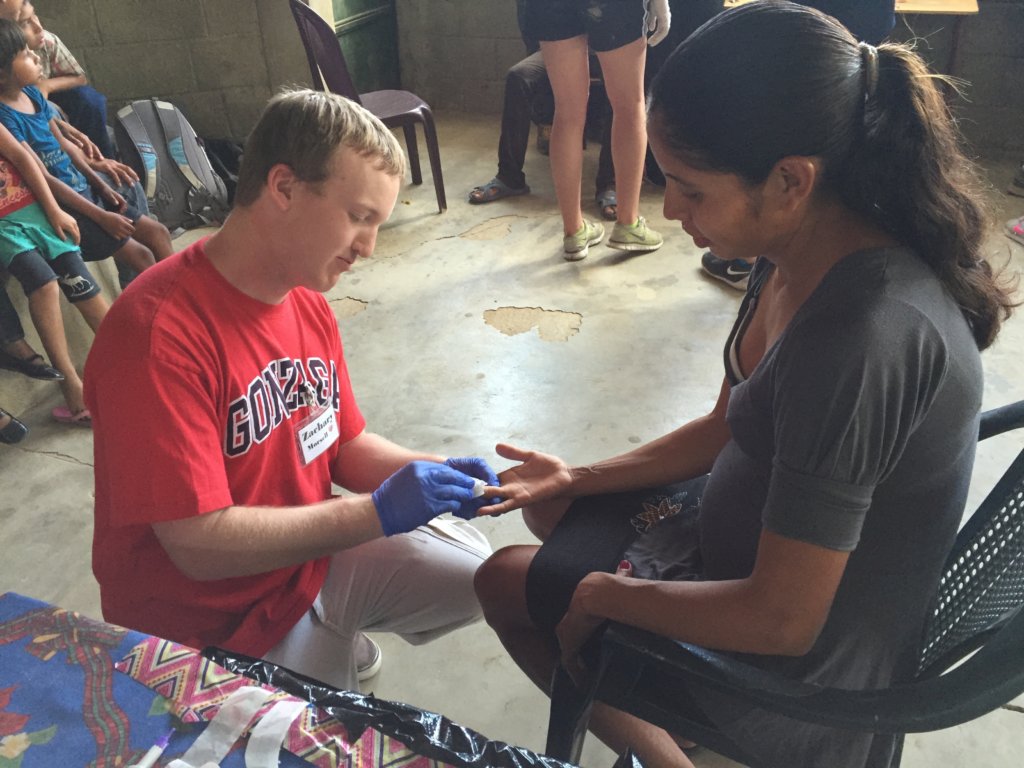
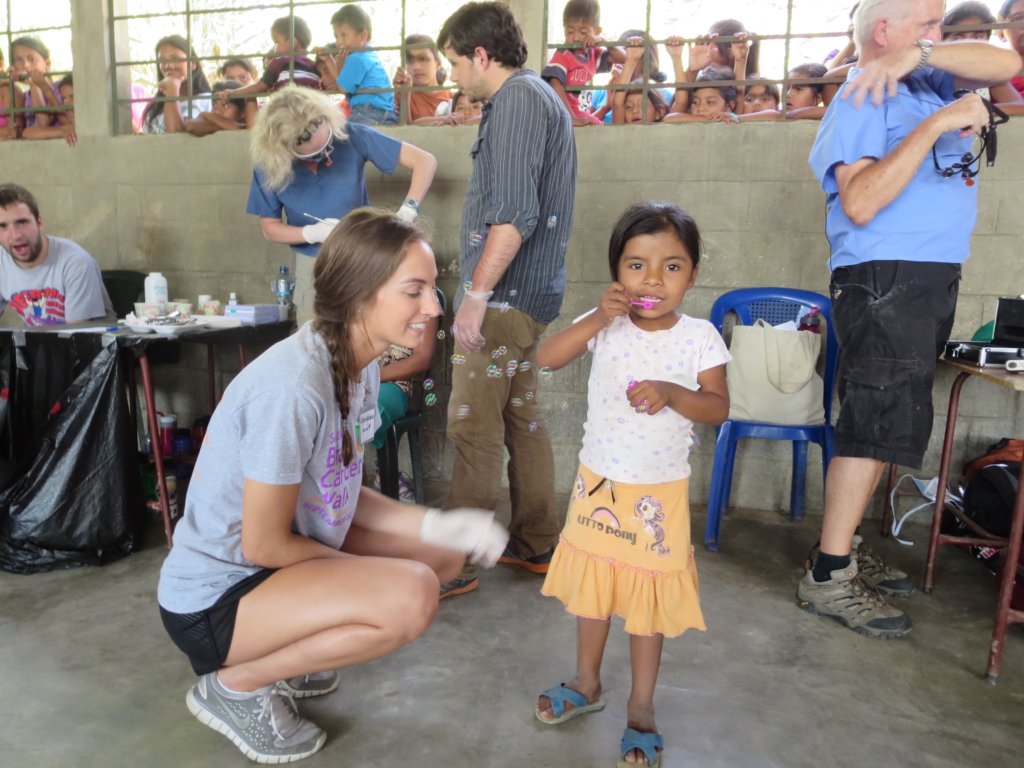
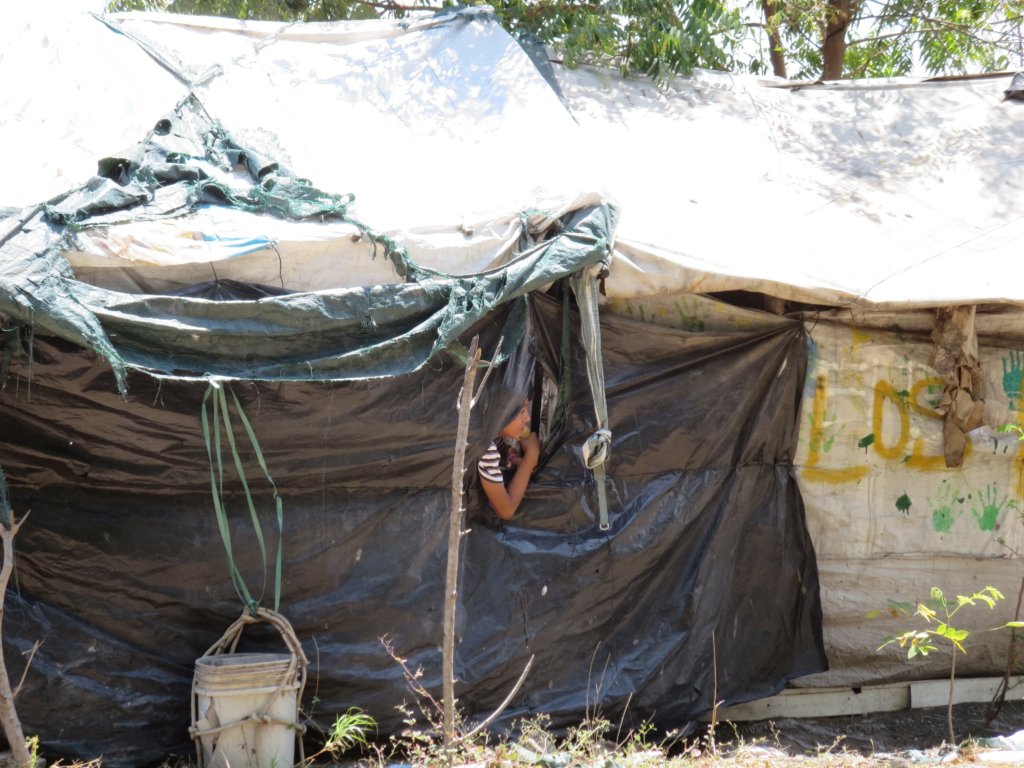
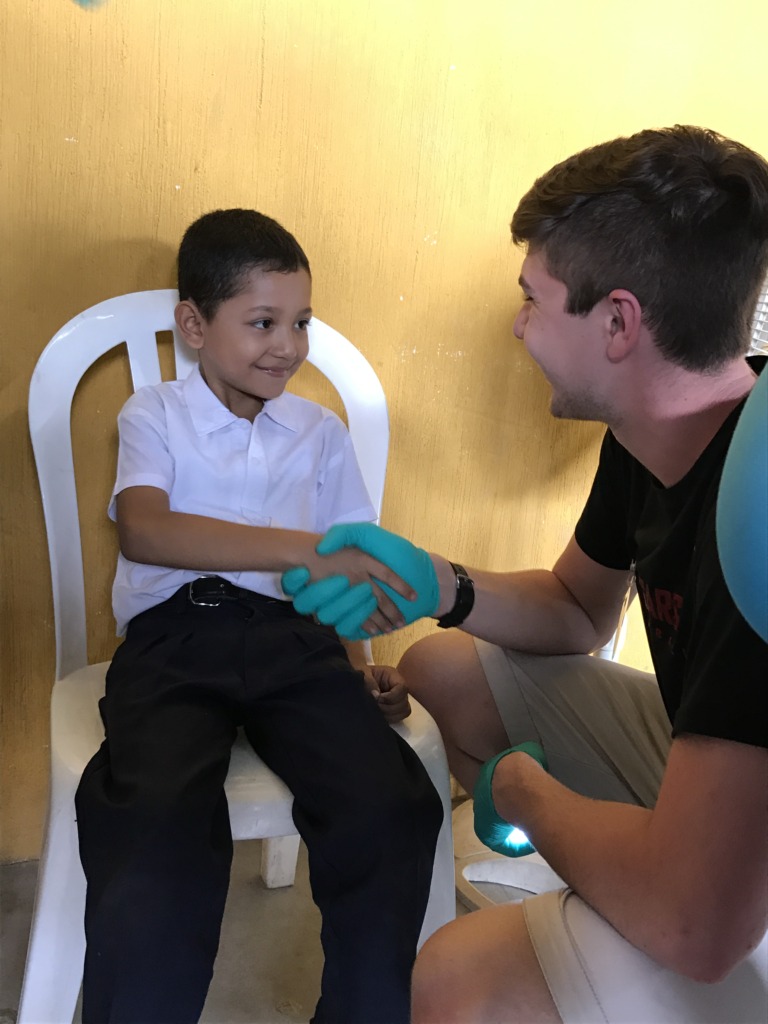
In addition to our follow-up from last year, iron screenings were held at 5 new villages. Approximately 60 people (out of 400 that were tested) had impaired iron status, and were given a Lucky Iron Fish. Although we will not be conducting a follow-up study on these individuals, it is our goal to monitor iron deficiency anemia in Guatemala and to create an “anemia map” of the country to identify communities and populations at greatest risk. In addition to iron status, we also screened for impaired blood glucose regulation (type 2 diabetes). Obesity and impaired blood glucose regulation are emerging health problems in developing countries such as Guatemala. This was accomplished by measuring A1c values, which provides an accurate assessment of blood glucose regulation over time. The advantage of measuring A1c vs. blood glucose is that fasting is not required and the measure reflects average blood glucose over the previous 3 months (rather than 1 point in time). Interestingly, communities located in close proximity to food stores tended to have a lower incidence of impaired iron status, but a higher occurrence of impaired blood glucose. We attributed this to the increased availability and consumption of processed foods and sugar-sweetened beverages.
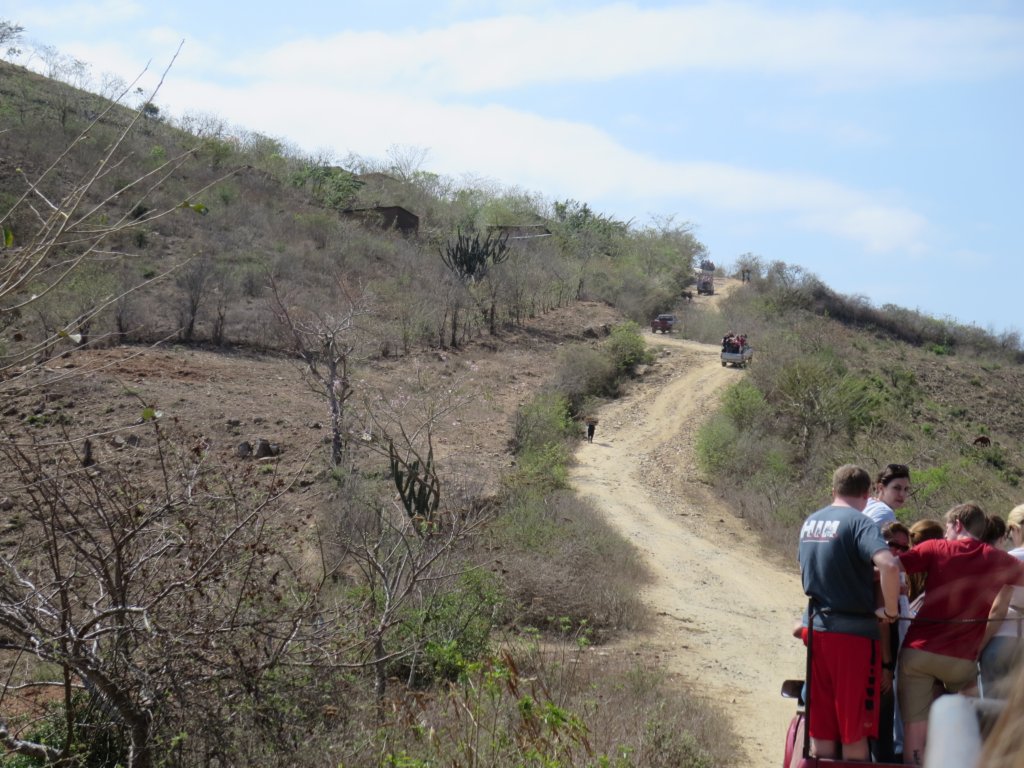
The students on the 10-day medical mission were amazing. Not only did these hard working, dedicated individuals provide the assistance needed to conduct a project of this magnitude, they were an absolute pleasure to be with. A journalism student (Garrett R. Kalt, Murrow College, backpack journalist) wrote an article about the project, which was published in WSU news (see URL below). As a group, the students all contributed to a fund that was used to sponsor a child's educational expenses until the age of 18 (y). Sponsorship covers the cost of books and a school uniform. Other exciting news is that is this project was selected to receive the Outstanding Achievement Award in International Activities by the Washington State University, College of Arts and Science.
https://cas.wsu.edu/welcome/cas-awards-and.../2017-recipients/
Your generous contributions go directly to funding this project. We greatly appreciate the financial support we have received. Yearly expenses total approximately $3000, and without this we would not be able to keep this project going. Thank you.
https://news.wsu.edu/2017/05/23/iron-blood-levels-guatemala/
Links:
Project reports on GlobalGiving are posted directly to globalgiving.org by Project Leaders as they are completed, generally every 3-4 months. To protect the integrity of these documents, GlobalGiving does not alter them; therefore you may find some language or formatting issues.
If you donate to this project or have donated to this project, you can receive an email when this project posts a report. You can also subscribe for reports without donating.



Support this important cause by creating a personalized fundraising page.
Start a Fundraiser