By Kathy A. Beerman, PhD | Project Co-leader
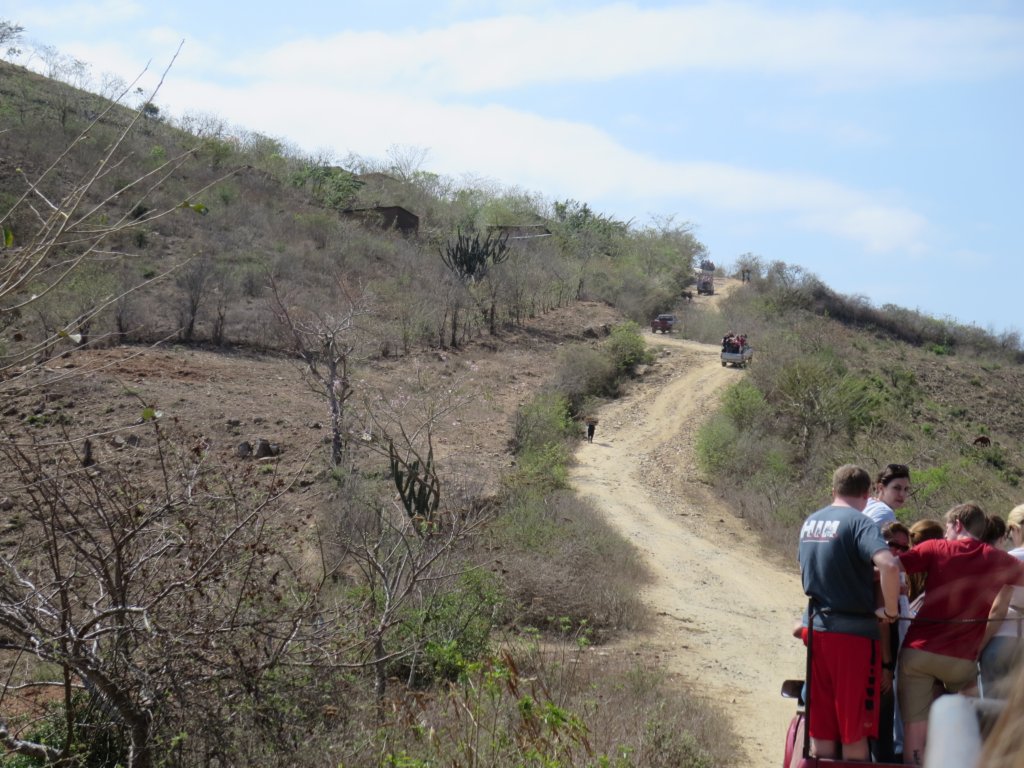
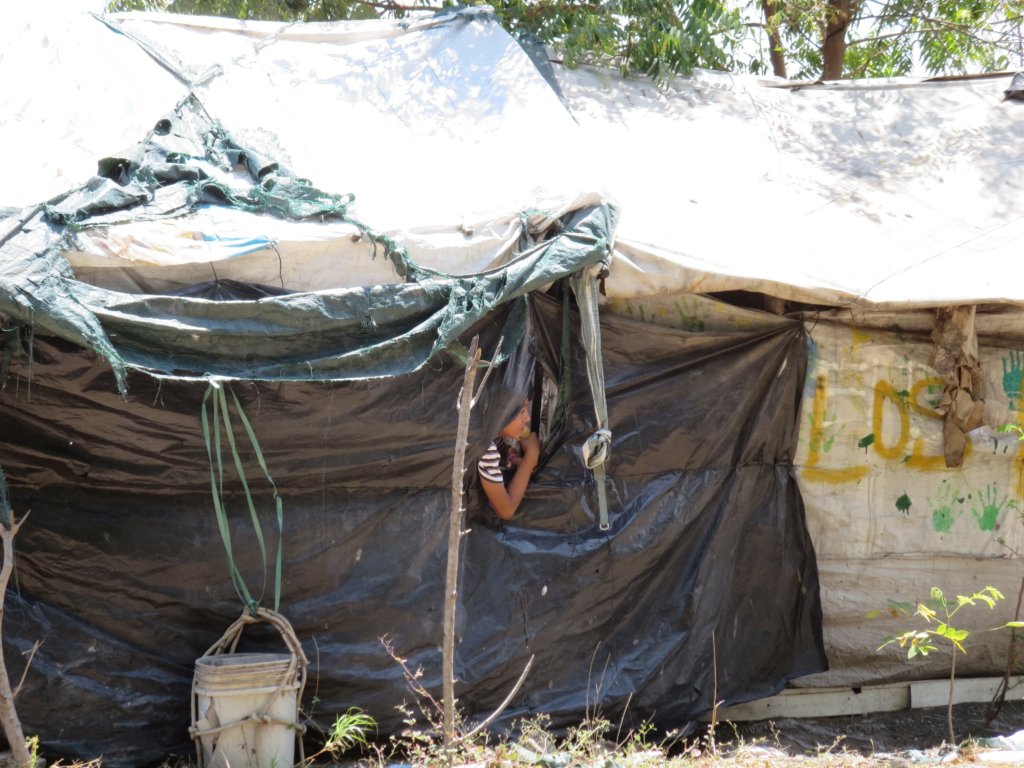
In regions of the world where populations are at greatest risk for iron deficiency anemia (IDA), barriers make screening particularly challenging. Even though noninvasive field-tested methods provide an inexpensive approach for determining iron status, it can be difficult to gain access to rural, secluded communities. Therefore, the prevalence of IDA in these regions remains largely unknown. Researchers examining the most current representative data regarding the prevalence of IDA in Latin American countries that Costa Rica, Chile, Argentina and Mexico (4.0%, 40%, 7.6% and 19.9%, respectively) had the lowest prevalence rates. Countries with moderate to high prevalence rates, which ranged from 21.4% to 45.5%, included Guatemala, Brazil, the Dominican Republic, Bolivia, Panama, and Haiti. Our data supports this finding in terms of IDA prevalence rates. Although prevalency rates have been estimated, very few studies have assessed treatment efficacy.
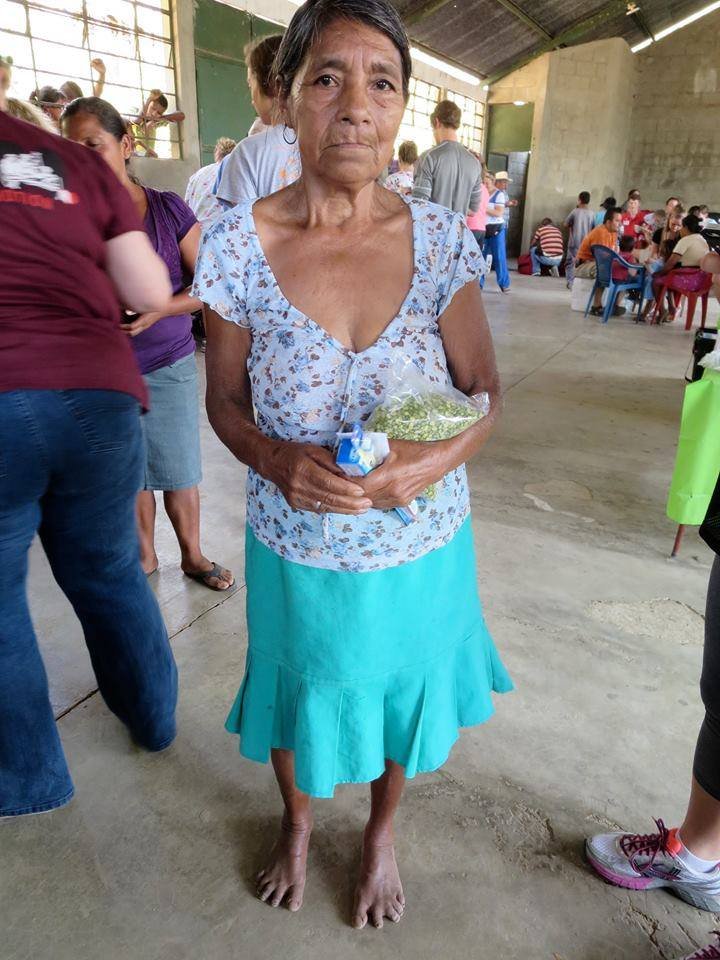
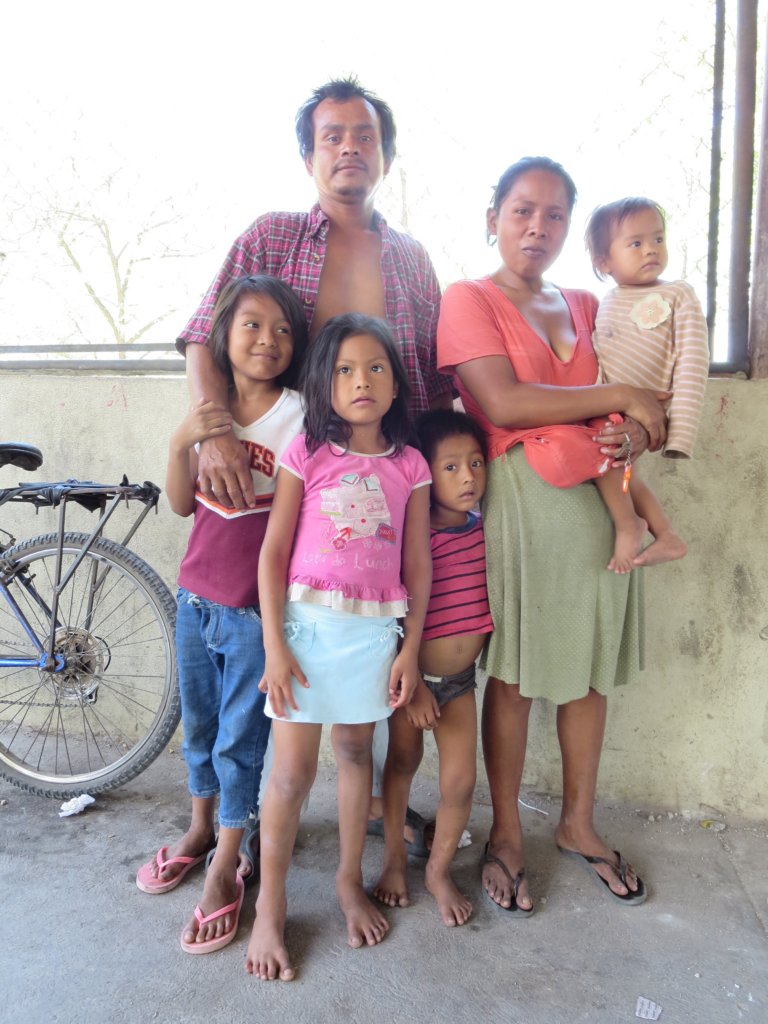
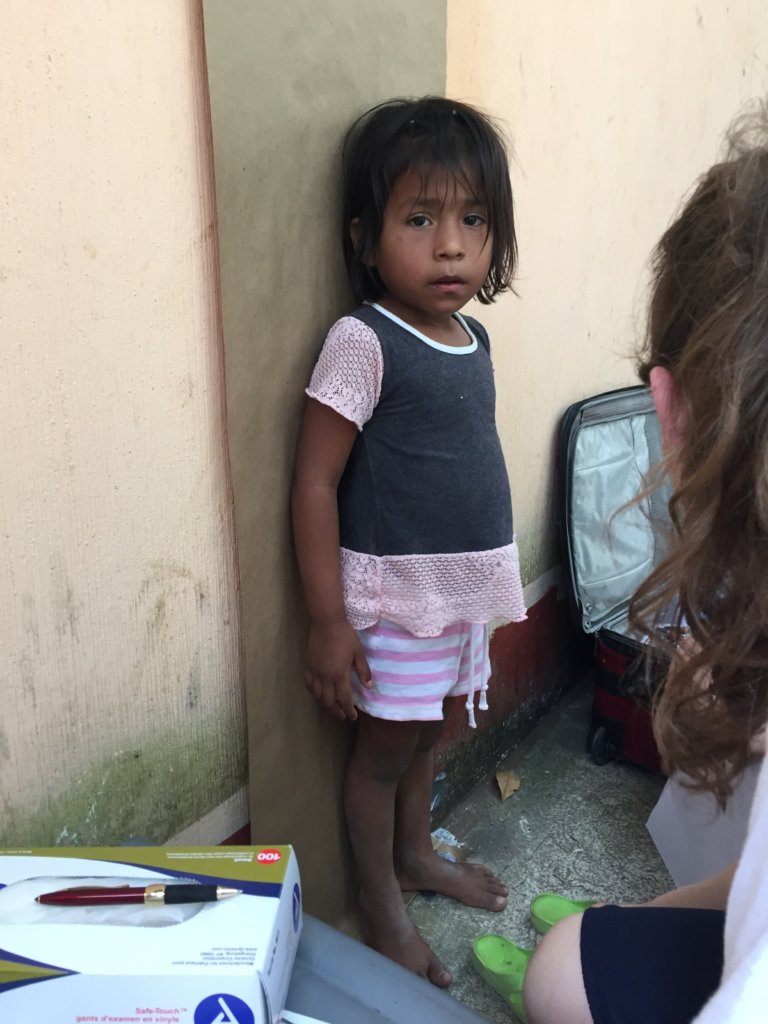
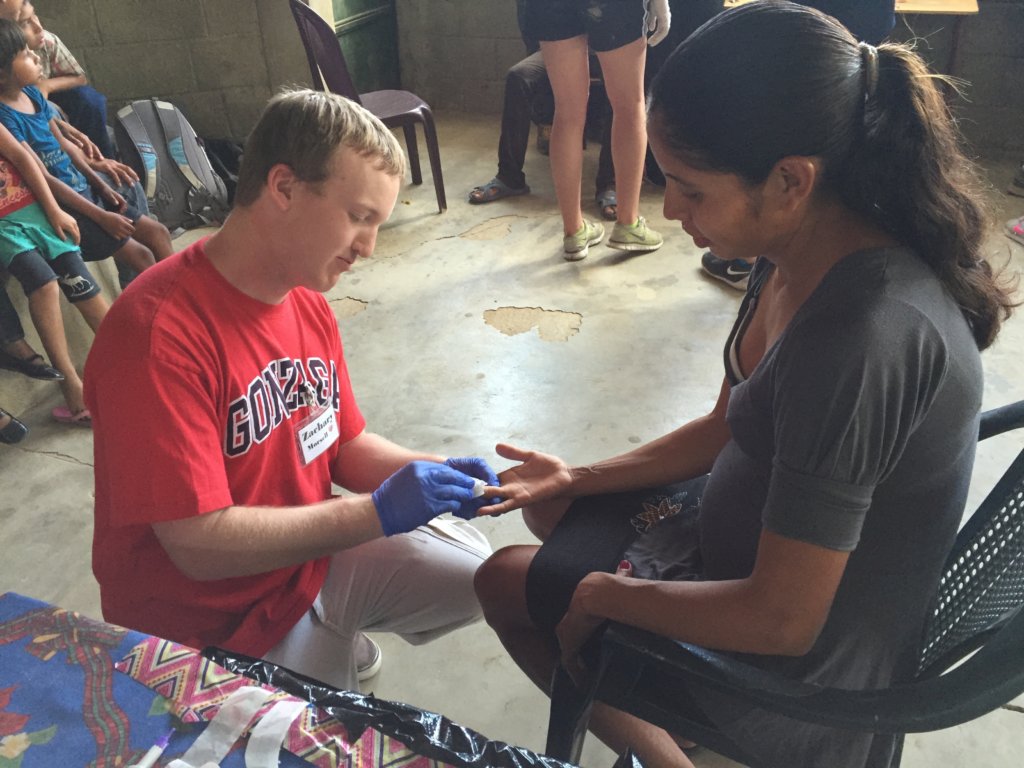
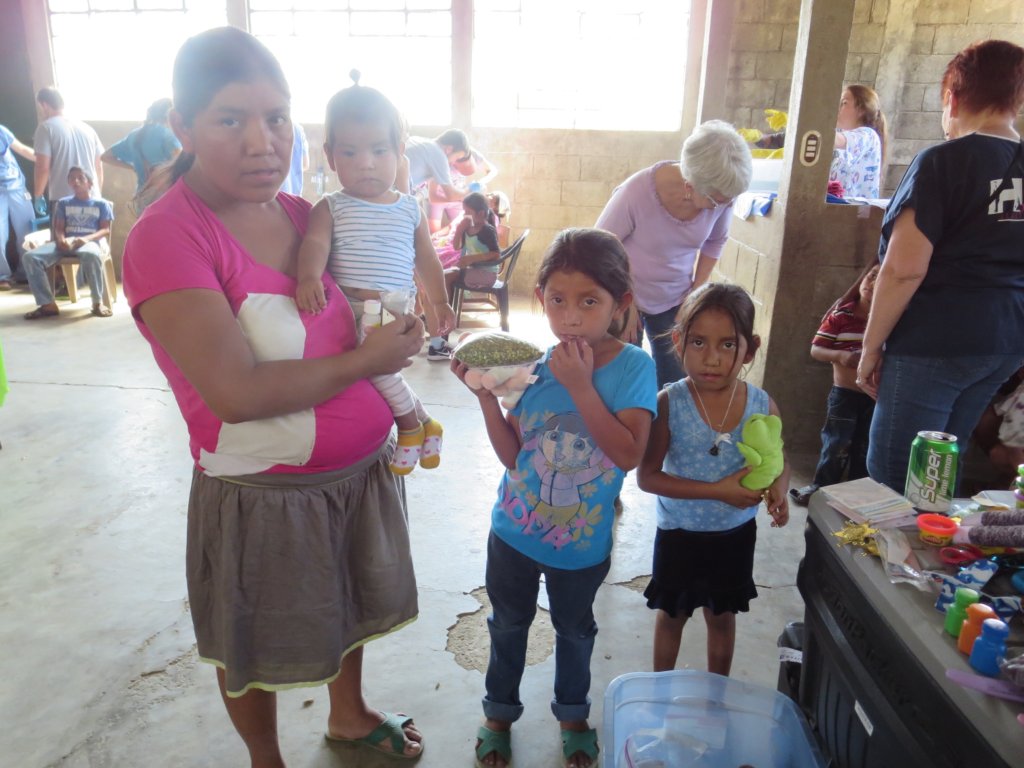
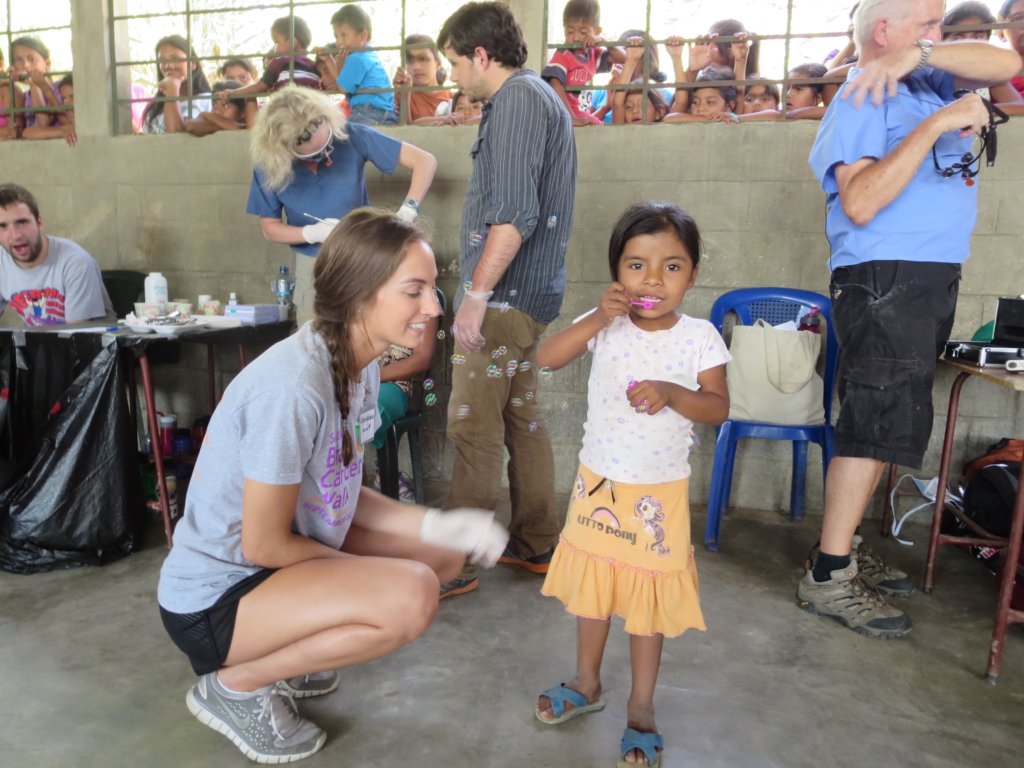
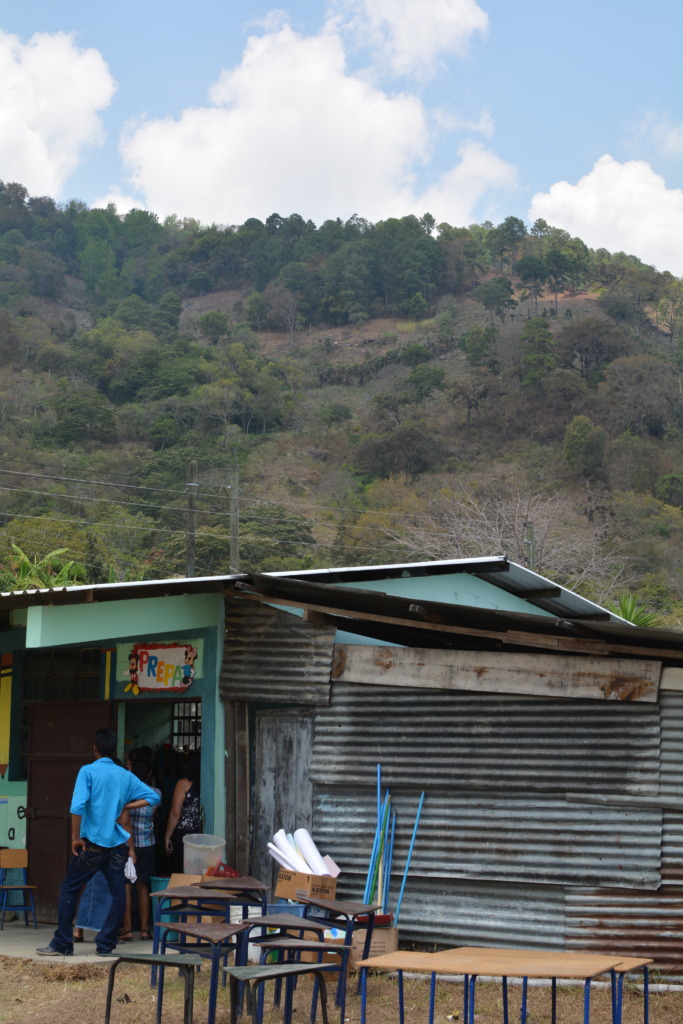
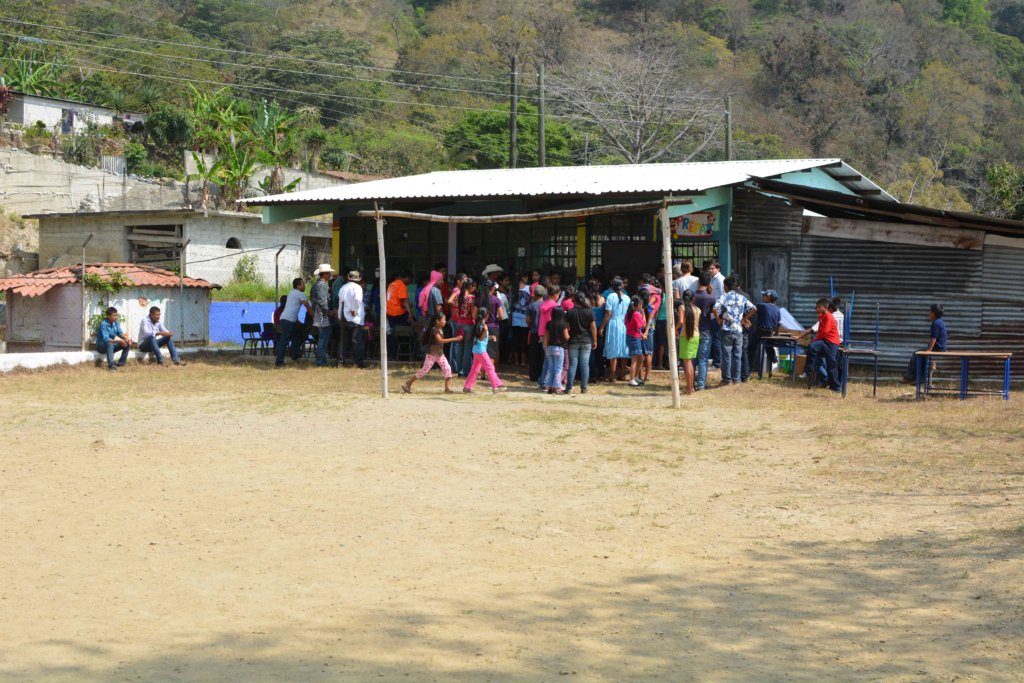
During Phase 1 of our medical mission, we assessed iron status in 4 rural, impoverished regions of Guatemala; each listed below:
Although data analysis from Phase 1 is still in progress (prevalence of anemia by sex, age, and community), one interesting assessment compared the prevalence of anemia among the 4 villages to prioritize public health significance within each region. Based on World Health Organization classifications, we characterize each village based on community screenings:
Category of Public Health significance
Prevalence of anemia (%) within a community:
Severe > 40 %
Moderate 20.0 - 39.9%
Mild 5.0 - 19.9%
Normal < 4.9%
1. Pueblo Modelo (n=102) Classification: Moderate prevalence
30.2%* anemia based on hemoglobin (12.3 g/l + 3.4) **
2. San Cristobal (n=153) Classification: Moderate prevalence
32.0% anemia based on hemoglobin (12.4 g/l + 1.45)
3. San Miguell (n=100) Classification: Moderate prevalence
20.0% anemia based on hemoglobin (12.5 g/l + 1.3)
4. Las Casitas (n=60) Classification: Severe prevalence
41.7% anemia based on hemoglobin (11.6 g/l + 1.2)
This information will help public health officials to target communities at greatest risk for IDA. This is important due to limited resources. As indicated in the table above and attached figures, each community has IDA rates considered moderate to severe. Age-groups with the highest IDA prevalence (34%) are children 5-9 (y) and those 50 years of age and older (40%). As there is very little information regarding the prevalence of iron deficiency anemia among the elderly, this finding is particularly important.
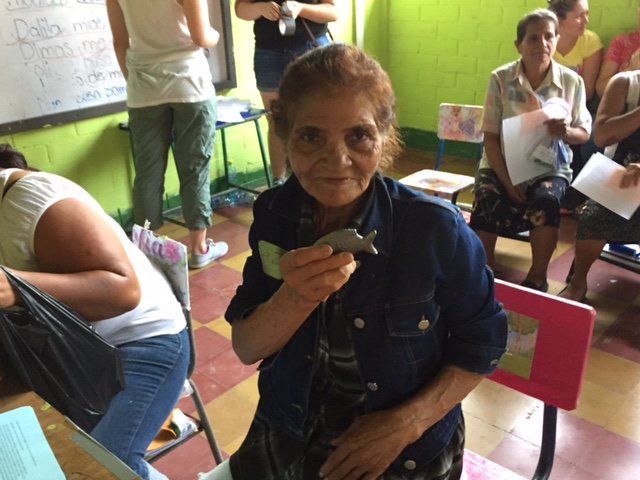
Summary: In addition to data analysis, we are currently preparing for our follow-up study (Phase 2) to assess the impact of Lucky Iron Fish on iron status. Twenty-five students will be selected to participate in this medical mission. We will also be visiting 5 new communities, and will continue our work assessing iron status. It is our goal to purchase a new HemoCue and 300 Lucky Iron Fish to distribute to families with IDA. Financial contributions with these purchases, which in turn will help us to reach more people. Our goal is to better understand the impact of iron deficiency anemia in Guatemala, and the efficacy of this novel treatment - Lucky Iron Fish.
Project reports on GlobalGiving are posted directly to globalgiving.org by Project Leaders as they are completed, generally every 3-4 months. To protect the integrity of these documents, GlobalGiving does not alter them; therefore you may find some language or formatting issues.
If you donate to this project or have donated to this project, you can receive an email when this project posts a report. You can also subscribe for reports without donating.



Support this important cause by creating a personalized fundraising page.
Start a Fundraiser