By Kathy Beerman and Ana Maria Rodriguez-Vivaldi | Project Leaders
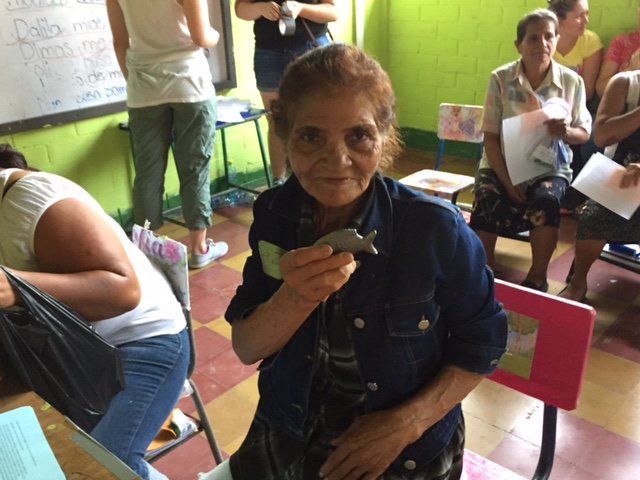
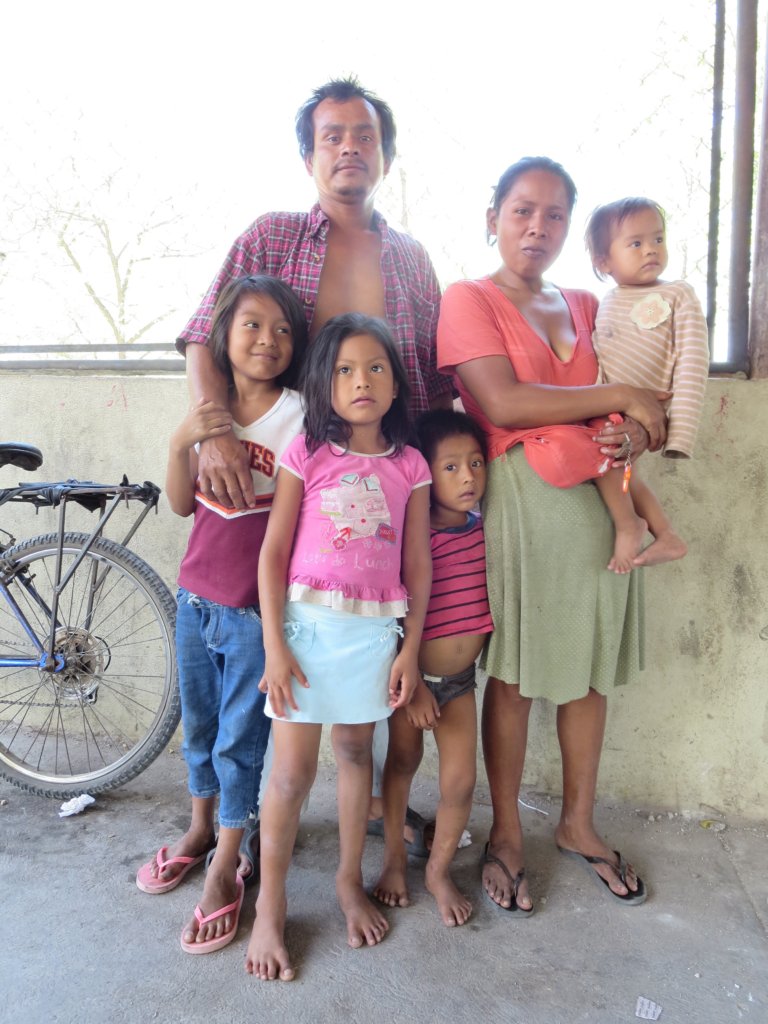
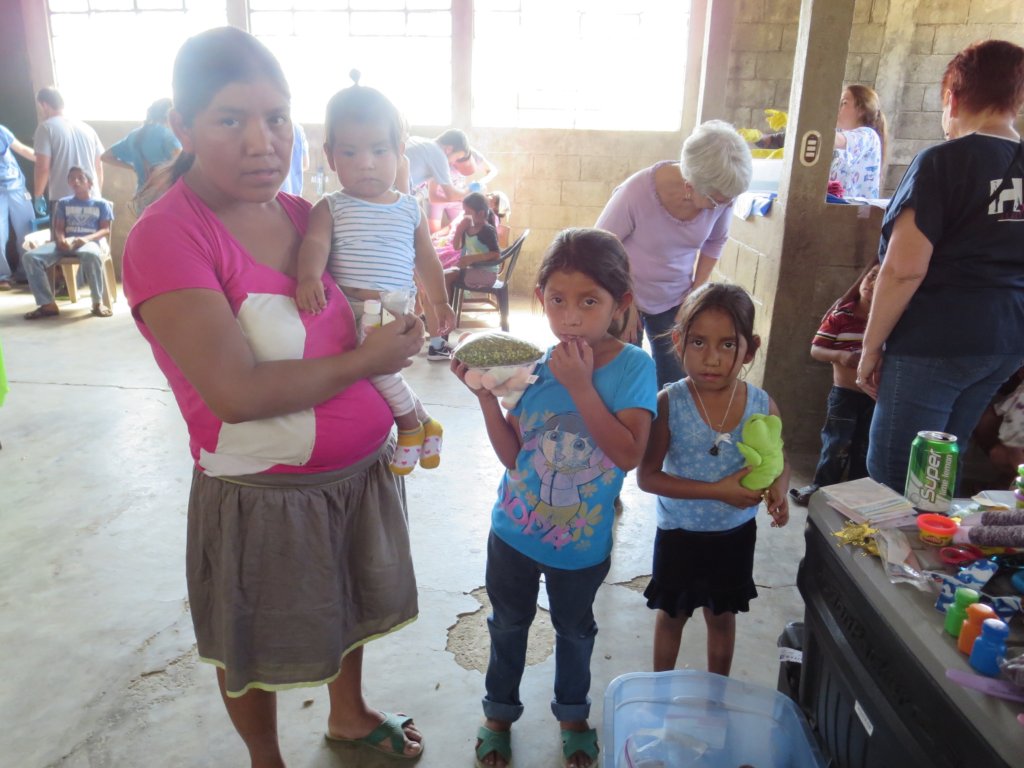
We appreciate the generous contributions we have received in support of this on-going project. Although our first data collection is complete, we will return March 2017 to assess the effect of Lucky Iron Fish on iron status. We are still in the process of entering data collected during our last trip, but I do have some preliminary information to share. First, the 2016 Global Nutrition Report "FROM PROMISE TO IMPACT: ENDING MALNUTRITION BY 2030" was just released. This report, which included Guatemala, is an important reminder malnutrition entails more than assessing hunger. Rather, it emphasizes the emerging trend of an overlap between the obesity epidemic, the prevalence of stunted growth, and impaired iron status in both children and women of reproductive age. Our data supports these observations. While we only have partial information, the trends are clear. We will post a more complete report within the next few months. However, based on partial analsys, we found the following:
1. Anthropometric analysis of children between ages 5 - 18 (y)
Based on World Health Orgnization growth charts, a total of 11 (6%) children (female = 6 and male = 5) were classified as failure-to-thrive (BMI-for-Age < 3rd percentile) and 32 (17%) of children (female = 15 and 17 = male) were below the 15th percentile but above the 3rd percentile. Approximately 63% of the children (female = 40 and male = 20) were within healthy parameters (> 15th percentile < 85th percentile). However, there is a growing trend of overweight and obese children. Approximately 10% (n=19; 15 female and 4 male) are considered overweight (> 85th percentile and < 97th percentile) while 3% (n=5; 3 female and 2 male) were classified as obese (>97th percentile). We will soon correlate these numbers with iron status. With respect to BMI-for-Age, sex differences at the lower range, but it appears that females are more likely than males to be classified as overweight.
2. Anthropometric analysis of adults > 19 (y)
Anthropometric analysis of adults (1 village; 63 adults), 51% (n=32) have BMI > 26 kg/m), 14 of which were classifed as obese (BMI > 30 kg/m). Those with BMI > 28 (n= 14) were tested for impaired glucose regulation (A1c). Of these, 2% had elevated A1c (>7). These analyses will be repeated for the remaining sites.
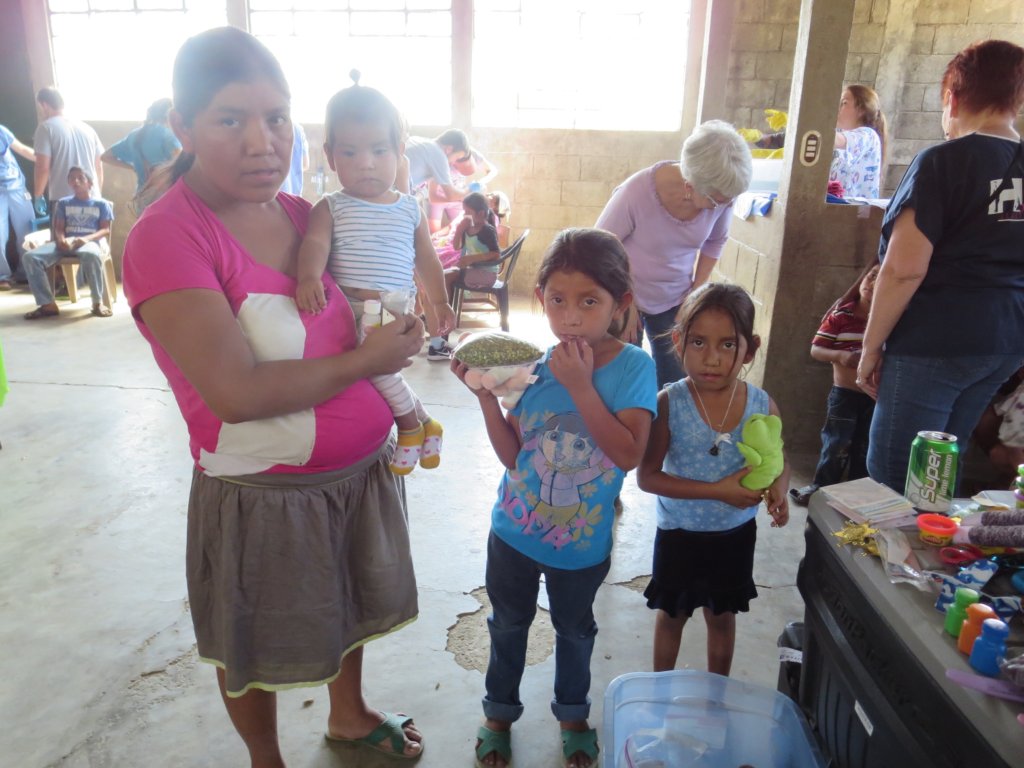
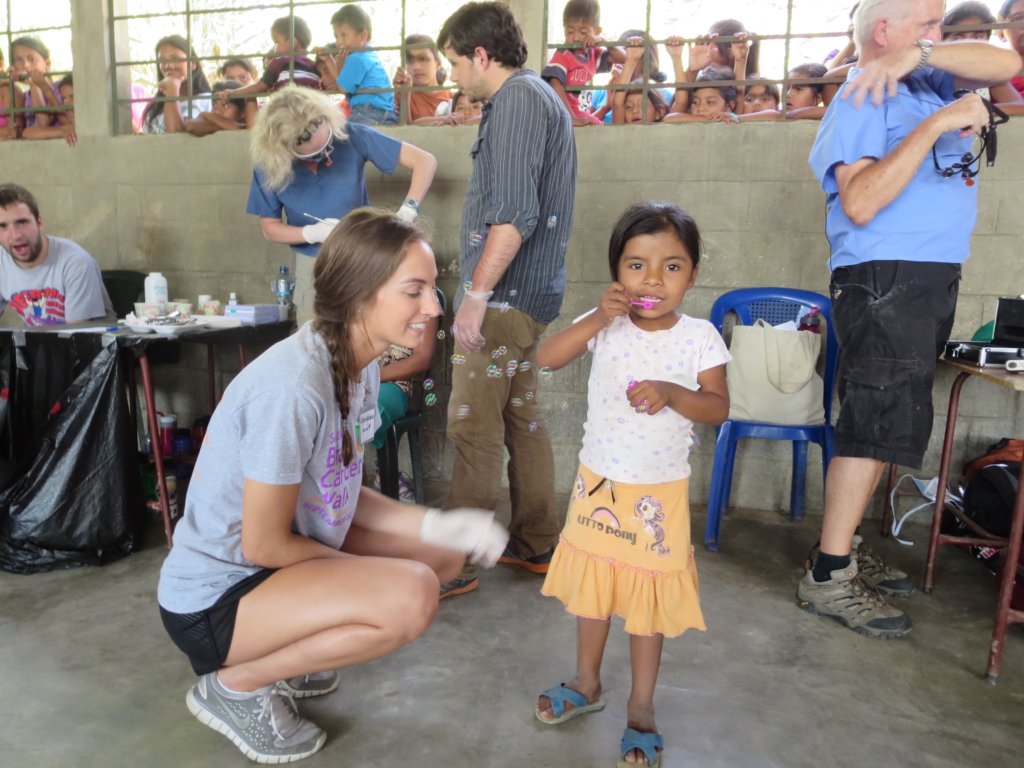
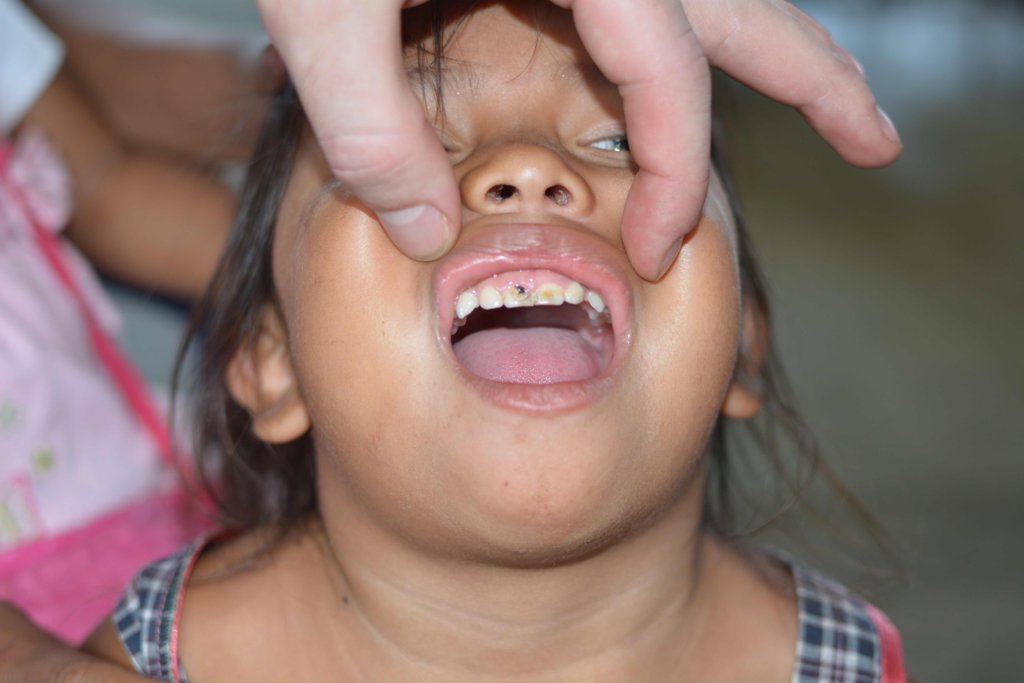
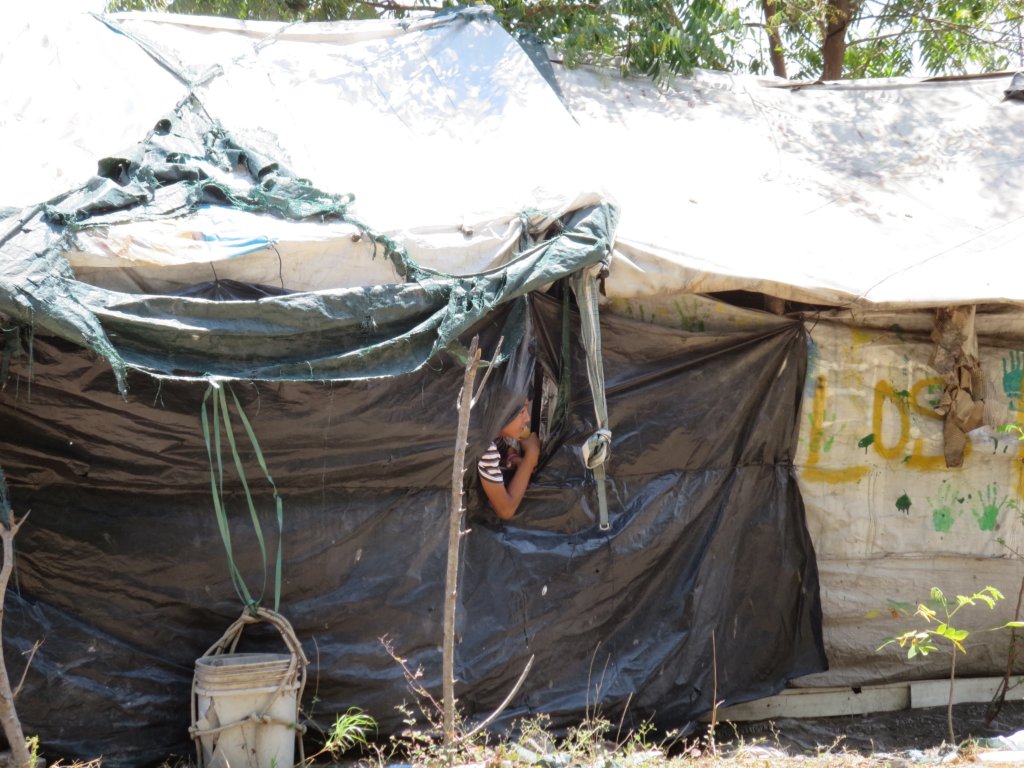
In conclusion, iron deficiency anemia appears to be problematic in children and women of child-bearing years. There is evidence that this may impact growth in children in terms of stature but not body weight. There is also evidence of the emerging problem of obesity. These trends may reflect starch-based diets that are inadequate in terms of certain nutrients (e.g. iron) but are abundent in terms of calories. Thus, Guatemala appears to struggle in terms of both forms of malnutrition - both undernutrition (iron) and overnutrition (energy intake). Because of a lack of clean, accessable water, both children and adults consume an abundance of sugar-sweetened beverages. This is partly because the cost of sugar-sweetened beverages is less than that of bottled water. As such, the problem of tooth decay is most apparent. Average number of children per household is approximately 5 (1 low; 19 high).
Project reports on GlobalGiving are posted directly to globalgiving.org by Project Leaders as they are completed, generally every 3-4 months. To protect the integrity of these documents, GlobalGiving does not alter them; therefore you may find some language or formatting issues.
If you donate to this project or have donated to this project, you can receive an email when this project posts a report. You can also subscribe for reports without donating.



Support this important cause by creating a personalized fundraising page.
Start a Fundraiser