By Kathy Beerman and Ana Maria Rodriguez-Vivaldi | Co-directors
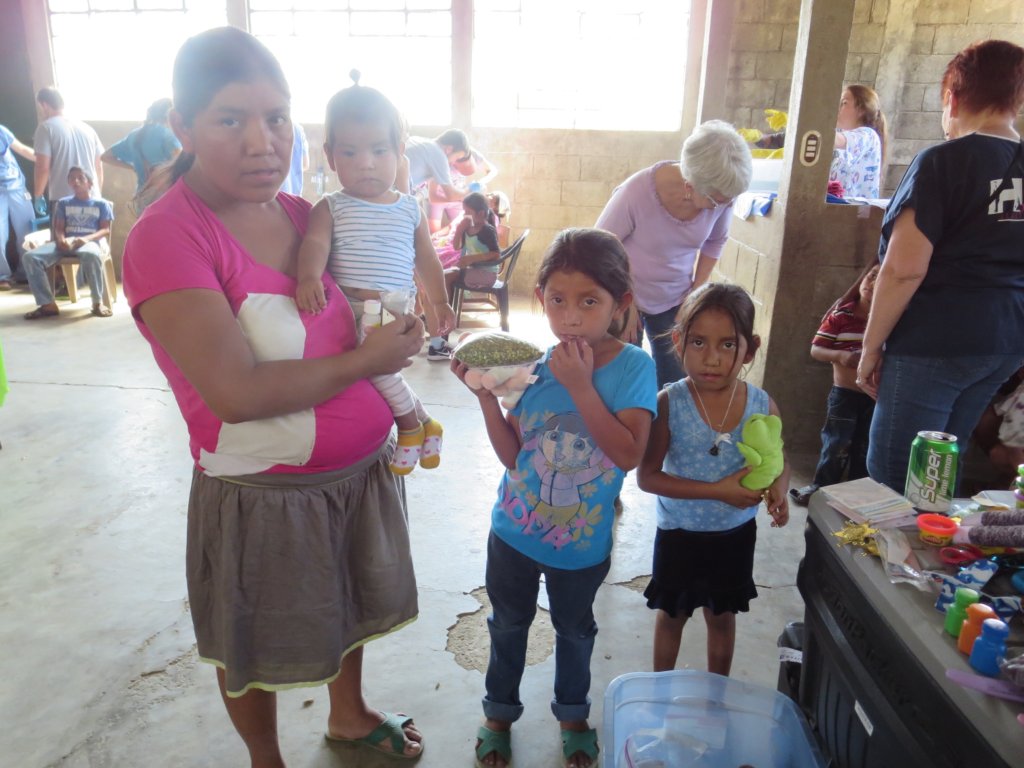
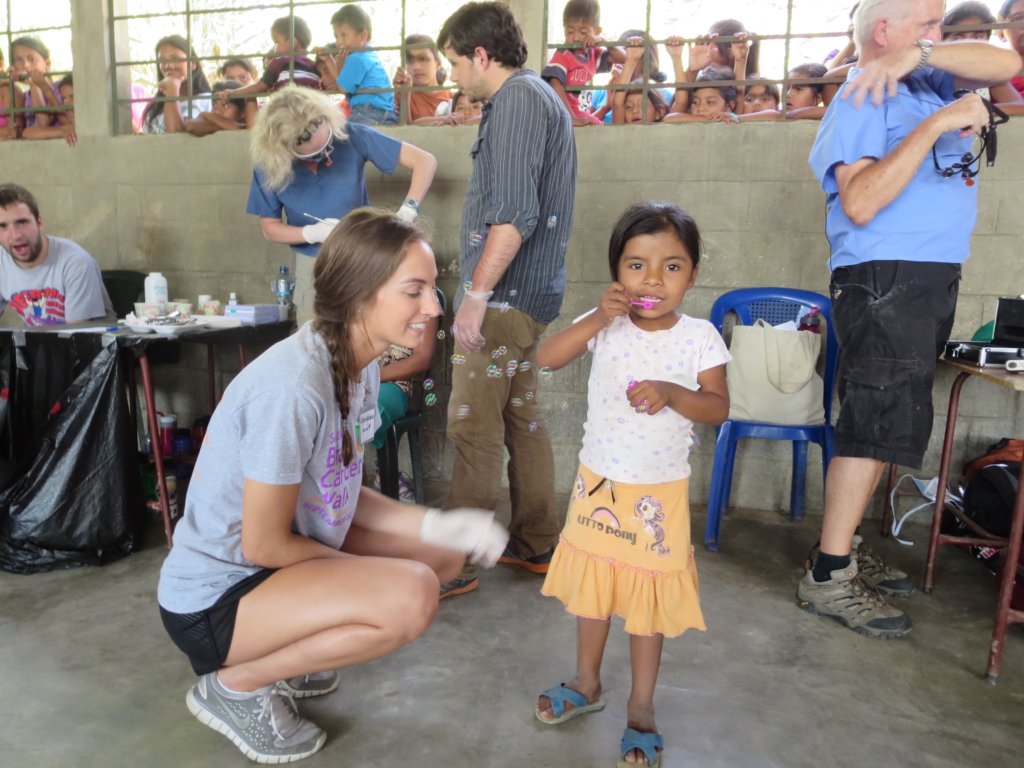
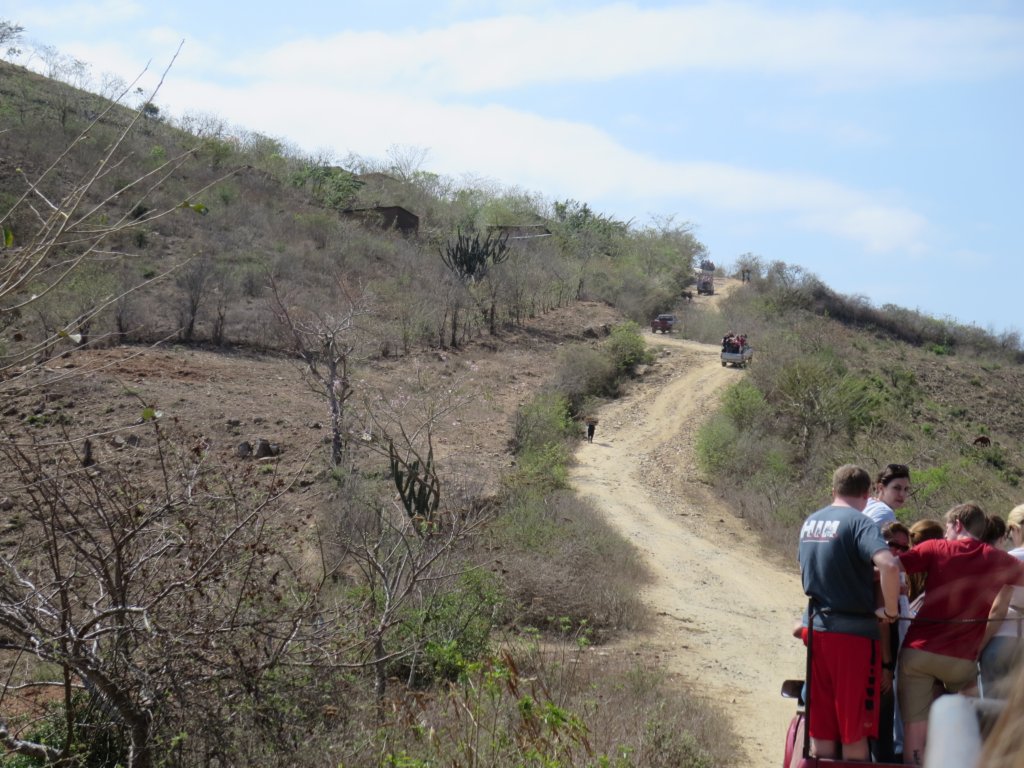
We leave in 9 days for our third year of the Lucky Iron Fish (LIF) Project in Guatemala. Once again, 25 Washington State University students will be joining us on this adventure. We are so appreciative of these amazing students that spend their spring break serving others.
There is a lot of planning and preparation to get ready for these trips. The year has been busy, including several other projects that are an extension to our original study that assessed the efficacy of the LIF in reversing iron deficiency anemia. For example, we know now which food preparation methods are most effective in enriching food with iron. This will enable us to provide culturally appropriate instructions that will better reflect how foods are prepared regionally. We compared the effect of soaking beans in iron-enriched acidified water vs. cooking beans in iron-enriched, acidified water. The results of this study helped to standardize these procedures in order to gain the greatest benefit when using LIF in anemia mitigation efforts.
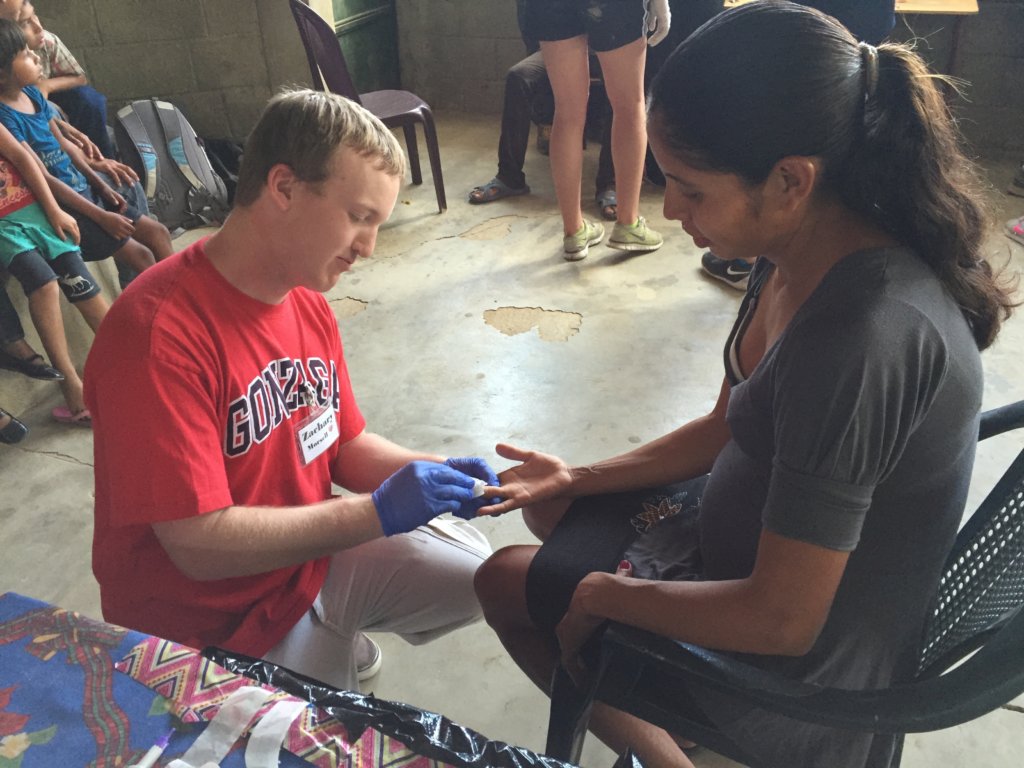
As mentioned in our previous updates, we will also screen blood oxygen saturation levels. Because many people cook in their homes on open flames, air quality can be harmful to their lungs. As such, measuring oxygen saturation levels using a finger pulse oximeter will enable us to determine if indeed this is problematic. We will let you know what we find.
Again, we thank all of you for your generous contributions that have supported this project. We will have plenty of photos to share with you when we post our next update. Please know that all donations go towards purchase of supplies that make the LIF project an on-going effort. I have included the abstract from a manuscript (see below) submitted for publication along with some photos of our work in the lab.
Best,
Kathy and Ana Maria
Program Co-directors
ABSTRACT
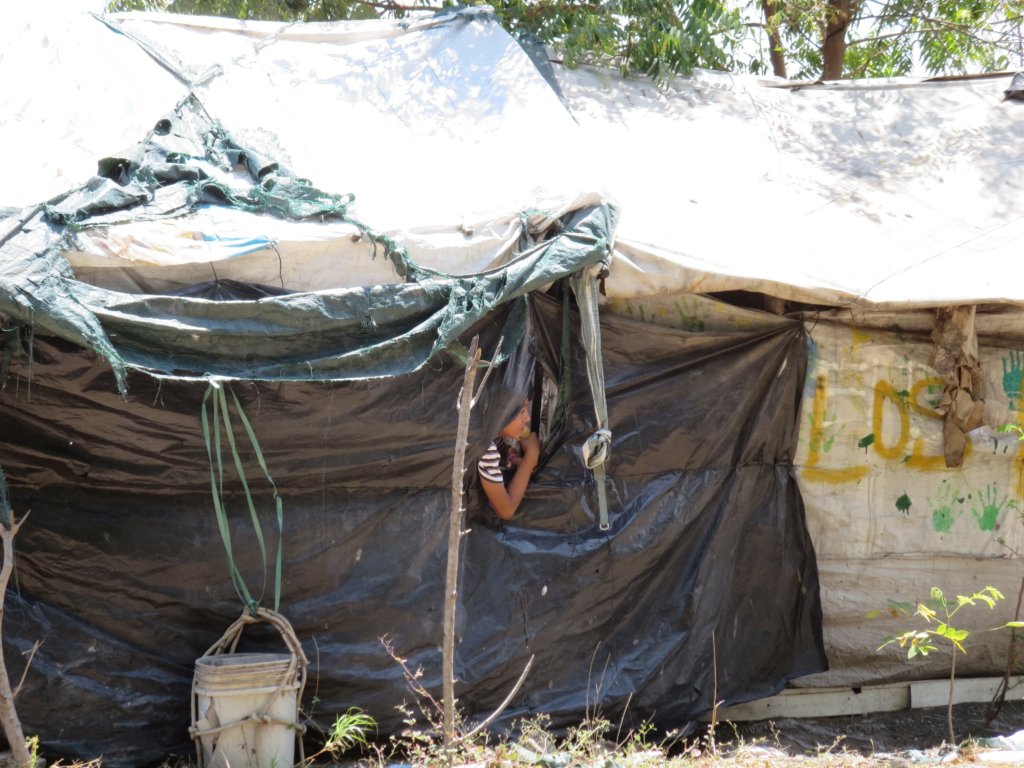
Background: According to the World Health Organization (WHO), the most common nutrient-related cause of anemia is a lack of dietary iron. In regions of the world where populations are at greatest risk for IDA, barriers make IDA screening and subsequent treatment challenging. Thus, IDA remains one of the most common, yet treatable, nutrition-related health problems in developing countries. A new approach to IDA remediation, called Lucky Iron Fish™ (LIF), overcomes many of these challenges. When placed into a pot of boiling, acidified water for 10 minutes, the LIF releases iron into the cooking water. Subsequently, the food absorbs the iron from the iron-enriched water, increasing the overall iron content of the meal. The purpose of this 52-week longitudinal study, conducted in underserved regions of Guatemala, was to determine whether or not regular use of the LIF resulted in significant improvement in iron status after 12 months of using a LIF for meal preparation.
Methods:Of the 302people screened for IDA, 145 (48.0%) met the WHO’s standards for IDA. Heads of households were instructed how to prepare meals using a LIF. Subjects were asked to consume at least one meal/d prepared with a LIF and to return 1 year later to have their iron status retested.
Findings: A total of 56 (38.6%) subjects returned after 52 weeks to have their iron status retested. A paired t test showed that mean differences in both hematocrit and hemoglobin values were significantly higher at week 52 (p-value <0.0001 and 0.0001, respectively) compared to baseline. A total of 45 (80.3%) subjects were no longer anemic at week 52, with a mean difference (follow-up being higher than baseline) in hemoglobin of 1.28 (19.6 % improvement) and a mean difference in hematocrit of 3.8 (28.5% improvement).
Conclusions: The results of this study suggests that regular use of a LIF for meal preparation offers a safe and effective means to reverse IDA in high risk populations that lack the access and financial resources to purchase iron-rich foods or dietary supplements.
Project reports on GlobalGiving are posted directly to globalgiving.org by Project Leaders as they are completed, generally every 3-4 months. To protect the integrity of these documents, GlobalGiving does not alter them; therefore you may find some language or formatting issues.
If you donate to this project or have donated to this project, you can receive an email when this project posts a report. You can also subscribe for reports without donating.



Support this important cause by creating a personalized fundraising page.
Start a Fundraiser