By Vivienne Azarcon | Development Manager
At Story Tapestries, we believe that the arts can create the conditions for people to be seen, heard, and valued. Storytelling, poetry, movement, visual art, music, and performance give people multiple ways to express who they are, listen across differences, and build understanding with one another.
That belief is at the heart of Amplifying Voices for Racial Equity in MD-DC-VA. The initiative grew from a local call to action after a rise in reported bias incidents in Montgomery County. Story Tapestries joined with community partners and concerned residents to ask how the arts could help people respond to fear, division, and silence by creating spaces for honest expression, self-advocacy, and connection.
The challenge remains deeply relevant: bias, cultural misunderstanding, language barriers, and economic inequities can leave children and adults feeling separated from one another or afraid to share their experiences. The arts offer a different entry point. They honor what is unique in each person while helping us recognize what we hold in common.
A Mission Rooted in Access, Voice, and Community
Story Tapestries' core mission is to use the arts as a powerful tool to create accessible, open spaces and opportunities for individuals to reach their highest potential and work together toward a more inclusive community. We design customized performances, workshops, residencies, and hands-on experiences that develop skills, connect people, elevate diverse voices, and celebrate children, families, adults, and seniors.
Racial equity is not a stand-alone activity within this work. Amplify US! is Story Tapestries' approach to integrating racial equity across programs, while our broader values emphasize access for all, the power of literacy and storytelling, and the belief that long-lasting change requires collaboration among many community members.
Creating Spaces Where Stories Can Be Shared
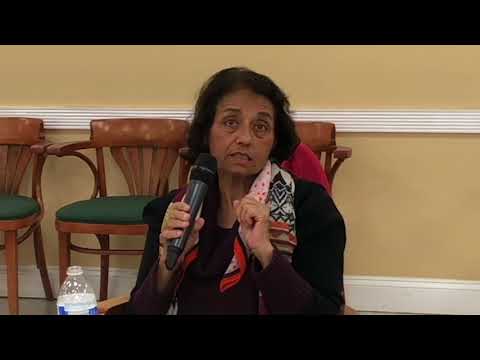
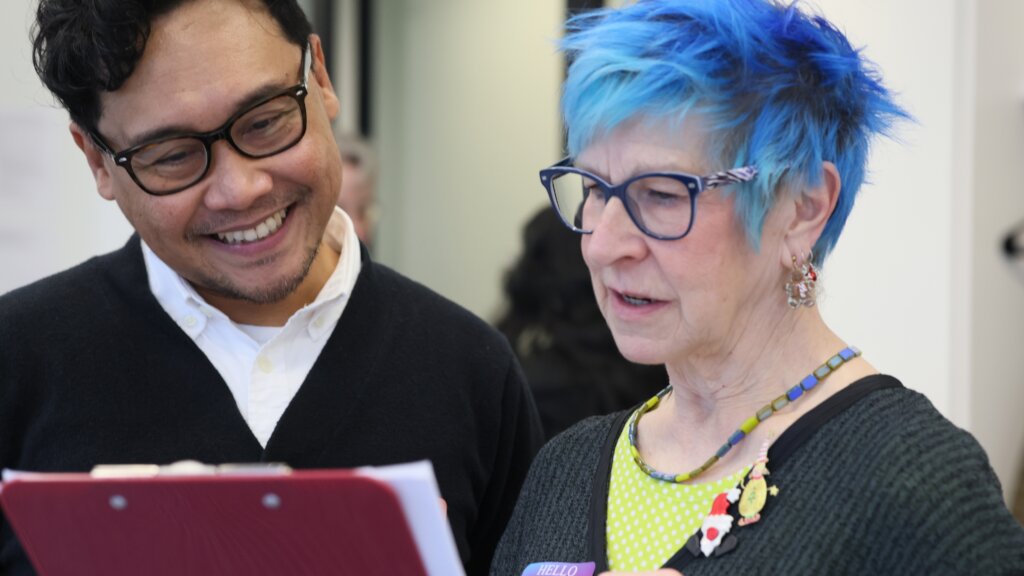
Amplifying Voices for Racial Equity uses free, accessible workshops in public and community spaces to reach people where they already gather. Participants work with professional artists across multiple art forms to explore experiences, shape stories, strengthen communication, and practice sharing their perspectives with an audience.
These workshops are intentionally nonjudgmental. Participants are given tools to name emotions, handle conflict more constructively, advocate for their needs, and listen with greater compassion. Art can make difficult conversations more approachable because it creates room for metaphor, imagination, reflection, and personal choice. A poem, a story, a movement sequence, or a visual image can open a door that ordinary conversation may leave closed.
Public performances deepen that impact. When participants are invited to share work alongside professional artists, their stories are not treated as side notes. They become part of the public cultural record - heard, witnessed, and valued by others.
Listening First: A Community-Led Approach
This work is strongest when communities are not treated simply as audiences or beneficiaries, but as partners and co-creators. Relationships and trust are the foundation. The people closest to an issue bring essential knowledge about local history, culture, strengths, barriers, and what meaningful change should look like.
For Story Tapestries, that means listening before designing, working with community partners to identify priorities, adapting programs to local context, and creating opportunities for participants to influence the direction of the work. The goal is not to impose a solution from outside, but to build with people - valuing lived experience alongside artistic and educational expertise.
When people come together around shared goals, they build confidence, collective agency, and stronger relationships. That process is itself part of the impact. Communities become better positioned to name challenges, imagine solutions, and carry learning forward after a single workshop or performance ends.
Lifting Youth Voices Through Poetry
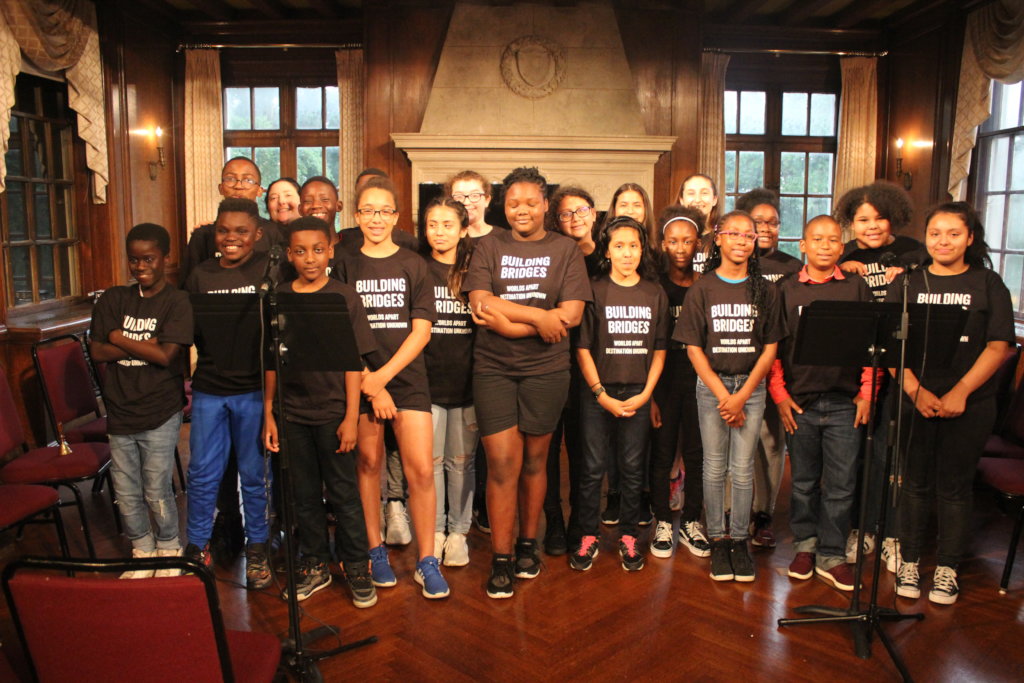
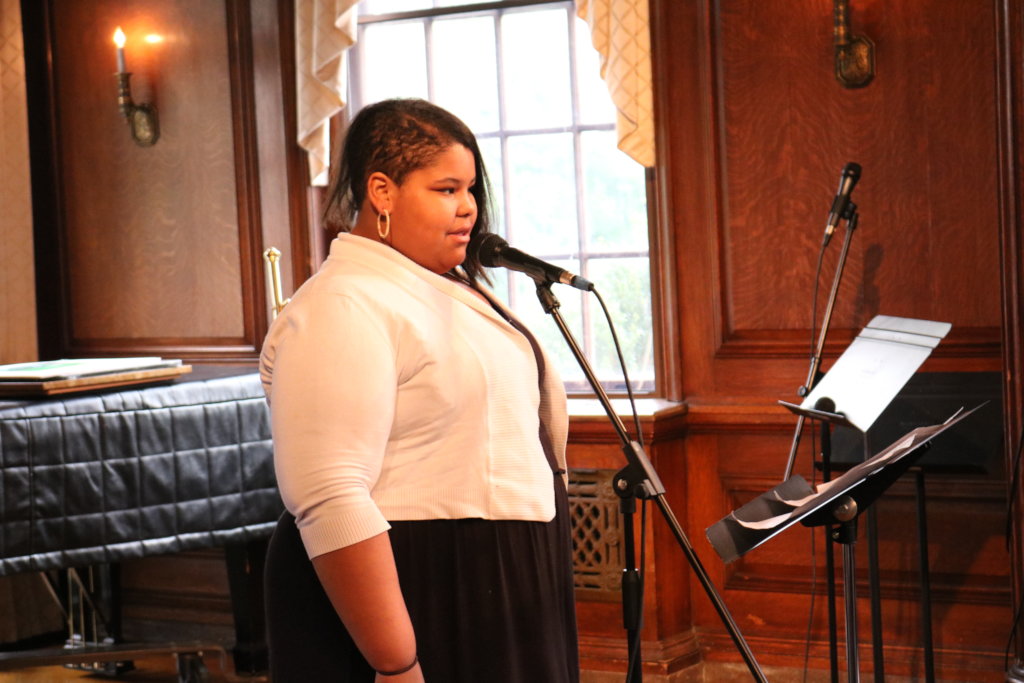
A recent example came through Story Tapestries' partnership with The Civic Circle, where middle school students shared original poetry in a public event. For many young people, stepping onto a stage is more than a performance milestone. It is an act of claiming space - recognizing that their ideas, identities, and experiences deserve an audience.
Poetry gives students a structure for reflecting on what they see around them and what they carry within themselves. Writing strengthens literacy and critical thinking; performance strengthens confidence and communication. Together, these experiences help young people practice speaking for themselves while learning to listen to the perspectives of others.
"I, Too, Am America": Voice, Identity, and Belonging
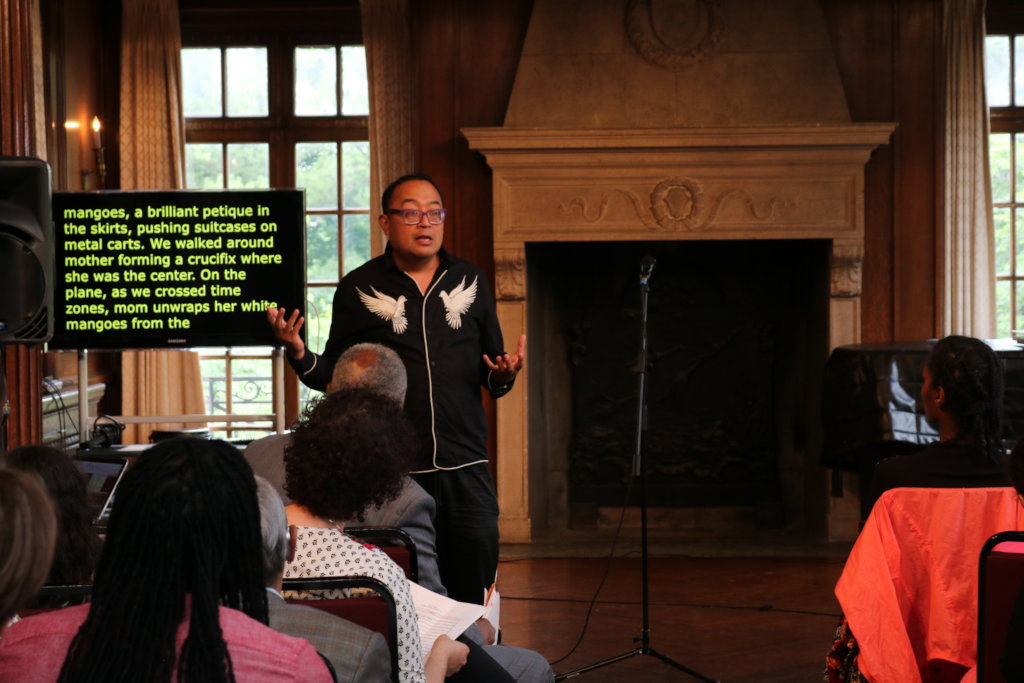
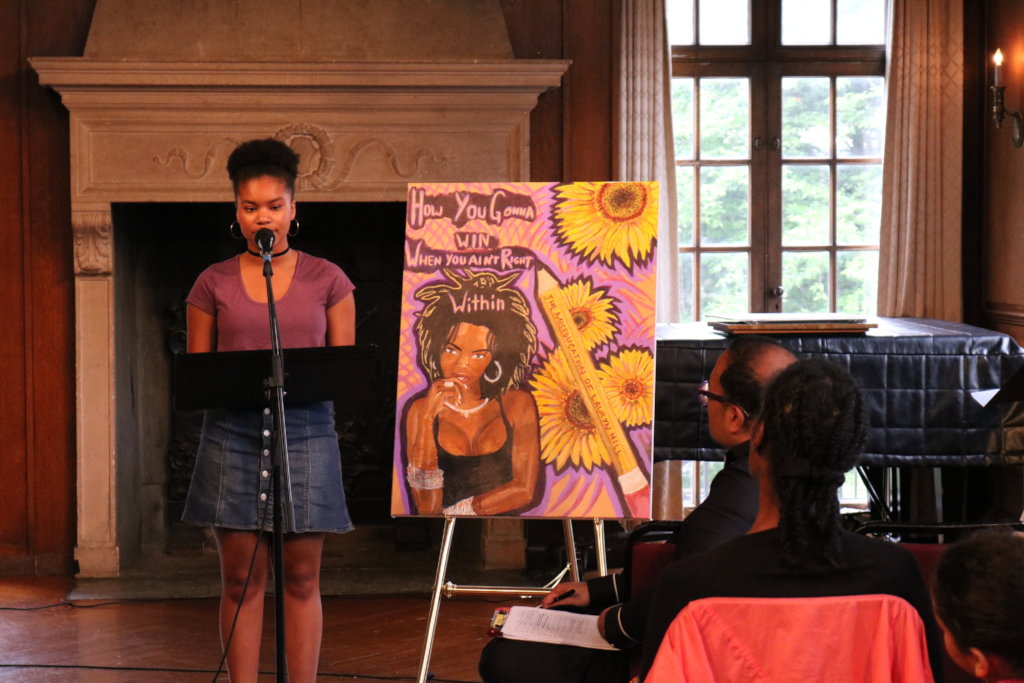
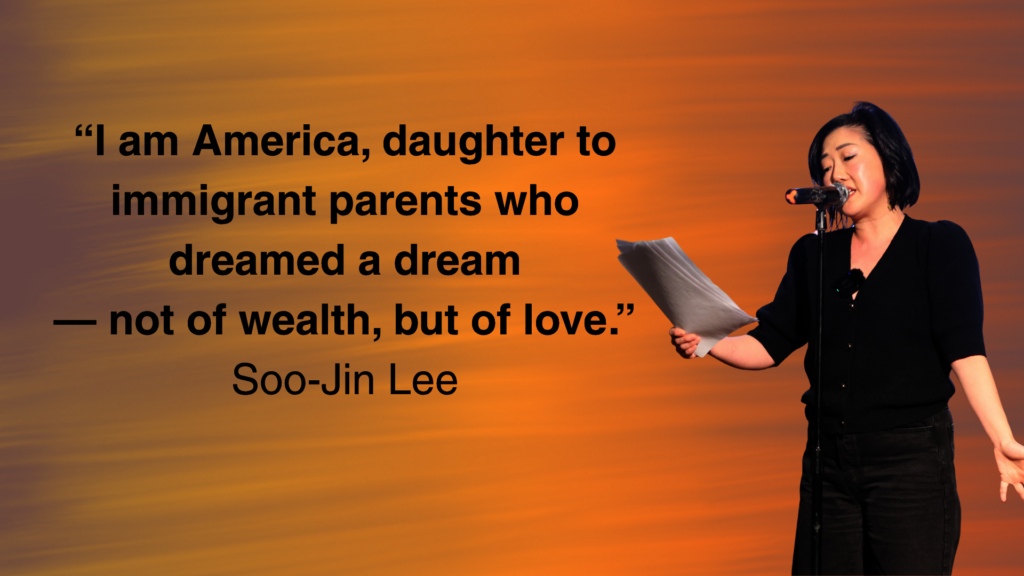
Story Tapestries also brought community writers together through the I, Too, Am America project, a series of workshops led by poets and spoken-word artists and inspired by the work of Langston Hughes. Participants explored identity, justice, belonging, and the tension between the America people experience and the America they hope to build.
The project culminated in public performance, bringing professional and community writers together. That shared stage matters. It reflects a core belief of the initiative: racial equity grows when people who have too often been spoken about have meaningful opportunities to speak for themselves, and when others are willing to listen with curiosity and respect.
As poet and Literary Journal Editor Regie Cabico has reflected, "The world may not be sturdy, but poetry will hold us up." In uncertain times, creative expression can become a place to tell the truth, practice courage, and find connection.
Amplifying Voices Through Publication
To extend the impact beyond a single performance, Story Tapestries launched the Amplify US Literary Journal, featuring work created by project participants. Publication allows a story to travel farther and last longer. A poem can reach someone who was not in the room, invite a new conversation, or help a reader recognize a part of their own experience in another person's words.
The journal also shifts who gets to be seen as an author and cultural contributor. Participants are not merely subjects of a program; they are creators whose work can shape how a community understands itself.
Explore the Amplify US Literary Journal:
2025: Reaching Communities at Scale
In 2025, Story Tapestries reached more than 1.55 million individuals. The organization's impact included 650,261 children and 805,234 adults, with programs spanning education, mental health and wellness, workforce development, digital solutions, and community engagement.
The communities we serve reflect the diversity of the region. Across Story Tapestries' average audiences and workshop participants, approximately 48% are Hispanic, 32% African American, 7% Asian American, 5% Caucasian, 2% multiracial, and 6% identify in other categories. Many participating schools and communities also face significant economic and educational barriers, making low- and no-cost access essential.
The 2025 report also found that 98% of participants would recommend Story Tapestries to another school or community - an important sign that people experience these programs as relevant, welcoming, and worth sharing.
Links:
Project reports on GlobalGiving are posted directly to globalgiving.org by Project Leaders as they are completed, generally every 3-4 months. To protect the integrity of these documents, GlobalGiving does not alter them; therefore you may find some language or formatting issues.
If you donate to this project or have donated to this project, you can receive an email when this project posts a report. You can also subscribe for reports without donating.



Support this important cause by creating a personalized fundraising page.
Start a Fundraiser