By Connie Keung, MD | AMPATH Surgery Team Leader
Palliative Care is defined by the WHO as “an approach that improves the quality of life of patients and their families facing life-threatening illness through early identification and impeccable assessment and pain treatment of pain and other problems, physical, psychological, and spiritual.” Even before palliative care was officially recognized as an official sub-specialty in 2006, the need for its services on a global scale has been overwhelming. From 2007 to 2018, palliative care has grown on the African continent from 14 institutions to over 70. While such growth is profound, the focus of palliative care is currently narrow and most often in medical oncology. Therefore, many other high-risk patient populations who suffer from high pain and symptom burdens, surgical patients in particular, are left unaddressed.
Surgical disease represents nearly 30% of the global disease burden, and spans 100% of disease sub-categories. Due to limitations in operating room availability, supplies and trained surgeons, even patients who are able to reach the hospital may not receive the care they require. Therefore, patients who are younger, have treatable conditions, and do not require complex surgeries still face high rates of mortality and suffering. It has been shown that early palliative care intervention in surgical patients can decrease complications, improve quality of life, reduce healthcare costs, and increase survival. However, the sheer numbers of patients in need overwhelm the budding, under-staffed and under-resourced palliative care teams present. Therefore, surgical patients are often not linked to palliative care until death is imminent. This leaves patients to not only face astounding health inequality, but they must also do so in the midst of great pain and suffering.
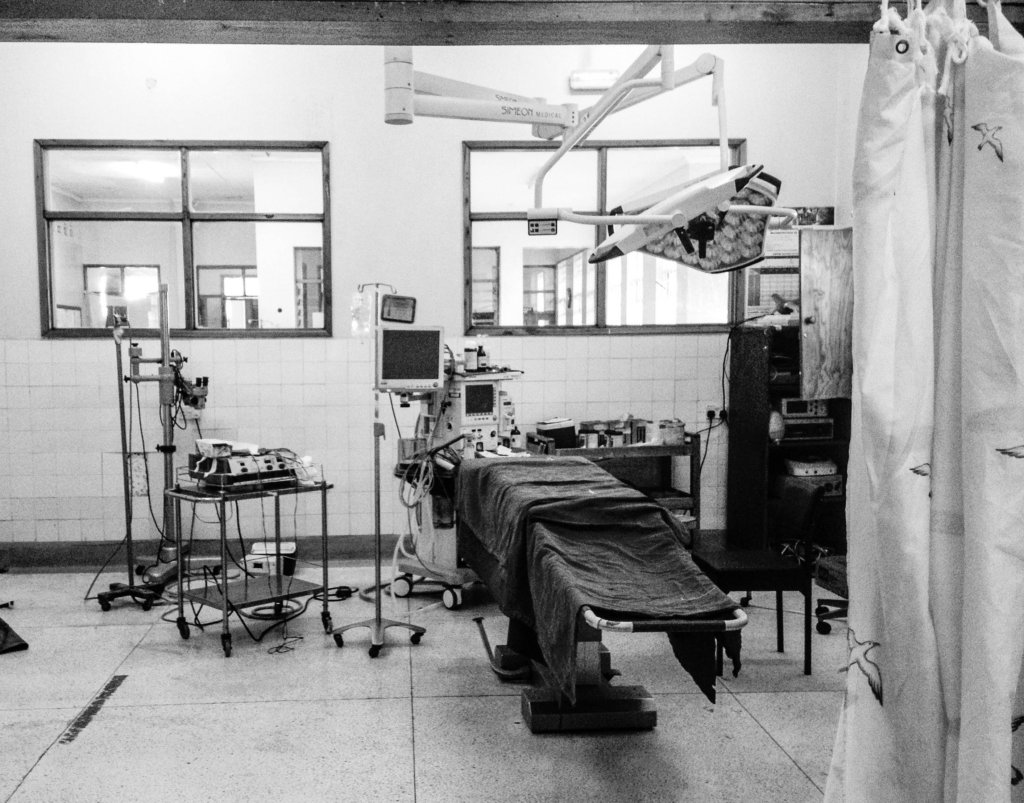
At MTRH, palliative care is integral to the surgical care delivery. Many diseases that could have a surgical cure, present late with metastatic disease. 90% of our surgical oncology care is palliative in nature. Rather than curative resection, we perform surgeries to bypass tumors so that patients can be comfortable. AMPATH surgery has been working closely with the palliative care team to understand the need and deliver the appropriate care. Your donation will support this effort.
Project reports on GlobalGiving are posted directly to globalgiving.org by Project Leaders as they are completed, generally every 3-4 months. To protect the integrity of these documents, GlobalGiving does not alter them; therefore you may find some language or formatting issues.
If you donate to this project or have donated to this project, you can receive an email when this project posts a report. You can also subscribe for reports without donating.


Support this important cause by creating a personalized fundraising page.
Start a Fundraiser