By Tatiana Rehakova | Project Leader
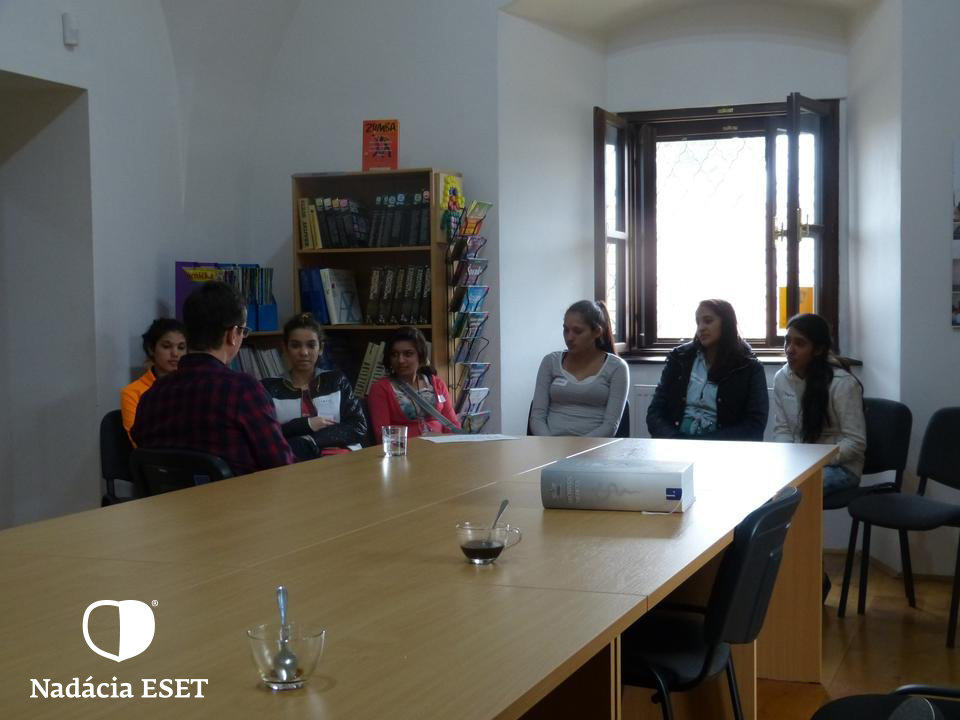
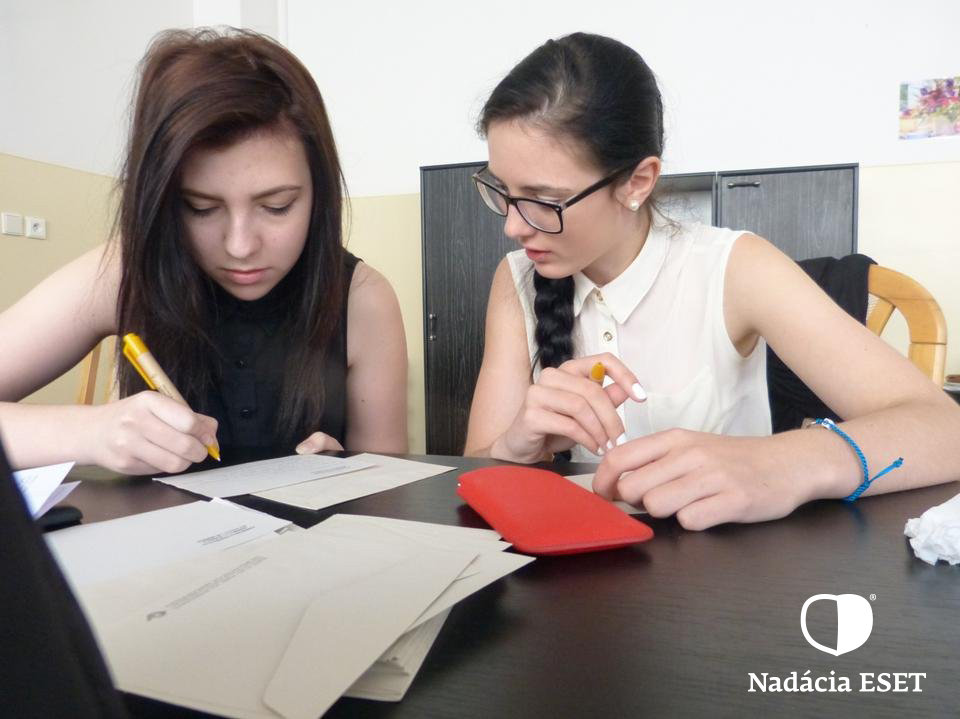
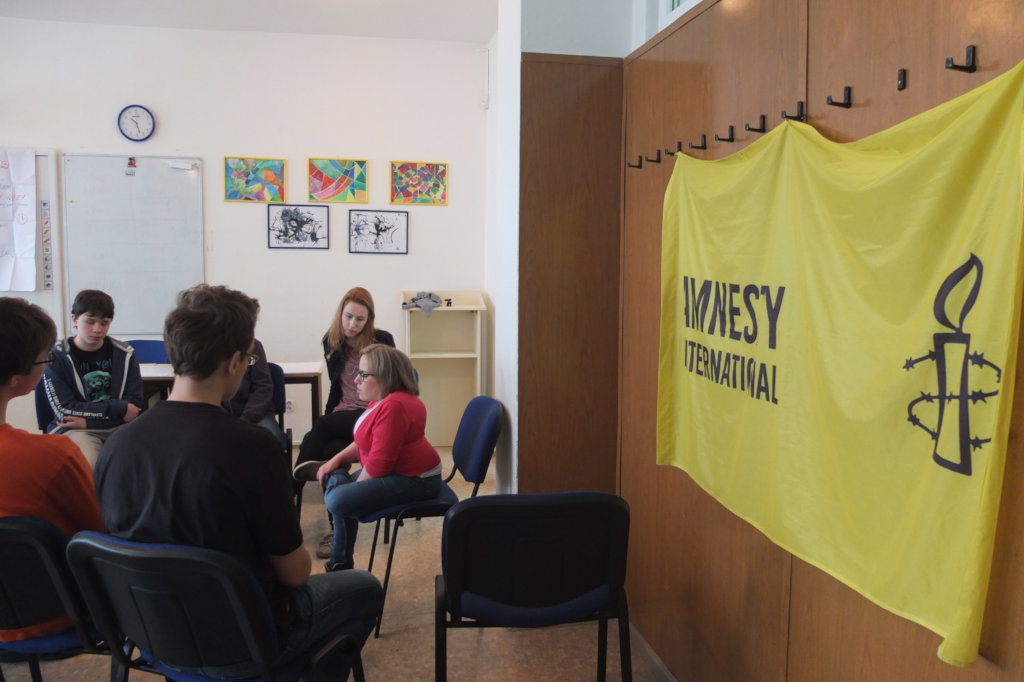
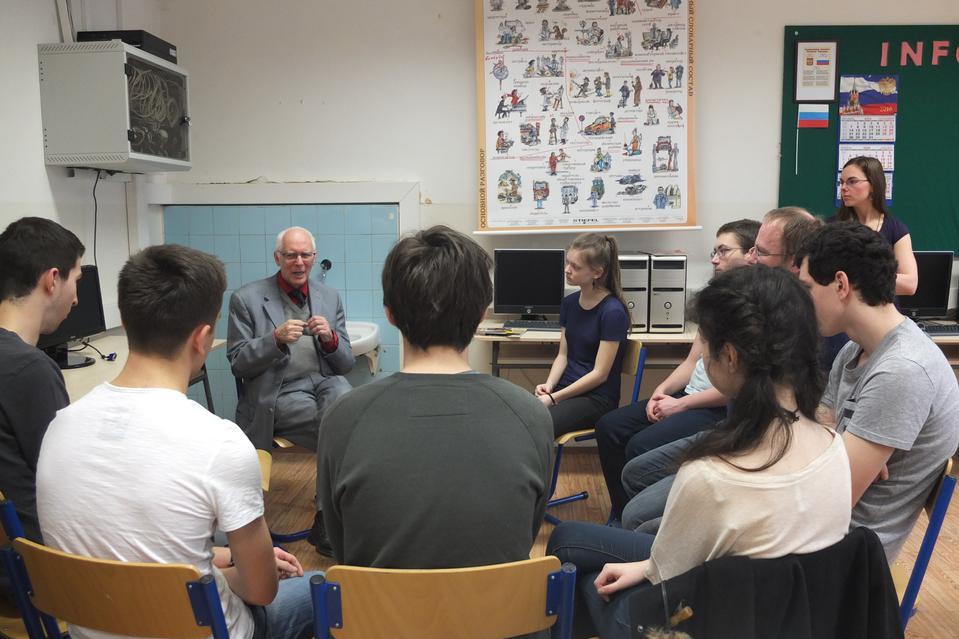
The living library is an educational programme implemented in secondary schools which provides students with an excellent opportunity to learn about remarkable fates of human books – people with extraordinary personal life stories to share. For many young people it is often for the first time whatsoever they get to meet a minority group. When we ask students what they would change about the living library event they went to we get answers like: “there was not enough time” and “we'd like to have more readings”.
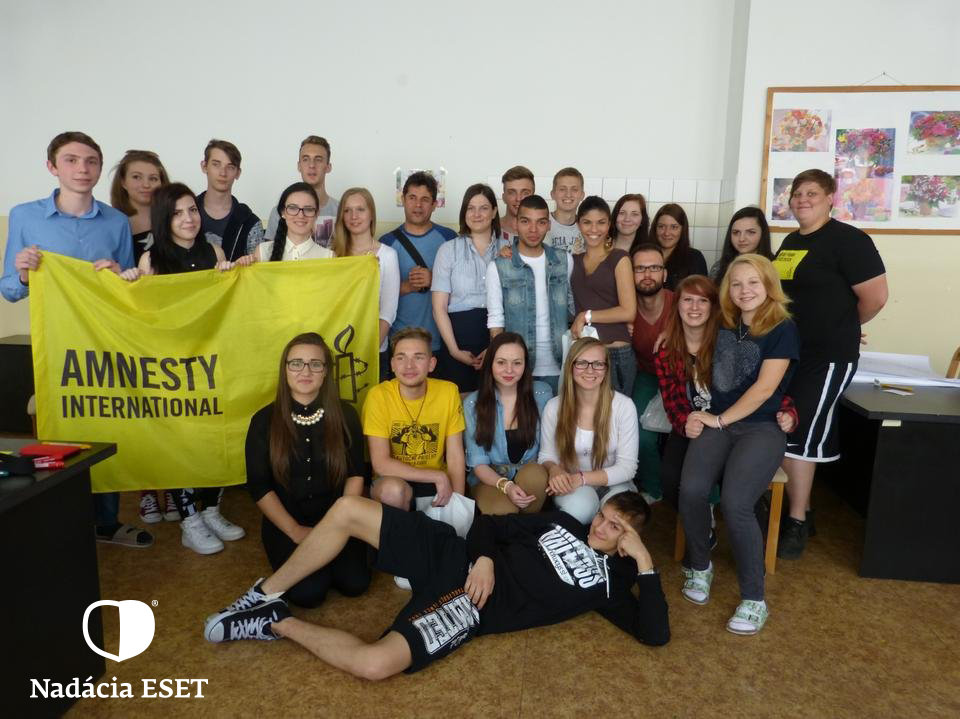
We received similar answers from students of the Secondary Vocational School of Chemistry (Vlcie hrdlo, Bratislava) and also from students of the Evangelical Lyceum (Vranovská ulica, Bratislava). During the living library events students had the opportunity to meet Eugen and hear about his story of a man without a home, Edko and Ado who talked about what it is like being gay and growing up in Slovakia, Azim who shared his experience of living in Afghanistan and Slovakia, Venus who told her story of escape from Iran and provided the opportunity to take a closer look at the Bahá'í faith, and Yasmin who talked about the way of life in Ukraine. We visited the schools again after six months and asked the students whether the experience has changed their lives and if so, in what way. Here are some reactions:
“I was anti-immigration but Amnesty International opened my eyes and made me see. The virtual reality was full of negative news but when I got the chance to join Amnesty International I have realized that not all of them are bad people. The way I look at minorities has changed and I have also started helping others.”
“After the living library event I have started to see homosexuals in a new light. I respect their value as human beings more than before.”
“My attitude towards human life as such is not the same anymore. I only cared about myself and the people who were part of my life's journey but now I tend to care about others as well.”
“I have changed the way I look at the minorities we discussed. Before that I used to treat them in a quite patronising manner.”
“I have adopted a new stance and approach towards homeless people – it is no longer about condemning them.”
“The way I feel about homeless people has changed. It would be unfair to think that all of them are solely to blame for having ended up on the street. It is not the case that every homeless person needs money for drugs and alcohol.”
“I no longer condemn minorities so much. I am also more responsive to violations of human rights and want to help those people.”
“After the living library experience I take a back seat when judging homeless people because I have realized that it does not have to be necessarily their fault that they ended up on the street.”
“I believe that my ideas of the outside world and what is happening in it have changed now and so has my point of view. I have adopted a slightly different attitude towards homeless people.”
“I no longer hate Arabs and I have started helping children at crisis centres by volunteering as a magician.”
I have changed the way I perceive minorities and started helping other people. I volunteer at a crisis centre where I, among other activities, organise the International Children's Day. I look at people differently and try not to judge anyone at first sight but rather reflect upon their fate.”
Project reports on GlobalGiving are posted directly to globalgiving.org by Project Leaders as they are completed, generally every 3-4 months. To protect the integrity of these documents, GlobalGiving does not alter them; therefore you may find some language or formatting issues.
If you donate to this project or have donated to this project, you can receive an email when this project posts a report. You can also subscribe for reports without donating.