By Vita Ivanchenko | Project Manager
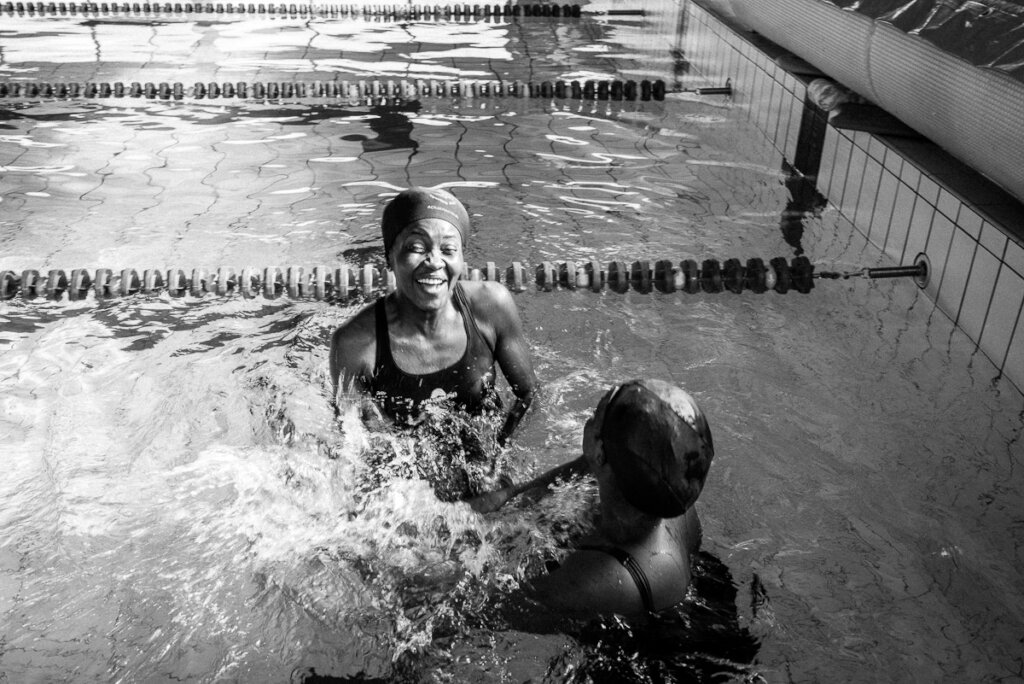
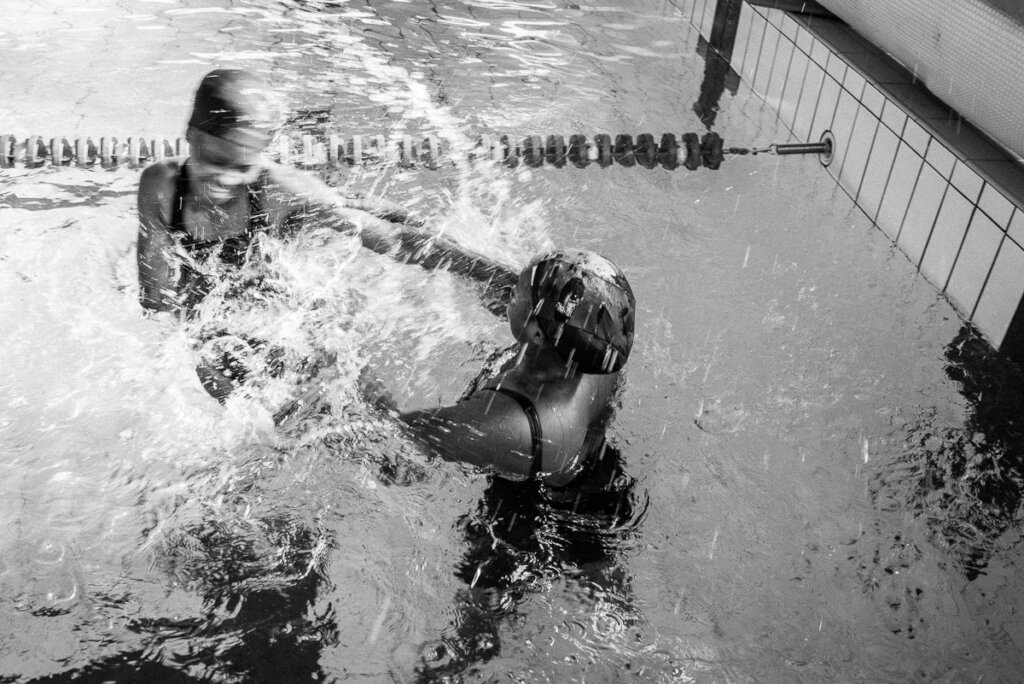
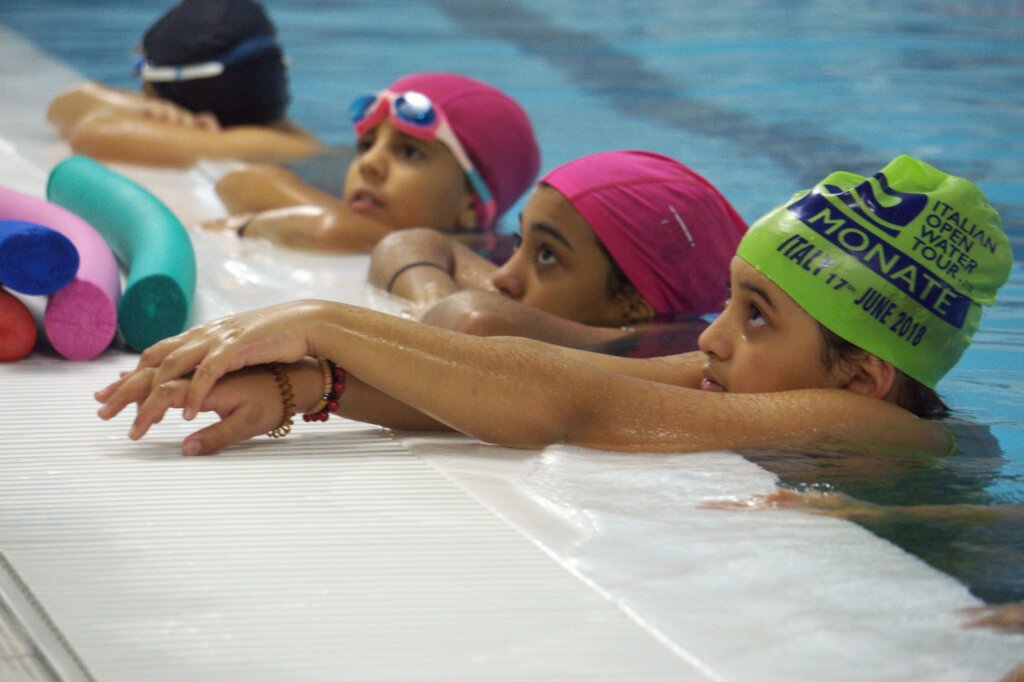
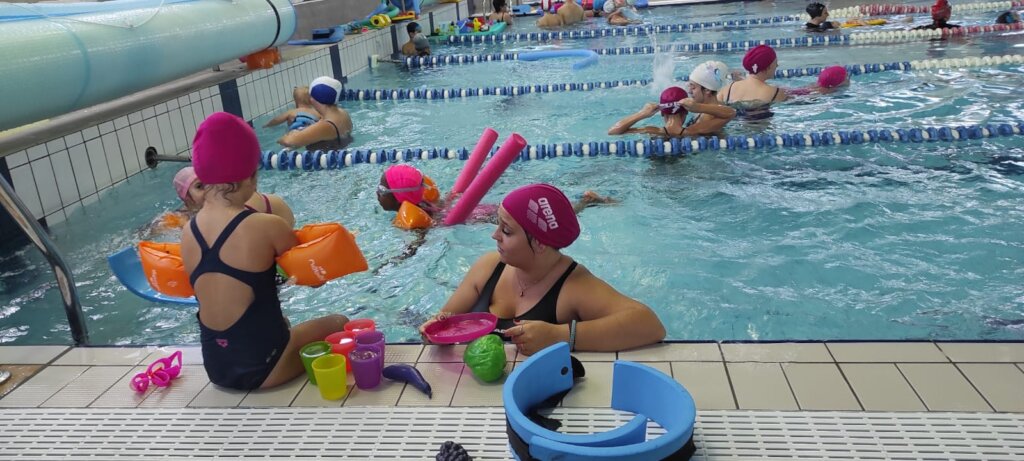
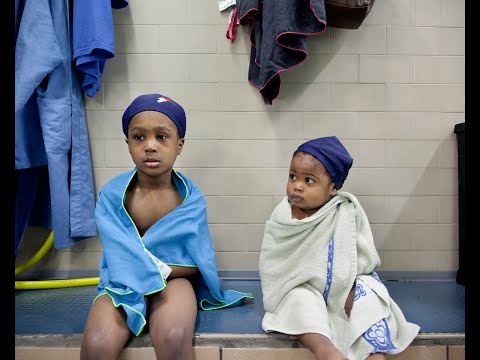
A free year-long aquatic activity programme was delivered to 40 beneficiaries—parents and children aged between 6 months and 6 years—enrolled in the international protection system for asylum seekers and refugees (SAI - Sistema di Accoglienza e Integrazione), with particular attention given to individuals who had experienced water-related trauma. Through the educational and therapeutic value of sport, the initiative promoted inclusion and social integration, with the support of a multidisciplinary team including educators, psychologists, and qualified swimming instructors.
By creating opportunities that connect emergency assistance with longer-term integration pathways, the project helped reduce the sense of isolation and vulnerability often faced by refugee families. Participation in the Amica Acqua programme encouraged the development of positive social connections, improved physical and emotional well-being, and supported preventive health outcomes for both children and adults.
A central element of the project was its community-based approach, aimed at strengthening local support networks. Collaboration among reception centres, sports clubs, volunteers, and Sport Senza Frontiere staff contributed to building an inclusive environment that reinforced both beneficiaries' integration journey and community cohesion. Participants adapted well to the sporting context, engaged enthusiastically in the activities, and embraced the opportunity to develop swimming skills.
The selection of project beneficiaries was carried out in partnership with the reception centres, whose knowledge of the individuals’ backgrounds and circumstances played a key role in the process. Sport Senza Frontiere’s administrative and coordination team handled all organisational aspects with the sports facility, including the definition of agreements, the planning of activities, and the management of access to the swimming pool for beneficiaries and project personnel.
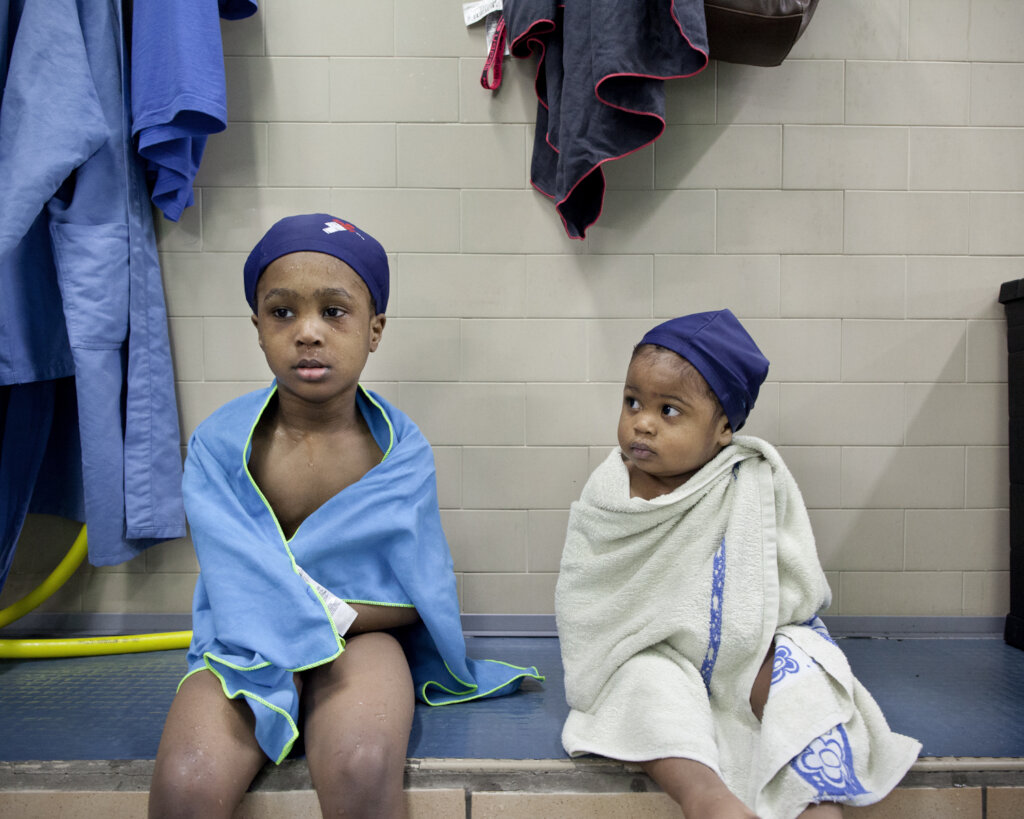
Sport Senza Frontiere purchased all the equipment necessary to ensure that beneficiaries could take part in the aquatic activities safely and comfortably. In particular, both adults and children were provided with essential swimming gear, including swim caps, towels, swimsuits, and flip-flops.
The project team and the Sport Instructor delivered guidance and training sessions to the swimming pool staff, focusing on the implementation of the aquatic activities and on effective approaches for supporting and engaging with beneficiaries experiencing social and psychological vulnerability.
The course has been realized thanks to the valuable work of the Instructors (one instructor appointed by Sport Senza Frontiere and the other one provided by the hosting sports facility). From a technical perspective, the weekly water sessions achieved the following outcomes:
Enhance participants' comfort with water, allowing them to move freely and confidently without support.
Preserve and develop innate aquatic skills in children.
Make participants acquire breathing and floating techniques.
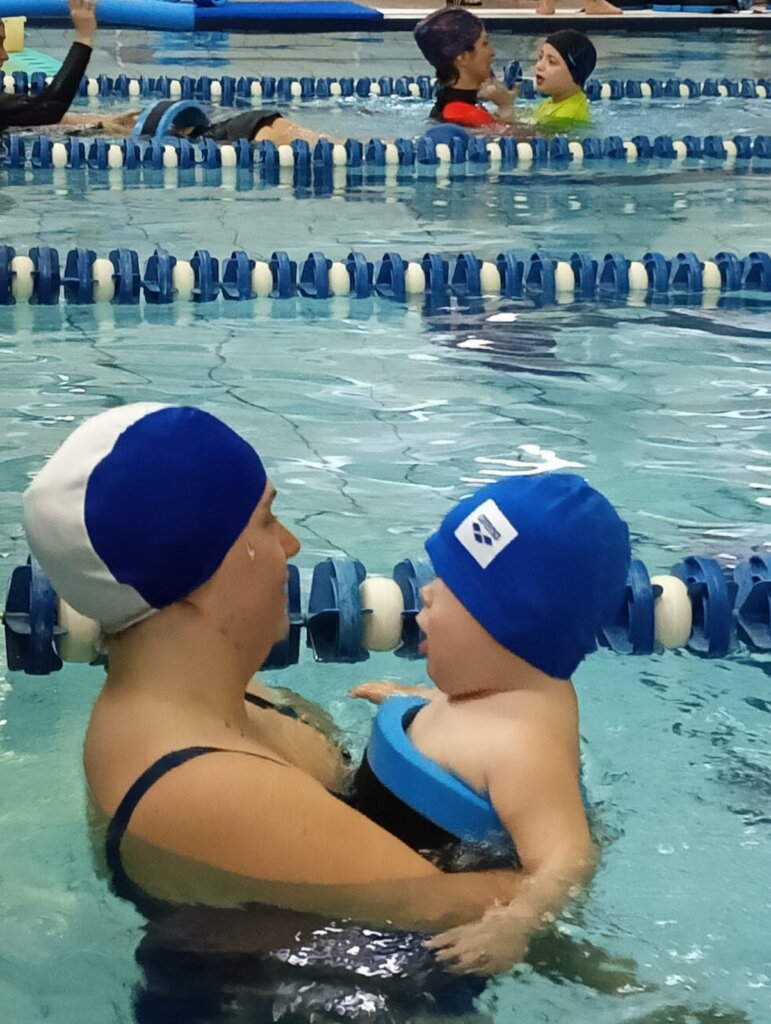
Strengthen mother-child and family relationships, as well as interactions with technical and support staff.
Improve the socio-relational and communicative skills of the beneficiaries.
Sport Senza Frontiere provided a transportation service for beneficiaries to reach the sports facility, also taking care of the SSF staff transfers.
From recruitment through to the end of the rehabilitation process, the project staff -comprising the Coordinator, psychologist, and educators—conducted a continuous monitoring. This involved regular interaction with both instructors and beneficiaries to track progress toward the project's objectives. Monitoring has been supported by maintaining and updating descriptive personal data sheets for each family group and by providing psychological counseling sessions for beneficiaries.
Number of aquatics lessons the children received: 25
What was taught at these lessons? Lessons were aimed at acquiring basic swimming skills and greater confidence in water. At first, trainers worked on floating and breathing exercises to help participants, both adults and minors, become familiar and confident with water. Then, lessons included water games and exercises aimed at improving motor skills.
What skills were obtained? All beneficiaries obtained a sense of comfort and greater safety in water, as well as a significant improvement in swimming abilities.
How many water safety lessons or awareness talks did the children receive? 3 water safety lessons were provided, in combination with the teaching of aquatic techniques.
What were the basic skills taught during these classroom sessions? Trainers worked on collaboration, trust and safe behaviours in water. Participants enhanced their floating and breathing skills in water, moreover they understood the risks of having wrong behaviours while in water and they enhanced the ability to relate in a collaborative manner with the trainers and with other participants.
SSF 3 educators and the psychologist, in collaboration with the sports center staff and with the reception centers’ operators, carried out constant monitoring throughout the course. This included active observation of the lessons, collection and updating of personal and descriptive information for each family unit, psychological counseling sessions, socio-relational support, assistance and support for minors in the pre- and post-lesson preparation phase in the changing rooms, and promotion of an inclusive environment.
Apart from the Educators and Psychologist, each session was supported by a dedicated team composed of an SSF Sports Instructor, a swimming instructor provided by the hosting organisation (UISP), and a lifeguard. The team was supervised by the Project Coordinator and supported by staff members from the five partner reception centres, who attended the activities to accompany and assist the beneficiaries, leveraging their in-depth knowledge of their personal backgrounds and needs.
4 Volunteers represented a valuable resource throughout the project: they contributed to maintaining an effective and supportive environment both poolside and in the complex management of changing room logistics. Since 2018, Amica Acqua has continued to prove its ability to attract numerous volunteers with educational and sports-related expertise, thanks to the strong emotional impact and social value generated by the initiative.
The objective of the project was to transform the emotional trauma experienced by refugee parents and their children through a "new" relationship with water, with the support of educators and psychologists, promoting social inclusion and monitoring the physical and psychological well-being of the beneficiaries.
The results show progress in motor skills (greater safety in water and improvement in swimming abilities), psychological well-being (increased self-confidence and self-esteem), and social relationships (development of new friendships and improvement in group interactions).
Expected results have been totally achieved.
ACHIEVED RESULTS
Physical and Mental Well-being: motor and cognitive development has been promoted through water activities.
Social Integration: an inclusive environment where beneficiaries can interact and socialise has been created. To encourage greater participation, a dedicated swimming course has been introduced.
Family Support: moments of leisure and tranquillity for families have been offered, helping them to build new support networks.
The participants came from five different reception centres:
Casa Dalia
Casa di Accoglienza Xenia
CAS Nomentana
CAS Hotel Cassia
CasArchè
A significant coordination effort was required with the five partner reception centres to present the project's objectives and identify potential beneficiaries before the start of the aquatic programme. The implementation of this initiative enabled Sport Senza Frontiere to strengthen and expand its network of partner organisations.
As the centres were located in different areas across Rome, at considerable distance from one another, careful planning was also needed to organise transportation. Sport Senza Frontiere developed an efficient transport routine to collect all participants and ensure their regular attendance.
Beneficiaries represented more than ten countries of origin (including Italy, Ukraine, Egypt, Nigeria, Cameroon, Peru, India, Romania, Congo, Azerbaijan, Palestine, and Tunisia), creating a highly multicultural group.
In December, a Palestinian family group joined the project, followed by two additional groups in February. The active participation of three fathers is particularly noteworthy, representing a significant step towards redefining caregiving roles within families. The project also included a five-year-old girl with a visual impairment (low vision), and therefore with specific needs.
During the implementation phase, some needs emerged that had not been initially anticipated, resulting in additional costs.
The value of the project is fully reflected in the stories of transformation and growth experienced by our young beneficiaries.
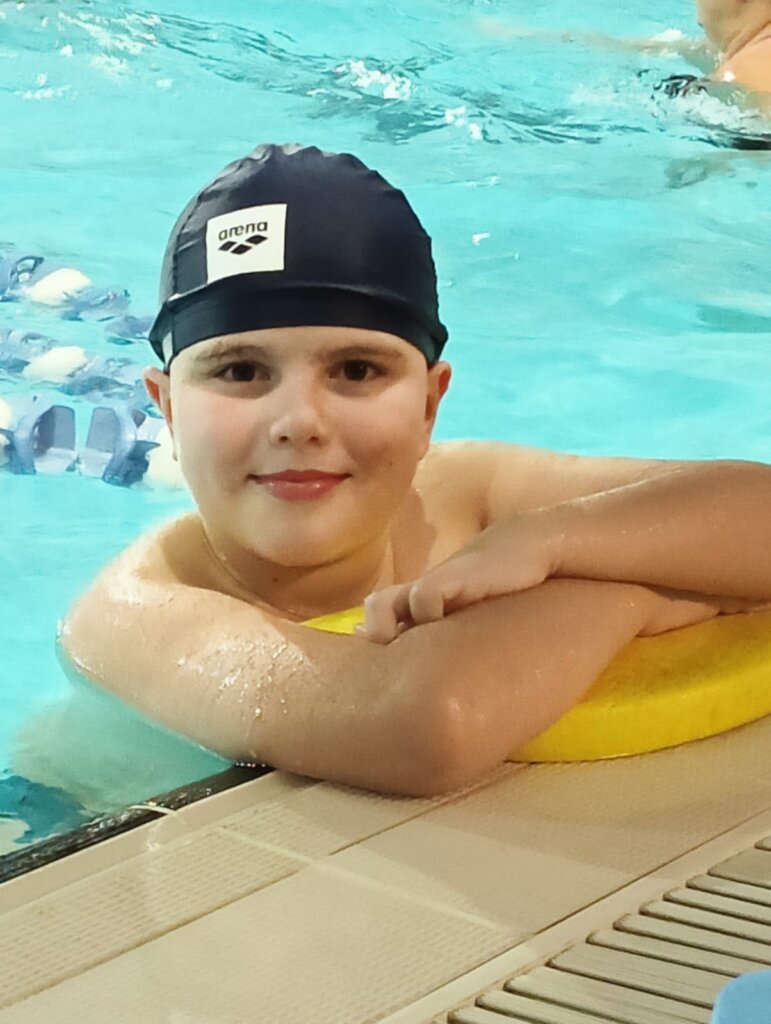
One particularly meaningful example is Sebastian, a child living in one of the reception centres who will start primary school in September. When he first joined the swimming activities, he showed strong resistance, deep fears, and significant physical rigidity. Over time, he gradually came to experience the aquatic environment as a safe and welcoming space. During the final sessions, Sebastian demonstrated remarkable progress in his swimming skills and a significant increase in his self-confidence. He left the project staff with a sentence that perfectly captures the essence of our work: “When I am in the water, I feel strong, and I want to join a real swimming course!”
Project reports on GlobalGiving are posted directly to globalgiving.org by Project Leaders as they are completed, generally every 3-4 months. To protect the integrity of these documents, GlobalGiving does not alter them; therefore you may find some language or formatting issues.
If you donate to this project or have donated to this project, you can receive an email when this project posts a report. You can also subscribe for reports without donating.



Support this important cause by creating a personalized fundraising page.
Start a Fundraiser