By Bill Brower | GlobalGiving Field Program Officer
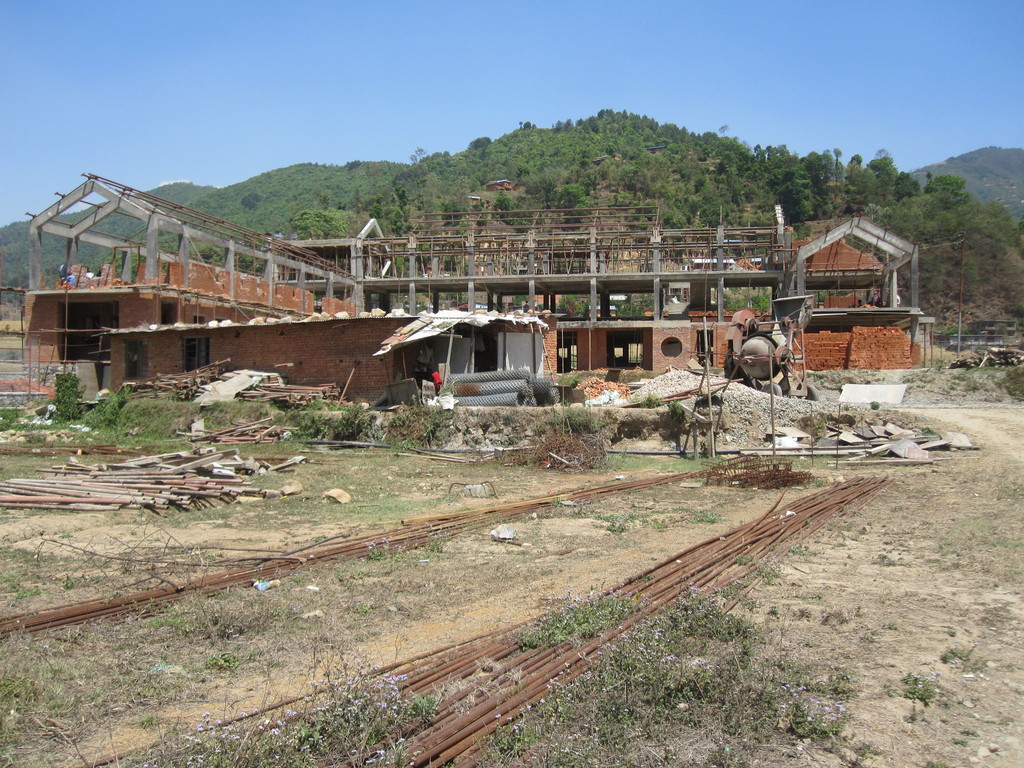
Bill Brower is a Field Program Officer with GlobalGiving who is visiting our partners’ projects throughout South and Southeast Asia. On April 25th he visited the construction site of Ama Ghar’s new children’s home. His “Postcard” from the visit:
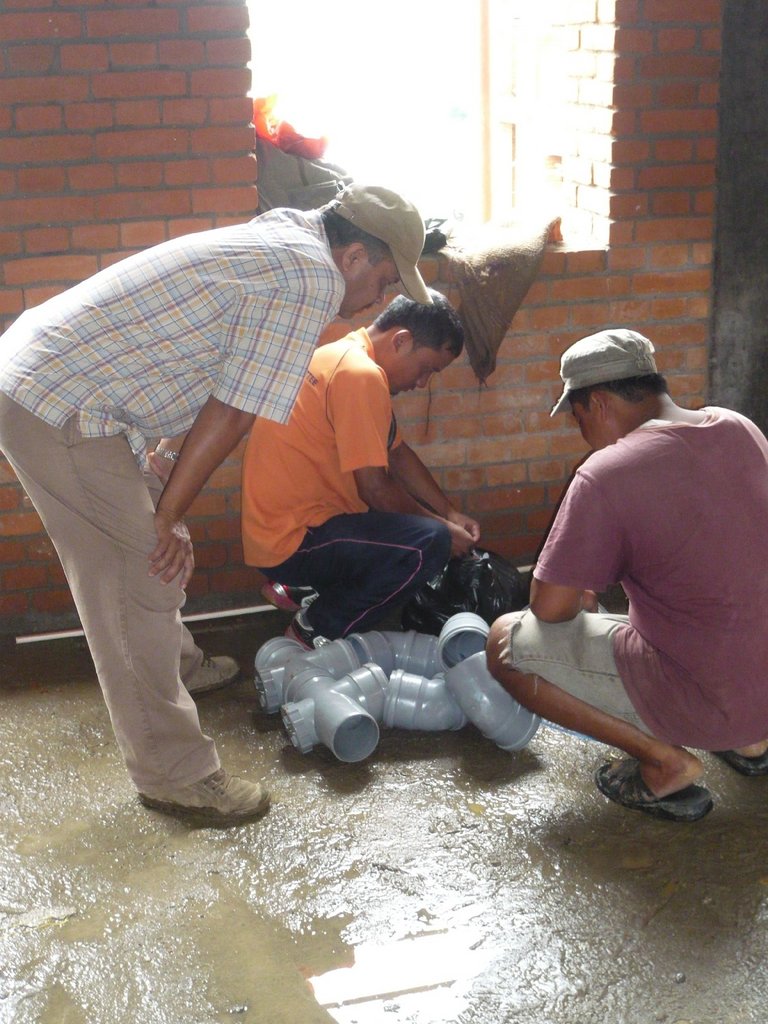
“I grew up with my dad taking me to see irrigation ditches around the world.” Perhaps not every child’s idea of an exciting day out but in Bonnie Ellison the influence of her agricultural engineering father has translated into an admirable sense of responsibility concerning what is often an afterthought when constructing a building: the associated human waste. In fact, Bonnie says that when they started designing Ama Ghar’s new children’s home they started with the plumbing. With public sewers unavailable in the area, the usual answer would be to dump the untreated waste into the small river running alongside the property. Bonnie is having none of that and so incorporated several sustainable technologies, which will allow Ama Ghar to treat all of its waste on site.
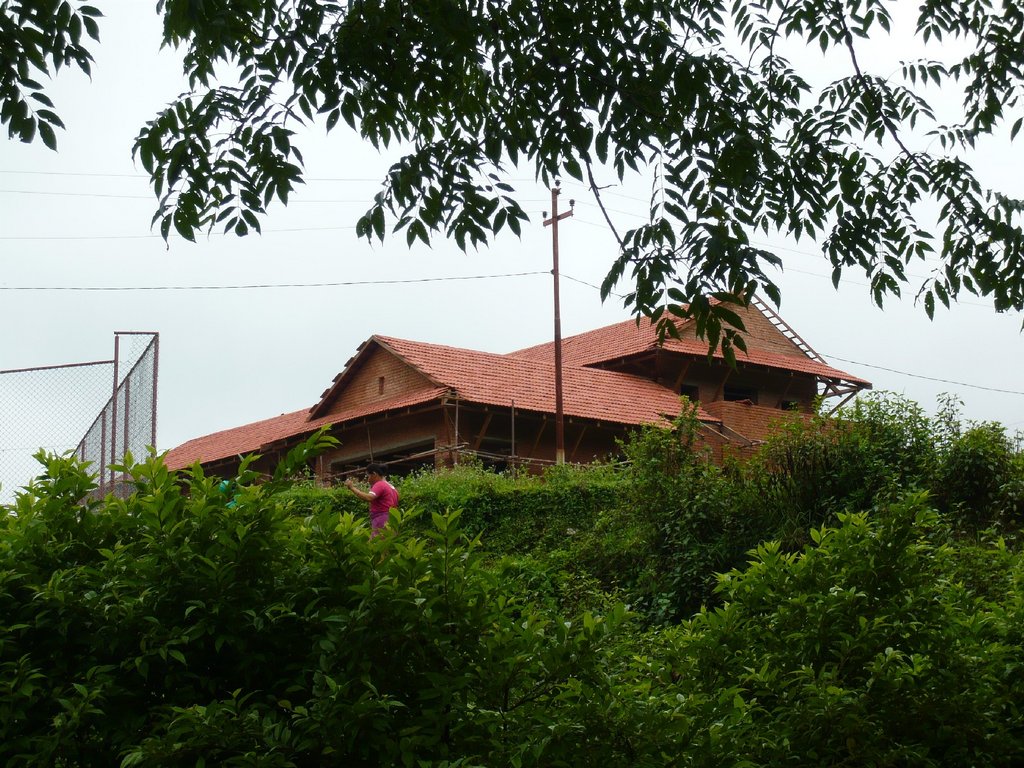
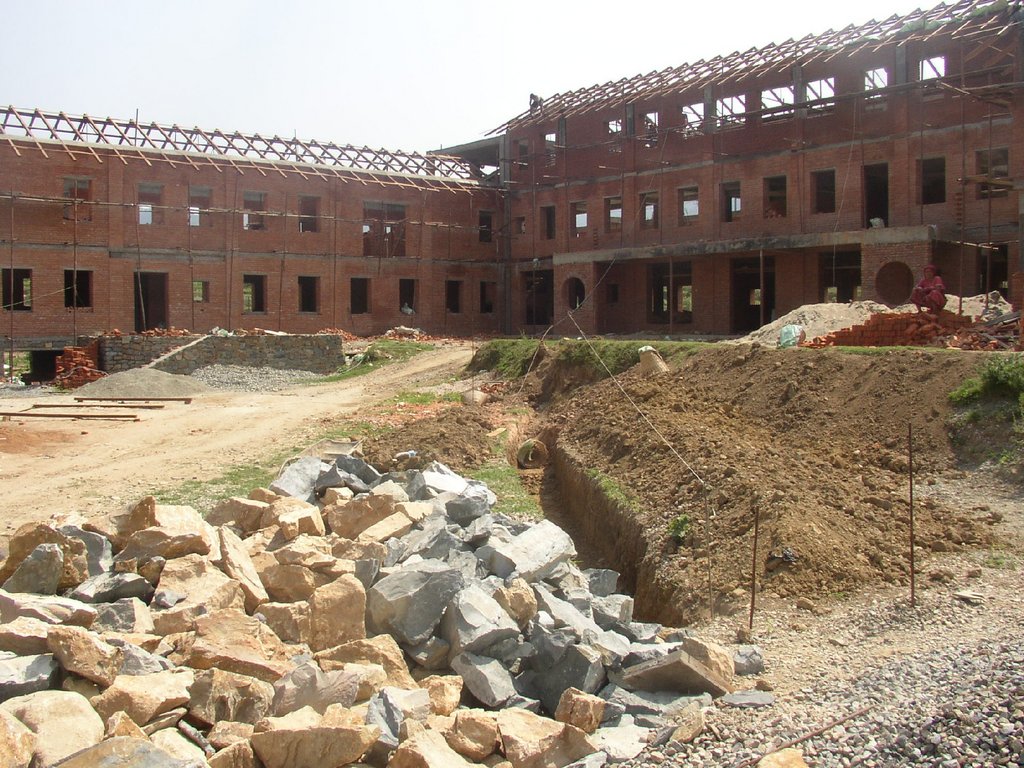
Bonnie has the preliminary design all set for a biogas reactor to produce methane that will reportedly cover about half of their cooking needs—the byproduct of which is a quality fertilizer. She showed me the stalls which will house urinals for the boys AND the girls, which sounds strange until you consider that liquid waste can be a better fertilizer than solid waste. The foreground of the attached picture is set aside to be a bed of flowering plants, part of a “greywater” system which will help to clean the water from the kitchen and elsewhere which has not been contaminated with human waste.
The usual roadblock for these proven technologies is the upfront cost, but Bonnie has them budgeted in. Once they are up and running, I’ve read and heard from other organizations that they’re fairly easy to maintain, so Ama Ghar should have a hassle-free wastewater management system for many years to come when these systems are constructed—a fact which you donors have helped make possible. Bonnie says she will consider these technologies a success if they see an impact in the behavior of the wider community, the children are learning an important environmental lesson and they’re seeing reduced cooking fuel costs from the biogas. I look forward to hearing if they do.
Links:
Project reports on GlobalGiving are posted directly to globalgiving.org by Project Leaders as they are completed, generally every 3-4 months. To protect the integrity of these documents, GlobalGiving does not alter them; therefore you may find some language or formatting issues.
If you donate to this project or have donated to this project, you can receive an email when this project posts a report. You can also subscribe for reports without donating.