By Peter Adams | Programs Director
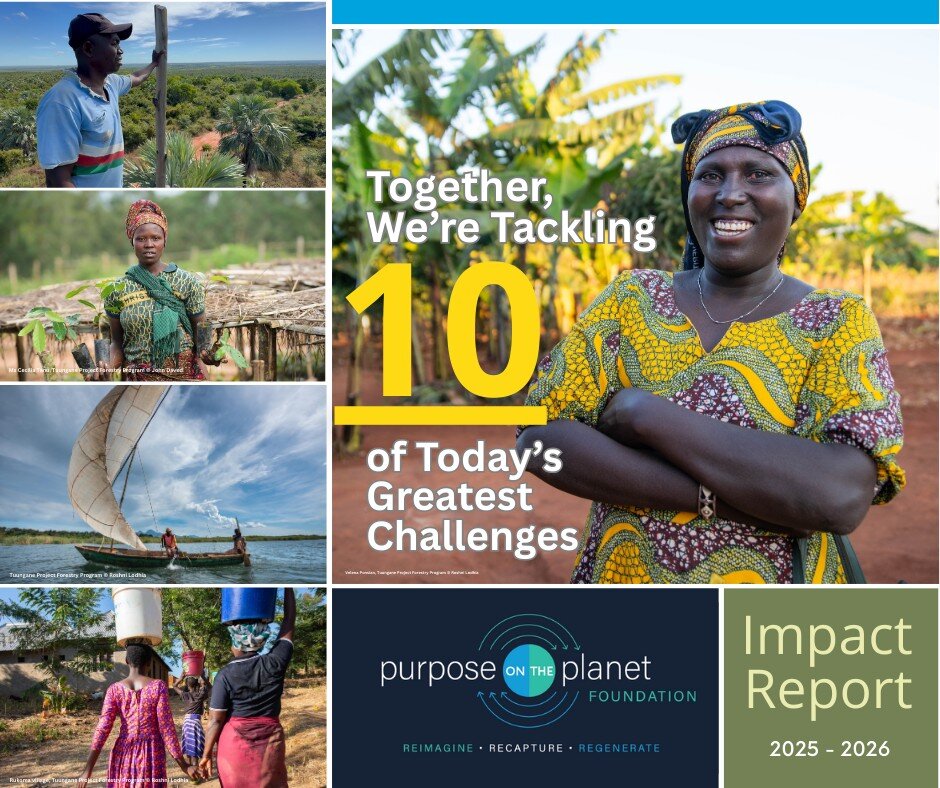
The details below are taken from our Year-End Impact Report and offer an at-a-glance overview of the key outcomes that are currently being delivered for people and planet at our project locations on the continent.
Alleviating Poverty & Food Insecurity in Africa
We’re proud to share that we doubled the number of local community team members that we support in Africa over the last year.
With your help, we’re now strengthening brighter livelihoods for 50 community members in Africa—twice as many as last year. These living-wage opportunities play a direct role in alleviating poverty, helping families reduce food insecurity, meet daily needs, and improve overall well-being.
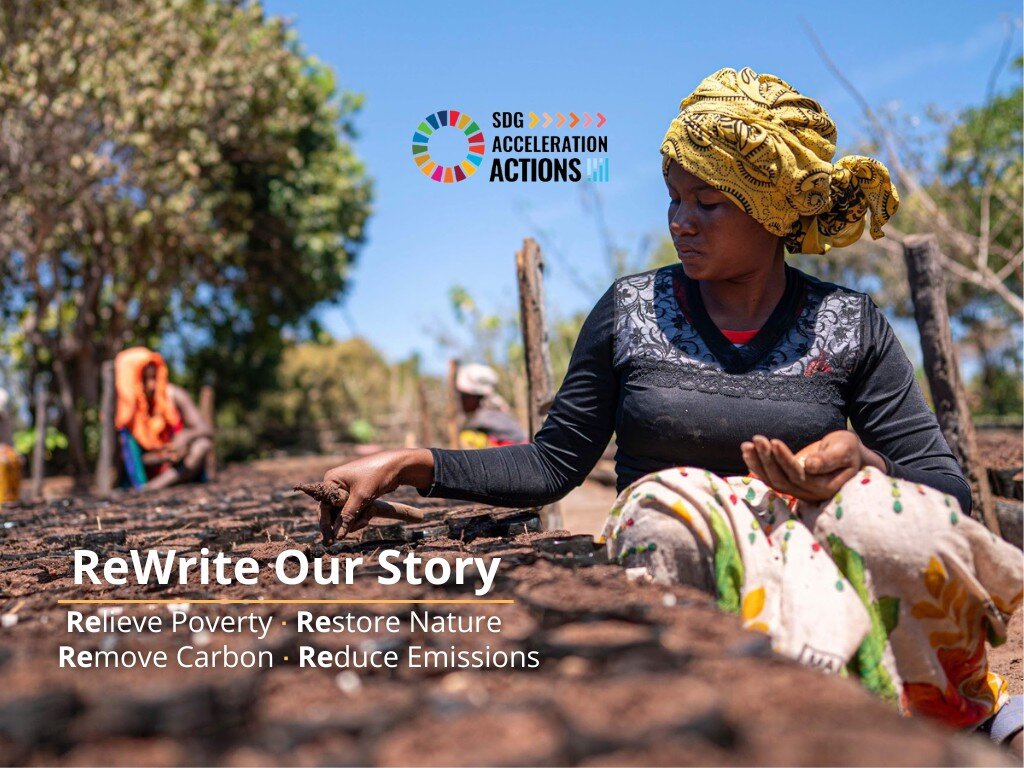
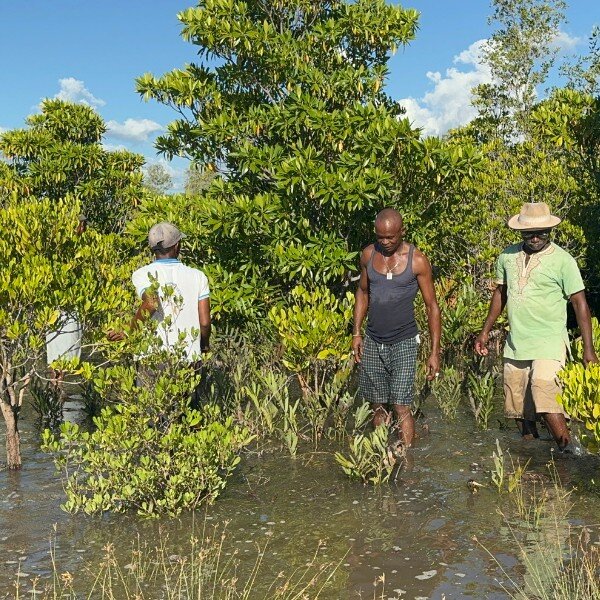
Income generated through our Recruit & Restore projects supports underserved communities in Madagascar and along the shoreline of Lake Tanganyika in Western Tanzania, where access to reliable employment is limited but the need for sustainable livelihoods is critical. Specifically, in Madagascar, the teams of local villagers collect and sort mangrove propagules, then plant each species at optimal tidal-zone sites. While on the eastern shores of Lake Tanganyika, program participants receive support, training and income for planting ficus seedlings and ensuring their long-term health.
In both locations, in addition to alleviating poverty and helping villagers meet immediate food and healthcare needs, the household income boost from our long-term tree planting and long-term forest conservation projects provides other important ancillary benefits for local families. For example, recent employee surveys from Madagascar report positive changes in families’ access to schools, resources to pay off debts, and even the ability to start micro-enterprises.
Restoring Ecosystems & Biodiversity Hotspots in Africa
Today, we’re planting an average of 7,000 trees every month, helping restore degraded landscapes while creating meaningful work for local villagers.
Each of our project locations focuses on restoring ecosystems in Africa using approaches tailored to local environmental conditions, cultural knowledge, and long-term conservation needs.
ARC ACREP Site: Antsanitia, Madagascar
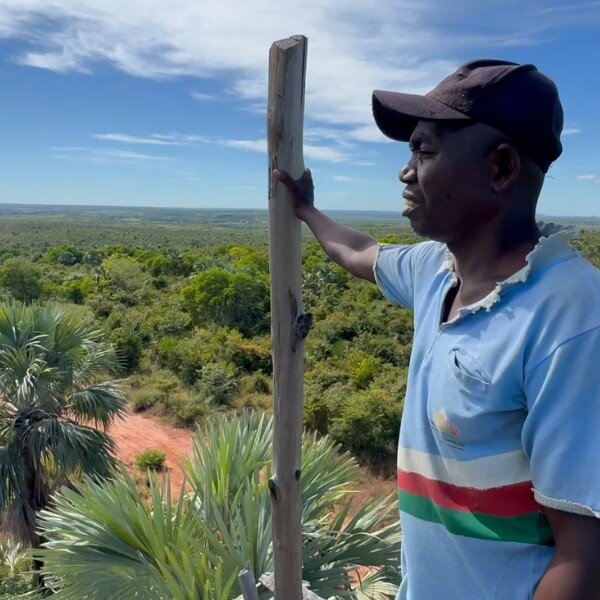
The ACREP planting area spans approximately 1,042 hectares and includes several vital ecosystems, such as coastal forests, raffia swamps, mangrove estuaries, and dry forests. Our reforestation efforts focus primarily on the mangrove and adjacent dry forest zones, aiming to restore degraded areas, expand forest cover, and enhance species diversity within these ecosystems. As a whole, the project work will rehabilitate and protect three distinct ecosystems, helping to sustain local wildlife and preserve critical habitats.
As one specific example, through our Recruit & Restore program local community team members collect and sort mangrove propagules before planting each species in its optimal tidal-zone habitat. These restored mangrove ecosystems will help protect coastlines, support fisheries, and strengthen climate resilience for coastal communities. You can learn more about this traditional, mangrove reforestation process HERE.
The Tuungane Project: Lake Tanganyika, Tanzania
The mountains of the Greater Mahale Ecosystem rise sharply from the Tanzanian shore of Lake Tanganyika. Lush forests provide a haven for wildlife — including 90% of the country’s endangered chimpanzees. An inland ocean holding nearly 20% of the world’s fresh water, the lake teems with brightly colored fish found nowhere else. This landscape is also home to more than 500,000 people living in remote villages who farm and fish to feed their families.
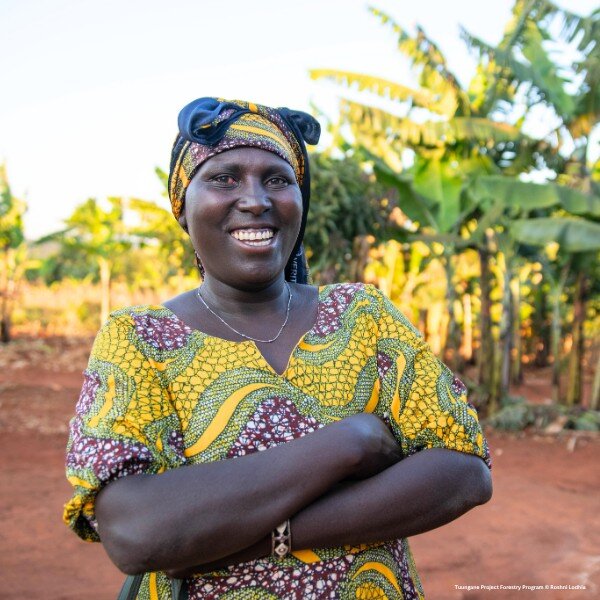
Through the forestry program we support at Tuungane, local villagers receive training, tools, and income to plant and monitor ficus seedlings, restoring forest cover while building long-term stewardship of natural resources. You can learn more about the full process HERE
Mitigating Climate Change & Building Climate Resilience
Few actions are more critical to climate-change mitigation than removing existing CO from the atmosphere as efficiently as possible. Our latest quantified carbon-modeling data indicates that approximately 77,000 mangrove and ficus trees can sequester around 1,800 metric tons of CO over a typical maturation period.
Last year alone, we supported the planting of 77,000 trees, ensuring this goal would be met—or exceeded.
This progress builds on the lasting impact of the 225,000 trees you’ve already helped plant at our African project sites in previous years, contributing to ongoing carbon sequestration and ecosystem recovery.
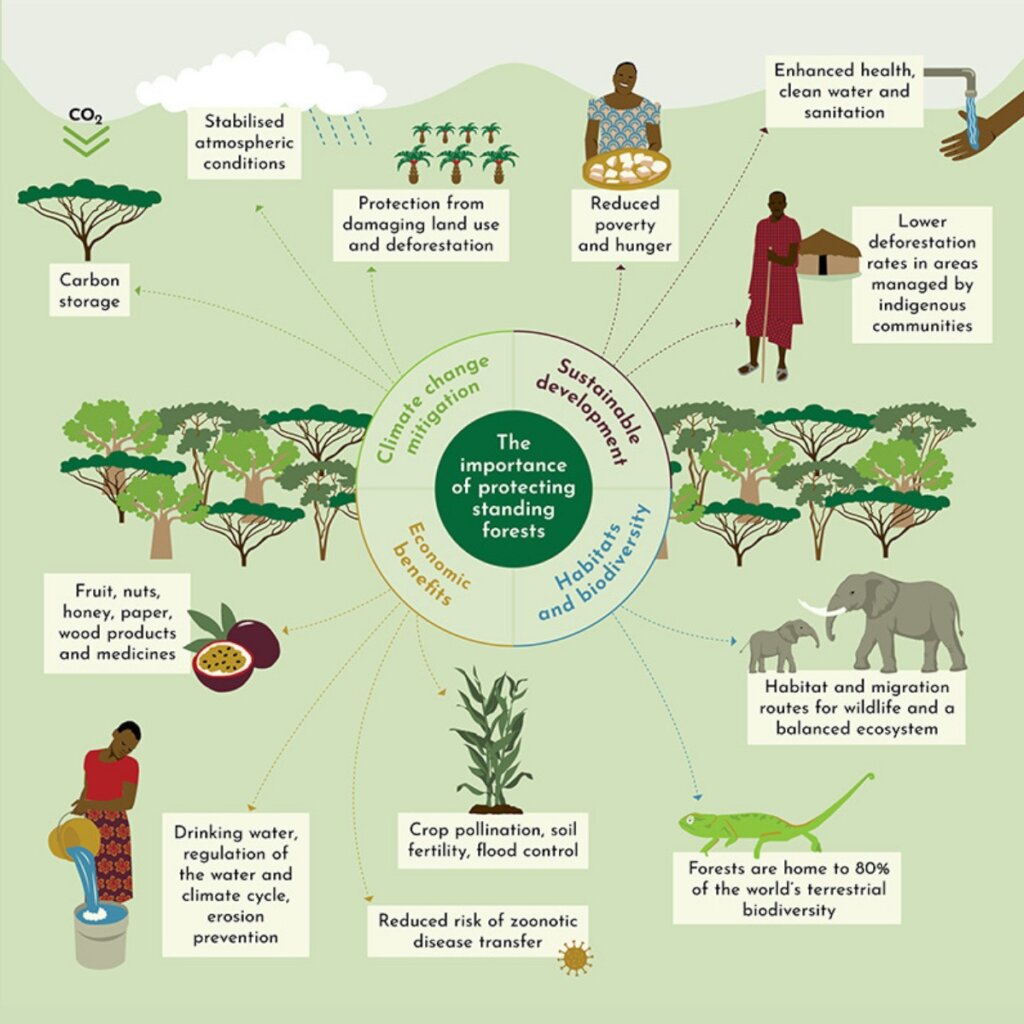
Beyond carbon capture, restoring ecosystems in Africa plays a vital role in stabilizing soil, reducing erosion, and strengthening resilience as climate change drives more intense storms. Healthy forests and mangroves also help revive once-productive fisheries—an essential source of food and income for many coastal and lakeside communities, such as our own at Antsanitia, Madagascar and around the shores of Lake Tanganyika in Western Tanzania.
Links:
Project reports on GlobalGiving are posted directly to globalgiving.org by Project Leaders as they are completed, generally every 3-4 months. To protect the integrity of these documents, GlobalGiving does not alter them; therefore you may find some language or formatting issues.
If you donate to this project or have donated to this project, you can receive an email when this project posts a report. You can also subscribe for reports without donating.



Support this important cause by creating a personalized fundraising page.
Start a Fundraiser